Best Air Purifiers for Home With Pets for 2026: Cleaner Air With Animals
Disclosure: We may earn a commission when you buy through links on this page, at no extra cost to you. As an Amazon Associate I earn from qualifying purchases. Learn more

A pet owner guide to the best air purifiers for home with pets: compare HEPA filters, room size, noise, and running costs so hair and dander bother you less.
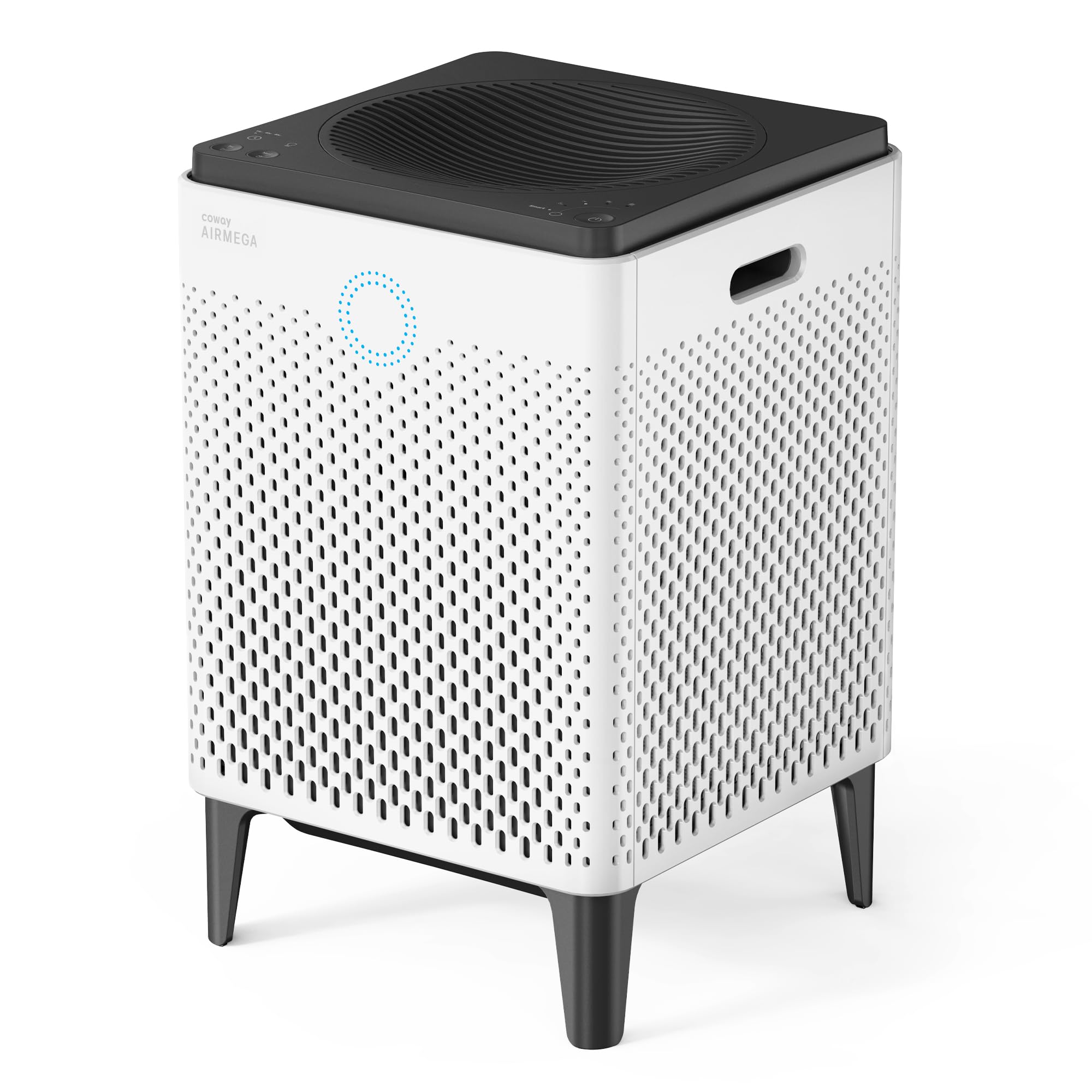
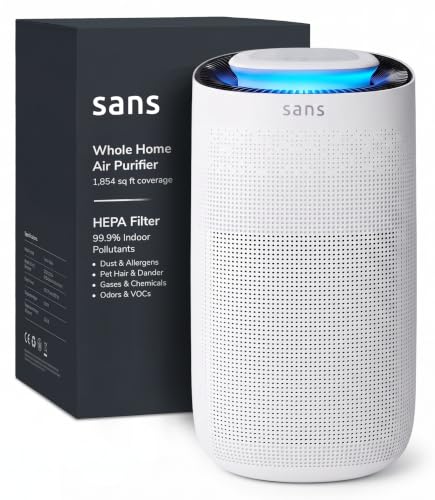
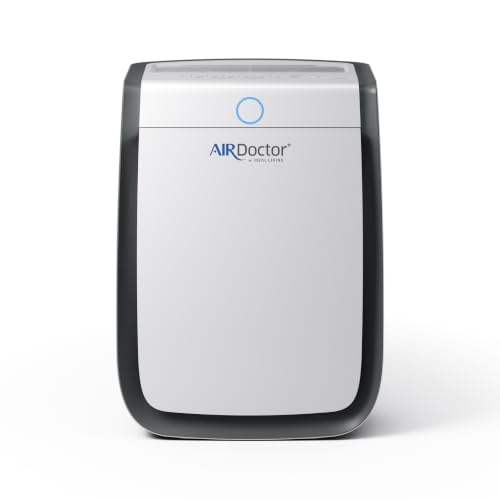
Living with pets brings joy, hair, and dander, and an air purifier can help reduce what floats around your home. When you shop for best air purifiers for home with pets, the key is not the fanciest display. It is a filter system that captures fine particles, a size that suits your room, and a noise level you can live with all day. The comparison table below shows the main options.
Pet dander is very small and can stay airborne for a while, while pet hair is larger and mostly settles on floors and furniture. A purifier helps most with the airborne part, and it works best alongside regular vacuuming and washing of pet bedding. If anyone in the home has asthma, persistent breathing difficulty, or allergy symptoms that do not settle, talk with a clinician about a broader plan rather than relying on a purifier alone.





Who Should Buy This Type
Homes with shedding dogs or cats need a pre filter that catches hair before it clogs the main filter. Allergy prone households should prioritize a true HEPA filter and a good seal, so air does not bypass the filter. Small apartment dwellers need a quiet purifier that fits a bedroom, while larger homes may need one purifier per main living area rather than one large unit trying to cover the whole house.
Types Compared
HEPA purifiers
HEPA purifiers use a dense filter to capture very fine particles, including dander and dust. They suit allergy prone homes best, though replacement filters cost more and the unit may be slightly louder on high settings.
Purifiers with a carbon filter
A carbon filter helps reduce pet odors and household smells alongside particle filtering. It suits homes where odor matters as much as dust, but carbon filters need replacing more often to keep working well.
Quiet bedroom purifiers
Smaller, quieter purifiers suit bedrooms where noise matters at night. They cover a smaller area, so they work best in a closed bedroom rather than an open plan living space.
Key Features to Compare
True HEPA filtration
Look for a true HEPA filter rather than a filter described only as HEPA type, since the wording matters for fine particle capture. Check that the unit seals well, because air that leaks around the filter will not be cleaned properly.
Room size rating
Match the purifier rating to your actual room size, not to the largest room in the house. A purifier rated for a much larger room will clean faster on a lower, quieter setting, which is useful in a living room.
Noise level
Check noise on the setting you will actually use, not just the lowest setting. A purifier that is too loud on the needed setting will end up switched off, which helps no one.
Running costs
Filter replacement cost and electricity use add up over a year, so check filter life and price before you buy. A cheap purifier with costly filters can cost more over time than a slightly pricier unit with longer lasting filters.
Budget Tiers Explained
Around $80 to $180, expect a solid HEPA purifier for a bedroom or small living room with basic controls. From around $180 to $350, you can find larger coverage, quieter operation, and better odor filtering. Above that range, you often pay for smart features, air quality displays, or designer styling rather than a basic change in cleaning power.
Use the product table above to compare the options at each tier, since price alone does not show which features you actually get for the money.
Common Mistakes to Avoid
Do not place a purifier behind furniture or curtains, since blocked airflow reduces cleaning. Do not run it only when you notice dust, since steady use works better than occasional bursts. Do not ignore filter replacement dates, since a clogged filter cleans poorly and can strain the motor. Do not expect a purifier to replace vacuuming, since hair on floors still needs physical cleaning.
Setup and Everyday Care
Vacuum the pre filter regularly, replace filters on schedule, and wipe the exterior with a dry cloth. Keep the purifier away from damp areas, and check the intake for pet hair buildup weekly in shedding season. If odor returns quickly after a filter change, check whether the carbon filter needs replacing sooner than the main filter.
A Final Check Before You Buy
A useful final check is to list the three things that matter most to you and rank every shortlisted option against those three things only. Extra features can distract from the core job, and a high score on a feature you will never use should not outweigh a poor score on a feature you use daily. Ask a friend or family member to read the same details, since a second view often spots a size, weight, or care issue that excitement can hide.
If you are still torn between two options, choose the one with the simpler daily routine. Simplicity usually wins over time, because a product you use without fuss will serve you better than a more capable product you avoid using. Note your reasons for the choice, so you can check later whether it met your expectations or whether a different priority should guide your next purchase.
Planning for Everyday Use
Everyday use also depends on running costs and replacement parts. Check how often consumables need replacing, whether parts are easy to find, and whether the maker offers clear support if something wears out. A product with cheap consumables and simple maintenance will usually cost less over a year than a product with a low headline price but expensive extras. Keep a note of replacement intervals so you can plan ahead rather than discovering a worn part at an inconvenient moment.
Before You Decide
Another useful step is to talk through the choice with someone who will use or live with the product. They may notice a noise, size, weight, or cleaning issue that you overlooked, and their view can save a costly return later. Agree on the main priorities together, whether those are quiet operation, easy cleaning, low running costs, or simple controls. A shared decision usually lasts longer, because everyone understands why that option was chosen and what trade offs were accepted.
Related guides include best air purifiers for homes with pets and best home air purifiers for general home use. For dander specifically, see best home air purifiers for pet dander, while best air cleaners and purifiers and best hepa air purifiers for home compare filter technologies.
Frequently Asked Questions
Do air purifiers remove pet hair from the air?
Purifiers capture airborne hair and dander, but most pet hair settles quickly onto floors, beds, and furniture. A purifier helps most with fine dander that stays airborne, while vacuuming and washing bedding handle settled hair. Used together, they reduce visible hair and airborne particles more than either one alone.
How often should I replace a pet home filter?
Pre filters may need cleaning every few weeks in shedding season, while main HEPA filters often last six to twelve months depending on use and pet load. Follow the maker guidance and your own checks, since a home with several pets may need earlier replacement. A drop in airflow or a return of odor can signal that a filter is due.
Should a purifier run all day in a pet home?
Running a purifier steadily on a low or medium setting usually works better than short bursts on high, since dander builds up continuously. Choose a quiet setting you can tolerate all day, and use a higher setting for a short time after vacuuming or grooming. Steady use also keeps odor lower than switching the unit on only when guests visit.
Can a purifier help with pet allergies?
A true HEPA purifier can reduce airborne dander and dust, which helps many allergy prone people feel more comfortable at home. It does not cure allergies, and it cannot remove allergens from bedding, carpets, or clothing. Combine it with washing bedding, vacuuming with a sealed system, and clinician advice if symptoms persist or worsen.
Where is the best place for a pet home purifier?
Place it in the room where people and pets spend most time, with clear space around the intake and outlet. A bedroom purifier helps overnight breathing, while a living room unit helps daytime comfort. Avoid corners, behind sofas, or inside a closed cabinet, since blocked airflow sharply reduces cleaning.
Final Thoughts
Choosing well comes down to matching the product to your space, your routine, and your budget, rather than chasing the longest feature list. Review the product table above once more, note the features that matter most for your own use, and let those priorities guide your final choice. The right option is the one you will use comfortably every day, not the one that looks best on paper.
For most buyers, best air purifiers for home with pets is a decision worth taking slowly: measure, compare, and check care needs before you buy. If you have a health, safety, or medical concern linked to this product, talk with your clinician or a qualified professional before you rely on any general guidance here.