Best Air Purifiers for Homes with Dogs: Every Type Explained Side by Side for 2026
Disclosure: We may earn a commission when you buy through links on this page, at no extra cost to you. As an Amazon Associate I earn from qualifying purchases. Learn more

Learn how to choose the best air purifiers for homes with dogs by type, with hair, dander, odor, CADR, noise, and filter guidance for pet homes.
Dog hair on the sofa is easy to see, but dander in the air and that warm dog smell in the rug are harder to fight, and the purifier aisle offers several very different machine types for the job. Choosing the wrong type wastes money no matter how good the filter is. This guide compares the main types of best air purifiers for homes with dogs side by side, then walks through sizing, placement, and care, so you can match a machine to your rooms, your dog, and your tolerance for filter changes.
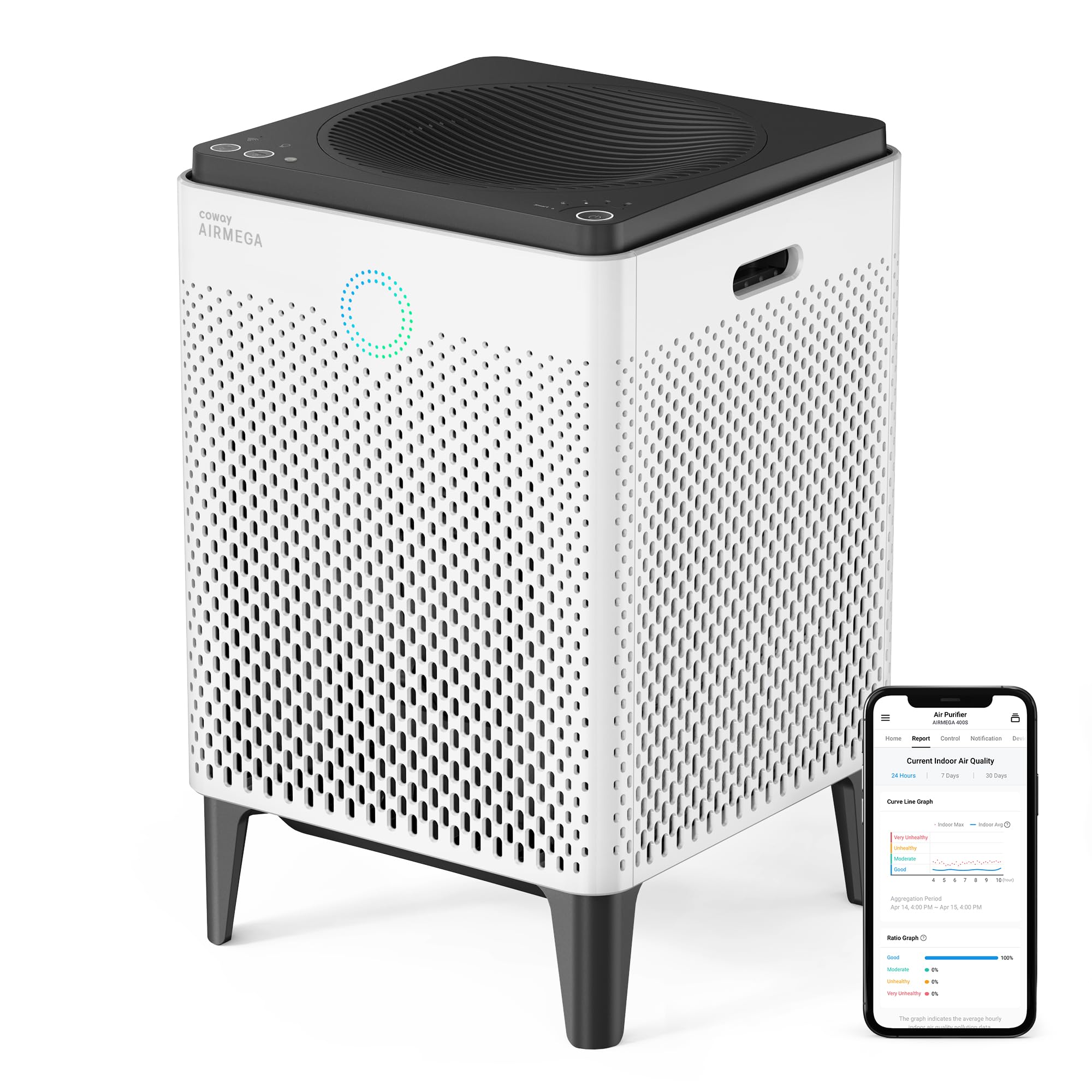
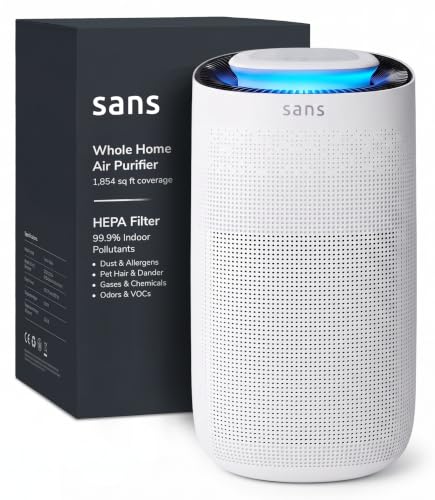
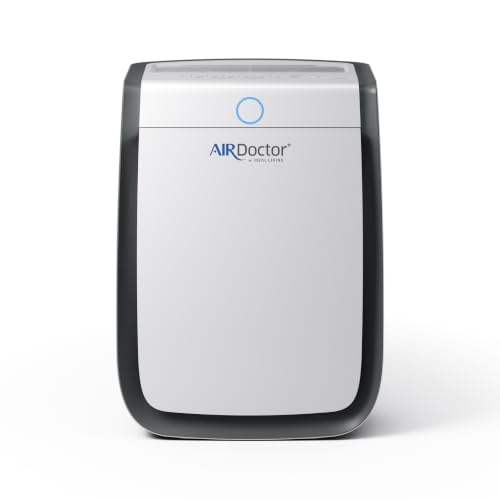
The comparison table below gathers models across the types explained ahead. Decide which type fits your home first, because a correctly chosen type at a fair price will outperform a premium machine of the wrong style in a dog household every week of the year.




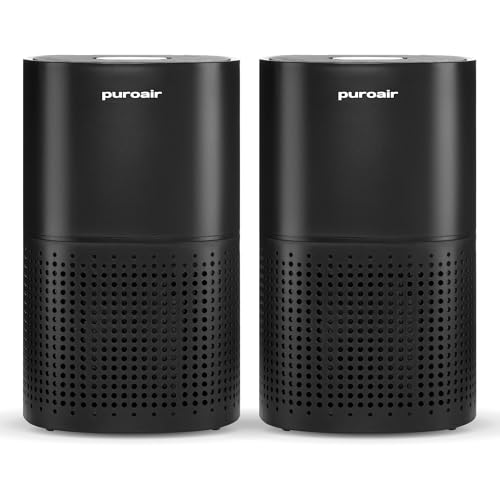
Types of Air Purifiers Compared
Three types cover nearly every dog home. In plain terms: small room units suit one closed bedroom at around $80 to $200, portable units suit renters who move the machine with them at around $150 to $350, and large room or whole home units suit open plans and multi dog homes at around $300 to $700. The sections below give each type its honest strengths and limits.
Small Room Units
Small room units are compact tower or desktop machines built for one bedroom, nursery, or home office, usually rated under about 250 square feet. In a dog home they shine as bedroom guardians, keeping dander down where you breathe for eight hours while the dog sleeps elsewhere or on the bed. A washable prefilter is essential here, because dog hair loads small prefilters fast. Their limits are carbon capacity and reach: odor control is modest, and an open door to a hairy hallway quickly overwhelms them. Choose this type when one room matters most and its door can stay closed.
Portable Units
Portable units are midsize freestanding machines with handles, meant to move between the living room by day and a bedroom at night. They suit renters and small apartments where one machine must serve the whole home in shifts. For dog owners, the advantage is following the dog: park the unit near the favorite dog bed or crate area when odor peaks, then move it for the night. The compromise is coverage gaps, since rooms without the machine get no cleaning, and repeated moving wears on both the unit and your patience. Midrange prices buy useful CADR and a real carbon stage.
Large Room and Whole Home Units
Large room and whole home units are bigger cabinets with strong fans, deep carbon beds, and CADR ratings for spaces of 400 square feet and beyond. They suit open plan living areas, homes with several dogs, and households where shedding and odor are constant rather than occasional. Their deep prefilters swallow hair without clogging every week, and their carbon actually dents dog smell instead of masking it for a day. The tradeoffs are size, price, and costlier replacement filters. If your home layout is open and your dogs rule the main floor, this type is usually the honest answer, and our guide to the best whole home air purifiers covers the category in depth.
Small Room Units vs Portable Units: Which Should You Choose?
Compare these two popular types on five points. For coverage, the small unit wins inside its one closed room, while the portable wins across a small apartment over a full day. For odor, the portable usually carries more carbon and handles dog smell better. For hair, both need washable prefilters, but the portable larger intake clogs more slowly. For noise, the small unit is easier to keep beside a bed. For cost, the small unit is cheaper to buy and to feed with filters. Choose the small unit for a dedicated clean bedroom, and the portable if your living pattern moves between two rooms and one machine must follow.
How to Choose the Right Air Purifier
Installation and Placement
No installation is needed, but placement decides results in a dog home. Put the unit in the room where the dog spends the most time, near but not against the dog bed, with clear space around the intake. Keep it a few feet from food and water bowls so splashes and kibble dust do not load the prefilter. Raise cords out of chewing reach and place the machine where a wagging tail or a zooming puppy cannot topple it. A stable spot on a hard floor beats a wobbly perch on thick carpet.
Why Choose an Air Purifier With Dogs
A purifier built with dogs in mind adds three things a generic unit may lack: a coarse washable prefilter sized for hair, enough activated carbon for animal odor, and durable controls that survive curious noses. The benefit is air that smells neutral and surfaces that gather dander more slowly, which guests notice even when family members have gone nose blind. The limitation is honest: no purifier vacuums hair off a sofa or replaces grooming. If your only complaint is visible hair on floors, a vacuum solves it faster, while airborne dander and odor are where a purifier earns its place. For dog focused models, see our guide to the best air purifiers for dogs.
Features That Matter for Homes
Homes with dogs need filtration staged in order: prefilter for hair, True HEPA for dander and fine dust, and activated carbon for odor. Dander particles are tiny and stay airborne for hours, so CADR and run time matter more than burst power. Look for a filter change indicator that tracks actual use, since dog homes load filters faster than the averages printed on boxes. A lockable control panel or controls on top of the unit also help, because paw pressure on a touch panel is a real event in a dog household. For HEPA focused options, see our guide to the best hepa air purifiers for home.
Safety Features
Check for UL or ETL electrical certification and AHAM verified ratings where available. A heavy, low center cabinet resists tip over when a large dog brushes past, and an automatic shutoff on tip over models adds protection. Grilles should have openings narrow enough to keep paws and noses away from the fan. Avoid ozone producing ionizer modes around pets, since ozone irritates animal airways just as it does yours. Finally, route the cord behind furniture, because a chewed cord is the most preventable accident in this whole category.
Room Size and Coverage
Use the standard rule: CADR of at least two thirds of the room area in square feet, then adjust upward for dogs, because hair and dander add a constant particle load that a pet free room never sees. A living room of 350 square feet with two shedding dogs deserves a CADR well above the minimum, or a large room unit from the types above. Count connected open spaces as one big room when doors stay open. For general whole home sizing help, see our guide to the best home air purifiers.
Tips to Get the Most From Your Air Purifier
- Replace or clean filters on schedule. Vacuum or rinse the prefilter every 2 to 4 weeks in a dog home, because a hair mat over the intake quietly halves performance.
- Keep doors and windows closed while running in the target room. Sealed rooms let the unit cycle the same air and steadily pull dander levels down.
- Leave clearance around intake and exhaust. Dog beds, blankets, and toy piles love to drift against intakes, so check the space weekly.
- Groom and vacuum alongside filtration. Brushing the dog outdoors and vacuuming soft furnishings weekly removes the source load the purifier would otherwise chase forever.
- Run the unit continuously at low speed. Dander floats for hours after activity, so steady running beats short bursts. For broader category guidance, see our guide to the best air cleaners and purifiers.
Frequently Asked Questions
What features matter most in air purifiers for homes with dogs?
A washable hair prefilter, True HEPA media, and real carbon weight matter most, in that order. One extra point is intake design: units that draw air from all sides clog more evenly and keep working longer between cleanings in shedding season. If your dog sheds in seasonal bursts, plan prefilter cleaning around those weeks and performance will stay steady instead of sagging quietly.
Do air purifiers really work in homes with dogs?
Yes, they measurably reduce airborne dander and soften dog odor in a closed room, which is why bedrooms are the most satisfying place to start. They do not remove hair already settled on furniture, so judge them on air quality and smell, not on how the sofa looks. Most owners notice the difference most on waking, when a filtered bedroom leaves air feeling lighter and morning sneezing reduced.
Where is the best place to put an air purifier in a home with dogs?
Place it in the room where the dog spends the most hours, near the resting area but with open space around the intake. Avoid corners behind the dog bed itself, where hair piles up and airflow dies. If the dog sleeps in your bedroom, that room wins, because overnight exposure is the longest stretch. Keep the unit a short distance from water bowls to protect it from splashes.
What size air purifier do I need for my room?
Start with CADR of at least two thirds of the room area in square feet, then go one step larger if you have multiple dogs or a heavy shedder. Open plan homes should count the whole connected area, not just the corner where the unit sits. An oversized unit on medium speed also stays quieter, which helps nervous dogs accept the machine as part of the furniture.
How often should I replace the filter in an air purifier in a dog home?
Expect HEPA replacement every 6 to 12 months and carbon sooner when dog odor returns, with prefilter cleaning every few weeks between changes. Homes with several dogs often land at the short end of every range. A simple test is the outlet smell: if cleaned air starts carrying a dog smell again, the carbon is done, whatever the calendar says.
Is an air purifier expensive to run all day?
No, most models cost a few dollars a month on the low or auto settings used for steady dander control. ENERGY STAR certified units clean more air per watt, which adds up over a year of constant running. The larger cost in a dog home is filters, not electricity, so include a year of replacements when you compare prices and the honest total will guide you better.
Wrapping Up
Choose the type first: small unit for one closed bedroom, portable for a compact home that lives room to room, large unit for open plans and multi dog households. Then confirm the trio of washable prefilter, True HEPA, and real carbon, and check the product table above for sizes and prices. Matched that way, the best air purifiers for homes with dogs keep air fresher for everyone on two legs and four. If you or a family member has asthma or allergies that flare around the dog, talk with your doctor about personal management steps alongside filtration.