Best Air Purifiers for Wood Stove Dust: The Buyer Checklist We Use for 2026
Disclosure: We may earn a commission when you buy through links on this page, at no extra cost to you. As an Amazon Associate I earn from qualifying purchases. Learn more

Learn how to choose the best air purifiers for wood stove dust with clear checks for filters, CADR, noise, safety, and yearly running costs at home.
A wood stove adds fine ash, soot, and smoke particles to the air every time you load it, open the door, or empty the ash pan. Choosing the best air purifiers for wood stove dust means judging a unit on how well it captures that mix, not just on how it handles ordinary household dust. This guide gives you the checklist we use, so you can score any model in minutes.
Use the comparison table below to shortlist models that meet the thresholds in each section. Then work through the red flags and quick buyer checklist before you spend anything.

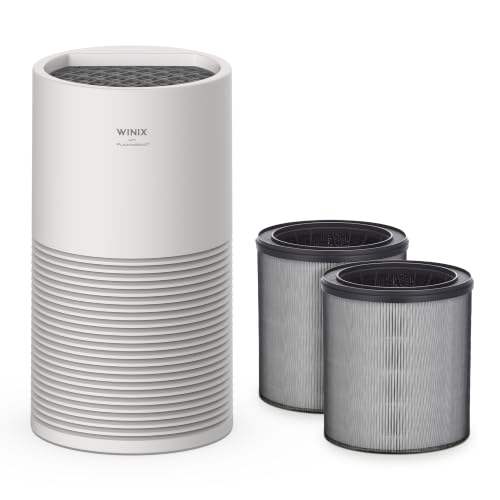
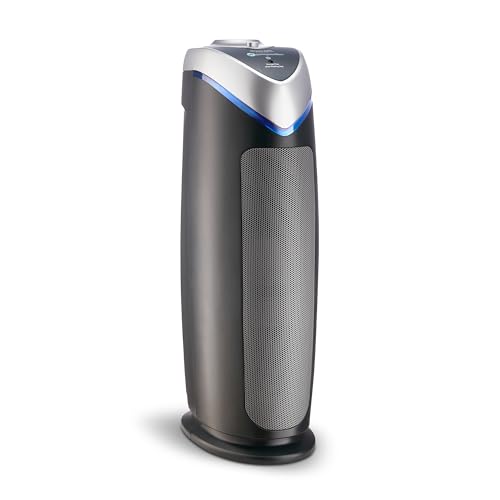

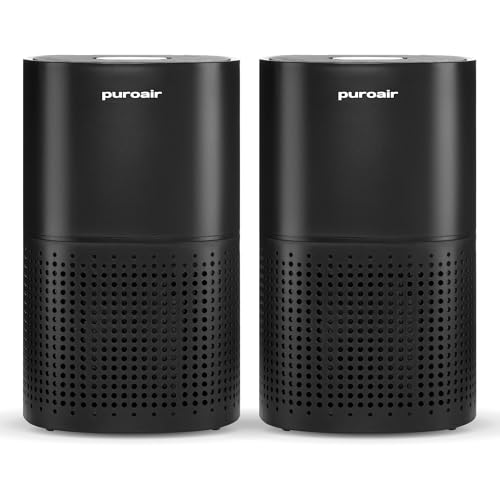

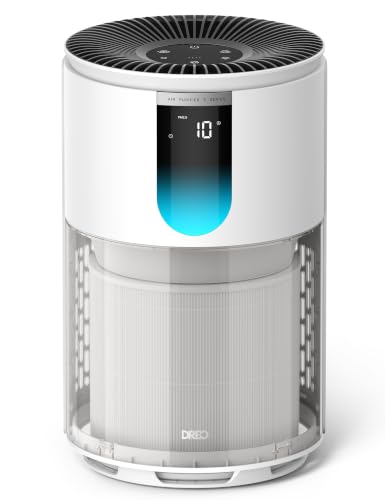
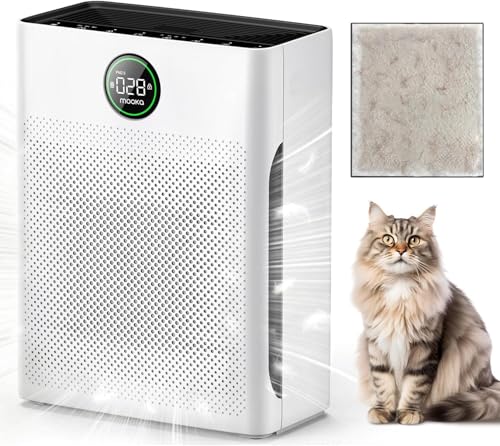


How We Evaluate the Best Air Purifiers for Wood Stove Dust
Wood stove dust is a blend of coarse ash you can see and fine particles you cannot. A good unit needs strong particle capture, real capacity for your room, and a filter plan you can afford to maintain all heating season. Score each model against the seven criteria below and drop any unit that fails two or more.
Features That Matter for Wood Stove Dust
Start with a True HEPA filter, because ash and soot include very fine particles that a basic fiber filter can miss. You also want a washable or replaceable prefilter that traps larger ash before it reaches the HEPA layer, which extends the life of the main filter. A sealed housing matters too, since gaps around the filter let dirty air bypass it. Look for clear filter specs in writing, not vague claims about advanced cleaning.
Room Size and Coverage
Match the unit to the room where the stove sits, which is often an open living space rather than a small bedroom. Check the CADR rating and aim for a smoke CADR that covers your square footage with four to five air changes per hour. If your stove heats a large open plan area, size up rather than down, because a unit running at its limit will be loud and still fall behind on smoky days. AHAM guidance on the box makes this math easier to verify.
Noise Level and Sleep Mode
Stove rooms are living rooms, so noise shapes how much you will actually run the unit. Look for a low speed rating around 25 to 35 dB if the room doubles as a bedroom or quiet sitting space. A sleep mode that dims display lights helps at night. Remember that the quietest speed also moves the least air, so check the CADR at medium speed too. That middle setting is the one most households end up using daily.
Smart Controls and Sensors
An air quality sensor is genuinely useful near a stove, because particle levels spike when you open the stove door and settle again within the hour. Auto mode lets the fan rise for that spike and drop back when the air clears, saving filter life and power. App control and schedules are nice extras, and WiFi models suit second homes where you want to start cleaning before you arrive. A simple sensor display you can read across the room is enough for most people.
Energy Efficiency and Operating Cost
A purifier near a stove often runs all day through winter, so watt draw adds up. ENERGY STAR certified models use less power at a given CADR, which keeps a full season of daily running closer to a modest monthly cost. Check the watt rating at the speed you will use most, not just the lowest setting. Also weigh electricity against filter cost, since a cheap to run unit with pricey filters can cost more over a year.
Safety Features
Look for UL or ETL listing, which shows the unit passed basic electrical safety checks. AHAM verification means the stated CADR was checked by an independent program, which is a strong trust signal. If the unit has any heating or ion function, confirm it has tip over and overheat shutoff, though most purifiers near stoves are fan and filter only. Keep the cord away from the stove and hearth, and never place a plastic unit where stove heat can reach it directly.
Filter Type and Replacement Cost
Plan on a True HEPA filter plus an activated carbon layer if stove odor bothers you, because carbon helps with smell while HEPA handles particles. Ask three questions before buying. How much does a full filter set cost, how often does the maker say to change it in smoky conditions, and is it easy to order? In a stove home, heavy use can shorten filter life, so a realistic yearly filter budget is often about $50 to $150 depending on size.
Three Profiles That Pass Our Checklist
Instead of naming models, use these three profiles to match the product table above to your home. Each profile describes who it suits, what it does well, and the trade off to accept.
Overall Profile
This profile suits a main living room with a stove that burns daily. It pairs a True HEPA filter and a solid carbon layer with a smoke CADR sized above the room, so it handles door opening spikes without running at full blast all day. Expect to pay around $200 to $400. The trade off is size, since higher CADR units are larger and need floor space with clear airflow on all sides.
Value Profile
This profile suits smaller stove rooms and tighter budgets, at around $100 to $200. It keeps the essentials, meaning True HEPA filtration, a washable prefilter, and a verified CADR for a modest room, while skipping app extras and large displays. You may change filters a bit sooner in a smoky home, and the fan will be louder at the speed you need. For a den or cabin room, that balance is often the smart spend.
Premium Profile
This profile suits large open plan spaces and people sensitive to smoke smell. It brings a high CADR, a thicker carbon filter for odor, a responsive particle sensor, and quieter airflow at useful speeds. Prices often run around $400 to $700. The trade off is filter cost, since big filter sets cost more each year. If your stove is your main heat source all winter, the stronger odor control and quieter running can be worth it.
Quick Buyer Checklist
Run through these questions before you buy, and treat any no as a reason to pause.
- Does the unit use a True HEPA filter with a prefilter for ash?
- Does its smoke CADR cover my room at four to five air changes per hour?
- Can I afford the full filter set cost every year?
- Is the noise level at medium speed acceptable for my room?
- Is the unit UL or ETL listed and AHAM verified?
- Does it include a carbon layer if stove odor is a problem for me?
- Do I have floor space with clearance away from stove heat?
- Can I buy replacement filters easily from more than one seller?
If you are comparing broader options for the whole house, see our guide to the best home air purifiers for coverage ideas beyond the stove room.
Red Flags to Watch For
Walk away from listings that hide the filter type behind words like HEPA style or HEPA type without saying True HEPA. Be wary of CADR claims with no AHAM listing to back them, and of room size claims that assume very tall ceilings or only one air change per hour. Short warranties of a few months, filters you can only buy from one obscure seller, and reviews that all appeared in the same week are also warning signs. A purifier you cannot maintain is a poor buy at any price.
For a related dust problem in other rooms, our guide to the best air purifiers for mold and dust explains how moisture changes what you need.
Setup and Care Tips
Place the unit in the same room as the stove but well away from direct heat, with several inches of clearance around the intake and exhaust. Keep doors and windows closed while it runs so it is not fighting outdoor air. Vacuum the prefilter every few weeks during burning season, since ash builds up fast, and replace or clean filters on the schedule the maker sets. Empty the ash pan gently and let the purifier run on a higher speed for an hour afterward.
For everyday settling dust away from the stove, see our guide to the best air purifiers for removing dust for placement ideas room by room. You can also compare broader categories in our guide to the best air cleaners and purifiers if you are still deciding on a style.
Air Purifiers: Your Questions Answered
What features matter most in air purifiers for wood stove dust?
A True HEPA filter, a washable prefilter, and a smoke CADR matched to your room matter most. Ash quickly loads a filter, so the prefilter protects your budget as much as your air. A carbon layer is the next priority if smell lingers after you close the stove door.
Do air purifiers really work?
Yes, a well sized purifier lowers airborne particle levels in the room where it runs, including ash and soot that stay suspended after burning. It will not clean ash already settled on shelves, and it cannot fix a stove that leaks smoke from a poor draft or damaged seal. Treat it as a partner to good stove habits, not a cure for a smoking flue.
How often should I replace the filter?
Most HEPA filters last about six to twelve months, but a stove home can sit at the short end of that range. Check the filter monthly during burning season and replace it when it looks dark gray and airflow or odor control drops. A filter indicator helps, yet a quick visual check tells you more in an ash heavy room.
Is it expensive to run 24/7?
No, most units are modest to run, often drawing about 30 to 60 watts at common speeds, which is similar to a bright light bulb. Running all day through a winter month usually costs only a few dollars in electricity for an efficient model. Filter replacement, not power, is the bigger yearly cost for the best air purifiers for wood stove use.
Where is the best place to put it?
Put it in the stove room, several feet from the stove itself, where air can flow freely around it and where it can catch particles as they drift from the door and ash pan. Avoid corners and spots behind furniture. If smoke bothers you most in a bedroom, a second smaller unit there beats moving the main one back and forth.
Our Verdict
Judge every model on filter quality, honest CADR for your room, and the yearly filter cost you will actually pay. Those three checks matter more than apps or styling. Match one of the profiles above to your stove room, use the product table above to compare, and the best air purifiers for wood stove dust for your home will be the one you can run all season without thinking about it.