Best Air Purifiers for Wood Smoke of 2026: Complete Buying Guide
Disclosure: We may earn a commission when you buy through links on this page, at no extra cost to you. As an Amazon Associate I earn from qualifying purchases. Learn more

Learn how to choose the best air purifiers for wood smoke with guidance on HEPA and carbon filtration, room size, safety, upkeep, and filter costs.
Wood smoke from a stove, fireplace, or a neighbor home leaves fine particles and a stubborn smell that can settle into a room for hours. Choosing a purifier for that mix takes more than picking the largest box on the shelf. This guide explains how to judge best air purifiers for wood smoke by filtration, smoke capacity, and filter cost, so you can match a unit to the room where smoke bothers you most.
Use the comparison table below to compare coverage, smoke ratings, and filter details at a glance. Then read the buying guide that follows for the reasoning behind each number, plus setup habits that keep a wood heated home feeling fresher through the whole heating season.


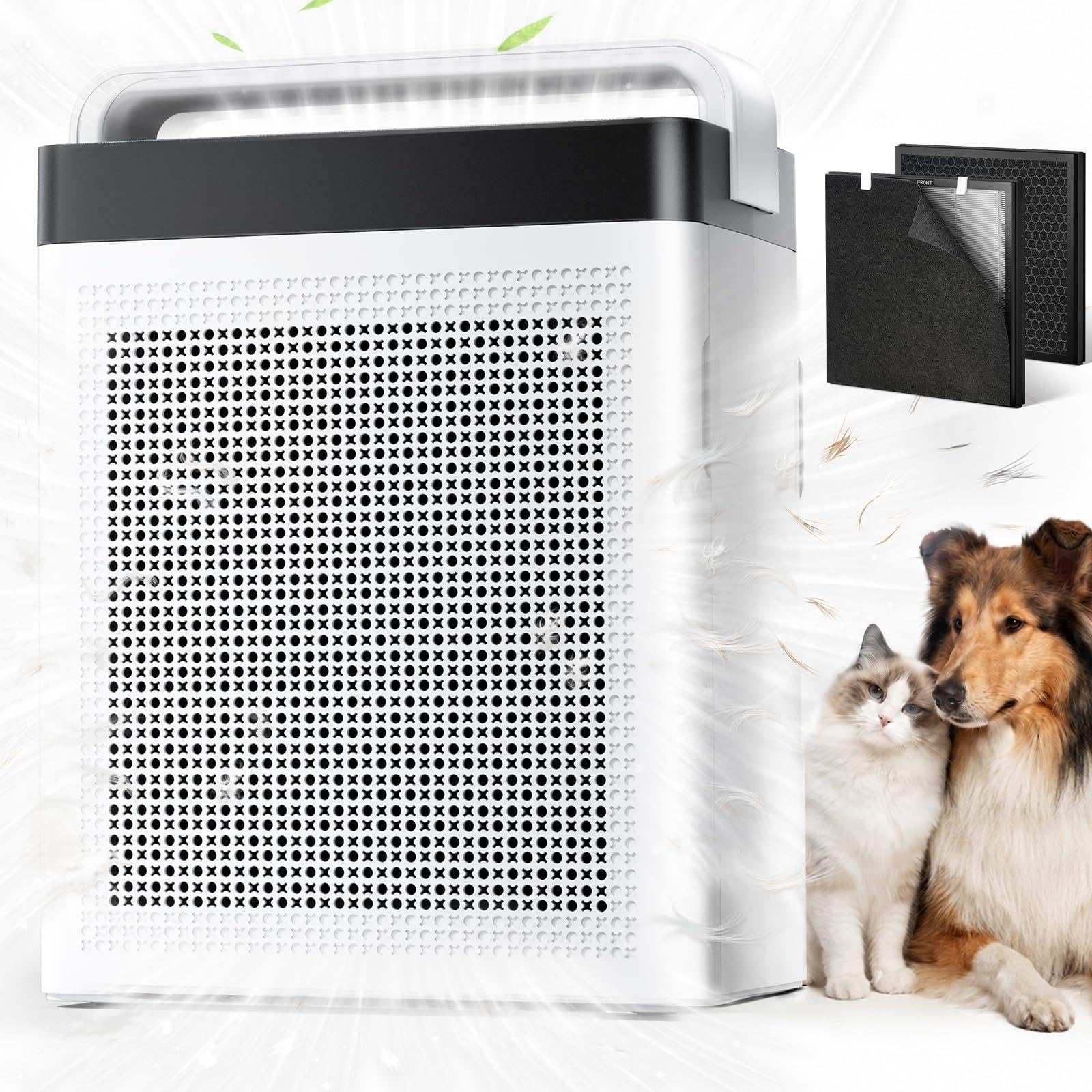
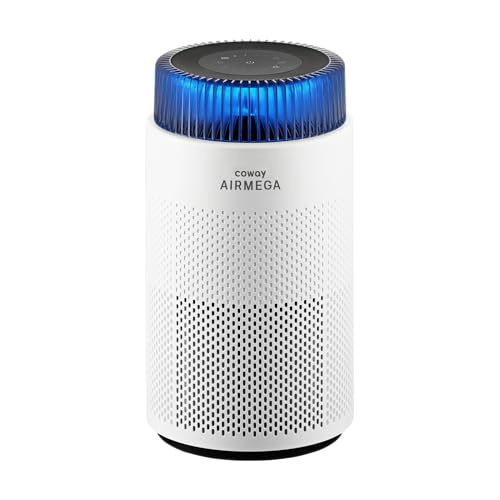
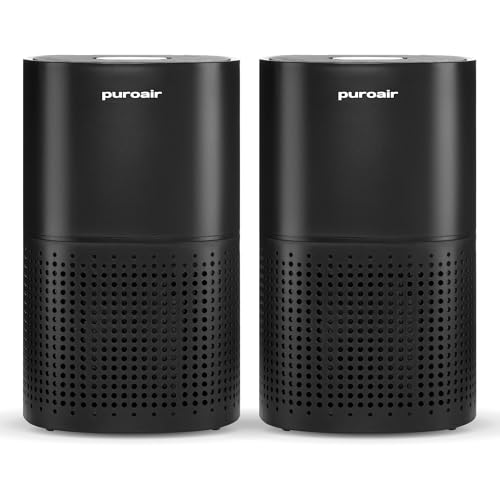

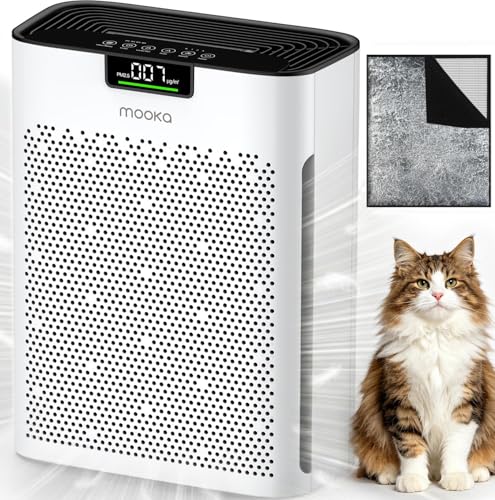
Three Buying Profiles at a Glance
Overall Profile
An overall profile for wood smoke means balance rather than a single headline spec. Look for True HEPA filtration, a deep activated carbon bed for odor, and smoke CADR with headroom above your room size. That combination handles daily stove use in a main living room without running at top speed all evening. Expect to pay in the mid to upper price range, around $250 to $500 for many home models, and budget for carbon replacement each heating season if smoke is frequent in your area.
Value Profile
A value profile keeps the same two filter types but trims smart extras you may never use. A simple control panel, a timer, and a filter light cover daily needs for most wood stove homes. Look in the range of about $150 to $300, and put the savings toward spare filters, because timely replacement protects performance more than an app does. The limit to watch is carbon depth, since very cheap units often use a thin carbon sheet that fades quickly under real smoke. If carbon weight is not stated, value is hard to judge.
Beginner Profile
A beginner friendly profile is easy to place, easy to clean, and hard to run incorrectly. Look for a clear prefilter you can vacuum, filters that slide out without tools, and an auto mode driven by a particle sensor. Size it for one room, usually the room with the stove or the bedroom, and learn your habits there before adding a second unit. Prices often fall around $150 to $350. The main limit is usually noise on higher speeds, so check sound levels on medium before you commit to a bedroom placement.
How to Choose the Best Air Purifiers: Buying Guide
This section is the heart of your decision when you compare the best air purifiers for wood smoke side by side. Work through each spec in order, because a weakness in any one of them shows up quickly in a smoky room.
Features That Matter for Wood Smoke
Wood smoke contains very fine particles plus odor gases, so you need both True HEPA and substantial activated carbon in one sealed system. HEPA captures the particles that irritate lungs and settle as fine dust, while carbon adsorbs the smoky smell that lingers in air and soft furnishings. Look for smoke CADR as your capacity number, and favor makers who state carbon weight openly. A unit built for pollen alone will disappoint here, even if its general ratings look strong on paper.
Room Size and Coverage
Measure the room in square feet and compare it with the rated coverage and smoke CADR. For regular wood smoke, aim for about four to five air changes per hour in the room you protect. Stove rooms often open into kitchens or hallways, so count connected open space honestly. Extra capacity lets you clean at that rate on a medium speed, which matters during long evenings when the stove runs for hours and you want conversation and television to stay comfortable.
Smart Controls and Sensors
Particle sensors and auto mode help when stove loading or door opening sends a burst of smoke into the room. The fan rises to meet the burst, then settles back when air clears. Schedules help too, letting you start the unit before the evening fire. App control is optional, and a clear onboard display shows air quality without your phone. Judge smart features after filtration and size, because no sensor can fix a unit that is too small or a carbon filter that is too thin for smoke.
Safety Features
Look for UL or ETL listing and AHAM verification when available, which support both safety and rating claims. Tip over shutoff and overheat protection matter in a room with a hot stove, pets, and foot traffic. Keep the purifier well away from the stove itself, following both manuals for clearance, and never place it where sparks, ash, or direct heat can reach it. Avoid ozone generating features, because ozone adds irritation in a room where lungs are already dealing with smoke particles.
Filter Type and Replacement Cost
Plan filter cost before you buy, because wood smoke loads filters faster than ordinary dust. A prefilter you can clean extends the life of the HEPA filter behind it. Carbon may need replacement each season or sooner with daily stove use, and HEPA often lasts six to twelve months depending on load. Add two years of filter cost to the purchase price for a fair comparison. Models with common, easy to find filters save stress in mid winter when you need a change quickly.
Installation and Placement
Place the unit in the same room as the smoke source or in the bedroom you want to protect, on the floor with clear space around intake and outlet. Keep it several feet from the stove, away from direct heat, and not tucked behind a sofa. Air should move freely from the room into the unit and back out. Keep doors and windows closed while running it during smoky periods, except for the brief moments stove tending requires, so cleaned air is not lost at once.
Types of Air Purifiers
Small Room Units
Small room units suit a bedroom or a home office, roughly up to about 200 square feet depending on the model. They are quiet, affordable, and easy to move, which makes them a gentle first step. Their limit is capacity, so they struggle in a large stove room. Choose one when your goal is a cleaner sleeping space while a larger unit, or the stove room door, handles the rest of the home.
Portable Units
Portable units add a handle and wheels or a lighter body, so you can move cleaning power between the living room by day and a bedroom by night. That flexibility helps renters and smaller homes. The trade off is that a moved unit spends time off duty during each move, and mid size portable models may still lack the carbon depth heavy smoke needs. Check carbon details carefully rather than assuming portable means light duty in every case.
Large Room and Whole Home Units
Large room units bring higher CADR and bigger filters for open plan spaces and main stove rooms. They cost more and take more floor space, but they clean a big volume without running at a harsh top speed. True whole home cleaning from one unit is rare, because closed doors block air flow, yet a large unit in an open area can serve several connected spaces well. Filter changes cost more, but larger filters often last longer between changes under the same smoke load.
Smart WiFi Models
Smart WiFi models add app control, schedules, and air quality history you can check from another room. That is useful when the purifier sits in a stove room you do not occupy all day. You pay more for the electronics, and you depend on an app staying supported over time. The cleaning still comes from the same HEPA and carbon filters, so compare those first and treat connectivity as a comfort feature for households who will actually use it.
Setup and Care Tips
- Replace or clean filters on schedule. Set a calendar reminder at install, and check the prefilter monthly during heating season.
- Keep doors and windows closed while running. A sealed room lets the unit lower particle levels instead of chasing new smoke from outside.
- Leave clearance around intake and exhaust. Open space on all sides keeps air flow strong and noise lower for the same cleaning rate.
- Vacuum the prefilter gently if allowed. Removing ash and dust early protects the HEPA filter and delays costly replacement.
- Keep a spare carbon filter ready. Odor return in mid season is easier to fix when a fresh filter is already in the closet.
For wider comparisons, see our guide to the best air cleaners and purifiers and our guide to the best home air purifiers. If smoke comes from many sources beyond wood, our guide to the best smoke removal air purifiers, our guide to the best home air purifiers for smoke, and our guide to the best air purifiers for smoke and dust each cover a related angle.
Air Purifiers: Your Questions Answered
What features matter most in air purifiers for wood smoke?
True HEPA filtration plus a deep carbon bed matter most, supported by smoke CADR matched to your room. That pair handles both particles and odor, which lighter filters cannot do alone. Also weigh filter availability in winter, because a strong unit loses ground fast when a loaded filter stays in place for weeks while you wait for a replacement to arrive.
What size do I need for my room?
You need coverage above your room size in square feet, enough for about four to five air changes per hour on a tolerable speed. Count open connected areas around a stove room, not just the seating space. When two sizes both fit your budget, the larger one usually runs quieter at the same cleaning rate and handles heavy smoke days with more reserve.
Is it expensive to run 24/7?
Electricity on low or medium is generally modest, even through a long heating season. Filter wear is the larger cost with wood smoke, because carbon and HEPA load faster than in a dust only home. An ENERGY STAR model and a clean prefilter keep both costs steadier, and running only in the rooms you occupy avoids paying to clean empty space.
Where is the best place to put it?
Put it on the floor in the room you want to protect, with clearance around it and a safe distance from the stove. Keep it clear of curtains, wood piles, and direct heat. In many homes the best spot is between the stove area and the seating or sleeping area, where it can catch smoke as it spreads without sitting in the hottest part of the room.
How often should I replace the filter?
Follow the manual, then adjust for real smoke load. Carbon often needs changing each heating season or sooner, and HEPA commonly lasts six to twelve months. A return of smoky smell is the clearest sign carbon is spent, even if the indicator has not lit yet. Cleaning the prefilter on time is the simplest way to stretch the life of both main filters.
Do air purifiers really work?
Yes, a well sized HEPA purifier lowers fine wood smoke particles in a closed room, and carbon reduces the lingering smell. Results depend on steady running, sealed doors, and fresh filters. A purifier will not fix a smoking chimney or a poor stove draft, so address flue and stove problems with a qualified professional. If smoke causes breathing difficulty or other worrying symptoms, seek medical care promptly.
Our Verdict
Choose by smoke CADR, carbon depth, and filter cost before you look at smart features or styling. A unit sized with headroom for your stove room or bedroom, run steadily with fresh filters, will change how your home feels all winter. Use the product table above to compare those essentials in one view. When they line up, best air purifiers for wood smoke become a practical purchase you will appreciate every time the stove is lit.