Best Air Purifiers for Removing Dust: Budget, Midrange, and Premium Choices for 2026
Disclosure: We may earn a commission when you buy through links on this page, at no extra cost to you. As an Amazon Associate I earn from qualifying purchases. Learn more

Compare the best air purifiers for removing dust by budget with this guide to CADR, True HEPA filters, placement, running costs, and filter upkeep.
Dust focused purifiers span a wide price range, from small bedroom units under $100 to powerful machines for large living areas costing several hundred dollars. The price gap mostly reflects airflow, filter size, and how quietly that airflow arrives. This guide to the best air purifiers for removing dust shows you what each budget level can actually do about the film that keeps returning to your shelves.
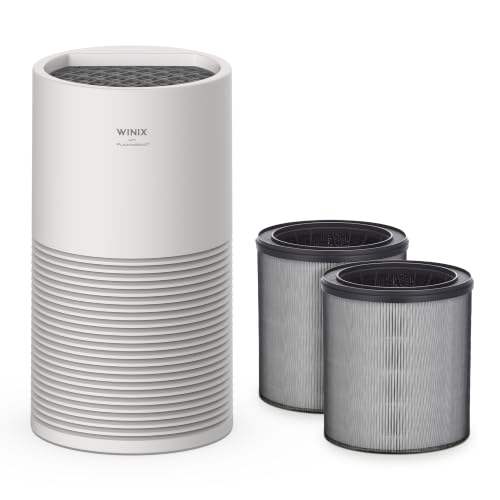
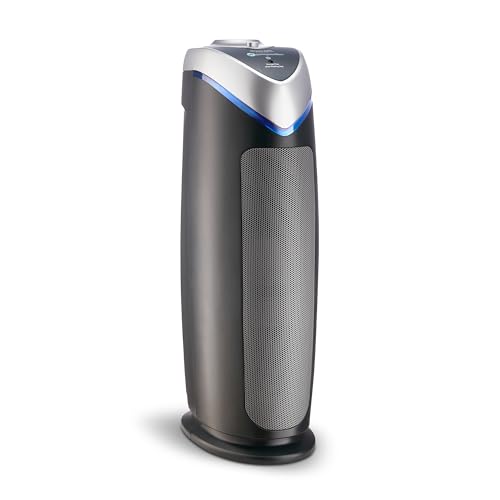
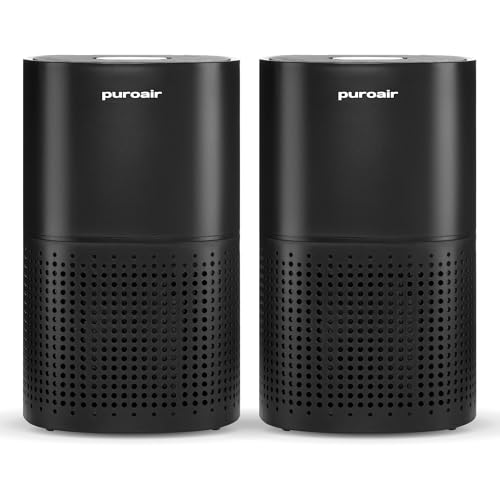
You will learn which features reduce airborne dust in a lasting way and which extras add cost without catching a single extra particle. Use the comparison table below to spot strong CADR figures first, then read on for sizing and upkeep advice.



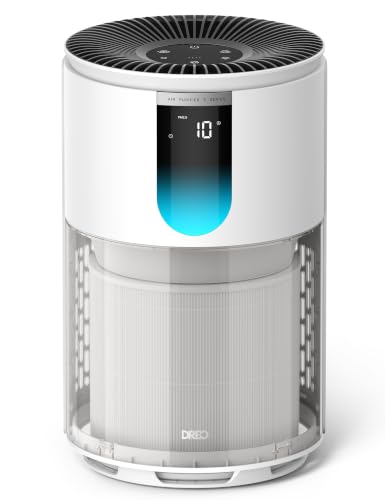
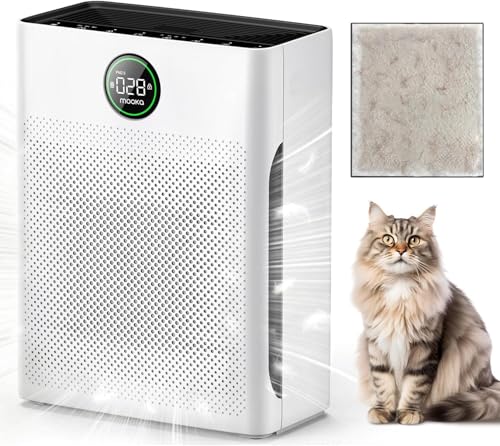


Buying Criteria by Budget
Treat the three profiles below as a checklist for any model in the product table above. Dust control rewards airflow and filter area more than clever extras, so judge each tier on those basics first.
Budget Profile
A budget dust choice suits one bedroom or a small study where the door can stay closed. Look for a True HEPA filter, a washable prefilter, and a CADR figure honest enough for that single room. Strengths include a low entry price and simple upkeep that takes minutes each month. The limit is reach, because airborne dust in the rest of the home stays untouched. This profile works well as a first unit for the room where dust bothers you most, such as where you sleep.
Midrange Profile
A midrange dust choice adds the airflow and automation that make a visible difference. Higher CADR covers larger bedrooms and living rooms, and an air quality sensor raises fan speed when cleaning, cooking, or foot traffic stirs dust into the air. Bigger filters last longer and hold more captured material. The strength is steady, hands off dust reduction in your main living space. The limit is that homes with several floors or many closed rooms may still need more than one unit for full coverage.
Premium Profile
A premium dust choice delivers high clean air output at speeds quiet enough for daily life. Large dual filters, strong seals, and detailed air quality feedback are typical at this level, along with app scheduling for busy households. This profile suits open plan areas, homes near busy roads, and anyone tired of dusting the same surfaces every few days. The strength is powerful cleaning without turbo noise. The limit is cost, both for the unit and for the large replacement filters it uses.
What Your Money Gets You at Each Price Tier
Budget Tier: What to Expect
Budget models usually cost about $80 to $200 and handle one modest room. Expect True HEPA filtration on the better models, manual speed controls, and a basic prefilter. Sensors are uncommon, and the highest speed may be too loud for a bedroom at night. This tier makes sense for a guest room, a nursery corner, or a first test of whether airborne dust is your main issue. You save money by accepting slower cleaning and a smaller zone of effect.
Midrange Tier: The Sweet Spot for Most Buyers
Midrange models usually cost about $200 to $450 and suit most homes best. CADR rises enough for real living rooms, automatic mode handles daily dust events without your input, and Energy Star efficiency keeps long running hours affordable. Filter life often stretches to six to twelve months. For dust specifically, this tier offers the clearest step up in results per dollar, because stronger airflow at quiet speeds means the unit stays on, and a purifier only helps while it is running.
Premium Tier: When Spending More Pays Off
Premium models often cost about $450 to $800 or more. Spending more buys airflow headroom, bigger filters that load more slowly, and quieter motors with better build quality. Some models report particle levels in detail, which helps you see dust events after vacuuming or opening windows. This tier pays off in large open spaces and dusty environments like homes under renovation nearby or houses with several pets. In small closed rooms, premium capacity mostly idles on low and adds little visible benefit.
Features Worth Paying For (and Ones to Skip)
Features That Matter for Removing Dust
Dust particles vary in size, but the fine fraction stays airborne longest and needs True HEPA filtration plus steady air movement. Prioritize dust CADR specifically, since makers publish separate CADR values for dust, pollen, and smoke, and the dust figure is the honest one for this job. A washable prefilter protects the main filter from the coarse dust and lint that would clog it early. For category background, see our guide to the best air cleaners and purifiers, which explains how filter types differ.
Smart Controls and Sensors
A particle sensor earns its cost in dusty homes because dust arrives in bursts. Vacuuming, shaking rugs, and kids running through a room all spike airborne levels, and automatic mode answers with a short speed increase, then settles back down. App alerts for filter life help busy households stay on schedule. Skip decorative light shows and fragrance features, which add price and sometimes add scent particles to the very air you are trying to clean.
Room Size and Coverage
Match the unit to one room at a time and aim for four to five air changes per hour in that space. Headline coverage claims often assume only one or two changes per hour, which leaves dust plenty of time to settle onto surfaces before the fan can catch it. Measure your room, compare dust CADR, and size up if the room has high ceilings. General whole house shoppers can also see our guide to the best home air purifiers for how room by room planning usually beats one oversized purchase.
Energy Efficiency and Operating Cost
Dust control works best with long daily run times, so efficiency matters more here than in seasonal use. Most purifiers draw about 30 to 70 watts on common settings, and Energy Star models deliver more clean air for each watt. Monthly electricity cost is typically a few dollars per unit. Automatic mode reduces waste by slowing down once the room is clean. When you compare two finalists, filter price per year will separate them far more than electricity ever will.
Long Term Costs to Factor In
Replacement HEPA filters are the main cost, often about $40 to $120 per change, every six to twelve months depending on dust load. Prefilter washing is free but takes a few minutes monthly, and skipping it quietly shortens the main filter life. Homes with heavy dust from pets, carpets, or nearby traffic should budget for the shorter replacement interval. Check warranty length and confirm spare filters are stocked by more than one seller. A unit that seems cheap can turn expensive if its filters are rare or priced high.
Air Purifiers: Your Questions Answered
What features matter most in air purifiers for removing dust?
A high dust CADR, True HEPA filtration, and a washable prefilter matter most. That trio captures fine dust, moves enough air to catch it before it settles, and keeps the main filter working for its full life. If dust in your home comes with damp or musty rooms, our guide to the best air purifiers for mold and dust covers the added checks that situation needs.
Do air purifiers really work for removing dust?
Yes, they remove airborne dust effectively, and you will usually see slower dust buildup on surfaces near the unit within a week or two. They cannot pull dust out of carpets, bedding, or upholstery, so regular vacuuming with a sealed HEPA vacuum remains important. Think of the purifier as catching dust while it floats, and cleaning as removing the dust that already landed.
Is an air purifier for dust expensive to run 24/7?
No, running one unit all day is generally inexpensive. A typical draw of about 30 to 70 watts often costs a few dollars per month, varying with your local rate. Dust control actually rewards constant running, because dust gets stirred up at random times, and a unit on automatic mode is already there to respond when it happens.
Where is the best place to put an air purifier for dust control?
Place it in the room where dust bothers you most, with clear space around the intake and outlet. Bedrooms and living rooms usually give the best return because you spend long hours there. Keep it away from corners and heavy curtains. A practical trick is to run it on a higher speed while you dust and vacuum, since cleaning stirs particles into the air where the purifier can finally catch them.
How often should I replace the filter in a dust air purifier?
Expect six to twelve months from a HEPA filter, with dusty homes landing near the shorter end. Monthly prefilter cleaning is the habit that protects that lifespan. If you are also concerned about allergens living in bedding and carpets, our guide to the best air purifiers for dust mites explains the extra steps involved. Replace the filter when airflow drops or the surface looks heavily loaded, even if the indicator light has not yet changed.
Final Thoughts
For dust, buy airflow and filtration first: strong dust CADR, a True HEPA filter, and a prefilter you will clean monthly. Midrange models give most homes the best results per dollar, and premium power suits large, open, dusty spaces. Revisit the product table above, and if you want a closely related comparison, our guide to the best air purifiers for removing dust uses the same criteria from another angle. Choose the best air purifiers for removing dust option that matches your main room, and run it daily so dust gets caught while it is still in the air.