Best Air Purifiers For Smoke And Dust 2026
Disclosure: We may earn a commission when you buy through links on this page, at no extra cost to you. As an Amazon Associate I earn from qualifying purchases. Learn more

Compare best air purifiers for smoke and dust by activated carbon for odours, particle filtration for fine dust, and airflow for the room size to help you.
Smoke and dust look like one problem but behave like two. Dust and smoke particles are solids that a True HEPA filter can trap, while smoke odor is made of gases that need activated carbon. This guide to the best air purifiers for smoke and dust explains how to pick a unit that handles both, from cooking smoke and fireplace ash to the fine dust that settles on shelves.
The product table lists models with HEPA and carbon filtration. Use the sections below to size the unit, judge the filters and plan the running cost.



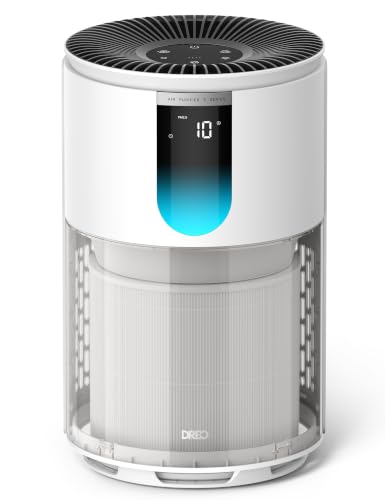
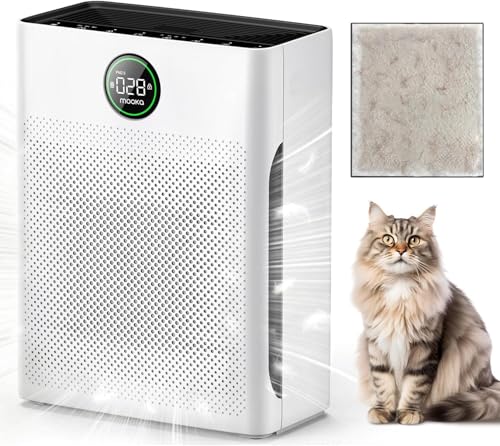


What a Smoke and Dust Purifier Has to Do
Smoke particles are much smaller than ordinary household dust, often well under one micron, so they pass through basic mesh filters. A True HEPA filter is designed to capture particles down to 0.3 microns, which covers most smoke and fine dust. Odor is a separate job: smoke smell comes from gases that only a decent bed of activated carbon can absorb.
That is why a HEPA only unit can clear the haze and still leave the room smelling of smoke, and why a unit with a thin carbon sheet fades quickly after heavy smoke. For a combined job, look for both a True HEPA filter and a carbon layer that you can judge by weight or thickness.
Key Features for the Best Air Purifiers for Smoke and Dust
Smoke and Dust CADR
The clean air delivery rate is listed separately for smoke, dust and pollen. Read the smoke figure first, because it is usually the lowest and the best guide to fine particles. A smoke CADR of at least two thirds of your room area in square feet is a good starting point.
Carbon Depth
Ask how much carbon the filter holds. A filter with several ounces or pounds of carbon keeps absorbing smoke odor far longer than a thin treated sheet.
Washable Prefilter
Dust, lint and pet hair clog the main filter early. A washable prefilter that you rinse each month protects the HEPA layer and cuts filter costs.
Air Quality Sensor
A particle sensor with auto mode raises the fan when you cook or when dust is stirred up, then slows down again. It saves noise and power compared with running on high all day.
Different Smoke Sources, Different Needs
Cooking smoke is the most common household source. It mixes grease aerosols with odor gases, so a washable prefilter and a decent carbon layer matter most, and the unit works best close to the kitchen but away from the stove. Fireplace and wood stove smoke adds fine ash and soot that load the HEPA filter quickly, so a strong dust CADR and a spare filter are worth having.
Wildfire smoke arrives in long episodes. Keep doors and windows closed, run the unit continuously in the room where you spend the most time, and size up so the fan can work on a medium speed for days. Tobacco smoke leaves the heaviest odor in fabrics, so expect to change the carbon more often and to clean soft furnishings alongside running the purifier.
Everyday dust needs less capacity but steady running. Dust returns within a day of cleaning because it is stirred up by walking, bedding and open windows, and a purifier on auto mode catches it while it is still airborne.
Room Size and Placement
Measure the room and aim for four to five air changes per hour when smoke is the main concern. A unit rated for twice your room area can hit that rate on a medium speed, which keeps noise down. For open plan spaces count the whole connected area, or use two units at opposite ends.
Keep at least a foot of clear space around the intake and outlet. Place the unit in the room where smoke or dust is worst, away from corners and heavy curtains. Keep it a few feet from stoves and fireplaces so heat and grease do not shorten filter life.
Running Costs and Filter Changes
Electricity for a home purifier is usually a few dollars a month. Filters are the bigger cost. A True HEPA filter commonly lasts six to twelve months, but smoke saturates the carbon layer sooner, so plan for the shorter end if smoke is frequent. Add a full year of filters to the purchase price when you compare models. Your nose is a useful signal: if smoke smell returns quickly after the unit has been running, the carbon is probably spent.
Common Mistakes to Avoid
- Choosing HEPA only. It clears particles but leaves most smoke odor behind.
- Buying by the largest coverage claim. Compare CADR, not square feet on the box.
- Using ozone or ionizer features as the main cleaner. Ozone can irritate the lungs, so look for models that state they produce no ozone.
- Opening windows during smoky periods. Outdoor smoke refills the room faster than the filter can clear it.
- Forgetting the prefilter. Dust loads it quickly, and a clogged prefilter cuts airflow.
An air purifier does not replace leaving a smoky building or seeking medical care for breathing difficulty. Ask your doctor about any health concerns.
Related Guides
For wider comparisons see our guide to the best air cleaners and purifiers and the best home air purifiers. Readers focused on odor can read the best smoke removal air purifiers, and damp homes may prefer the best air purifiers for mold and dust.
Frequently Asked Questions
Can one air purifier handle both smoke and dust?
Yes, if it combines a True HEPA filter with a real activated carbon layer and a CADR matched to the room. HEPA handles the particles and carbon handles the odor.
What size air purifier do I need for smoke?
Choose a smoke CADR of at least two thirds of the room area in square feet, and size up when smoke is frequent so you can run the fan on a quieter speed.
How often should I replace the filters?
Expect six to twelve months for HEPA and often sooner for carbon in smoky homes. Rinse the prefilter monthly and follow the manufacturer's instructions.
Will an air purifier remove smoke smell from furniture?
It cleans the air, not fabrics. Smoke stored in carpets, curtains and upholstery keeps releasing odor for weeks, so wash or air out soft furnishings as well.
Is it expensive to run all day?
No. Most units use about as much power as a light bulb on medium speeds, so daily running usually costs a few dollars a month.
Final Thoughts
Pick a True HEPA unit with real carbon, check the smoke CADR against your room size, and budget for filters. Following those checks gets you the best air purifiers for smoke and dust without paying for features that do not help, and the product table above makes comparing candidates quick.