Best Air Purifiers for Virus: A First Time Buyer's Guide for 2026
Disclosure: We may earn a commission when you buy through links on this page, at no extra cost to you. As an Amazon Associate I earn from qualifying purchases. Learn more

Learn how to choose the best air purifiers for virus with this beginner buying guide covering filtration, room size, noise, and filter costs.
Buying your first air purifier can feel confusing because every box lists different numbers and filter names. This guide walks you from the basics to a confident choice, so you understand what matters before you spend money. If you are shopping for best air purifiers for virus protection in a bedroom, office, or living room, start with filtration and room size, then look at noise and running costs.
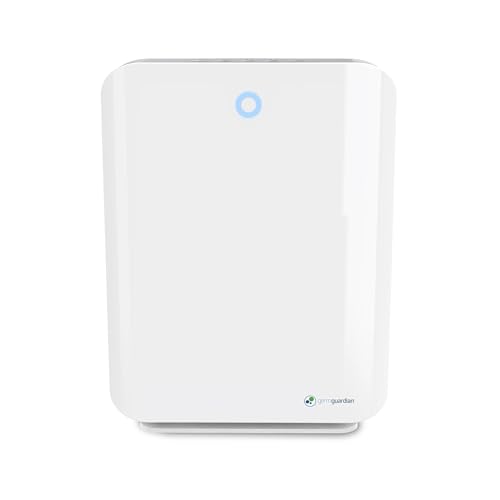
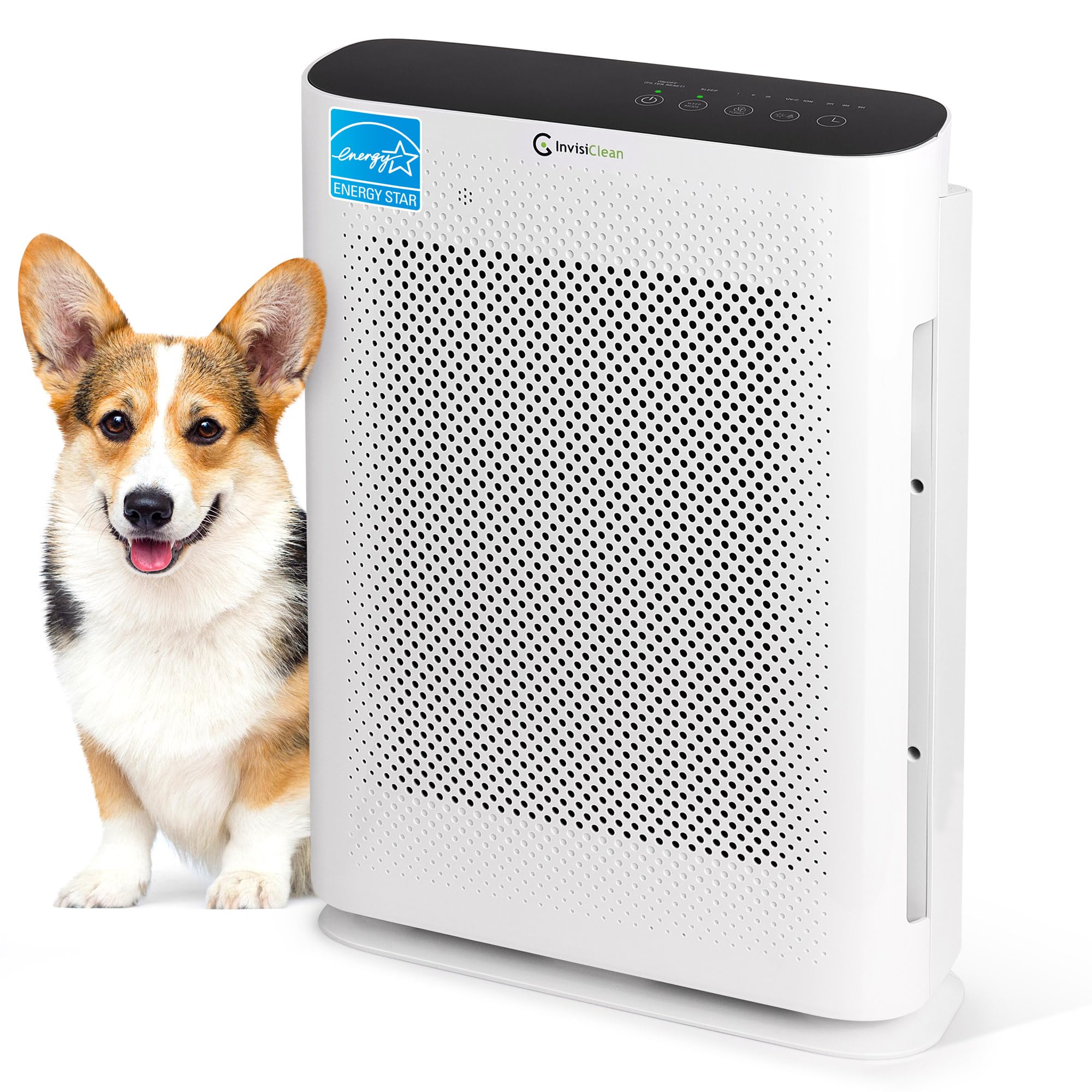
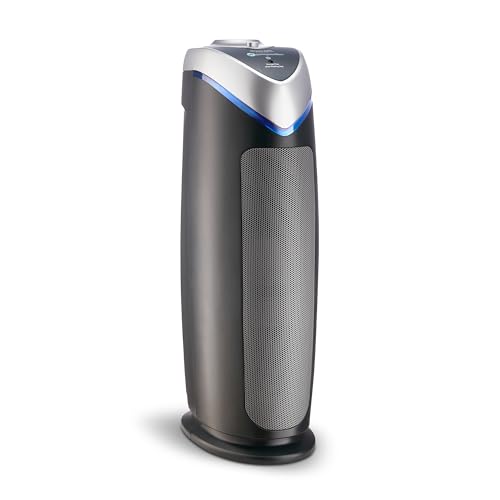
You do not need to learn engineering terms to choose well. You only need to match a few plain specs to your room and your daily habits. Use the comparison table below to see how models differ on coverage and features, then use the sections that follow to judge which differences actually matter for you.




Air Purifiers 101: The Basics
An air purifier pulls room air through one or more filters with a fan, traps particles inside those filters, and sends cleaner air back into the room. It works in a loop, so the longer it runs and the better it matches your room size, the cleaner the air becomes over time. It does not bring in fresh air from outside and it does not replace cleaning or ventilation.
For virus concerns, the key idea is capture. Virus particles often travel on tiny droplets and aerosols, and a good filter can trap many of those particles as air passes through. No home purifier can promise complete protection, and a purifier is only one layer alongside ventilation and everyday hygiene. Think of it as a tool that lowers particle levels in a closed room when it runs steadily.
Most units use a prefilter for dust and hair, a main particle filter, and often a carbon filter for odors. The prefilter protects the main filter and extends its life. The carbon layer does little for particles but helps with cooking smells and stale air. Understanding those roles helps you ignore marketing extras and focus on the filter that does the main work.
Key Specs Explained in Plain English
Features That Matter for Virus
Look for True HEPA filtration as your starting point. True HEPA means the filter is built to capture very small particles, including many of the droplets that carry viruses through indoor air. Avoid vague labels that only say HEPA type or HEPA style without clear detail. A sealed system also matters, because air that leaks around the filter does not get cleaned. Check that the maker describes a fully sealed path from intake to filter to outlet, and plan to run the unit for several hours each day rather than in short bursts.
Room Size and Coverage
Room size decides whether a purifier can keep up. Measure your room in square feet by multiplying length by width, then compare that number to the coverage the maker lists. Next look at CADR, which stands for Clean Air Delivery Rate and tells you how much filtered air the unit delivers. Higher CADR means faster cleaning. For virus concerns, aim for a unit that can change the air in your room about four to five times per hour on a setting you will actually tolerate. Buying a little extra capacity helps, because you can then run it on a lower and quieter speed.
Smart Controls and Sensors
A smart sensor watches air quality and can raise or lower fan speed on its own. That is useful when cooking, dust, or guests change conditions without you noticing. App control and scheduling let you start the unit before you come home or set it to run while you sleep. These features add convenience, but they do not replace good filtration. Choose sensors and controls only after the filter and CADR fit your room. A simple timer and a clear filter change light often cover the needs of most first time buyers.
Noise Level and Sleep Mode
Noise is listed in decibels, written as dB, and lower numbers mean quieter operation. A bedroom unit should feel soft enough on its sleep setting that you can fall asleep without raising your voice or turning up a podcast. Many people find the lowest setting fine for sleep but too slow for quick cleaning, so a useful pattern is to run a higher speed before bed and then switch down. Place the unit a few feet from your pillow, because distance lowers the sound you hear and improves air flow around the intake.
Energy Efficiency and Operating Cost
Running cost has two parts, electricity and replacement filters. Look for ENERGY STAR labeling as a sign the unit uses power wisely for the air it cleans. Check the watt use on the speed you plan to use most, not only the maximum speed. Filter cost often matters more than electricity over a year, so note the price and life of each replacement filter before you buy. A low purchase price can become expensive if filters are costly or need changing every few months in a dusty home.
Safety Features
Safety starts with basic electrical and build checks. Look for UL or ETL listing, which shows the unit met independent safety standards, and AHAM verification when available for CADR claims. Features such as tip over shutoff and overheat protection add peace of mind, especially in homes with children or pets. Avoid units that produce ozone as a cleaning method, and follow the manual for cord placement and clearance. Keep the unit on a flat floor surface, away from water, and never block the intake or outlet with curtains or furniture.
How to Choose the Best Air Purifiers for Virus for Your Room
Start with your room, not with a feature list. Write down the square feet, ceiling height if it is unusually high, and whether the door stays closed most of the time. A closed bedroom is easier to clean than an open plan living area that connects to a kitchen and hallway. If your space is open, you may need a larger unit or two smaller units placed where people sit and sleep.
Next, decide where the unit will run the most hours. A purifier only helps the room it sits in, so the bedroom and the main work area usually give you the most benefit. If you move between rooms all day, a portable unit with a handle and a modest weight can help, but moving it often means it runs less in each place. Many households do better with one steady unit in the bedroom first, then add a second later if needed.
Finally, check the full ownership picture before you decide. Confirm filter availability, filter price, and the return window in case the noise bothers you. For a wider view of general home options, see our guide to the best home air purifiers and compare how whole home needs differ from a single room. If your main concern is a specific illness season, you can also read our guide to the best air purifiers for covid virus for related placement advice.
Rookie Mistakes to Avoid
- Buying too small for the room. A compact unit in a large living room will run hard and still leave particle levels high. Match CADR to your square feet first.
- Trusting filter labels without detail. Vague HEPA wording can hide a weaker filter. Look for True HEPA and a sealed system description.
- Forgetting filter costs. A bargain unit with pricey filters can cost more over two years than a mid priced unit with longer filter life.
- Placing the unit in a corner behind furniture. Blocked intake slows cleaning. Leave clear space on all sides as the manual directs.
- Running it only when air feels dusty. Virus carrying particles are invisible. Steady running in occupied rooms works better than short bursts.
Getting Started: Setup and First Use
When your unit arrives, remove all plastic wrapping from the filters inside before you turn it on. Many first time owners miss this step, and a wrapped filter cannot clean air at all. Place the unit on the floor near the center of activity in the room, with clearance around the intake and outlet. Keep doors and windows closed while running it when outdoor air is smoky or polluted, because open windows bring in new particles faster than the unit can remove them.
Run the unit on a higher speed for the first hour to bring particle levels down, then settle to the speed you can live with for long periods. Replace or clean filters on schedule, and vacuum the prefilter if the manual allows it. Wipe the exterior and the sensor lens gently as directed, because dust on a sensor can trigger odd speed changes. Note the date you installed each filter on your calendar so replacement does not rely on memory alone.
If you want broader background on combined cleaning devices, our guide to the best air cleaners and purifiers explains how purifiers differ from other air cleaning approaches. For a simpler comparison of basic models, see our guide to the best air cleaners as well.
Air Purifiers: Your Questions Answered
What features matter most in air purifiers for virus?
True HEPA filtration and enough CADR for your room matter most. A sealed system keeps air from bypassing the filter, and steady running gives the unit time to cycle room air many times. Sensors and app controls help with convenience, but they cannot make up for a weak filter or a unit that is too small for the space.
What size do I need for my room?
You need a unit rated for at least your room size in square feet, with extra capacity if you can afford it. Extra capacity lets you use a quieter speed while still reaching about four to five air changes per hour. Measure the room, check CADR, and remember that open plan spaces need more capacity than the main seating area alone suggests.
Where is the best place to put it?
Place it on the floor in the room where you spend the most time, with clear space around the intake and outlet. Keep it away from corners, curtains, and large furniture that block flow. In a bedroom, a spot a few feet from the bed works well. Avoid placing it right next to a strong odor source if you want it to clean the whole room evenly.
Do air purifiers really work?
Yes, a well matched purifier lowers particle levels in a closed room over time. It traps particles on its filter as air passes through, so results depend on filter quality, room size, and run time. It will not sterilize a room or replace ventilation and medical advice. Think of it as one useful layer that works best when it runs steadily in the room you occupy.
How often should I replace the filter?
Replace the main filter on the schedule in the manual, often every six to twelve months for typical home use. Homes with pets, dust, or smoke may need changes sooner, and a filter light or a drop in performance can signal the time. Using a clogged filter forces the fan to work harder and lowers cleaning speed, so set a reminder when you install a new filter.
Is it expensive to run 24/7?
No, most home purifiers use modest power on low and medium speeds, similar to a small fan or a bright bulb. Electricity cost is usually far lower than the cost of replacement filters over a year. Running around the clock on a low speed in a bedroom is common, and an ENERGY STAR model helps keep that ongoing cost in check.
Our Verdict
For a first purchase, put filtration first, size second, and noise third. A True HEPA unit with enough CADR for your room, run steadily with doors closed, will do more for you than extra lights or app features. Check filter price and availability before you buy, and use the product table above to compare coverage and costs side by side. When those basics line up, best air purifiers for virus shopping becomes a simple match between your room and a unit built to clean it well.