Best Air Purifiers for COVID 19: Matching the Right Model to Your Routine for 2026
Disclosure: We may earn a commission when you buy through links on this page, at no extra cost to you. As an Amazon Associate I earn from qualifying purchases. Learn more

Learn how to choose the best air purifiers for COVID 19 by matching filtration, airflow, noise and room size to your routine and budget.
There is no single purifier that suits every home, because a bedroom used by someone isolating, a family living room, and a small office each need different airflow and noise levels. This guide matches the best air purifiers for COVID 19 features to real routines, so you can choose by use case rather than by the biggest claim on the box. You will see who needs strong filtration, who can save money, and where placement makes the biggest difference.
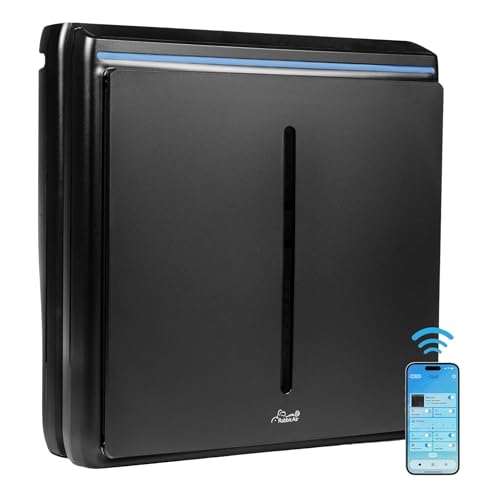
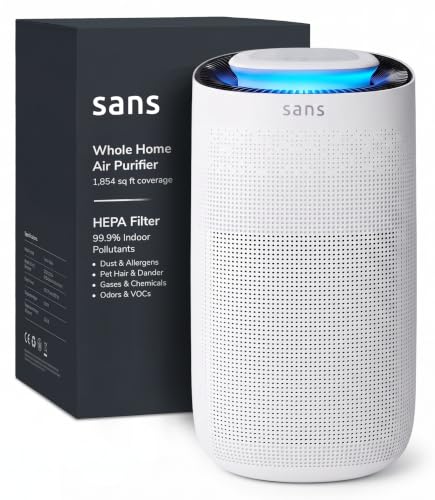
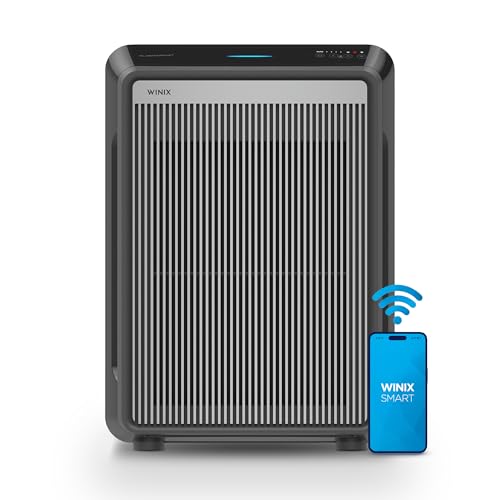
One point needs to stay clear from the start. A purifier can lower the amount of airborne particles, including tiny droplets and aerosol particles that may carry virus, but it cannot prevent infection on its own. Ventilation, staying home when ill, and following current guidance from health authorities remain essential, and the comparison table below is a tool for the filtration part of that plan.



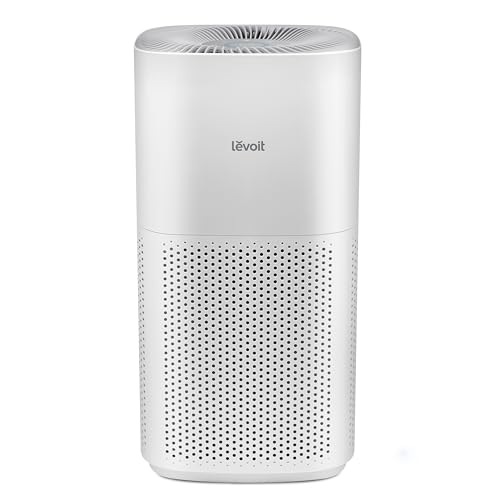
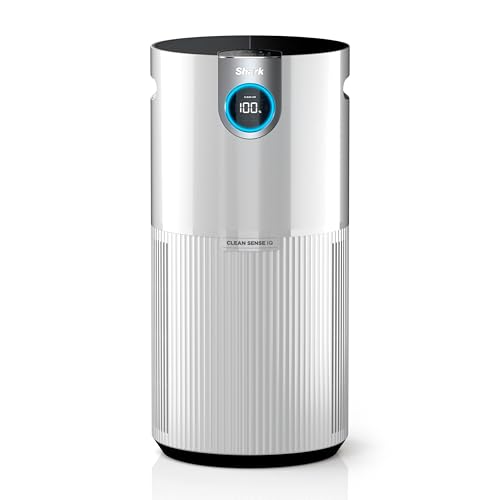
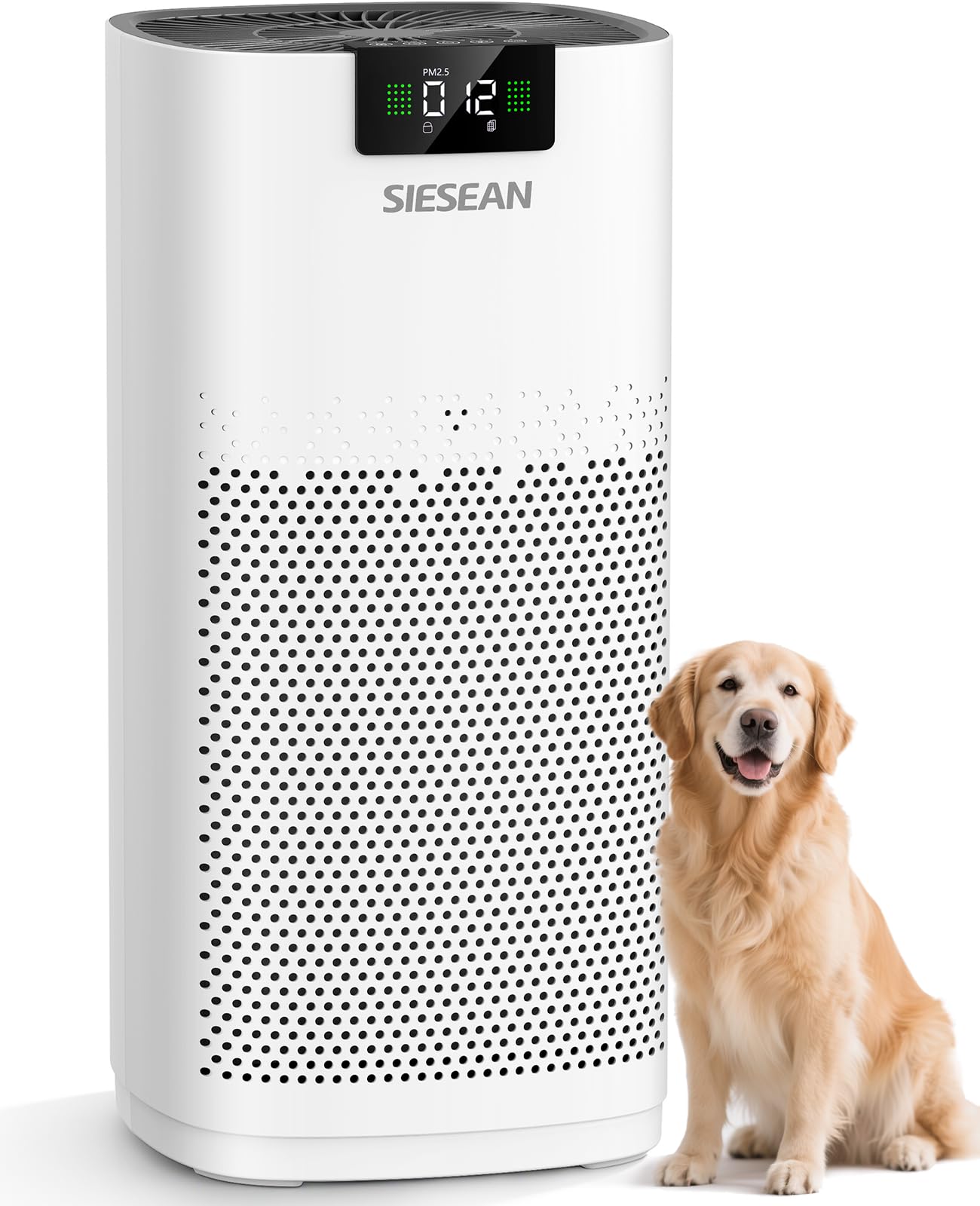
Who Should Buy Which Air Purifiers?
Start with your routine, not with a feature list. The four buyer types below cover most homes, and your answers about room size, sleep, and budget will point you toward the right class of unit.
For First Time Buyers
If this is your first purifier, favor simple controls, a clear filter change indicator, and sizing guidance you can verify with CADR figures. A midsize portable unit with True HEPA filtration and an auto mode covers a bedroom or small living area without a steep learning curve. Skip exotic extras until you know your basics. Our broader guide to the best home air purifiers is a useful companion if you are still deciding which room deserves the first unit. Reliability and in stock replacement filters matter more for you than app features.
For Value Seekers
Value comes from total cost over several years, not the lowest shelf price. Compare the purchase price with HEPA filter prices, filter life, and electricity use, because a bargain unit with short lived, costly filters loses its edge fast. A carbon stage is worth paying for only if odors or smoke are real issues in your home. Look for standard sizes with widely available filters, and avoid oversizing wildly for a small room, since you pay for airflow you will never use. Durable fans and a solid warranty protect the value case further.
For People Who Want the Best Performance
Performance buyers should chase high CADR, a sealed True HEPA housing, and enough capacity to deliver five or more air changes per hour in the target room. That level of turnover is what lowers airborne particle levels quickly after someone coughs, cooks, or comes in from outside. Smart sensors that raise fan speed automatically when particles spike add real value here, as does a large carbon stage for shared spaces. Expect higher prices, larger cabinets, and more noise on top speed. Place the unit where its airflow can actually circulate, or the extra capacity goes to waste.
For Gift Shoppers
A purifier makes a practical gift for a student, a new parent, or a relative working from home, as long as you size it to their room and keep it simple. Choose a quiet model with plain controls, a clean design, and filters that are easy to order, and include the first replacement filter if your budget allows. Check the return policy in case the size is wrong, and confirm the warranty terms before you buy. Avoid gifting a unit with strong extra features like ionizers that the recipient may not want near sensitive lungs.
Key Features to Compare
With your buyer type in mind, compare the features below. Each one links to a daily routine, so you can judge whether it earns its cost in your home.
Smart Controls and Sensors
A particle sensor watches indoor air quality and, in auto mode, raises or lowers fan speed as conditions change, which is handy when cooking, cleaning, or a gathering raises particle levels. App control and schedules help if the unit sits in a room you do not enter often, and WiFi models can send filter alerts to your phone. These tools only help if the underlying filtration is strong, so treat them as a convenience layer over HEPA media and solid CADR. If you prefer simple dials, a manual unit you actually run beats a smart one left in a confusing mode.
Features That Matter for COVID 19
For virus related concerns, fine particle capture and air turnover are the heart of the matter. True HEPA media captures the small aerosol sized particles that can carry virus, and high CADR with four to five or more air changes per hour steadily lowers what builds up in a shared room. UV lights and ionizers are secondary at best, and ozone producing features should be avoided because ozone irritates lungs. Readers comparing closely related guidance may also find our guide to the best COVID air purifiers helpful. Remember that filtration supports, but never replaces, fresh air ventilation and medical advice.
Installation and Placement
Portable units need no installation, which makes them easy to move between a bedroom during illness and a living room during recovery. Place the purifier in the room where people spend time together or where someone is isolating, with clear space around the intake and outlet. Leave clearance around intake and exhaust, and keep it off thick carpet if the design draws air from below. Do not hide it behind furniture, because blocked airflow can cut cleaning power sharply. If someone in the home is ill, positioning the unit near, but not blowing directly at, the resting area is a sensible balance.
Room Size and Coverage
Coverage ratings in square feet assume a certain number of air changes per hour, and for virus concerns more turnover is better than the minimum used for dust alone. Measure your room, then choose a unit whose CADR supports about five air changes per hour in that space, which usually means a rating above your actual room size. AHAM guidance offers a simple check, where the smoke CADR should be at least two thirds of the room area in square feet. Large open plan spaces may need two units at opposite ends rather than one unit in a corner. For room by room planning, our guide to the best room air purifiers for COVID goes deeper on placement by space.
Common Mistakes to Avoid When Buying Air Purifiers
- Judging by price alone. Cheap units with weak CADR or pricey filters disappoint quickly in a shared room.
- Ignoring smart controls and sensors. Auto mode keeps cleaning responsive overnight and when you are busy, rather than fixed at one speed.
- Buying the wrong size. An undersized unit cannot turn the air over fast enough, while a huge unit in a tiny room wastes money and space.
- Skipping the warranty check. Fans run for thousands of hours, so confirm coverage length and filter availability before you buy.
- Treating filtration as total protection. A purifier lowers particle levels but does not stop close contact spread or replace ventilation.
Tips to Get the Most From Your Air Purifier
Run the unit continuously in occupied rooms during periods of illness at home, using auto mode or a steady medium speed rather than short bursts. Replace or clean filters on schedule, because a loaded HEPA filter passes less air and cleans more slowly. Keep doors and windows closed while running it when outdoor air is smoky or pollen heavy, but open windows for fresh air at other times when guidance and weather allow, since ventilation and filtration work best as partners. Wipe dust from the intake grille weekly so airflow stays strong.
Watch for warning signs that need care rather than cleaner air. Trouble breathing, chest pain, confusion, or lips that look pale, gray, or blue are reasons to seek medical help promptly. Talk with your clinician about personal needs, especially for household members who are older, pregnant, or living with lung or immune conditions.
Frequently Asked Questions
What features matter most in air purifiers for COVID 19?
True HEPA filtration and high air turnover matter most, because together they capture fine aerosol particles and clear room air several times each hour. A sealed housing prevents leaks around the filter, and auto mode helps the unit respond when occupancy rises. Extra light based features add little by comparison. Spend first on CADR sized for your room, then on sensors and controls.
Where is the best place to put an air purifier for COVID 19 concerns?
Put it in the room where people gather, or where a sick person is resting, with open space on all sides. Floor placement near the center of activity, but out of walkways, lets air circulate through the whole room. Avoid corners and closets, where turnover drops. If the unit serves a bedroom at night and a living room by day, moving it is fine as long as filters stay seated.
Do air purifiers really work against airborne virus particles?
They reduce airborne particle levels, including the droplet and aerosol sizes that can carry virus, but they cannot guarantee protection from infection. Each pass through True HEPA media captures a large share of fine particles, so concentration falls while the unit runs. Distance, ventilation, and staying home when sick still matter. Think of filtration as lowering risk in a room, never as removing risk entirely.
How often should I replace the filter in an air purifier used during COVID illness?
Follow the maker schedule, usually every six to twelve months for a HEPA filter, and check sooner after heavy use during illness at home. A clogged filter slows airflow, which directly cuts air changes per hour. Clean the prefilter more often, since it catches the coarse dust that loads first. If airflow feels weak or the indicator light is on, change the filter rather than waiting for a calendar date.
Is it expensive to run an air purifier 24/7?
Most home units cost a modest amount to run, similar to a small fan, with higher draw on turbo speed. Continuous running on medium often costs less over a month than many owners expect, and ENERGY STAR rated models help. Check wattage against your local rate for a firm estimate. Oversized units cleaning well at lower speeds can be cheaper to live with than small units stuck on high.
What size air purifier do I need for a room during COVID concerns?
Size for about five air changes per hour, which usually means a unit rated above your room area in square feet. Use the smoke CADR figure and the two thirds rule from AHAM as a cross check. Bedrooms suit midsize units, while large family rooms may need a large unit or two smaller ones. When in doubt, sizing up gives you cleaning headroom at lower, quieter speeds.
Final Thoughts
Match the unit to your routine first, then confirm True HEPA filtration and enough CADR for five air changes per hour in your room. Let sensors and app controls serve that core job, and keep filter costs in view from day one. Compare your shortlist in the product table above, and choose among the best air purifiers for COVID 19 options with those checks in hand. If you need a unit you can move between rooms, our guide to the best portable air purifiers for COVID covers that flexible style, and our overview of the best air cleaners and purifiers can help you confirm the general type before you buy.