The Best Air Purifiers for Smoke Odor: Buying Guide and Top Picks for 2026
Disclosure: We may earn a commission when you buy through links on this page, at no extra cost to you. As an Amazon Associate I earn from qualifying purchases. Learn more

Use this buying guide to choose the best air purifiers for smoke odor, with clear advice on carbon filters, CADR, room size, noise, and running costs.
Smoke odor is stubborn because it is not one thing: it is fine particles plus a mix of gases that cling to air long after the visible haze clears. A purifier built only for dust will move that smell around without removing it. This guide shows you how to choose the best air purifiers for smoke odor by focusing on carbon weight, honest coverage, and running costs, with the comparison table below as your shortlist.
You will learn which specifications predict odor removal, which types suit which rooms, and how to keep the unit working well for years.


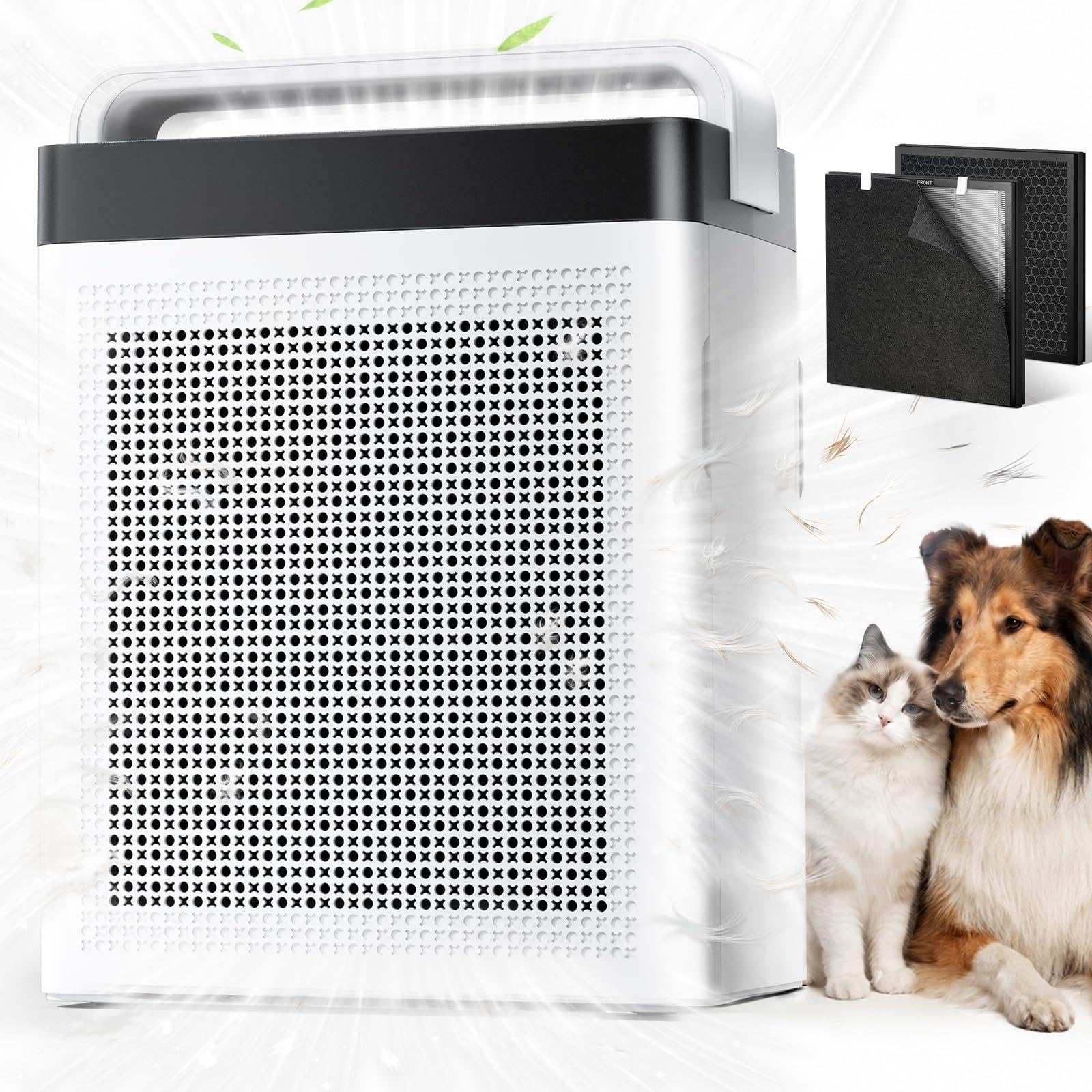
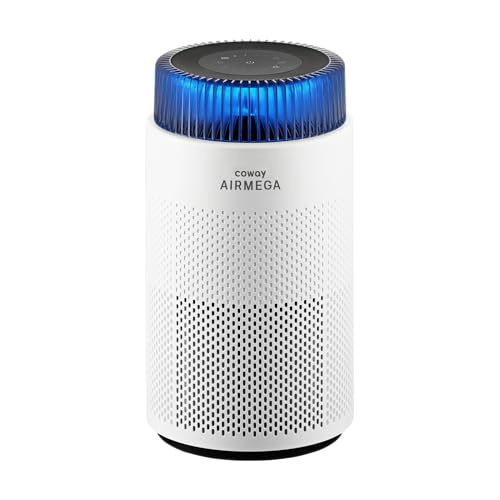
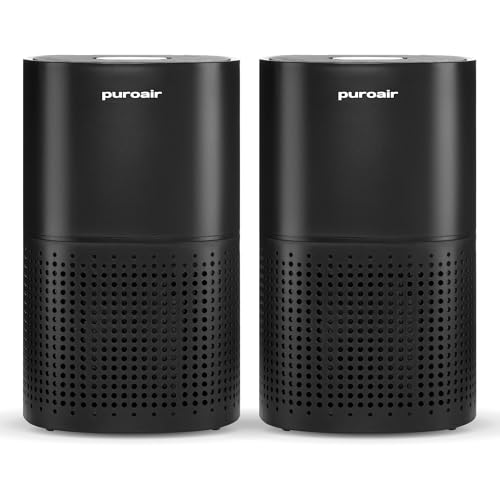

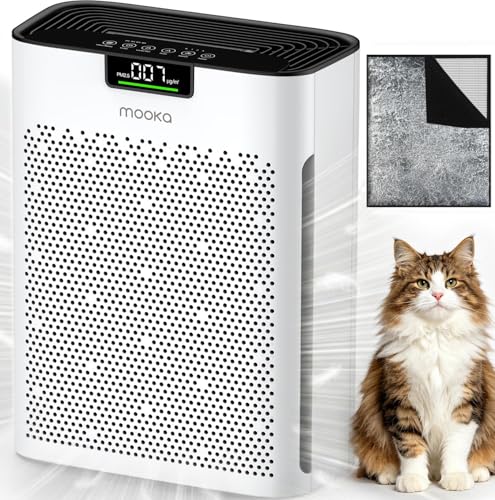
Our Top 3 Profiles at a Glance
These three profiles describe the kinds of units that handle smoke smell well at different budgets. Match your room and your smoke source to a profile, then check the product table above for units that fit.
Overall Profile
The overall profile fits a living room where fireplace smoke, cooking smoke, or tobacco smoke is a regular visitor. Look for several pounds of activated carbon, a True HEPA filter, and a smoke CADR that covers the room with headroom, usually around $250 to $400. It clears a noticeable smoke event within an hour or two of steady running. The limitation is bulk: strong odor control needs a big filter bed, and that means a unit with real floor presence.
Value Profile
The value profile suits bedrooms and smaller living spaces with occasional smoke, such as a wood stove used on weekends or a neighbor habit of grilling under your window. Prices around $130 to $200 buy a genuine carbon filter, though thinner than premium beds, plus proper HEPA filtration. Odor fades more gradually and carbon needs replacing sooner under frequent exposure. For light to moderate smoke duty in one closed room, this profile is where most buyers should start.
Beginner Profile
First time buyers often do best with a simple midsize unit that has automatic mode, a clear filter indicator, and controls that need no manual study. Around $150 to $220, these units sense rising particles and respond on their own, which suits people who will not fuss with settings. The trade off is flexibility: simple controls mean fewer manual options, and the carbon bed is midweight, so a heavy daily smoking room will overwhelm it. Start here if you want clean air without a new hobby.
How to Choose the Best Air Purifiers: Buying Guide
This is the core decision section. When you shop for the best air purifiers for smoke odor control, work through these seven checks in order, because the first two decide whether odor actually leaves the room.
Features That Matter for Smoke Odor
Activated carbon is the feature that removes smoke smell, because its vast internal surface traps odor gases that pass straight through a HEPA filter. Weight is the honest measure: look for carbon listed in pounds, or a thick carbon bed, rather than a scented sheet. Pellet or granular carbon outperforms thin pads, and some units accept a smoke focused replacement filter with extra carbon. Pair that with True HEPA filtration for the particles, and you cover both halves of smoke.
Room Size and Coverage
Odor control demands generous sizing, because gases need repeated passes through the carbon bed. Aim for 4 to 5 air changes per hour, which means choosing a unit rated for about twice your room area in square feet. A unit that barely matches the room will run loudly at full speed and still leave a background smell. Measure the room, note ceiling height, and treat connected open plan spaces as one large room.
Safety Features
Choose units with UL or ETL certification and AHAM verified ratings so the performance and electrical safety claims are checked by others. Tip over shutoff and overheat protection are sensible in homes with pets and children. Avoid ozone generating features entirely: ozone can irritate airways and adds a sharp smell of its own, which is the opposite of odor removal. If anyone at home has asthma and symptoms flare around smoke, talk with their clinician about exposure limits, since filtration reduces but cannot erase smoke exposure.
Performance Ratings (CADR, BTU, Pints/Day, CFM)
Read the smoke specific CADR figure, because makers publish separate ratings for smoke, dust, and pollen, and smoke is the hardest to clean. BTU and pints per day are ratings for cooling and dehumidifying appliances and have no place in this decision. CFM counts air moved before filtering, so it can make a weak filter look strong. CADR measured after filtration is the only headline number worth comparing across brands.
Noise Level (dB) and Sleep Mode
Smoke duty often means evening running in living rooms and overnight running in bedrooms, so noise decides whether the unit stays on. Look for a medium speed near or below 50 dB that still delivers most of the rated CADR. Oversized units are quieter in practice because they loaf on low while a small unit screams on high. Sleep mode with a dimmed display helps in bedrooms, but confirm it still moves meaningful air.
Smart Controls and Sensors
An air quality sensor that detects particles and ramps the fan automatically is genuinely useful for smoke, because smoke arrives in bursts when a door opens or a stove is lit. App control and scheduling matter less, though a timer that runs the unit hard for an hour after a smoke event is handy. Do not pay a premium for connectivity while accepting a thin carbon filter; spend on filtration first and controls second.
Energy Efficiency and Operating Cost
Most purifiers draw modest power, and ENERGY STAR certified models deliver more clean air per watt. Running costs are dominated by filters, and smoke work shortens carbon life, so include one to two carbon changes a year in heavy use when you compare totals. Auto mode trims both bills by slowing the fan once the air clears. Over three years, filter pricing often separates a bargain unit from an expensive one more than the sticker price does.
Types of Air Purifiers
Four types cover the market, and each handles smoke smell differently. Use this section to pick a type before you compare individual listings.
Small Room Units
Compact units for rooms up to about 200 square feet are cheap and quiet, but their carbon filters are small and saturate quickly under real smoke. They suit a bedroom with occasional drifting smoke. For daily smoke odor, they become a recurring disappointment, so size up if smell is your main complaint.
Portable Units
Portable midsize units on wheels or with handles move between the living room and bedroom as needed, which helps renters and anyone with one smoke source that shifts. They offer midweight carbon and decent CADR. The risk is human: a unit left in the wrong room cleans nothing, so portability only pays if you will actually move it.
Smart/WiFi Models
Smart models add sensors, app control, and automatic response to smoke bursts, and the better ones pair that with serious carbon beds. They cost more and need network setup. Choose them if you want the unit to react while you are busy or away, and confirm the filtration hardware justifies the price. Our guide to the best air cleaners and purifiers explains how these categories differ.
Large Room/Whole Home Units
Large units carry the deepest carbon beds and the highest CADR, making them the strongest choice for open plan homes and persistent smoke problems. They cost the most and take the most space, and their filters are pricier. For a home where smoke odor is a daily issue, this type is usually the honest answer rather than an upsell.
Picking the Right Air Purifiers for Different Uses
Most homes follow the profiles above, but one group of buyers asks about washable designs to cut filter costs. That option deserves its own honest look.
Best Washable Air Purifiers for Smoke Odor
If you are researching best washable air purifiers for smoke odor options, understand what washable really means: the prefilter, and sometimes a permanent particle filter, can be rinsed, but activated carbon cannot be washed and restored at home. Washing suits dust control and lowers running costs, yet smoke odor still depends on replaceable carbon that saturates over time. Choose a washable design for a low smoke home, and budget for carbon changes regardless. Readers comparing whole home coverage can also see our guide to the best home air purifiers.
How to Make Your Air Purifier Last Longer
A few habits protect both the machine and the carbon bed you paid for.
- Replace or clean filters on schedule, and vacuum the prefilter monthly so the main filters load slowly.
- Keep doors and windows closed while running during a smoke event, so cleaned air is not diluted by fresh smoke drifting in.
- Leave clearance around the intake and exhaust, at least a foot, so the unit breathes freely and the fan works less hard.
- Run the unit on auto rather than constant high, which extends fan and filter life while still answering smoke bursts.
- Wipe dust from the air quality sensor lens occasionally, because a dirty sensor misreads the room and responds late.
For smoke specific hardware guidance, our guide to the best smoke removal air purifiers is a helpful companion, and our guide to the best air purifiers for pet odors covers carbon care that applies to smoke as well.
Air Purifiers: Your Questions Answered
What features matter most in air purifiers for smoke odor?
Carbon weight and smoke CADR matter most, with True HEPA filtration close behind. One detail worth checking is whether the carbon is treated or blended for specific gases, since some blends target the acidic compounds in tobacco and wood smoke. Ask the maker what the replacement filter contains, not just what the original does.
What size do I need for my room?
Choose a unit rated for roughly twice your room area if smoke odor is the main job. Tall ceilings increase air volume, so a room with 10 foot ceilings needs more capacity than its floor area suggests. When torn between two sizes, the larger unit run on a lower speed is quieter and its carbon lasts longer.
Do air purifiers really work?
Yes, for airborne smoke and the smell it carries in the air, a well sized unit with deep carbon makes a clear difference within hours. It cannot pull odor out of sofa fabric, curtains, or walls that absorbed smoke over months. Launder or air out soft furnishings, or the room will keep reminding you of old smoke between purifier runs.
Is it expensive to run 24/7?
Electricity is rarely the problem; most units cost a few dollars a month even running daily. Filters are the real expense, and round the clock running in a smoky home can shorten carbon life noticeably. Auto mode is the practical compromise, giving fast response during smoke events and gentle running the rest of the time.
How often should I replace the filter?
Expect 6 to 12 months for HEPA and often 4 to 8 months for carbon under regular smoke exposure. Your nose is a reliable gauge: when the unit runs for an hour and the room still smells stale, carbon saturation is the likely cause. Note the install date on the filter frame so memory does not stretch the interval.
The Bottom Line
Smoke odor falls to carbon depth, honest smoke CADR for your room, and filters you can afford to change on time. Compare your finalists in the product table above, read our guide to the best home air purifiers for smoke for whole home layouts, and you will choose the best air purifiers for smoke odor removal that fits your home and habits.