Best Air Purifiers for Pet Odors 2026: A Fresh Home Guide
Disclosure: We may earn a commission when you buy through links on this page, at no extra cost to you. As an Amazon Associate I earn from qualifying purchases. Learn more

Learn how to choose the best air purifiers for pet odors, from filter types and room size to noise, running costs, and placement for fresher home air.
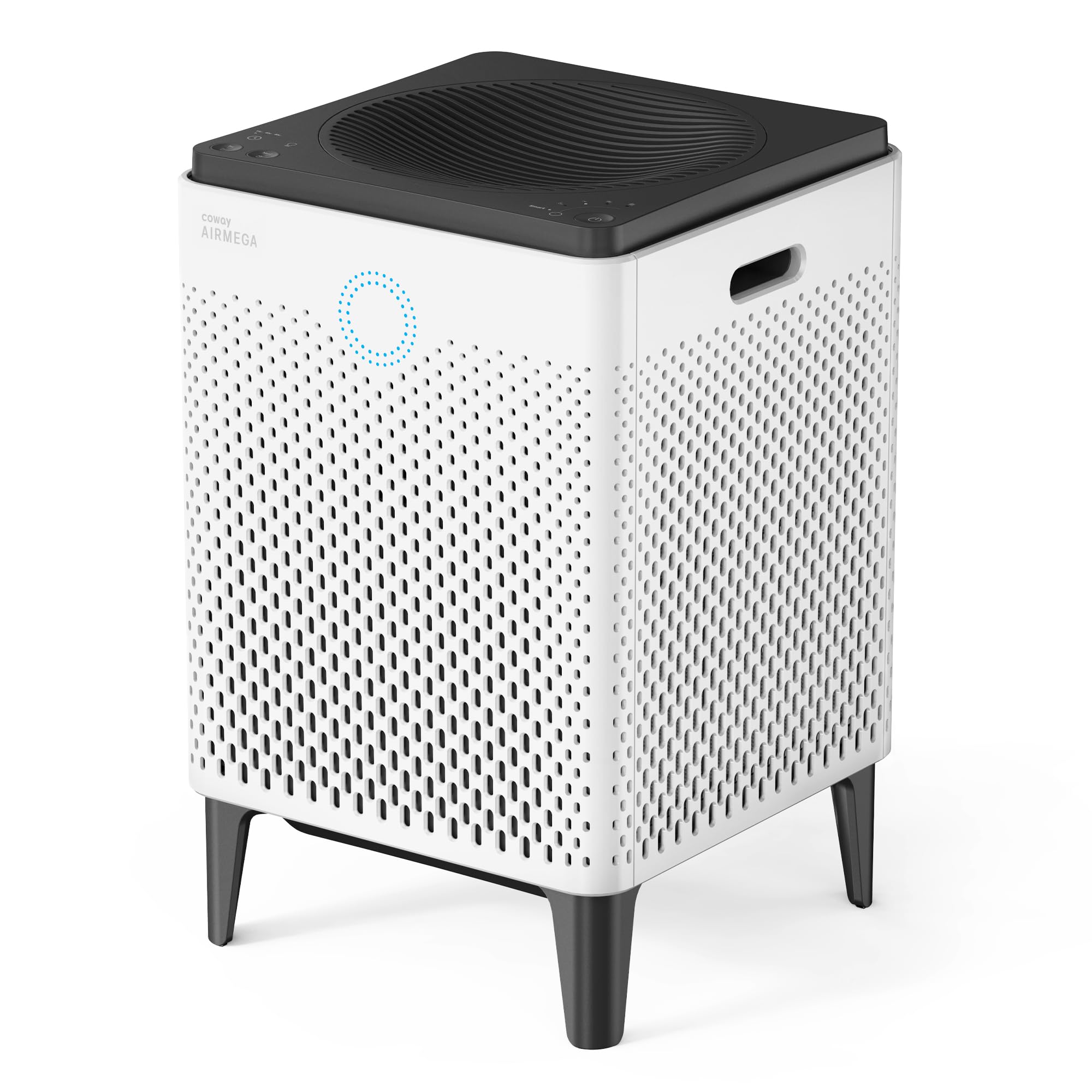
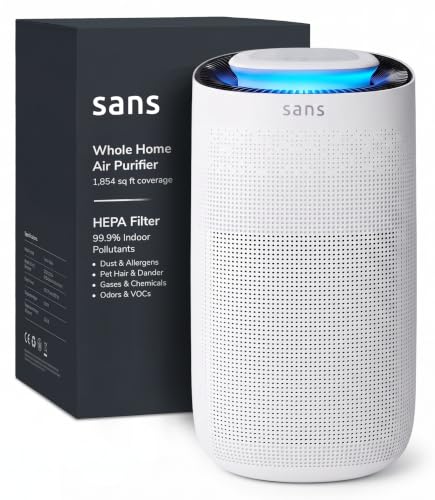
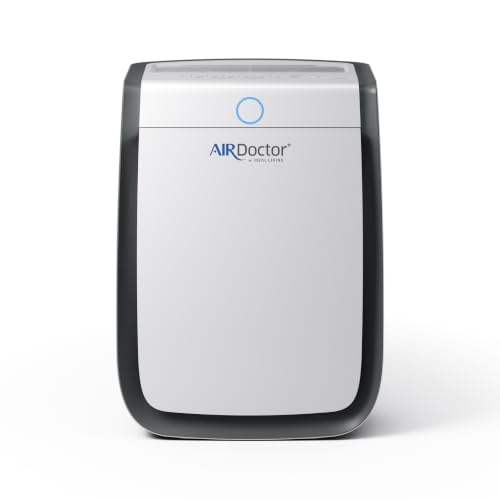
Pet odors can linger in carpets, furniture, and bedding even in a clean home, and an air purifier can help when chosen for the right job. A clear best air purifiers for pet odors guide explains which filters tackle smells, which only trap dust, and how room size affects results. The comparison table below gives a quick overview.
Odor removal differs from dust removal, since smells come from gases and tiny particles that need different filtration. This guide explains carbon filters, particle filters, room coverage, and maintenance in plain language, so you can choose a purifier that actually freshens your home rather than just moving air around.




How Pet Odors Work and What Filters Do
Pet odors come from skin oils, saliva, urine accidents, litter boxes, and bedding, and they settle into fabrics as well as floating in air. An air purifier can reduce airborne odor molecules and dander, but it cannot clean a soiled carpet or litter box on its own, so source cleaning remains essential. Combine purifier use with regular washing of bedding, vacuuming, and litter care for the best overall result.
Carbon filters adsorb odor gases onto a porous surface, which is why they help with smells while particle filters alone do not. Particle filters trap dander, hair, and dust, improving air quality for allergy sufferers, but they cannot remove gas odors by themselves. A purifier for pet odors needs both a substantial carbon stage and a good particle filter working together.
Room Size, Air Changes, and Placement
Room size coverage should match your actual room, not a headline claim based on a small test room or a high fan speed you will never use. Check the clean air delivery rate and the recommended room size at a quiet or medium setting, since a purifier that only covers your room on maximum speed will be too noisy for daily use. Larger rooms may need a larger purifier or two smaller units placed strategically.
Placement matters greatly, since a purifier hidden behind furniture or in a corner cannot circulate air effectively. Place it where air flows freely, near the odor source if possible, such as near a litter area or pet bed, but not blocked by curtains or furniture. Keep doors closed for faster odor reduction in one room, and run the purifier continuously at a low setting rather than in short bursts.
Noise, Running Costs, and Filter Life
Noise decides whether a purifier runs all day, since a loud machine on high speed will be switched off, defeating its purpose. Check noise levels at low and medium speeds, which are the settings you will use most, and look for a sleep mode for bedrooms. A quiet purifier that runs continuously cleans far more air than a powerful purifier that stays off because it annoys the household.
Running costs include electricity and filter replacements, and carbon filters for odors saturate faster than particle filters, especially in homes with multiple pets. Check filter prices and replacement intervals honestly, since a cheap purifier with expensive frequent filters can cost more over a year than a pricier model with longer lasting filters. Set calendar reminders for filter changes, since a saturated carbon filter stops removing odors even though the fan still runs.
Allergies, Asthma, and Health Notes
Air purifiers can reduce airborne dander and dust, which helps many allergy sufferers, but they cannot replace medical advice or medication for asthma and allergies. If breathing difficulty, wheezing, or persistent coughing worsens, seek clinician advice promptly, and keep rescue medication accessible as prescribed. A purifier is a household aid, not a medical device, and its limits should be understood clearly.
Avoid purifiers that intentionally produce ozone, since ozone can irritate lungs and worsen breathing conditions, especially for children, older adults, and people with asthma. Check for ozone free certification and avoid ionizer modes that generate ozone as a byproduct unless the maker clearly states safe levels. When in doubt, choose a simple carbon plus particle filter design without ozone features.
Choosing for Your Home and Pets
Match purifier size to your largest odor prone room, and consider a second unit for bedrooms if pets sleep there, since one purifier cannot clean a whole house effectively. Homes with multiple pets, litter boxes, or carpeted rooms need stronger carbon capacity and more frequent filter changes than a single pet home with hard floors. Count pets, rooms, and fabric surfaces honestly before choosing capacity.
Also consider pet safety, including stable placement that pets cannot easily tip over, protected power cables, and a design without small parts that curious pets can chew. Place the purifier where pets cannot block its intake with bedding or toys, and clean the pre filter regularly to remove trapped hair. A purifier that fits your pets routine will run daily and keep your home fresher.
Related guides include best air cleaners and purifiers, best air purifiers with pets, best home air purifiers, best air purifiers for homes with pets, and best air purifiers for pet allergies.
A Final Check Before You Buy
Before you order, identify the rooms where pet odors gather most, such as bedrooms where pets sleep, living rooms with carpets, and areas near litter boxes, then size the purifier for the largest of those rooms at a quiet fan speed. A purifier rated only at maximum speed will be too noisy for daily use, so it will sit switched off while odors build up again. Place the unit where air circulates freely, away from walls and furniture that block intake, and near the odor source when possible, since placement can matter as much as filter quality for real world results.
Compare filter replacement costs and intervals honestly, since carbon filters in multi pet homes saturate faster than marketing claims suggest, and a cheap purifier with expensive frequent filters can cost more over a year than a pricier model with longer lasting filters. Set calendar reminders for pre filter cleaning and carbon replacement, and notice when odors return despite the fan running, since that is the clearest sign that carbon has saturated. A purifier maintained on schedule keeps working quietly in the background, while a neglected purifier merely circulates stale air.
Finally, combine the purifier with source cleaning for lasting freshness, including regular washing of pet bedding, vacuuming carpets and furniture, and prompt litter box care, since no purifier can remove odors embedded in fabrics on its own. Avoid ozone producing models, especially if anyone in the home has asthma or breathing difficulties, and seek clinician advice promptly if breathing symptoms worsen, rather than relying on air cleaning alone. A good purifier, used continuously and maintained well, makes a pet friendly home noticeably fresher every day.
Frequently Asked Questions
Do air purifiers really remove pet odors?
They can reduce airborne pet odors when they include a substantial carbon filter and run continuously in a suitable room size. They cannot remove odors embedded in carpets, furniture, or litter boxes, so source cleaning remains essential. Combine a good purifier with regular bedding washing, vacuuming, and litter care for the best result.
What filter is best for pet smells?
A thick activated carbon filter is best for smells, since it adsorbs odor gases that particle filters cannot capture. Pair carbon with a particle filter for dander and dust, and choose a purifier with a substantial carbon stage rather than a thin carbon sheet. Replace carbon filters on schedule, since saturated carbon stops working even though the fan still runs.
How large a purifier do I need?
Choose a purifier rated for your actual room size at a quiet or medium fan speed, not only at maximum speed. A purifier that is too small will run loudly without clearing odors, while an oversized unit may waste energy. For large open plan areas, consider a larger unit or two smaller units placed in key zones.
Are air purifiers safe for asthma sufferers?
Particle and carbon filter purifiers are generally helpful for reducing airborne dander and dust, but they cannot replace medical advice or prescribed medication. Avoid ozone producing purifiers, since ozone can irritate lungs and worsen asthma. If breathing symptoms worsen, seek clinician advice promptly and keep prescribed medication accessible.
How often should I replace filters?
Replace carbon filters as the maker advises, often every few months in multi pet homes, and particle filters less frequently depending on use and dust levels. Check pre filters monthly and clean trapped hair regularly. A calendar reminder helps, since a saturated filter quietly stops working while the purifier appears to run normally.
Final Thoughts
An air purifier for pet odors should run quietly all day, use a substantial carbon filter, and fit the room where odors gather most. The product table above can help you compare filter types and coverage, but source cleaning and continuous use matter just as much. Choose the right size, maintain filters, and enjoy a fresher home with your pets.
Compare best air purifiers for pet odors on carbon capacity, room coverage, noise, and filter costs, and pick the purifier that suits your home and your pets. A well maintained purifier makes living with pets fresher every day.