Best Air Purifiers for Schools: Types Compared and How to Choose for 2026
Disclosure: We may earn a commission when you buy through links on this page, at no extra cost to you. As an Amazon Associate I earn from qualifying purchases. Learn more

Compare purifier types side by side to choose the best air purifiers for schools, with guidance on CADR, classroom noise, safety locks, and filter costs.
Schools face a confusing shelf of purifier types, from small desktop boxes to units the size of a filing cabinet, and the wrong type wastes a tight budget fast. This guide compares each type honestly so a facilities team or a parent group can pick the best air purifiers for schools for real classrooms, not showroom claims. Start with the comparison table below, then read the type that fits your rooms.
Classrooms add constraints homes never face: thirty students, strict noise limits during lessons, cords that must stay out of reach, and filters that a custodian must change on a schedule.


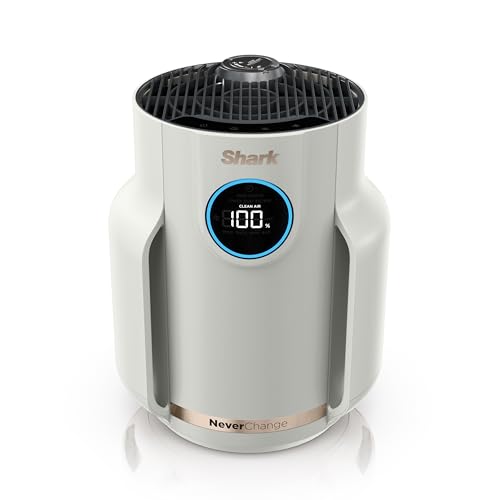

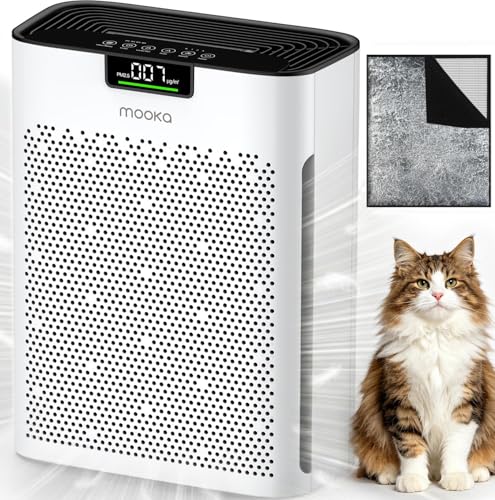
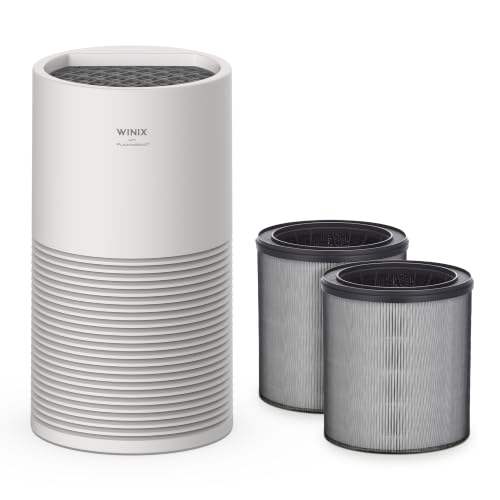


Types of Air Purifiers Compared
Four types cover nearly every school purchase. They differ less in filter quality than in coverage, noise, and who manages them day to day, so match the type to the room before you compare individual specifications.
Smart/WiFi Models
Smart models connect to an app or a building dashboard, report air quality readings, and warn staff when a filter is due. For a district managing dozens of rooms, that remote view saves real labor, and a smart sensor lets the unit speed up when a full class enters and settle during empty periods. The costs are higher prices, time spent on network setup, and dependence on school WiFi that may block new devices. Choose this type when one person oversees many rooms and filter tracking is a genuine burden.
Small Room Units
Small room units are compact purifiers built for spaces up to about 200 square feet, such as a counselor office, a nurse room, or a small resource classroom. They are cheap to buy, quiet, and light enough for a teacher to move. Their CADR is low, so in a standard classroom of 800 square feet or more they stir the air near a desk without cleaning the whole room. Choose this type for genuinely small rooms only, and resist the temptation to stretch one across a full classroom to save money.
Portable Units
Portable units are midsize to large floor models on caster wheels that staff can roll between rooms. They suit schools that need coverage in a gym one week and an assembly hall the next, or that share a few strong units across classrooms during high illness weeks. The trade offs are storage space, cord management while moving, and the risk that a unit ends up parked in a closet because nobody owns the schedule. Choose this type when flexibility matters more than permanent placement.
Large Room/Whole Home Units
Large room units deliver the highest CADR and are the realistic choice for standard classrooms, libraries, and cafeterias. A single strong unit can give a typical classroom the 4 to 5 air changes per hour that guidance for shared indoor air usually targets. They cost more, around $300 to $700, use larger and pricier filters, and need a permanent floor spot with clearance. Choose this type as the default for full classrooms, and add a second unit for very large or oddly shaped spaces. For general background on home sized categories, our guide to the best home air purifiers helps explain the size classes.
Smart/WiFi Models vs Small Room Units: Which Should You Choose?
These two types sit at opposite ends of most school budgets, so compare them on five points. On coverage, smart models are usually built on large room hardware and clean a full classroom, while small room units cannot. On noise, small units win at a desk but lose on total clean air delivered. On management, smart models report filter status remotely, while small units rely on someone noticing an indicator light. On cost, small units are cheaper each, but outfitting a classroom with four of them can cost more than one smart unit and still clean less air. On fit, choose small units for small rooms, and smart large units for classrooms a district must monitor at scale.
How to Choose the Right Air Purifier
Once the type is settled, four checks separate a sound purchase from a regret. Run them in this order, because coverage and noise failures cannot be fixed later with settings.
Performance Ratings (CADR, BTU, Pints/Day, CFM)
CADR is the rating to compare, ideally verified by AHAM, and for classrooms you want enough CADR for 4 to 5 air changes per hour. BTU and pints per day belong to cooling and dehumidifying equipment and tell you nothing about a purifier. CFM measures airflow before filtration, so it flatters units with weak filters. If a listing leads with square feet coverage but hides CADR, treat the claim as marketing and look for a model that publishes real numbers.
Features That Matter for Schools
School specific features start with safety: a lockable control panel or child lock stops curious hands from changing settings, and a stable, tip resistant base matters around active children. A True HEPA filter handles dust, pollen, and fine particles from art supplies and chalk alternatives. Filter access should need a tool or a firm latch so students cannot open the housing. If a child in the room has asthma or breathing symptoms that worsen, the school nurse and the child clinician should guide placement and expectations, since a purifier supports, but does not replace, a medical plan.
Noise Level (dB) and Sleep Mode
A purifier that distracts a lesson will be switched off, and an off purifier cleans nothing. Look for a working speed near 50 dB or less, about the level of a quiet conversation, that still delivers most of the rated CADR. Oversizing helps here: a large unit on medium is usually quieter than a small unit straining on high. Sleep or low modes suit nap time in early years rooms, but check the CADR at that speed before counting on it during class.
Room Size and Coverage
Measure each room in square feet and note the ceiling height, since tall gym and cafeteria ceilings multiply air volume. Standard classrooms often run 800 to 1,000 square feet, far beyond the honest reach of compact units. Use the maker CADR with your room volume to estimate air changes per hour, and plan two units for rooms that are long, divided, or larger than about 1,200 square feet. Keep a simple room by room list so purchasing matches real spaces, not averages.
Setup and Care Tips
Place each unit where air can reach it, away from corners and not behind furniture, with clearance around the intake and outlet. Keep cords flat and out of walkways, and keep doors and windows closed during the school day when outdoor air is smoky or heavy with pollen. Put filter changes on the custodial calendar, vacuum prefilters monthly, and label each unit with its room number and filter date so a substitute custodian can service it without guesswork. If your team is comparing device categories broadly, our guide to the best air cleaners and purifiers is a useful primer, and our guide to the best air cleaners covers simpler options.
Frequently Asked Questions
What features matter most in air purifiers for schools?
Verified CADR, True HEPA filtration, lockable controls, and quiet operation matter most. One feature buyers overlook is filter availability at district scale: confirm the maker can supply dozens of replacement filters on a school purchase cycle, because a great unit with back ordered filters becomes a floor ornament by midyear.
Do air purifiers really work?
Yes, correctly sized purifiers lower airborne particle levels in classrooms, including dust and many airborne germs carried on particles. They do not disinfect surfaces or replace ventilation and staying home when ill. Think of purification as one layer among several that schools stack to keep indoor air cleaner.
Where is the best place to put it?
Place it centrally in the room, clear of walls and furniture, where the teacher area and student desks both sit within its circulation path. Avoid putting it beside an exterior door that opens all day, since incoming air bypasses the filter. In long rooms, a spot near the middle of the long wall usually mixes air best.
How often should I replace the filter?
Plan on every 6 to 12 months with school year use, and sooner if the indicator or visible dust loading says so. A practical pattern is one change before the school year starts and a midyear check during a break. Record each change on the unit label so the schedule survives staff turnover.
Is it expensive to run 24/7?
Schools rarely need full time running; timers or smart schedules can run units during occupied hours and an hour before classes begin. Electricity for one large unit is modest, and the filter budget is the larger cost. Shutting down over long holidays saves both power and filter life.
What size do I need for my room?
Size by air changes: pick a CADR that cycles your room volume 4 to 5 times per hour. For a typical classroom that points to a large room unit, not a compact one. Portable spares can cover temporary spaces, but permanent classrooms deserve permanent, correctly sized hardware.
Final Thoughts
Start with the type that fits the room, then verify CADR, noise, and filter supply before you look at extras. Large units serve classrooms, small units serve small rooms, and smart features pay off when many rooms need tracking. Compare your finalists in the product table above, explore our guide to the best air purifiers hepa for filtration detail, and you will have the best air purifiers for schools matched to your building and budget.