Best Air Purifiers for Pet Smells: A First Time Buyer's Guide for 2026
Disclosure: We may earn a commission when you buy through links on this page, at no extra cost to you. As an Amazon Associate I earn from qualifying purchases. Learn more

Shopping for the best air purifiers for pet smells? Learn the key terms, carbon and HEPA basics, sizing and setup steps in this plain English guide.
If guests can tell you own a pet before they see one, the smell has settled into your rooms, and a purifier probably sounds like the fix. It can be, but only if you buy for odor rather than for dust alone. This guide explains the best air purifiers for pet smells in plain terms, starting with how these machines work and ending with the checks that stop the most common first purchase mistakes.
You do not need to learn engineering to choose well. You need three ideas: odors are gases, gases need carbon to trap them, and the machine must move enough air for your room. Keep those in mind as you scan the comparison table below, then read the spec explanations that follow at your own pace.


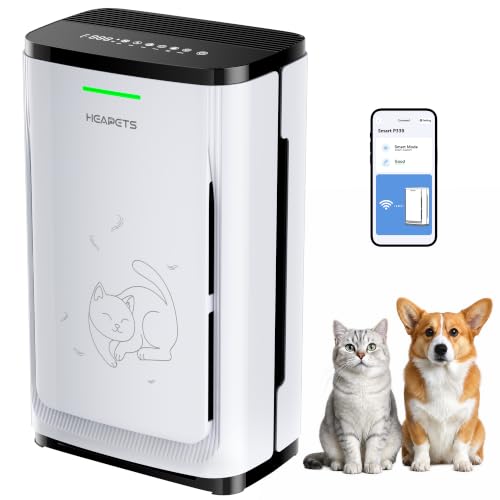

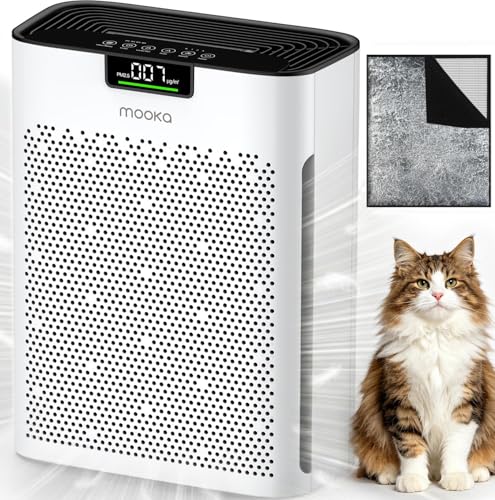
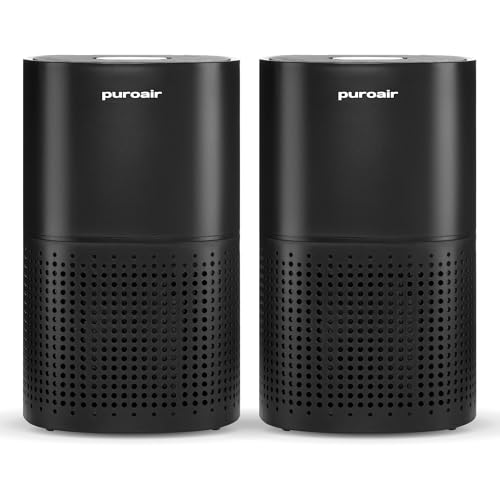

Air Purifiers 101: The Basics
An air purifier is a fan plus a set of filters inside a box. The fan pulls room air in, the filters catch particles and absorb some gases, and cleaner air flows back out. Nothing is sprayed into the room and no perfume is added, which is why a good unit reduces smells instead of covering them.
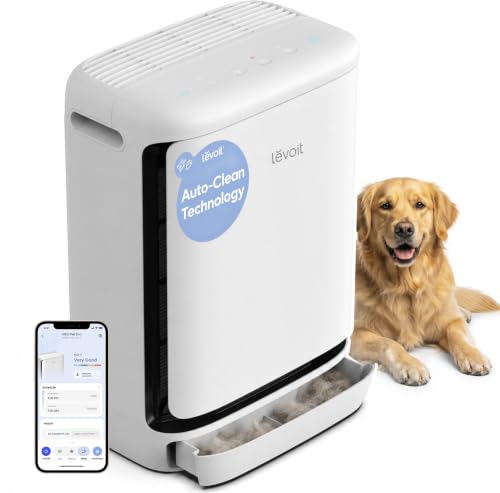
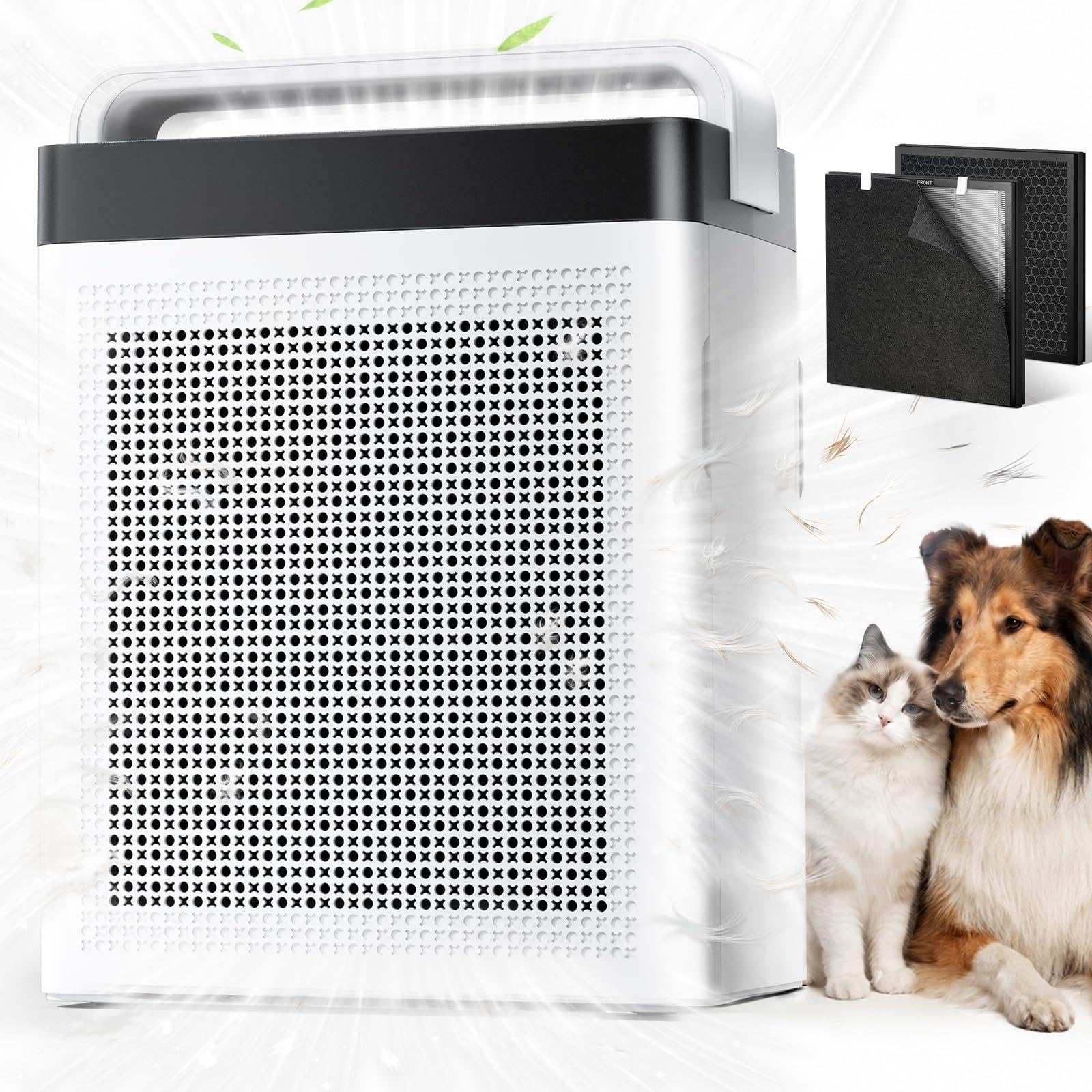
Three filter stages do most of the work. A pre filter catches hair and large dust. A True HEPA filter traps tiny particles such as dander and pollen. A carbon filter, made from activated carbon full of microscopic pores, absorbs odor molecules from litter boxes, wet fur, and pet bedding. For smell problems, the carbon stage is the star, and its weight matters: a thin carbon sheet holds far less odor than a deep carbon bed. You will also see the word CADR, which simply rates how much cleaned air a unit delivers each minute.
Key Specs Explained in Plain English
Product pages throw around ratings that look technical but each answer a simple question. The six checks below translate them into decisions you can make with a tape measure and a rough budget.
Features That Matter for Pet Smells
Odor control starts with carbon quantity, not with extra modes. Ask how much activated carbon the filter contains and how often that filter needs replacing in a pet home, because a saturated carbon filter stops absorbing and smells pass straight through. A strong pre filter also matters, since hair that reaches the carbon stage clogs its surface. A sensor driven auto mode helps after litter box visits, raising speed when odor spikes. If smells beyond pets also trouble your home, our guide to the best air purifiers for smells covers kitchen and household odors too.
Room Size and Coverage
Coverage claims tell you the largest room a unit can handle, but odor needs headroom. Measure your room in square feet and follow the AHAM guide: smoke CADR should be at least two thirds of the room area. For a room that holds a litter box or a dog bed, choose a unit rated a step above your measurement, then run it on a quieter speed. Air should cycle through the filter about four to five times per hour where smells are strongest, and two to three times is fine for a mild background odor.
Performance Ratings (CADR, BTU, Pints/Day, CFM)
CADR is the rating to compare, given separately for dust, pollen, and smoke, and it reflects cleaned air output after filtration. BTU rates cooling and pints per day rates dehumidifiers, so both are distractions on a purifier page. CFM counts raw airflow before filters, which flatters weak filters. None of these numbers rate odor removal directly, sadly, because no standard test for household smells exists yet. That gap is why carbon weight and replacement pace, covered above and below, deserve extra weight in your decision.
Safety Features
Look for UL or ETL certification, tip over shutoff, and a stable base, since pets brush past appliances daily. Avoid units that rely on ozone to fight odor, because ozone can irritate the lungs of people and animals and is a poor trade for a smell problem. Keep cords where they cannot be chewed, and choose controls that lock if your cat walks across the top panel. AHAM verification of the CADR figures adds a further layer of trust to the numbers on the box.
Noise Level (dB) and Sleep Mode
Noise is measured in decibels, and every fan speed has its own figure. Around 25 to 35 decibels sounds like a whisper and suits bedrooms, while 40 to 50 decibels resembles a quiet conversation and is common on medium speeds in living rooms. Sleep mode dims lights and slows the fan for night use. For odor duty, note the noise on medium, because that is the speed that will run beside you most of the day, and a unit you turn off for being loud removes no smells at all.
Filter Type and Replacement Cost
Plan the filter budget before the machine budget. A typical combined HEPA and carbon filter costs about $30 to $80 and lasts six to twelve months, but heavy pet odor can exhaust the carbon part sooner, sometimes in three to six months. Some models split the carbon into its own replaceable stage, which can cut yearly cost because you change only the spent part. Add two years of filters to the purchase price when you compare models in the product table above, and the true value ranking often changes.
Rookie Mistakes to Avoid
- Buying for particles only. A HEPA only unit cleans dander but leaves most odor gases untouched. Smell problems need real carbon depth.
- Trusting the largest coverage claim. That number often assumes few air changes per hour. Size up one step for a room with a litter box.
- Ignoring filter prices. A bargain machine with costly filters that fade in three months becomes the expensive option within a year.
- Placing it in a corner. Blocked intakes starve the fan. Give the unit open space on all sides so room air can actually reach it.
- Expecting it to replace cleaning. Old litter, unwashed bedding, and accidents soaked into carpet keep producing odor faster than any filter can absorb it.
Getting Started: Setup and First Use
Unbox the unit and remove every plastic bag from the filters inside, because many new purifiers ship with filters wrapped and will move no clean air until the wrap comes off. Place it near the main odor source, such as the litter area or the dog bed, with clearance around the vents, and plug it in directly rather than through a thin extension lead. Run it on auto or medium for the first week without judging too fast, since soft furnishings release stored odor slowly. Replace or clean filters on schedule from day one, keep doors and windows closed while it runs during the worst hours, and wash pet bedding weekly so the machine is not fighting a fresh supply of smell. New buyers who want wider context can also browse our guide to the best home air purifiers before settling on a room.
Frequently Asked Questions
What features matter most in air purifiers for pet smells?
A deep activated carbon filter matters most, supported by a washable pre filter and True HEPA for dander. Ask about carbon weight rather than counting scent related modes. Also check whether the carbon stage can be replaced on its own, because odor duty wears it out faster than the particle filter, and separate stages lower your yearly running cost.
Is it expensive to run 24/7?
No, electricity is the small part, usually a few dollars per month on everyday speeds. The honest cost is filters, since carbon working on pet odor may need changing twice as often as the maker suggests for a pet free home. Set a reminder for the first check at three months so a spent filter never runs unnoticed.
Where is the best place to put it?
Put it in the same room as the smell source, a few feet from the litter box or pet bed, with the intake facing the open room. Keep it away from corners and curtains that block airflow. If odors travel through an open plan home, a spot between the pet area and the seating area catches smells before they spread.
What size do I need for my room?
Choose a smoke CADR of at least two thirds of your room area in square feet, then consider one size up when a litter box lives in that room. A 200 square foot room needs a CADR near 135 at minimum. Sizing up lets you run a lower, quieter speed while still cycling the air often enough to stay ahead of odor.
Do air purifiers really work?
Yes, within clear limits. Carbon absorbs many odor gases and HEPA traps dander, so the air in a closed room genuinely smells cleaner after steady running. They cannot remove odor soaked into carpet padding or walls, and they cannot keep up with a source that is never cleaned. Pair the machine with litter care, laundry, and prompt cleanup and the difference is obvious.
How often should I replace the filter?
Expect six to twelve months from a combined filter in a light pet home and closer to three to six months for the carbon stage where smells are strong. Your nose is a useful gauge: if pet odor returns quickly after cleaning the room, the carbon is likely spent. Note the date on the filter frame with a marker at each change so the schedule stays honest. Our guide to the best air purifiers with pets adds more on filter pace in busy animal homes.
The Bottom Line
For a first purchase, remember three things: carbon depth controls odor, CADR sized above the minimum keeps up with a litter room, and filter cost decides long term value. Start with the room where the smell lives, run the unit steadily, and keep up basic pet cleaning beside it. Check the comparison table above once more with those points in mind, and explore our overview of the best air cleaners and purifiers if you want the wider picture. That is how you find the best air purifiers for pet smells without learning the hard way.