Best Air Purifiers for Pet Owners for 2026: Every Type Explained Side by Side
Disclosure: We may earn a commission when you buy through links on this page, at no extra cost to you. As an Amazon Associate I earn from qualifying purchases. Learn more

Compare the best air purifiers for pet owners by type, hair and dander control, odor filtration, noise and cost, with a clear guide to choosing a style.
Hair on the sofa, dander in the air, and a litter box smell that returns an hour after cleaning: pet homes throw several problems at one machine. Faced with towers, boxes, smart units, and large room models, it is easy to feel stuck. This guide compares the best air purifiers for pet owners by type, so you can match a style to your animals and your rooms before you look at individual models.
Each type below is explained the same way: how it works, what it does well, where it falls short, and who should choose it. Use the comparison table below as your map, then read the direct comparison and the choosing section to settle on one style with confidence.




Types of Air Purifiers Compared
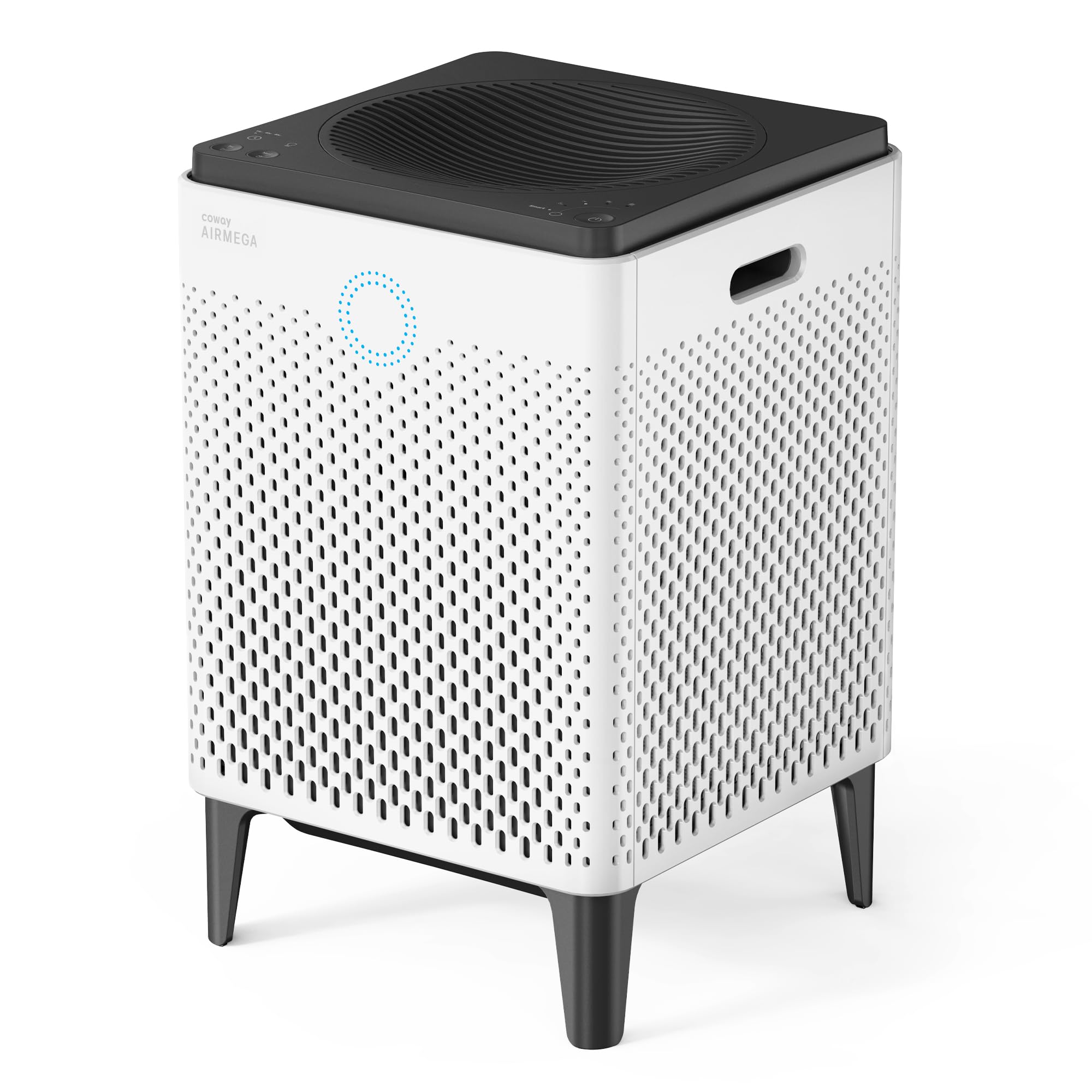
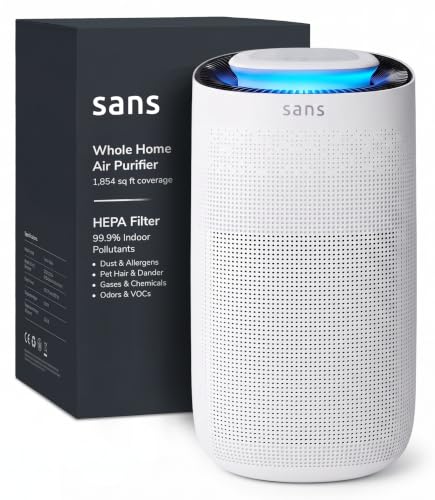
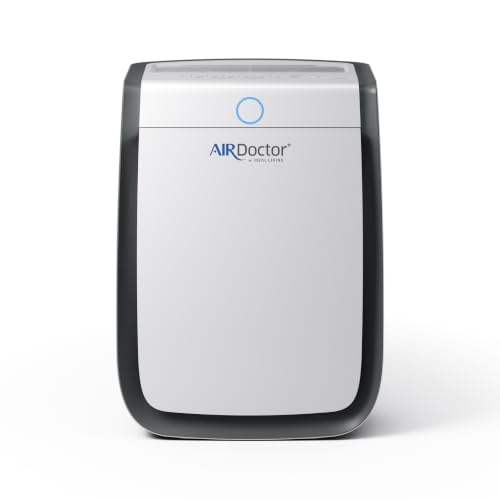
Three styles cover most pet homes. Smart connected units adjust themselves, portable units move to wherever the animals are, and large room units cover open spaces where pets and people share the air all day. All three rely on the same basic recipe of a pre filter for hair, a True HEPA filter for dander, and carbon for odor, but they differ in size, control, and cost. Typical prices run from under $100 for small portable units to about $250 to $600 for large room models, with smart features adding cost at every size.
Smart/WiFi Models
Smart models link to an app and use particle sensors to raise or lower fan speed on their own. That suits pet homes well, because a dog shaking off dust or a cat using the litter box creates a sudden spike the sensor can answer without you touching a button. App alerts also warn when the filter is loaded with hair and dander. The trade off is price and fuss: setup takes longer, updates and accounts add steps, and a failed connection can leave you with a very ordinary purifier. Choose this style if you like automation and will actually use the data it reports.
Portable Units
Portable units are compact machines you can carry from the room with the litter box to the bedroom at night. They cost less, set up in minutes, and work well in apartments and single pet rooms. Their limits are airflow and filter size: a small unit cannot clean a large open room, and its filter fills with hair faster, so changes come more often. This style suits renters, students, and anyone whose pet sleeps in one main room. Keep a spare filter on hand, because a hair clogged pre filter is the most common reason these units lose power.
Large Room/Whole Home Units
Large room units carry bigger filters, stronger fans, and higher CADR ratings, built for open plan living areas where several pets roam. They clean more air per hour and go longer between filter changes, which matters when dander is constant. The costs are size, weight, and price, plus pricier replacement filters. They also reward planning: measure the doorway, the floor space, and the distance to an outlet before ordering. If your pets share one big space with the family all day, this is usually the style that keeps up. For a broader view of whole house options, see our guide to the best home air purifiers.
Smart/WiFi Models vs Portable Units: Which Should You Choose?
On cleaning power per room, a portable unit sized correctly matches a smart unit of similar CADR, because the filter media do the real work. On convenience, smart models win: sensors and schedules run the machine while you are out, and filter alerts arrive on your phone. On cost, portable units win on purchase price, while smart units can save filter life by slowing down when air is clean. On noise, both can be quiet on low, but smart units change speed on their own, which some light sleepers notice. On upkeep, portable units need more frequent pre filter cleaning in shedding season. Choose smart for a fixed main room and hands off running; choose portable for flexibility, small spaces, and a tighter budget.
How to Choose the Right Air Purifier
Once the style is settled, four checks confirm a specific model fits your home. Work through them in order and most unsuitable options drop away quickly.
Features That Matter for Pet Owners
Pets add hair, dander, and odor at the same time, so the filter stack matters more than extra modes. Demand a washable or replaceable pre filter that catches hair before it reaches the main filter, a True HEPA stage for dander and fine particles, and a substantial carbon stage for litter and wet dog smells. A pet home also benefits from a filter change indicator, because hair loads filters faster than dust alone. If odor is your main battle, our guide to the best air purifiers for pet odors explains carbon weight and placement in more depth.
Safety Features
Choose a unit with UL or ETL certification, a stable base, and tip over shutoff, since curious cats and large dogs do bump furniture and appliances. Keep cords out of chewing reach, and prefer models without ozone producing ionizers, because ozone irritates airways in pets as well as people. A locked control panel helps if your cat likes to step on buttons. AHAM verified ratings also count as a safety net of a different kind: they confirm the room size claims you are relying on.
Room Size and Coverage
Size for the room where the pet spends the most time, using square feet and the AHAM guide of a smoke CADR at least two thirds of the room area. Pet rooms deserve the higher end of air changes, about four to five per hour, because dander is produced constantly, not in occasional bursts. A dog that sleeps in your bedroom shifts the priority there at night, which is one reason a portable second unit helps. Our guide to the best air purifiers for homes with pets walks through multi room planning in detail.
Energy Efficiency and Operating Cost
Pet purifiers tend to run all day, so watts add up. ENERGY STAR certified units clean the same air with less power, and auto mode trims use further by slowing the fan at calm times. Expect a typical unit on medium to cost a few dollars per month in electricity. The larger cost is filters: hair and dander can shorten a filter rated for twelve months in a clean home to six or eight months in a busy pet home, so budget with that pace in mind.
Tips to Get the Most From Your Air Purifier
Replace or clean filters on schedule, and vacuum the pre filter every one to two weeks during shedding season so hair does not choke airflow. Keep doors and windows closed while the unit runs on high pollen days, and leave clearance around the intake and exhaust instead of tucking the machine behind a pet bed or crate. Place the unit near where the animal sleeps or where the litter box sits, but not so close that a pet can block the vents by lying against them. Brushing your pet outdoors a few times a week also cuts the hair load the filter must handle. For general background on how these machines differ from simpler cleaners, see our overview of the best air cleaners and purifiers.
Frequently Asked Questions
What features matter most in air purifiers for pet owners?
A strong pre filter, True HEPA filtration, and a real carbon stage matter most, because they answer hair, dander, and odor together. Add a filter change light, since pet homes load filters faster than the calendar suggests. Controls you can lock are a small bonus in homes with button curious cats.
Is it expensive to run 24/7?
No, most units cost only a few dollars per month in power on their everyday speeds. Continuous running actually suits pet homes, because dander and odor build up again whenever the fan stops. Your main ongoing expense will be filters, so compare replacement prices before you choose a style.
Do air purifiers really work?
Yes, they measurably reduce airborne hair, dander, and dust while the fan runs, and carbon stages reduce many pet odors. They do not groom your pet, clean a litter box, or remove hair already in carpet. Think of the purifier as steady background help that works best alongside regular vacuuming, washing pet bedding, and prompt litter care.
How often should I replace the filter?
Plan on six to twelve months for the main filter, adjusted by how much your animals shed. Long haired dogs and multi cat homes sit at the short end. Vacuum the pre filter every few weeks and check the main filter if airflow drops or a stale smell returns, even if the indicator has not lit yet. Keeping one spare filter ready avoids running a worn out filter for weeks.
What size do I need for my room?
Measure the room and choose a smoke CADR of at least two thirds of its area in square feet. A 300 square foot living room needs a CADR near 200. If pets move between two main rooms, one larger unit in the busier room plus a portable unit in the second room often beats a single mid sized machine moved back and forth all day.
Where is the best place to put it?
Place it in the room where the pet spends the most time, near the bed, crate, or litter area, with open space around the vents. Keep it a short distance from walls and soft furnishings so air can circulate. Readers comparing placement for animals that roam the whole home may find our guide to the best air purifiers with pets useful for room by room ideas.
Wrapping Up
Pick the style first, portable for flexibility, smart for hands off control, or large room for open spaces, then confirm True HEPA filtration, honest CADR sizing, and a filter price you accept. Those checks matter more than any single extra feature. Look back at the product table above with your room measurements noted, and you will choose the best air purifiers for pet owners with a clear head and a home that smells like it.