Best Air Purifiers for Large Areas 2026: A Guide
Disclosure: We may earn a commission when you buy through links on this page, at no extra cost to you. As an Amazon Associate I earn from qualifying purchases. Learn more

Get the best air purifiers for large areas with strong airflow, accurate room ratings, and quiet operation for open plan living spaces and large rooms.
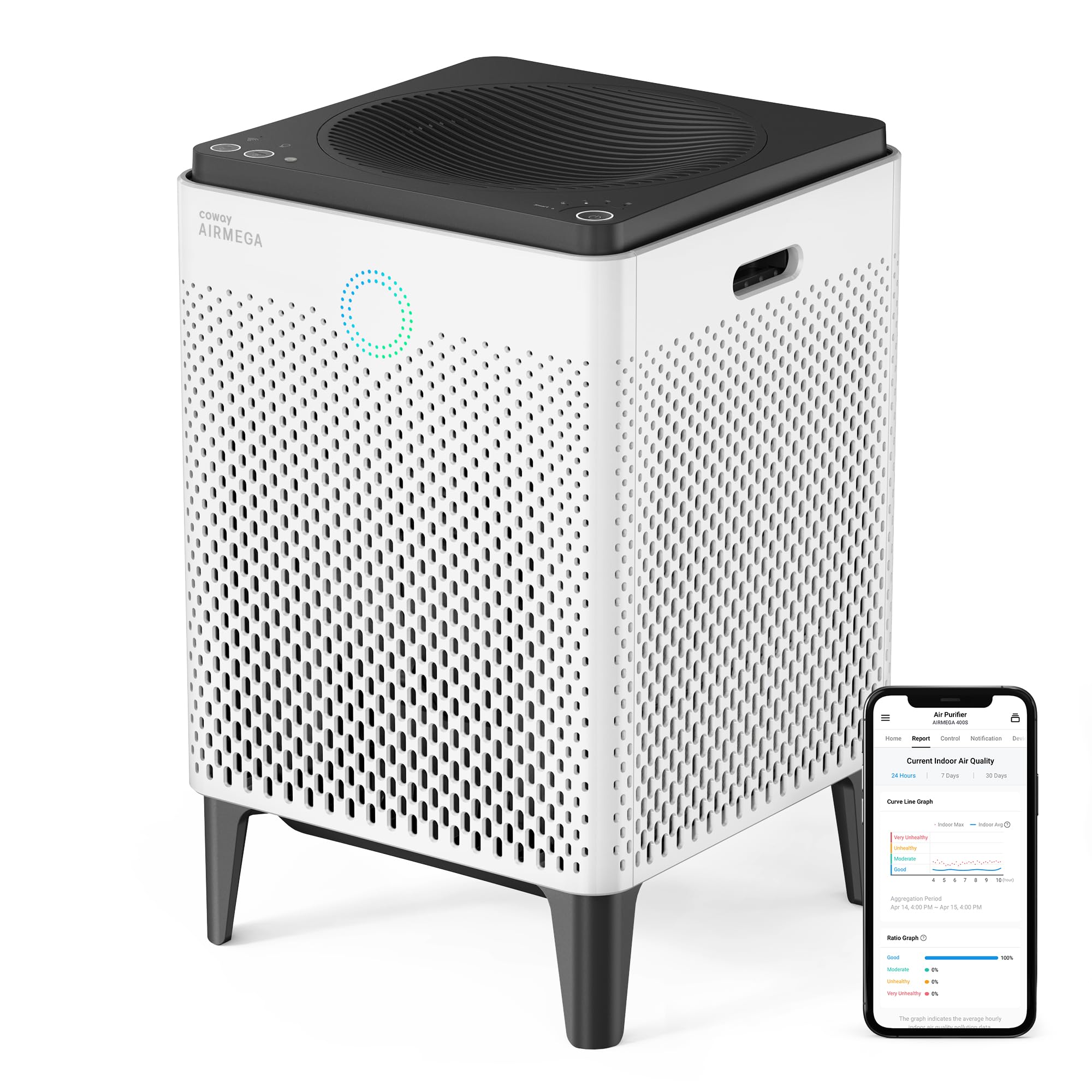
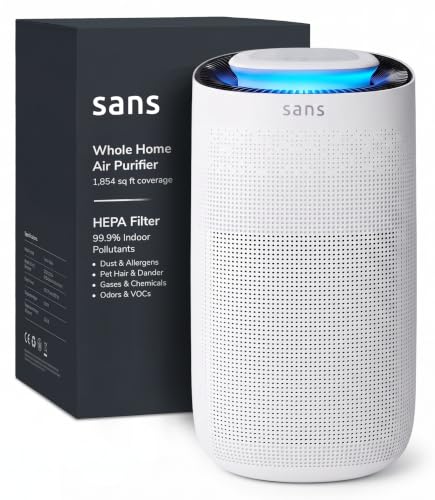
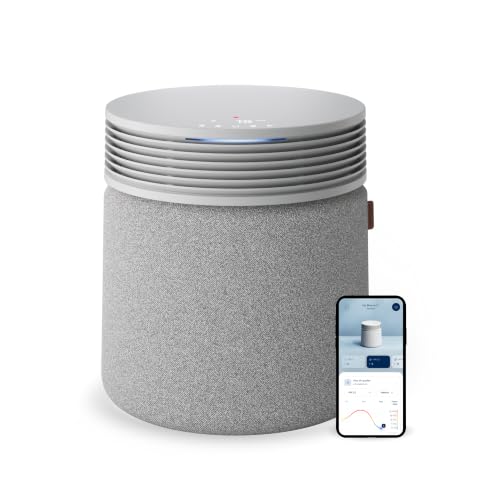
Large open plan spaces challenge air purifiers because air volume is high, airflow paths are long, and a single small unit cannot keep up. This guide to best air purifiers for large areas explains how to size for open plan rooms, judge airflow honestly, and decide between one large unit and two smaller ones. The comparison table below compares sizing approaches.
Room ratings are the first trap. A unit rated for a large area at two air changes per hour may cover only half that area at the higher rate recommended for allergy control. Always compare ratings at the same air change rate, and measure your actual open plan volume including connected spaces.





Who Needs a Large Area Purifier
Owners of open plan living kitchens, large living rooms, studios, and offices will benefit most. These spaces mix cooking, pets, dust, and foot traffic, so a purifier must handle varied particles and odors across a wide area. Small bedroom purifiers placed in such spaces run constantly yet achieve little.
If your open plan space connects to hallways or other rooms without doors, count that connected volume too, since air moves freely. In very large spaces, two medium units placed strategically often outperform one large unit stuck in a corner, because airflow reaches more of the room.
Sizing, Airflow, and Air Changes
Sizing starts with room volume: floor area times ceiling height, plus connected open areas. Clean air delivery rate, where given, indicates how much filtered air a unit supplies. Divide that rate by room volume to estimate air changes per hour, and aim for the rate that matches your goal, whether general freshness or allergy support.
Fan power matters, but so does placement. A powerful unit behind furniture or in a corner circulates poorly. Place purifiers where air flows freely, away from walls and large furniture, and consider one unit near the main seating area and another near cooking or pet areas. For room specific comparisons, best air purifiers for large rooms and best air purifiers for large spaces offer related guidance.
Filter Types for Large Spaces
Large spaces usually need combined filtration: a prefilter for large dust and hair, a particle filter for pollen and fine dust, and carbon for odors where cooking or pets are concerns. Check filter size, since larger filters last longer and maintain airflow better than small filters forced to handle large volumes.
Filter cost scales with size and number of units. Compare annual filter costs for the whole setup, not only one unit. Larger filters often cost more individually but last longer, while two smaller units double filter changes.
Balance upfront cost, filter life, and airflow when comparing. For general purifier context, best air cleaners and purifiers covers filter types.
Noise, Energy, and Placement Strategy
Noise determines whether a large purifier actually runs at useful speeds. A unit that is loud on high will be turned down in living spaces, defeating its purpose. Favour units that deliver adequate airflow on medium settings with acceptable noise, and test noise at your seating distance where possible.
Energy use rises with airflow, so check power draw at useful speeds rather than only on low. Placement strategy often beats raw power: two units on medium, placed apart, can clean more evenly and quietly than one unit on high. Keep intakes clear, doors to the space closed where practical, and run units before gatherings for best results. For large unit options, best large air purifiers focuses on high capacity models.
Mistakes Worth Avoiding
Undersizing is the most common error, followed by placing a unit in a corner where airflow is blocked. Another mistake is trusting room ratings without checking air change assumptions. Measure your space, compare at the same rate, and favor honest airflow figures over marketing room sizes.
Do not expect a purifier to replace ventilation or source control. Ventilate when outdoor air is clean, control cooking smoke with extraction, and clean floors and soft furnishings regularly. For home wide comparisons, best home air purifiers helps balance room by room needs. If breathing symptoms persist, talk with your clinician rather than relying on purification alone.
Air Quality Beyond the Purifier
Purifiers work best alongside broader air quality habits, since source control, ventilation, and cleaning together reduce particles and odors more than filtration alone. Cook with extraction running, ventilate rooms when outdoor air is clean, and clean floors, bedding, and soft furnishings regularly to remove reservoirs of dust and allergens. A purifier then handles what remains in the air rather than fighting constant resupply from dirty surfaces.
Outdoor air quality also matters, since opening windows during high pollen, smoke, or pollution episodes brings those particles indoors faster than a purifier can remove them. Check local air quality forecasts on high risk days, keep windows closed during peaks, and ventilate during cleaner periods instead. Timing ventilation wisely improves indoor air more than running a purifier harder during a pollution peak.
Indoor plants, candles, and air fresheners affect air quality in mixed ways, since plants offer modest benefits but can harbour mold in damp soil, while scented products add volatile compounds that purifiers must then remove. Favour unscented cleaning products where possible, avoid smoking indoors, and address damp and mold at source rather than masking them with fragrance.
Running Costs for Large Spaces
Running costs for large spaces include electricity, filter replacements, and potential second unit costs, so calculate annual totals before buying. Electricity use depends on fan speed and hours, filter costs depend on size and replacement intervals, and two units double filter spending while improving coverage. Compare total annual cost, not only purchase price, across one large unit versus two medium units.
Energy saving modes, timers, and auto sensors can reduce costs without sacrificing much cleaning, since running at full speed around the clock is rarely necessary. Use auto modes that respond to particle levels, schedule higher speeds before gatherings or after cooking, and lower speeds overnight in bedrooms. Smart scheduling balances clean air with reasonable energy use.
Filter subscription services sometimes reduce unit costs and prevent forgotten replacements, yet they only save money if intervals match your actual use. Track your real replacement dates for a year before committing to a subscription, since heavy use may need earlier changes and light use may waste filters. Honest tracking beats automatic schedules for cost control.
A Final Check Before You Order
Before ordering, recheck room volume including connected open areas, since open plan spaces share air with hallways and adjoining rooms. Compare clean air delivery rates at the same air changes per hour, and favor honest airflow figures over marketing room sizes. That calculation prevents the most common large area disappointment.
Also plan placement for airflow, keeping intakes clear of furniture and walls, and consider whether two medium units placed apart would clean more evenly than one large unit in a corner. Sketch the room with proposed positions and note seating areas, cooking zones, and pet areas that need coverage most.
Finally, calculate annual costs including electricity and filters for the whole setup, and set a reminder for the first filter check based on your dust and odor load. A purifier that is affordable to buy but expensive to run, or whose filters are forgotten, serves poorly. Total cost and maintenance planning complete a sound purchase.
Frequently Asked Questions
How do I size a purifier for an open plan room?
Measure floor area times ceiling height, including connected open areas without doors. Compare clean air delivery rates at the same air changes per hour, and favor units that meet your target rate in your actual volume. In very large spaces, two units placed apart often clean more evenly than one large unit.
Is one large purifier better than two smaller ones?
It depends on layout. One large unit suits a single open room with central placement, while two smaller units suit L shaped or long spaces where airflow from one unit cannot reach far corners. Two units also offer redundancy if one needs filter changes, but double filter costs. Test the option in your own home or routine where return policies allow.
How noisy are large area purifiers?
Noise rises sharply with fan speed, so check noise at medium and high settings, not only on low. A unit that cleans adequately on medium is more useful in living spaces than a louder unit that must run on high. Place units away from seating where possible to reduce perceived noise.
Do large purifiers use a lot of electricity?
Power draw varies by fan speed and motor design, with high speeds using noticeably more energy. Running two units on medium can use similar energy to one unit on high, with more even cleaning. Check power figures at useful speeds and consider timer or auto modes for unoccupied periods. Check maker guidance and compare a few models before you decide.
Can a purifier handle cooking smells in open plan homes?
It helps, especially with carbon filtration, but extraction at the cooker matters more for cooking smoke and odors. Use the cooker hood, ventilate when outdoor air is clean, and run the purifier to reduce remaining odors. Carbon filters saturate faster in kitchens, so expect more frequent replacement. Revisit the choice after a short trial period to confirm it still suits you.
Final Thoughts
For large areas, size honestly by volume and air change rate, place units where air flows freely, and consider two medium units for long or L shaped spaces. Balance filter costs, noise at useful speeds, and particle plus carbon filtration for your household. The product table above can help you compare sizing approaches, and best air purifiers for large areas work best when expectations match real airflow. If breathing symptoms persist, talk with your clinician.