Best Air Purifiers for Large Homes by Budget: Smart Choices for 2026
Disclosure: We may earn a commission when you buy through links on this page, at no extra cost to you. As an Amazon Associate I earn from qualifying purchases. Learn more

Compare the best air purifiers for large homes by budget with this guide to CADR, coverage, filter costs, noise, and features worth paying for at home.
Prices for whole house air cleaning stretch from under $100 to well over $1,000, and the price tag alone tells you very little. A large home needs enough airflow to clean big, connected spaces, and that is where cheap units often fall short. This guide to the best air purifiers for large homes shows you where money actually improves results.
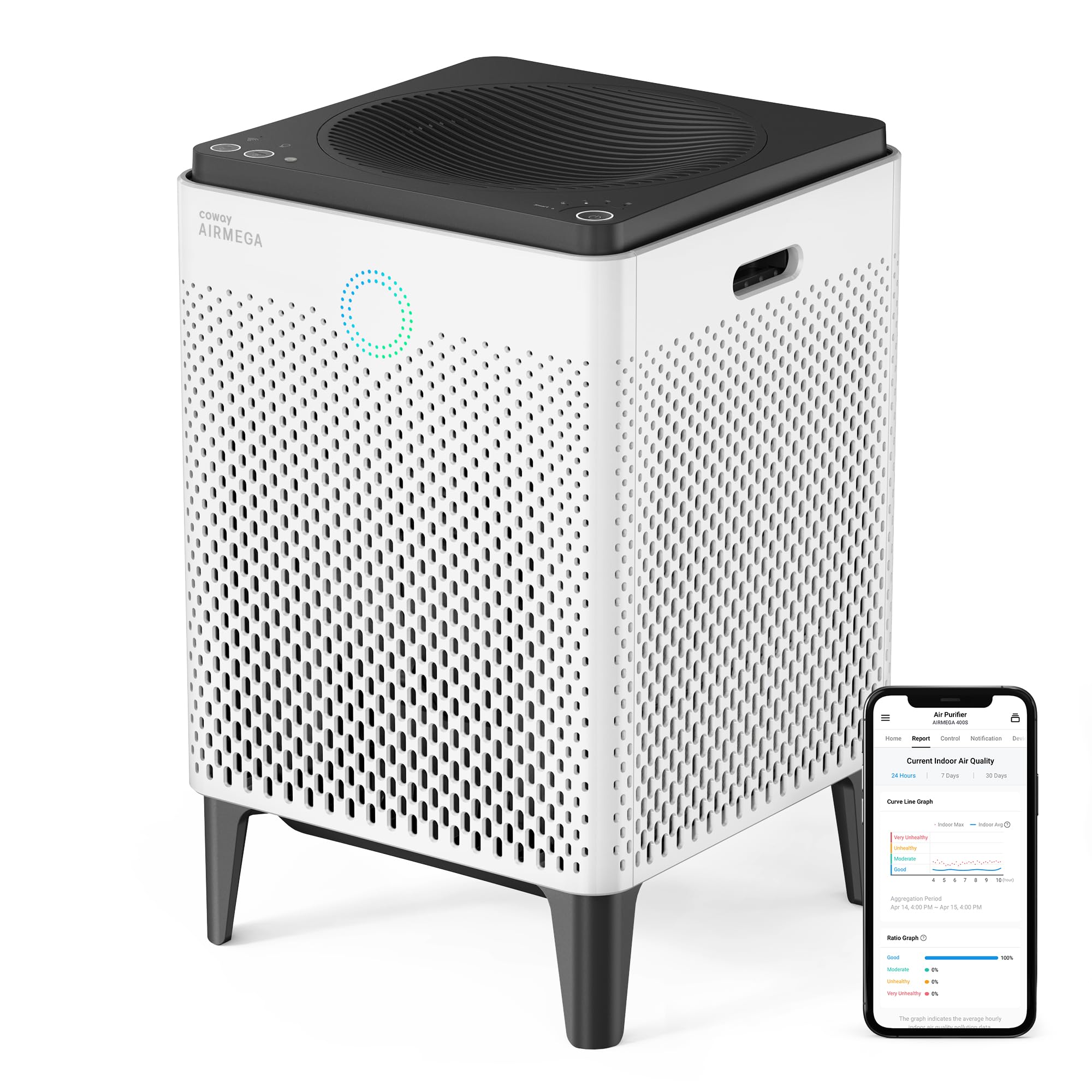
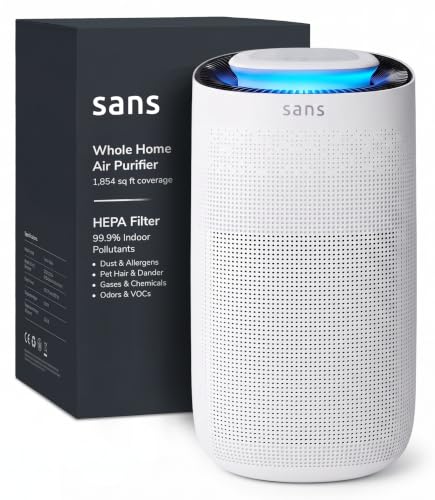
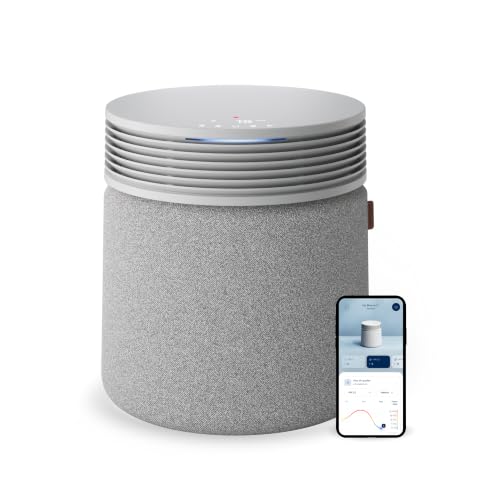
You will learn what each price tier usually delivers, which features earn their cost, and which extras you can skip. Use the comparison table below to check coverage and filter type first, then read the tier notes before you decide.






Buying Criteria by Budget
Instead of chasing a name, judge each budget level by the job it can realistically do in a big house. The three profiles below describe what a sensible choice looks like at each level, so you can match the unit in the product table above to your rooms.
Budget Profile
A budget choice for a large home works best as a single room solution, not a whole house solution. Look for a True HEPA filter, a CADR rating that suits one large bedroom or living room, and simple manual controls you will actually use. Expect higher noise on the top speed and fewer sensors. The main strength is low entry cost for one priority room. The main limit is coverage, so plan to close doors and let it work in that one space.
Midrange Profile
A midrange choice is where large home coverage becomes realistic for most buyers. You should get a higher CADR, an air quality sensor with an automatic mode, and a larger filter that lasts longer between changes. Quieter low speeds make daily use in living areas easier. The strengths are balanced airflow and lower effort, because the unit adjusts itself as cooking, cleaning, or open doors stir up particles. The limit is that one unit still serves one zone, so open floor plans may need a second unit later.
Premium Profile
A premium choice earns its price through very high airflow, big filters, and strong performance at quieter speeds. Look for dual intake or a tall tower design, clear filter life tracking, and app control for rooms you do not pass often. This level suits large open plan living areas where a smaller unit would need to run on turbo all day. The strength is cleaning power with less noise. The limit is cost, both upfront and when the large replacement filters come due.
What Your Money Gets You at Each Price Tier
Budget Tier: What to Expect
Budget models usually cost about $100 to $250 and cover one modest room well. You typically get True HEPA filtration and a basic carbon layer for light odors, but smaller fans and filters. Controls are manual, displays are simple, and sensors are rare. This tier suits a guest room, a home office, or a first purchase for one bedroom. The trade off is simple: you save money by giving up whole house reach, quiet high speed cleaning, and automation.
Midrange Tier: The Sweet Spot for Most Buyers
Midrange models usually cost about $250 to $500 and bring the features large homes benefit from most. CADR rises enough for large living rooms, sensors trigger automatic speed changes, and sleep modes protect bedrooms at night. Filters grow larger, which often means six to twelve months of use before replacement. For most households, one midrange unit in the main living zone plus closed door use in bedrooms covers daily needs well. You pay more upfront, but you gain quieter, steadier cleaning with far less manual adjusting.
Premium Tier: When Spending More Pays Off
Premium models often cost about $500 to $900 or more, and the money buys airflow headroom. Very high CADR lets the unit clean a large open space on a medium speed, which keeps noise down and extends filter life. Expect better build quality, more detailed air quality displays, WiFi control, and longer warranties. This tier pays off in homes with high ceilings, connected kitchen and living areas, or family members who react strongly to dust and pollen. If your rooms are small and separate, the extra power may go unused.
Features Worth Paying For (and Ones to Skip)
Smart Controls and Sensors
An air quality sensor is worth paying for in a large home because conditions change through the day. Cooking, vacuuming, and pets moving between rooms all raise particle levels, and an automatic mode responds without you walking over to press buttons. App control and schedules help for units placed in basements or spare rooms. Skip complex voice features if you will not use them, since they add cost without cleaning a single extra particle from the air.
Room Size and Coverage
Coverage claims need care. A maker may rate a unit for a huge area based on only one or two air changes per hour, which is slow cleaning. For allergy and dust control, aim for four to five air changes per hour in the room where the unit sits. That means the effective room size is much smaller than the headline number. Measure your main living space, then choose CADR that matches that room at the higher change rate, not the marketing maximum.
Performance Ratings (CADR, BTU, Pints/Day, CFM)
CADR is the rating that matters here. It tells you how much clean air the unit delivers for dust, pollen, and smoke, and smoke CADR is usually the lowest and most useful number to compare. AHAM verification adds confidence because an independent program checks the claim. BTU and pints per day belong to air conditioners and dehumidifiers, so ignore them for purifiers. CFM describes raw airflow, but CADR already accounts for how clean that air is, which makes CADR the better buying shortcut.
Features That Matter for Large Homes
Large homes need airflow first, then convenience. Prioritize high CADR, a True HEPA filter, and a fan that stays tolerable on medium speed, because that is the speed you will live with. Casters or sturdy handles matter more than you expect when you move a big unit between rooms. If you are comparing general options as well, see our guide to the best home air purifiers for how whole home models differ from small room units. Multiple smaller units often beat one oversized unit in homes with many closed doors.
Measuring for Size and Portability
Measure the floor spot before you buy, and leave several inches of clear space around the intake and outlet. Large units can stand as tall as a side table, so check door swings and walkways too. Weigh the filter access as well: a front panel you can open without moving the unit makes upkeep far more likely. Compact models hide more easily but move less air, so in a large home, give up a little floor space in exchange for the airflow you actually need.
Long Term Costs to Factor In
Filters are the main ongoing cost, and large units use large filters that can cost about $50 to $150 each. Most need a new HEPA filter every six to twelve months, plus a washable or replaceable prefilter cleaning about once a month. Electricity is modest, since many units draw roughly as much as a bright light bulb on medium speed, but running several units adds up. Check warranty length and filter availability before you buy. A cheap unit with costly, hard to find filters can cost more over three years than a midrange model.
Frequently Asked Questions
What features matter most in air purifiers for large homes?
High CADR, True HEPA filtration, and a tolerable noise level on medium speed matter most. Those three decide whether the unit can clean a big room during normal daily life. A washable prefilter is a useful bonus in dusty homes because it catches large particles first and helps the main filter last longer before it loads up.
Is an air purifier for a large home expensive to run 24/7?
No, running one unit all day is usually affordable. Most draw about 30 to 80 watts on the speeds used most often, which often works out to a few dollars per month depending on your local rate. Automatic mode lowers cost further because the fan slows down once the air is clean, instead of running at full speed around the clock.
How often should I replace the filter in a large home air purifier?
Most HEPA filters last six to twelve months in regular use. Homes with pets, nearby construction, or heavy pollen seasons may need changes at the shorter end of that range. Many units have a filter indicator, but treat it as a reminder rather than a measurement, and check the filter surface for heavy gray loading when you clean the prefilter each month.
Do air purifiers really work in large homes?
Yes, a correctly sized purifier measurably lowers airborne particles in the room where it runs. The key word is sized, because an undersized unit in a huge open space will make little difference. For broader background on how these machines clean air, see our guide to the best air cleaners and purifiers, which explains the main filtration approaches. Keep doors and windows closed while the unit runs for the best result.
Where is the best place to put an air purifier in a large home?
Put it in the room where people spend the most time, usually the main living area or the bedroom of the person most affected by dust. Keep it on the floor with clear space around the intake, away from corners and curtains. If you need guidance for single big spaces, our guide to the best air purifiers for large rooms covers placement for open layouts in more depth.
What size air purifier do I need for my large home?
Size the unit to one room or zone at a time, not to your total house area. Multiply the room length by its width to get square feet, then choose a model whose CADR supports four to five air changes per hour in that space. Shoppers comparing oversized models can also read our guide to the best large air purifiers to see how the biggest units differ in footprint and filter size.
Our Verdict
Start with CADR matched to your largest lived in room, insist on True HEPA filtration, and budget honestly for replacement filters. Midrange models serve most large homes best, while premium airflow pays off in open plan spaces. Compare the finalists in the product table above, and choose the best air purifiers for large homes option that fits your main room, your noise comfort, and your yearly filter budget.