Best Air Purifiers for Home Use 2026 Guide for Your Home
Disclosure: We may earn a commission when you buy through links on this page, at no extra cost to you. As an Amazon Associate I earn from qualifying purchases. Learn more

How to choose the best air purifiers for home use: room size, filter types, noise, energy use and filter costs, so everyday indoor air stays cleaner.
Choosing best air purifiers for home use starts with your home layout, since one purifier rarely covers a whole house well. Most homes benefit from a purifier in the main living room or bedroom, where people spend most time, rather than a single unit in a hallway. The comparison table below compares purifier types for home use.
Filter type should match your main concern, whether that is dust, allergies, odors, or smoke. HEPA filters catch fine particles, carbon layers reduce smells, and pre filters catch larger dust and hair. A multi stage purifier covers several concerns at once, but it costs more in filters over time.

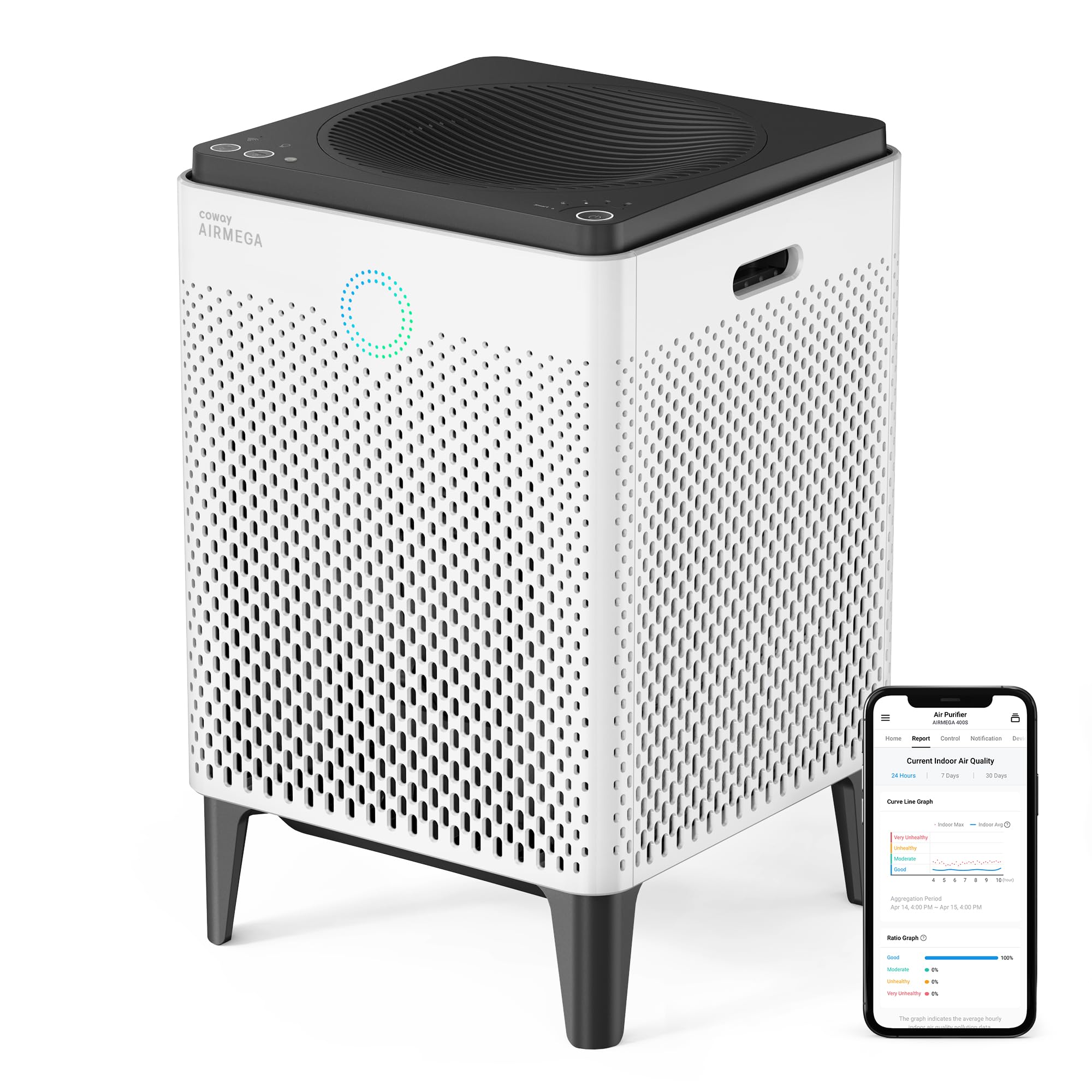
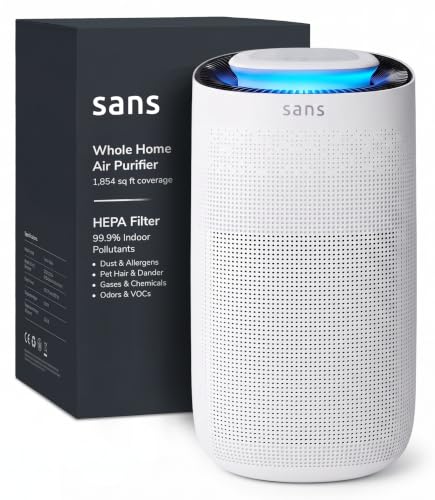


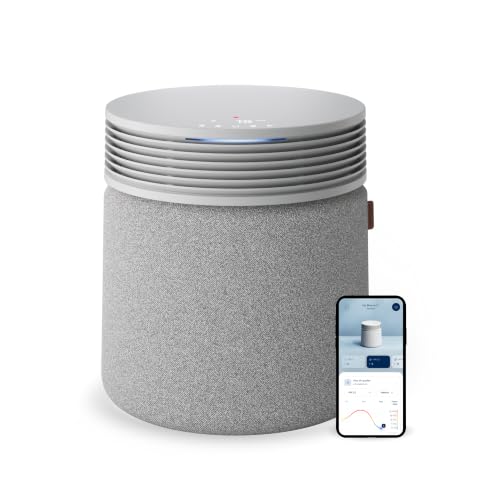

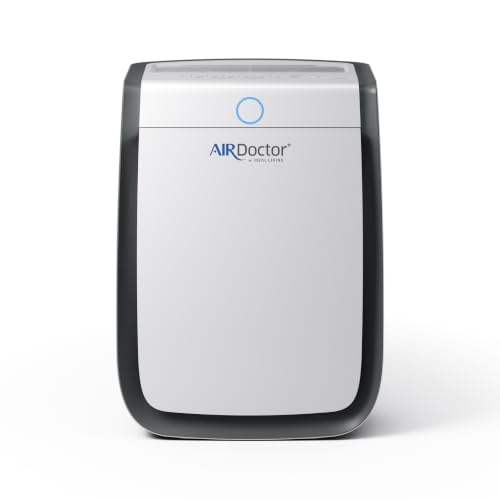

This guide covers room size, filters, noise, energy, and costs in plain terms. You will learn how to choose a purifier for your main rooms, place it well, and keep it running without high bills or constant maintenance.
Who Should Buy This Type
These purifiers suit households that want cleaner everyday air in living rooms and bedrooms. They work well for allergy prone members, dusty homes, pet owners, and city homes with outdoor pollution. If breathing problems affect your household, talk with your clinician as well as improving indoor air.
They are less suited to homes where the main problem is damp, mold, or poor ventilation, since a purifier cannot fix those root causes. For damp homes, fix leaks and improve airflow first, then use a purifier for remaining dust. A purifier helps air quality, but it does not replace ventilation and cleaning.
Key Features That Matter Most
Room size matching: Room size matching matters most, since an undersized purifier runs loudly without cleaning well. Check clean air delivery rates and recommended room size, then choose a model rated slightly above your room. For open plan homes, measure the whole open area, not just one seating zone.
Filter stages: Multi stage filtration combines pre filters for large dust, HEPA for fine particles, and carbon for odors. Each stage needs replacement on its own schedule, so check filter costs and intervals before buying. A purifier with too many stages may cost more without adding real benefit for your home.
Noise levels: Noise matters for bedrooms and living rooms, since purifiers run for many hours daily. Check noise at low and medium speeds, not just on sleep mode, since sleep mode may clean too slowly for daytime use. Place the purifier where airflow is clear, since blocked intakes increase noise.
Energy use: Energy use adds up with daily running, so check wattage at typical speeds. Energy efficient models cost little to run, while high speed models use more power. Running a correctly sized purifier on medium often uses less energy than running an undersized model on high all day.
Types and Options Compared
Home purifiers come as HEPA, multi stage, whole home, and compact models, and each suits a different house. HEPA models suit allergies and dust. Multi stage models suit mixed concerns. Whole home systems suit large houses with ducting, while compact models suit single bedrooms and small apartments.
- HEPA purifiers for allergies and fine dust.
- Multi stage purifiers for mixed dust and odor concerns.
- Whole home purifiers for large houses with ducting.
- Compact purifiers for bedrooms and small apartments.
Fit, Size, and Everyday Setup
Place the purifier in the room you use most, with clear space around intakes and outlets. Keep doors open if you want air to move between rooms, though one purifier cannot clean a whole house evenly. Run it consistently on a steady speed, rather than only on high when air feels bad.
Combine purification with regular cleaning, vacuuming, and ventilation. Open windows briefly for fresh air when outdoor air is clean, and keep the purifier running during cooking and cleaning that stir up dust. These habits together keep home air fresher than a purifier alone.
Budget and Long Term Value
Home purifiers often range from about $100 to $400, with filter replacements adding yearly costs. Multi stage models cost more in filters, while simple HEPA models cost less to maintain. Compare yearly filter costs and energy use, since a cheap purifier with costly filters can exceed a pricier model over two years.
Value comes from correct room size and filter life more than from smart features or app control. A purifier that fits your main room and runs quietly will be used daily, while a feature rich model that is noisy or undersized may sit unused. Check filter prices before buying.
You may also find these related guides useful as you compare options: best air cleaners and purifiers, best hepa air purifiers for home, best whole home air purifiers, best air purifiers for homes with pets, best air purifiers for home with pets.
Care and Maintenance
Replace filters on the maker schedule, and clean pre filters regularly to keep airflow strong. Vacuum intakes and exteriors to remove dust that blocks airflow. Keep the purifier dry, and check filter indicators alongside visual inspection, since dusty homes clog filters early.
Keep spare filters on hand, especially for allergy seasons when purifiers work hardest. Update firmware if the model offers it, and keep the purifier away from humid bathrooms that can damage filters. A few minutes of care each month keeps home air cleaning reliable.
Common Mistakes to Avoid
A common mistake is buying one purifier for a whole house, then finding it cleans only one room well. Another is choosing by smart features while ignoring room size and filter costs. Measure your main room, check filter prices, and prioritize airflow over app extras.
Skipping filter replacement is another trap, since clogged filters clean poorly and run loudly. Set reminders for each filter stage, and budget for replacements from the start. Regular filter care matters more than the initial purchase price for long term air quality.
Placing Purifiers in Different Home Layouts
Home layouts change where a purifier works best, since a flat with one main room needs a different approach from a two storey house with separate living and sleeping floors. In a flat, one well placed purifier in the main living area often covers daily life, while a second small unit in the bedroom helps overnight air. In a larger house, prioritize the rooms where people spend the most hours, usually the living room and the main bedroom, rather than trying to cover hallways and rarely used rooms. Stairwells and hallways rarely need their own purifiers, since air moves through them naturally when doors are open, though keeping doors open does help a single unit reach further.
Kitchen placement deserves care, because cooking produces particles and smells that a purifier can help with, but steam and grease can also damage filters if the unit sits too close to the stove. Place a purifier in the adjoining living area rather than directly in the kitchen, and use the cooker hood for cooking fumes, since hoods extract at source far more effectively. For bedrooms, place the purifier where its airflow reaches the bed without blowing directly onto a sleeper, which can feel draughty overnight. Finally, avoid placing purifiers behind curtains or furniture, since blocked intakes are the most common reason a well chosen purifier performs poorly in a real home.
Frequently Asked Questions
Do I need one purifier per room?
For best results, yes for main rooms, since one purifier rarely cleans a whole house evenly. Start with the living room or bedroom where you spend most time, then add units for other main rooms if needed. Keep doors open for some air movement, but expect each purifier to clean mainly its own room. Prioritize rooms where allergy prone members sleep.
How do I choose the right room size?
Measure your room and check clean air delivery rates and recommended room size for the purifier. Choose a model rated slightly above your room size, so it cleans well at quiet speeds. For open plan areas, measure the whole open space, not just the seating zone. An undersized purifier runs loudly without cleaning effectively.
Are home air purifiers noisy?
Noise varies by speed, with sleep modes quietest but slowest, and high speeds loudest. Check noise at medium speed, since that is the speed you will use most daily. Place the purifier with clear airflow, since blocked intakes increase noise. A correctly sized purifier cleans well at quieter speeds than an undersized one on high.
How much does a home purifier cost to run?
Running costs include electricity and filter replacements, with filters usually the larger yearly cost. Energy efficient models cost little per day on medium speed, while high speed running uses more power. Compare yearly filter prices and replacement intervals before buying, since a cheap purifier with costly filters can cost more over two years.
Can a purifier replace opening windows?
No, since purifiers clean particles but do not replace stale air with fresh oxygen or remove carbon dioxide build up. Open windows briefly when outdoor air is clean, and use the purifier alongside ventilation. For damp or mold problems, fix leaks and improve airflow first, since a purifier cannot solve those root causes alone.
Final Thoughts
The right home purifier fits your main room, matches your filter needs, and runs quietly every day. Use the product table above to compare types, then check room size and yearly filter costs before buying. Consistent use and regular filter care matter more than smart features.
In short, best air purifiers for home use should keep your everyday air cleaner, run quietly, and stay affordable to maintain. Choose a correctly sized multi stage model, place it well, and keep filters fresh for lasting results.