Best Air Purifiers for Germs at Every Price: What Your Money Really Gets You in 2026
Disclosure: We may earn a commission when you buy through links on this page, at no extra cost to you. As an Amazon Associate I earn from qualifying purchases. Learn more

Learn how to choose the best air purifiers for germs at every budget, with True HEPA, CADR, room size, noise, and filter cost guidance for daily home use.
Prices for purifiers that promise cleaner, healthier air run from under $80 to over $700, and the claims on the boxes sound nearly identical. What actually changes with money is airflow, filter quality, and how quietly the machine can run all day in a lived in room. This guide sorts the best air purifiers for germs by budget, explains what each tier really delivers for airborne particles that carry germs, and shows where extra spending stops helping.
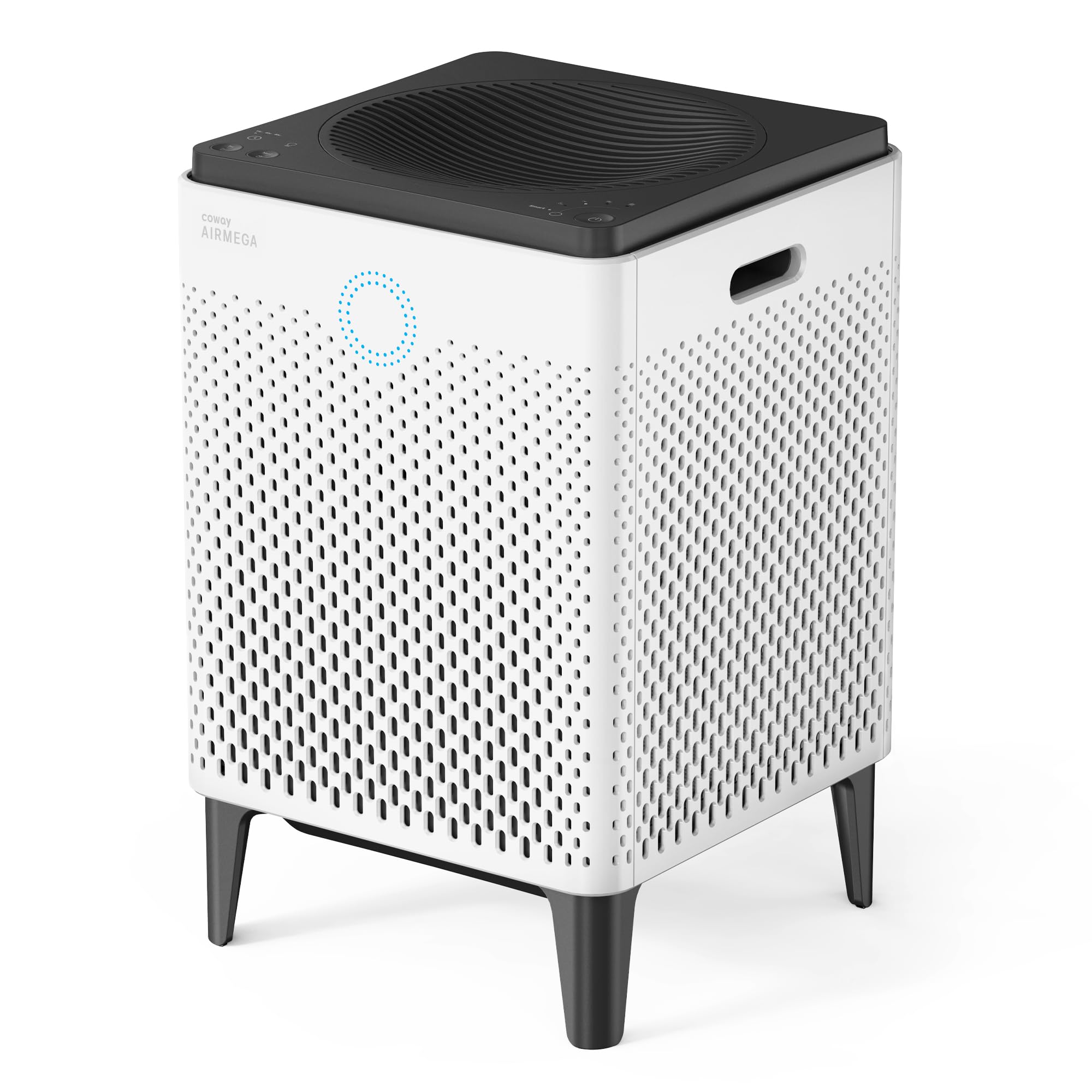
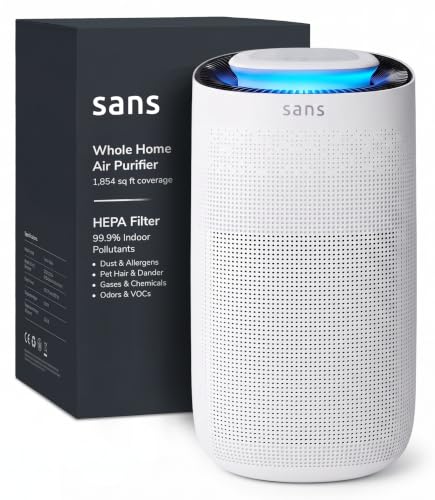
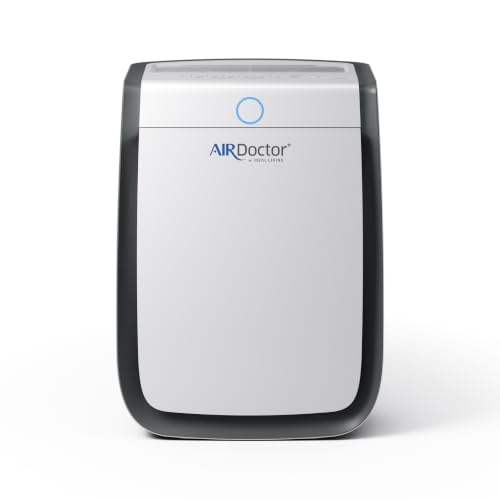
The comparison table below lists models that fit the standards in each tier. Decide your tier first using the sections ahead, then check the table, because a fair priced unit with a genuine True HEPA filter beats a costly one built around lights and gimmicks every time.




What a Good Choice Looks Like at Three Budget Levels
Rather than naming winners, this section sets the standard each price level must meet. Hold every model in the product table above against these descriptions and the differences between tiers become easy to see.
Budget Tier Standard
At around $80 to $180, a good choice is a compact unit with a genuine True HEPA filter and an honest CADR for one bedroom or study. Expect manual controls, a basic filter timer, and enough airflow to cycle a small closed room several times an hour. Extras like ultraviolet lamps at this price are usually weak and add little. The tradeoff is noise at top speed and a smaller coverage area. This tier suits a sick room, a nursery, or a desk side unit where one person spends most of the day.
Midrange Tier Standard
At around $180 to $400, a good choice adds a stronger fan, a particle sensor with auto mode, and quieter operation at useful speeds. CADR values here cover most bedrooms and many living rooms, and sealed filter housings become common, which matters because unfiltered air leaking around a filter undermines the whole point. Filter life stretches toward a year, lowering hassle. This tier suits most households that want a unit running in a main room all day without thinking about it, and it is where value for germ focused cleaning peaks.
Premium Tier Standard
Above around $400, a good choice delivers high CADR for large or open plan rooms, excellent sealing, and very quiet running at medium speed. You may also get detailed air quality displays, app scheduling, and larger filters that last longer between changes. What premium money does not buy is a different kind of filtering: the same True HEPA principle does the work at every tier. Buy premium for space, silence, and convenience, and only when your room size or your sensitivity to noise truly requires it.
What Your Money Gets You at Each Price Tier
Budget Tier: What to Expect
Budget units clean a small room competently and ask you to accept fan noise and simple controls in return. Their filters are smaller, so heavy use during illness in the household may shorten filter life. Ultraviolet or ionizer extras at this level are marketing garnish, since exposure time inside a fast moving airstream is too brief to matter much. Focus your budget check on two facts: a true HEPA filter, stated plainly, and a CADR that fits your room. If both are present, a budget unit is a rational buy for a single room.
Midrange Tier: The Sweet Spot for Most Buyers
Midrange units earn their keep through sensors and sealing. Auto mode reacts when cooking, cleaning, or a coughing fit loads the air, then settles down, saving filter life and electricity. Sealed housings ensure the air you breathe actually passed through the HEPA media. This is also the tier where replacement filters stay reasonably priced and easy to find, which matters over years of ownership. For background on how HEPA models are built across brands, see our guide to the best air purifiers hepa options and their filter styles.
Premium Tier: When Spending More Pays Off
Premium spending pays off in three narrow situations: a large open space that budget fans cannot cycle fast enough, a light sleeper who needs strong cleaning at low noise, and a household that runs the unit every hour of the year and values long filter intervals. App based scheduling and air quality history add comfort but not cleanliness. If none of those situations sounds like your home, the premium tier mostly buys appearance. Put the savings toward a second midrange unit for another room instead, and total household coverage will improve more.
Features Worth Paying For and Ones to Skip
Installation and Placement
There is no installation beyond unboxing, removing the filter bag, and plugging in, so spend your attention on placement instead. Put the unit in the room where people spend the most time or where someone is recovering, with clear space around the intake. Keep it off thick carpet if the intake sits low, since fibers can block airflow. During illness at home, many families place the unit between the sick room and shared space, near the doorway, so air leaving that room passes the filter early.
Room Size and Coverage
Germ carrying particles behave like other fine particles, so the standard sizing rule applies: CADR of at least two thirds of the room area in square feet, giving roughly 4 to 5 air changes per hour at higher speeds. More air changes mean airborne particles are captured sooner after someone coughs or sneezes. A small unit in a big room may still help near a desk or bed, but it will not condition the whole space. Measure your room honestly and size for the space where the unit will actually live.
Energy Efficiency and Operating Cost
A purifier only reduces airborne germs while it runs, so all day operation is the normal pattern and efficiency matters. ENERGY STAR certified models clean more air per watt, keeping monthly cost to a few dollars at typical speeds. Sensors and auto mode cut waste further by idling the fan when air is already clean. Check watt draw at medium speed rather than the maximum figure, and remember that a slightly larger efficient unit on low often uses less power than a small unit straining on high. For whole home comparisons, see our guide to the best home air purifiers.
Features That Matter for Germs
True HEPA filtration is the feature that matters, because it captures the tiny droplets and particles that carry viruses and bacteria as air passes through. A sealed housing is its essential partner. Ultraviolet lamps inside purifiers vary widely in strength and exposure time, so treat them as a bonus, never the reason to buy. Ionizers deserve caution, since some release ozone. What you can safely skip includes fragrance cartridges and decorative lights. For a wider category view, see our guide to the best air cleaners and purifiers, which explains how cleaning methods differ.
Long Term Costs to Factor In
Plan on HEPA filter replacement every 6 to 12 months, costing around $30 to $80 for small units and more for premium models, plus a washable or replaceable prefilter that protects the main filter from dust. Electricity for all day running adds only a few dollars a month for efficient models. Warranty coverage of 2 to 5 years is common in midrange and premium tiers and worth having, since fans run constantly. Add the first two years of filters to the purchase price before comparing models, and rankings often flip: the cheaper box with pricey filters becomes the expensive choice. Common filter sizes also stay in stock during cold and flu season, when demand spikes.
Frequently Asked Questions
What features matter most in air purifiers for germs?
A genuine True HEPA filter inside a sealed housing matters most, with CADR matched to your room. One extra point is filter handling: when you change a loaded filter, bag it at once and wash your hands, because the media holds months of captured particles. That small habit keeps the benefit of all that filtration from ending up back on your hands and counters.
Is an air purifier expensive to run all day?
No, an efficient model on medium speed typically costs a few dollars a month to run all day. Costs rise on turbo settings, which are best saved for short periods, like after cleaning or when a household member is ill. Using auto mode is the easiest way to keep protection high and cost low, because the fan only works hard when the sensor sees a reason.
Do air purifiers really work against germs?
They work on the airborne share of the problem: HEPA filters capture particles that carry germs, steadily lowering what floats in a closed room. They do not disinfect surfaces, and they cannot stop close contact spread across a dinner table. Think of the purifier as one layer beside hand washing, ventilation, and staying home when ill. Used that way, it lowers the background load of airborne particles in the room.
How often should I replace the filter in an air purifier?
Follow the maker schedule, usually 6 to 12 months for HEPA filters, and replace sooner if airflow drops or odors linger. Homes with pets or smokers load filters faster. A detail worth knowing: a filter changed during peak illness season starts fresh exactly when you need full performance, so many households time changes for early autumn. Mark the date on the filter frame so the schedule never depends on memory. For filter style comparisons, see our guide to the best air cleaners.
What size air purifier do I need for my room?
Choose a CADR at least two thirds of your room area in square feet, then consider one size up if the room is a shared living space where several people gather. Shared rooms benefit from faster capture because new particles arrive constantly. A slightly oversized unit on a lower speed also runs more quietly, which encourages the all day use that makes germ focused cleaning worthwhile in the first place.
Wrapping Up
Pick your tier by room size and noise tolerance, then insist on a sealed True HEPA filter and an honest CADR at whichever price you land on. Use the product table above to confirm those two facts before paying for extras. Chosen that way, the best air purifiers for germs give you steady, sensible air cleaning for the rooms you use most. A purifier does not replace medical care, so if you or a family member has breathing difficulty, a weakened immune system, or symptoms that worry you, talk with your doctor about your personal situation and the precautions that fit your household.