Best Air Purifiers for Formaldehyde: Complete Buying Guide for 2026
Disclosure: We may earn a commission when you buy through links on this page, at no extra cost to you. As an Amazon Associate I earn from qualifying purchases. Learn more

Learn how to choose the best air purifiers for formaldehyde with carbon filter guidance, CADR sizing, safety checks, placement tips, and running costs.
New flooring, pressed wood furniture, and fresh paint can all release formaldehyde into indoor air, and the gas is invisible and hard to judge by smell alone. Many purifiers that excel at dust do almost nothing for gases, which is why this purchase confuses so many shoppers. This guide explains how the best air purifiers for formaldehyde actually capture the gas, what specifications prove it, and how to combine filtration with ventilation and source control for a result you can trust.
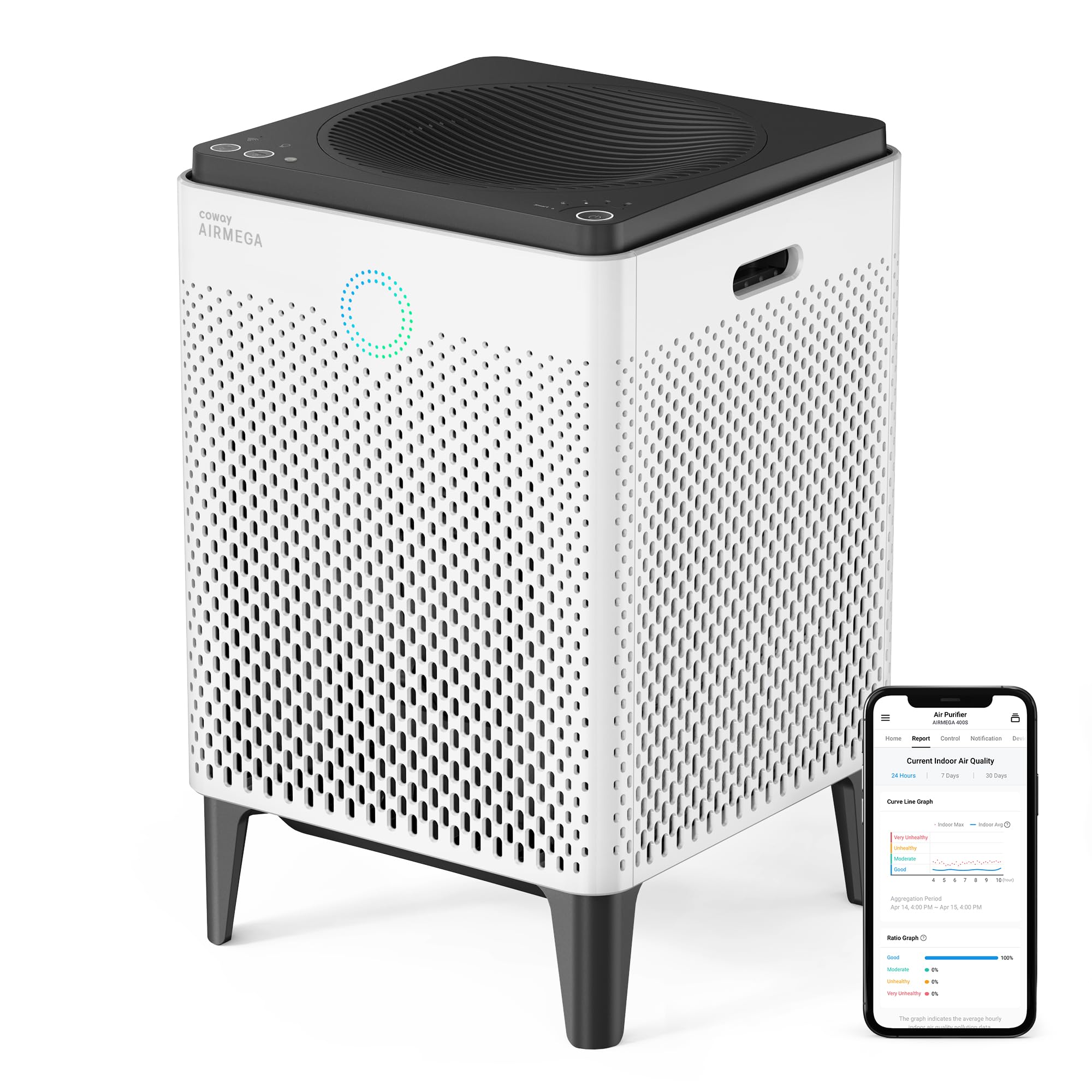
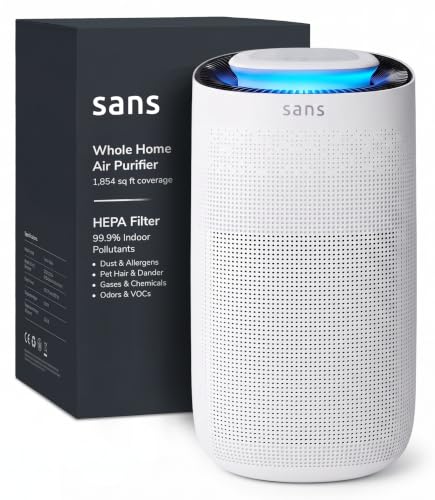
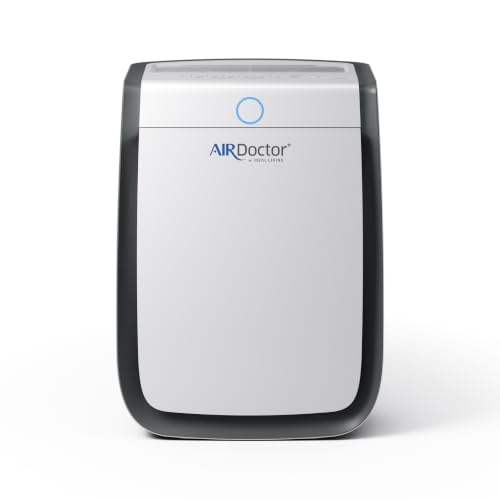
The comparison table below collects models built around serious gas filtration. Read the buying guide sections first, because the single most important decision, the type and amount of carbon media, is exactly the detail that marketing pages describe the most vaguely.




Three Levels of Gas Filtration and What Each Should Deliver
Judge every option by the depth of its gas filtration, not by its dust ratings. The three levels below describe what a model should offer at each step, so you can grade anything in the product table above on the same scale.
Core Standard
A model meeting the core standard should carry a deep bed of activated carbon, ideally treated media blended for aldehydes, alongside a True HEPA filter for particles. It should state carbon weight in pounds and offer a CADR suited to a main living room. Expect to pay around $300 to $550. This level suits a home with new flooring or several new furniture pieces releasing gas at once. If a model at this price hides its carbon amount or uses a thin carbon sheet, it does not meet the standard, whatever its particle ratings claim.
Value Standard
A value model should still put real carbon first: a replaceable carbon filter with meaningful weight, not a carbon coated mesh, at around $150 to $300. It may cover a smaller room and skip smart features, and its HEPA stage handles the dust that comes with renovation work. This level suits one bedroom with a new wardrobe or flooring in a single room. The compromise is lifespan, since smaller carbon beds saturate sooner under a strong source, so plan on earlier filter changes and keep the receipt for warranty support.
Upgrade Standard
An upgrade model should offer the deepest carbon bed in its class, long media life, and a formaldehyde sensor or a clear display of gas levels, at prices above around $550. Large cabinets hold more treated carbon, which is the one upgrade that directly improves gas removal. This level suits whole floor coverage, chemically sensitive occupants, and homes undergoing major renovation. If your source is small and temporary, the upgrade is hard to justify, because ventilation and time solve mild cases for free while the machine and its costly filters keep charging you.
How to Choose the Best Air Purifiers: Buying Guide
Features That Matter for Formaldehyde
Formaldehyde is a gas, and gases pass straight through HEPA media, so the carbon stage does the real work here. Look for several pounds of activated carbon, and favor media treated with substances that bind aldehydes, since plain carbon holds formaldehyde weakly and can release it when saturated. A sealed filter housing matters too, because gas that bypasses the carbon bed never gets treated. For a wider view of filtration types, see our guide to the best air purifiers hepa models and how HEPA stages pair with carbon.
Room Size and Coverage
Size the unit to the room holding the strongest source, usually the room with new flooring or furniture. Use the CADR guidance of at least two thirds of the room area in square feet for particle cleaning, but remember that gas removal depends on how much air passes through the carbon bed each hour. In practice, choose a unit rated for a room somewhat larger than yours, so the carbon stage sees more air at a quieter speed. Open doors between a renovated room and the rest of the home argue for a larger unit or a second one.
Safety Features
Check for recognized electrical safety certification such as UL or ETL listing, and AHAM verified ratings where available. Avoid any device that generates ozone, including some ionizer and plasma designs, because ozone irritates airways and can react with indoor chemicals to form additional formaldehyde. A stable base, tip over protection on tower designs where offered, and a filter compartment that seals shut all matter in homes with children and pets. Finally, confirm the unit carries a low or zero ozone certification from a state or national program if it uses any electronic cleaning stage.
Filter Type and Replacement Cost
The filter stack usually runs prefilter, True HEPA, and a deep carbon bed, and the carbon is the consumable that decides your yearly cost. Under a strong formaldehyde source, carbon can saturate in a few months, far sooner than the yearly schedule printed on the box. Annual costs range from around $80 for compact units to over $300 for large upgrade models. Ask how you will know the carbon is spent: a gas sensor helps, while a simple timer cannot smell saturation. For general category background, see our guide to the best air cleaners and how filter based cleaning compares.
Smart Controls and Sensors
Most particle sensors cannot detect formaldehyde, so a standard air quality display may show clean air while gas levels stay high. Models with a dedicated gas or VOC sensor give more useful feedback for this job, though readings are estimates rather than lab measurements. App alerts for filter changes help you keep the carbon fresh, and schedules let you run the unit hard while a renovated room sits empty. Treat smart features as support for the carbon strategy, never as proof of gas removal by themselves.
Performance Ratings
CADR measures particle cleaning speed and still matters, because renovation dust and everyday particles ride along with the gas problem. BTU figures belong to cooling appliances and pints per day to dehumidifiers, so ignore both here. For gases, the honest performance clues are carbon weight, bed depth, and any published gas removal testing by the maker. A model with modest CADR but a deep treated carbon bed will outperform a high CADR model with a token carbon sheet on formaldehyde every time, which is the central lesson of this guide.
Types of Air Purifiers
Smart and WiFi Models
Smart models add app control, schedules, and sensor displays. They suit renovation projects where you want the unit working hard in an empty room and easing off when the family returns. Their weakness is that most sensors track particles or broad gas mixes rather than formaldehyde alone, so the display can flatter performance. Choose a smart model for convenience and filter alerts, but judge it by carbon weight first. If the carbon is thin, no amount of connectivity will fix the chemistry.
Small Room Units
Small room units fit bedrooms and studies and cost less to buy and feed with filters. Their carbon beds are smaller, so they suit a single modest source, like one new bookcase, rather than a fully renovated room. Run them with the door closed for the best effect, since gas builds in the sealed space where the unit can cycle the same air repeatedly. For broader whole home context, see our guide to the best home air purifiers, which covers larger spaces and multiple rooms.
Portable Units
Portable freestanding units let you move serious filtration to whichever room is being renovated or furnished next. That flexibility is valuable during a phased remodel, where the source moves from kitchen cabinets one month to bedroom flooring the next. Check weight before choosing, because deep carbon beds make these machines heavy, and a unit you dread moving will stay in the wrong room. Wheels and handles are worth more here than in most categories, and cord length decides whether the unit can sit near the source.
Tips to Get the Most From Your Air Purifier
- Replace or clean filters on schedule. Vacuum the prefilter monthly, and treat carbon replacement as the main event, since spent carbon quietly stops capturing gas.
- Keep doors and windows closed while running the unit in a treated room. Sealing the room lets the carbon bed process the same air repeatedly, which is how gas levels actually fall.
- Leave clearance around intake and exhaust. Crowded corners starve airflow and cut both particle and gas cleaning.
- Ventilate when outdoor air is clean. Opening windows on a mild day flushes gas faster than any filter, so pair ventilation with filtration instead of choosing one.
- Control the source first. Sealing pressed wood edges, washing new fabrics, and letting new furniture air out in a garage all reduce the load before the purifier ever starts. For more category basics, see our guide to the best air cleaners and purifiers.
FAQs
What features matter most in air purifiers for formaldehyde?
A deep bed of treated activated carbon matters most, followed by a sealed housing and a True HEPA stage for particles. One point the body sections only touch on is temperature: carbon holds gases less well in hot rooms, so a unit working in a warm, freshly painted space may saturate faster than its rating suggests. Keep the room reasonably cool and the carbon will serve longer.
How often should I replace the filter in an air purifier used for formaldehyde?
Replace the carbon stage as soon as chemical odor returns quickly after the unit runs, which can be as early as 3 to 6 months under a strong source. HEPA filters usually last 6 to 12 months. A practical habit is to note the date you install each carbon filter and check odor weekly; your nose, used carefully at the outlet, detects saturation earlier than any timer on the control panel.
What size air purifier do I need for my room?
Choose a unit rated for a room larger than the one holding the source, so air passes through the carbon bed many times per hour. Room shape matters as well: a long room with the source at one end benefits from placing the unit near the source rather than sizing up blindly. Start with the source room, measure results by odor and symptoms over two weeks, then decide whether a second room needs coverage.
Where is the best place to put an air purifier for formaldehyde?
Place it in the same room as the strongest source, near that source but with clear space around the intake. Putting the unit beside new cabinetry or flooring lets it capture gas before the gas spreads through the home. Avoid hiding it behind the very furniture causing the problem, since blocked airflow wastes the placement advantage. A few feet of open space on the intake side is the goal.
Do air purifiers really work for formaldehyde?
Yes, but only the carbon stage does the work, and only within its capacity. A purifier steadily lowers gas levels in a closed room while the source is modest, yet it cannot outrun a strong source in a sealed space forever. Think of it as one leg of a three leg plan with source control and ventilation. If odor stays intense after two weeks of correct use, the source itself needs professional attention.
Our Verdict
For formaldehyde, spend on treated carbon weight first, sealed construction second, and particle CADR third, and use the product table above to compare those details side by side. Pair the machine with ventilation and source control, and replace carbon on evidence, not on hope. With that approach, the best air purifiers for formaldehyde deliver a calmer, fresher home while new materials finish releasing gas. If you notice eye, nose, or throat irritation, headaches, or breathing trouble that eases when you leave the building, talk with your doctor, and discuss your personal exposure and health needs with a qualified professional.