Best Air Purifiers for Desk: Which One Fits the Way You Use It in 2026
Disclosure: We may earn a commission when you buy through links on this page, at no extra cost to you. As an Amazon Associate I earn from qualifying purchases. Learn more

Not all air purifiers fit every routine. See which best air purifiers for desk match how you actually use them, what features to prioritize, and what to skip.
There is no single desk purifier that suits every routine, because a desk in a quiet bedroom, a shared office, and a workshop corner all ask for different things. The right choice depends on how close you sit, how long you stay, and how much space you can spare.
This guide sorts buyers by how they actually work, then walks through the features that change daily comfort. If you are comparing best air purifiers for desk use, match your routine first, then use the comparison table below to check footprint, noise, and filter costs.
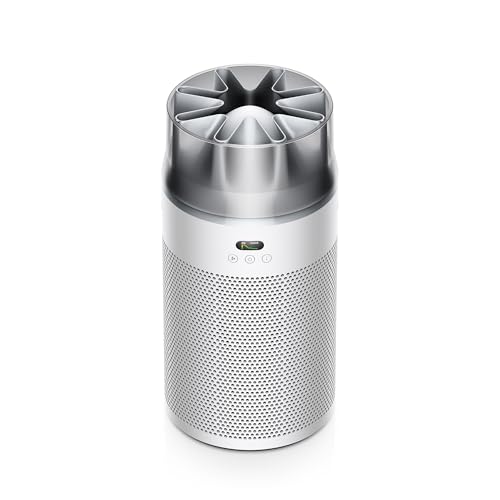


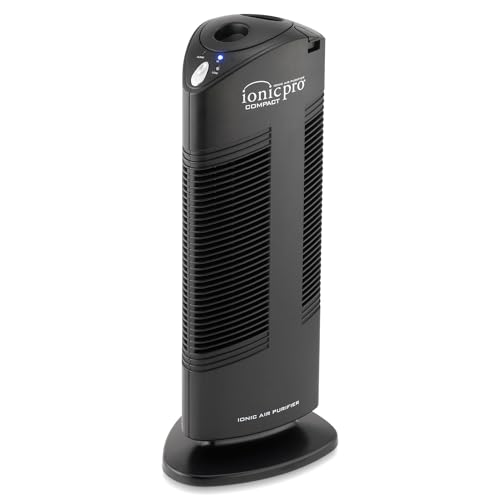


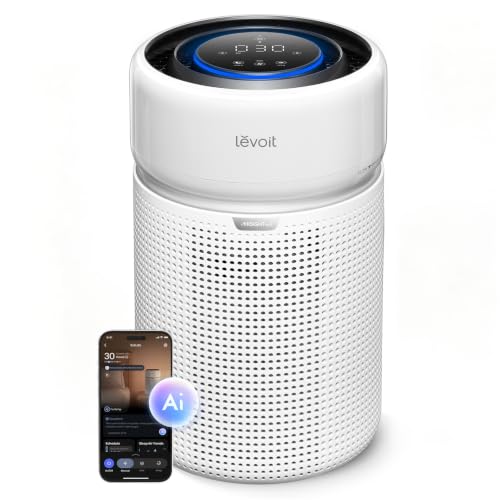


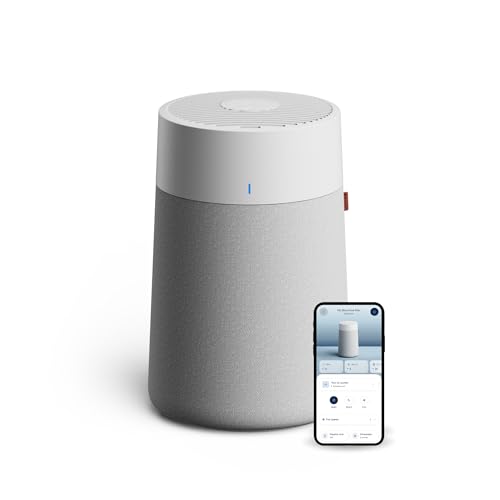
Who Should Buy Which Air Purifiers?
Start with your day, not with a spec sheet. The four groups below cover most desk setups, and each one points to a different balance of power, size, and upkeep.
For People Who Want the Best Performance
If you sit at your desk for long hours and notice dust, pollen, or odors building up, you are the buyer who benefits from a stronger unit. Look for True HEPA filtration, a CADR that can clean a small room several times per hour, and a sensor that adjusts speed on its own.
You will pay more at purchase and more for filters, but the gain is faster cleaning and steadier air during calls and focused work. A unit that sits on the floor beside the desk can outperform a tiny unit on the desk itself, so consider that trade if space allows.
For First Time Buyers
Your first unit should be simple to run and hard to get wrong. Choose clear controls, a filter change light you cannot miss, and a size that fits your desk without covering your work surface.
Skip complex app setups and extra modes you will never touch. A basic, well sealed unit with a real HEPA filter will teach you what cleaner air feels like at your desk, and you can judge from there whether you want more power or smart features later.
For Gift Shoppers
A desk purifier makes a practical gift for a student, a new remote worker, or anyone setting up a small home office. Pick a compact design that suits most rooms, a quiet low speed for calls and study, and a brand with an easy warranty claim process.
Include the first filter already installed and, if your budget allows, a note about when to change it. Avoid highly personal choices like strong scent cartridges, because the person receiving the gift may not enjoy added fragrance near their face all day.
For Value Seekers
Value at a desk means low total cost over two or three years, not the lowest shelf price this week. Compare filter prices before you buy, because a cheap unit with pricey filters that change often can cost more than a mid priced unit with longer filter life.
Look for an efficient motor, a washable prefilter that protects the main filter, and standard filter sizes that stay in stock. Our guide to the best home air purifiers shows how these running costs scale up for larger rooms if you later move the unit.
Key Features to Compare
Desk use magnifies small details. A fan that seems quiet across a room can feel loud at arm length, and a footprint that looks tiny online can crowd a laptop, a lamp, and a notebook.
Features That Matter for Desk
A desk unit works in your personal breathing zone, so clean air delivery close to where you sit matters more than a big room rating. Aim for a compact unit with True HEPA filtration and an outlet that sends air toward you without blowing papers or drying your eyes.
Footprint is a real spec at a desk. Measure the free corner of your work surface and leave room for the intake, which often sits on the side or back of the unit. For filter basics and what HEPA labels should say, see our guide to the best air purifiers hepa before you choose.
Know how point: tape a sheet of paper to your desk in the exact footprint of a unit you are considering and live with it for a day. That simple test reveals crowding that product photos hide, and it costs nothing.
Energy Efficiency and Operating Cost
Most desk units use little power, often about 5 to 50 watts depending on speed and whether they run from an outlet or USB power. Even run all workday, the electricity cost is usually a few cents, so filters dominate your yearly spend.
An ENERGY STAR rating signals an efficient motor, which matters more if you run the unit around the clock in a bedroom. Add the yearly filter cost to the purchase price in your notes, and compare that two year total across the units on your short list.
Safety Features
Look for a UL or ETL listing, which means the electrical design has passed independent safety checks. AHAM verification, where available, backs up the CADR claims so you can trust the cleaning speed on the box.
A stable base matters on a desk, where a bumped elbow can knock a light unit over. Some models add tip over shutoff or a child lock for the controls, both useful in a family home office. Keep cords tidy and away from chair wheels, which can fray insulation over months of rolling.
Room Size and Coverage
Coverage ratings assume a whole room, but a desk unit mainly needs to clean the air around your chair and work surface. Still, check the square feet rating so you do not buy a novelty unit that can barely handle a closet.
A useful target is enough CADR for four to five air changes per hour in a small room or a defined work corner. If your desk sits in a large open plan office, a personal unit will improve your immediate area but will not clean the entire floor, so set expectations accordingly.
For a wider view of cleaner types and room ratings, see our guide to the best air cleaners and purifiers, which explains how personal and whole room categories differ.
Filter Type and Replacement Cost
True HEPA is the filter to insist on for fine dust and pollen at your desk. Many small units pair it with a thin carbon layer for light odors from food, markers, or a nearby kitchen, though a thin layer fades faster than a thick carbon bed.
Check the change interval and the price of a genuine replacement before you buy. Some compact units need a new filter about every six months, which can total about $40 to $100 per year. A washable prefilter, cleaned monthly with a vacuum, slows dust buildup and helps the main filter last its full term.
Common Mistakes to Avoid When Buying Air Purifiers
- Judging by price alone. A low price can hide short filter life and weak airflow, so compare the two year cost and the CADR together.
- Ignoring desk specific needs. Noise at arm length, footprint, and outlet direction matter more at a desk than in a living room corner.
- Buying far too small. A decorative mini unit may move too little air to change what you breathe, even in a small work corner.
- Blocking the intake. Pushing the unit flush against a monitor or wall starves airflow and cuts cleaning sharply.
- Skipping the warranty check. A one year warranty with easy filter supply is worth more than extra modes you will never use.
Setup and Care Tips
Unbox the unit, remove the plastic wrap from the filter, and place it where the intake has clear space on all sides. Point the outlet so cleaned air flows across your breathing zone, not straight at loose papers or directly into your eyes.
Replace or clean filters on schedule, and keep doors and windows closed while the unit runs if outdoor pollen or traffic dust is your main concern. Leave clearance around the intake and exhaust at all times, and wipe the outer grille weekly so dust on the surface does not get pulled back in.
Know how point: run the unit on a higher speed for the first fifteen minutes at your desk, then drop to a quiet speed for calls and focused work. That pattern clears the air that built up overnight without keeping fan noise high all day.
FAQs
What features matter most in air purifiers for desk use?
True HEPA filtration, a footprint that fits your work surface, and low noise at arm length matter most. Outlet direction also counts, because air aimed well cleans your breathing zone faster. One point many buyers miss is cord length, so measure from your outlet to the desk corner before you order to avoid running the cord across your foot space.
Where is the best place to put a desk air purifier?
Place it on the desk corner closest to where dust enters, or on the floor beside the desk with the outlet aimed upward toward you. Keep clear space around the intake and keep it out of the direct path of a fan that would blow unfiltered air past you. Avoid the spot right behind your monitor, which traps airflow.
How often should I replace the filter in a desk air purifier?
Most desk units need a new main filter about every six to eight months with daily use, though the change light gives the best signal for your home. Dusty rooms and pets shorten that span. Vacuum the prefilter monthly, because a clogged prefilter makes the main filter work harder and can bring back odors sooner than expected.
Is a desk air purifier expensive to run all day?
No, a typical desk unit uses only a few cents of electricity per workday, even on higher speeds. Filter changes cost far more than power over a year. If you use a USB powered model at a laptop, note that it draws from the laptop battery when unplugged, so an outlet powered unit suits long sessions away from a charger.
Do air purifiers really work?
Yes, a sealed unit with True HEPA filtration removes much of the dust and pollen that passes through it, and you feel the effect most in a small, defined area like a desk corner. It will not remove odors without carbon or clean a whole open plan floor on its own. Closed doors and steady running give the clearest results.
What size desk air purifier do I need for my room?
For a desk in a small room, choose a unit rated for at least that room size, with enough CADR for several air changes per hour. In a large room, judge by your work zone and pick the stronger end of the compact range. If you often move between rooms, a portable size you can carry with one hand is worth more than a slightly higher rating.
Wrapping Up
Match the unit to your routine first: performance buyers need stronger CADR and sensors, first time buyers need simple controls, and value seekers should compare filter costs over two years. At any desk, keep footprint, noise at arm length, and True HEPA filtration at the top of your list.
When you compare best air purifiers for desk options, use the product table above and our guide to the best air cleaners to check how compact cleaners differ from desk purifiers. A unit that fits your space and runs quietly all day will do far more for you than a stronger unit that stays switched off.