Best Air Purifiers for Dental Offices: A First Time Buyer's Guide for 2026
Disclosure: We may earn a commission when you buy through links on this page, at no extra cost to you. As an Amazon Associate I earn from qualifying purchases. Learn more

Shopping for the best air purifiers for dental offices for the first time? Learn the terms, compare options, and avoid rookie mistakes with this easy guide.
Buying your first purifier for a dental practice can feel confusing, because the labels use terms you may never have needed before. This guide starts with the basics, explains each spec in plain English, and ends with a simple way to choose with confidence.
You will learn how to size a unit for a treatment room, what True HEPA and carbon filters actually do, and how much noise and upkeep to expect. If you are comparing best air purifiers for dental offices for the first time, start here and then use the comparison table below to check sizes and ratings side by side.
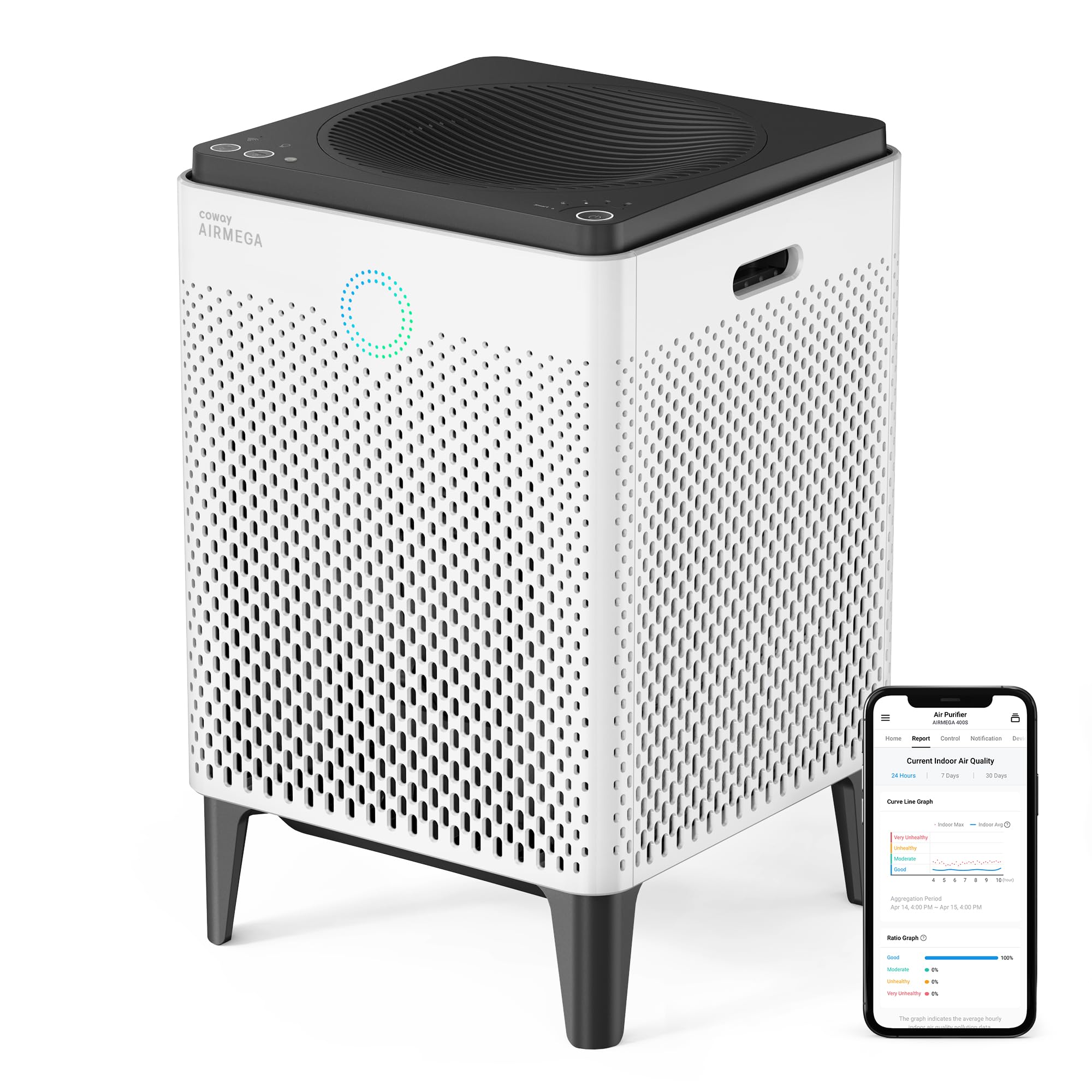

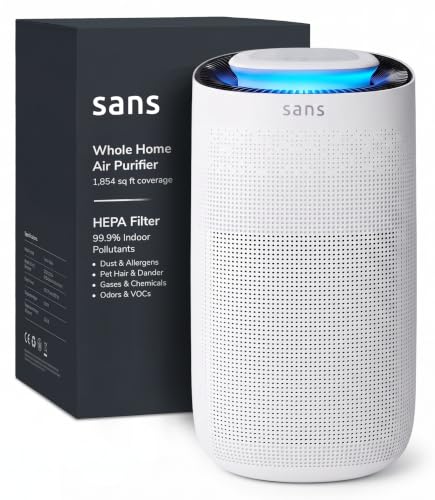


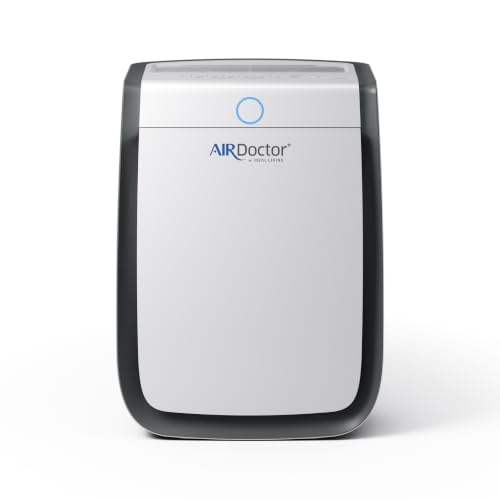


Air Purifiers 101: The Basics
An air purifier is a fan that pulls room air through one or more filters and sends cleaner air back into the room. Dust, pollen, and tiny particles from drilling and polishing get trapped in the filter instead of staying in the air for patients and staff to breathe.
The machine does not sterilize tools, clean surfaces, or replace your ventilation system. It only cleans the air that passes through it, so room size, placement, and run time matter as much as the filter itself.
Most offices run one unit in each treatment room rather than one large unit for the whole suite. For a broader look at workplace units before you narrow down, see our guide to the best office air purifiers, which covers shared work areas and waiting rooms.
Key Specs Explained in Plain English
The spec sheet looks technical, but only a handful of numbers decide whether a unit will work in your practice. Read the sections below in order and you will be able to judge any model in a few minutes.
Features That Matter for Dental Offices
Dental work creates fine spray and particles close to the patient chair, and patients sit still with their mouths open for long stretches. That is why you want a sealed unit with True HEPA filtration, a strong fan on higher speeds, and a carbon stage for odors from cleaning products and materials.
Look for a particle sensor that raises fan speed on its own when the air gets dirty during a procedure. A simple display your team can read at a glance also helps, because a unit left switched off cleans nothing.
Concerns about airborne illness are common in close contact care, and our guide to the best office air purifiers for COVID explains that side of office air cleaning in more depth. A purifier supports your infection control routine, but it never replaces ventilation, masks, or sterilization steps required by your local rules.
Room Size and Coverage
Coverage is listed in square feet, and it tells you the largest room the unit can clean well at a stated fan speed. Measure each treatment room on its own, because a rating for one open space does not carry over to three closed rooms down a hall.
Aim for four to five air changes per hour in a treatment room, which is often written as ACH. More air changes mean particles are removed sooner after a procedure ends, so the room is ready for the next patient faster.
If your suite mixes small operatories with a larger reception area, our guide to the best air purifiers for office space can help you think through mixed layouts. When a room falls between two sizes, choose the larger unit and run it on a lower, quieter speed.
Performance Ratings
CADR stands for Clean Air Delivery Rate, and it shows how fast a unit delivers cleaned air for dust, pollen, and smoke. Higher CADR means faster cleaning, and AHAM publishes a standard way to compare these numbers across brands.
A quick rule is to pick a smoke CADR that is at least two thirds of your room area in square feet. CFM, or cubic feet per minute, is a related airflow figure some makers list instead, and it should rise along with CADR.
You may see BTU or pints per day on other air appliances in your office, but those rate cooling and moisture removal, not purifiers. For a plain English overview of cleaner categories, see our guide to the best air cleaners and purifiers before you compare spec sheets.
Noise Level and Sleep Mode
Noise is measured in decibels, written as dB, and most units list a range from the lowest speed to the highest. A calm conversation is around 60 dB, so a unit near 50 dB on its working speed will be easy to talk over in the chair.
The quiet setting, often called sleep mode, suits a reception area or a room between patients. It will clean more slowly, so plan to use a higher speed during and right after procedures, then turn the unit down.
Know how point: place a small mat or keep the unit on a hard, level floor away from the chair, because vibration against a cabinet can make a quiet unit sound louder than its rating. Check noise at the speed you will actually use, not only at the lowest setting in the store listing.
Filter Type and Replacement Cost
True HEPA filters trap very small particles, including much of the fine spray that matters in a treatment room. A unit that only claims a HEPA type or HEPA style filter has not met the same standard, so read that line of the spec sheet with care.
Activated carbon handles odors and some gases, and a thicker carbon bed lasts longer before smells break through. Many offices also use a washable or replaceable prefilter that catches larger dust and extends the life of the main filter.
Budget for replacements from the start, because a busy practice may spend about $100 to $300 per unit each year on filters. Write the change date on a label on each filter, since a clogged filter cuts airflow and leaves you paying for power without much cleaning.
Installation and Placement
Most dental office units need no installation beyond unboxing, removing the plastic wrap from the filters, and plugging into a standard outlet. Skipping that plastic wrap step is a classic first day error, and the unit will move air poorly until the wrap comes off.
Leave clear space around the intake and the outlet, usually about one to two feet, so air can enter and leave freely. Keep the unit near the source of particles but out of walkways, and never drape cords across a path where staff carry trays.
Placement near the patient chair, with the outlet aimed so cleaned air flows across the room, works better than tucking the unit behind a closed cabinet. If a room has a door that stays shut during treatment, treat that room as its own zone with its own unit.
Rookie Mistakes to Avoid
- Buying one unit for the whole suite. Closed doors block airflow, so separate treatment rooms each need their own correctly sized unit.
- Judging by room size alone. A rating based on low air changes may look generous but clean too slowly between patients, so check the ACH behind the number.
- Ignoring filter cost. A low purchase price can pair with costly filters that need frequent changes, raising your yearly spend.
- Leaving the unit off between patients. Particles linger after a procedure, so steady running cleans far more than short bursts.
- Expecting a purifier to fix ventilation. Stale air, humidity, and code requirements are ventilation jobs, and a purifier does not bring in fresh outdoor air.
Getting Started: Setup and First Use
Start by unboxing the unit in the room where it will live, removing all filter packaging, and checking that each filter sits firmly in place. Plug it in, run it on the highest speed for the first hour, and listen for rattles that suggest a loose panel or filter.
Next, set a simple routine your whole team can follow. Run the unit through the workday, keep doors and windows closed while it runs so outdoor dust stays out, and replace or clean filters on the schedule in the manual rather than waiting for odors.
Know how point: keep a spare prefilter for each unit so a cleaning day never leaves a room without protection. Log the install date in your office maintenance calendar, and add filter dates to the same calendar your team already checks for other equipment service.
FAQs
What features matter most in air purifiers for dental offices?
True HEPA filtration in a sealed housing, enough CADR for four to five air changes per hour, and a carbon stage for odors matter most. A particle sensor and clear controls help staff keep the unit running correctly all day. Also check that replacement filters are easy to order, because a unit waiting weeks for a filter protects nobody during that gap.
Is a dental office air purifier expensive to run all day?
No, most units use about as much power as a bright light bulb on medium speeds, so a full workday usually costs well under a dollar in electricity. Filter changes are the larger cost, not power. Choosing an ENERGY STAR model and running a higher speed only during procedures trims the bill further without giving up much cleaning.
How often should I replace the filter in a dental office purifier?
Most main HEPA filters last about six to twelve months in a busy practice, while carbon stages may need changing sooner if odors return. Follow the indicator on the unit, but also note the date, because heavy daily use can exhaust a filter before a simple timer expects it. If airflow drops or noise rises, inspect the prefilter first.
What size air purifier do I need for a dental treatment room?
Measure the room in square feet, then choose a unit whose CADR supports four to five air changes per hour in that space. A small operatory often suits a mid size unit, while a larger surgical room needs a higher CADR model. When in doubt, size up and use a lower speed, which also keeps noise down for nervous patients.
Where is the best place to put an air purifier in a dental office?
Place it on the floor near the patient chair, with clear space around the intake and outlet and no cords crossing walkways. Keep it away from corners and closed cabinets, which starve airflow. In a long room, a spot partway along the wall often circulates cleaned air more evenly than a spot right beside the door.
Do air purifiers really work?
Yes, a correctly sized purifier with True HEPA filtration removes a large share of airborne particles that pass through it, including dust and fine spray. It works best as one layer alongside ventilation, surface cleaning, and your normal infection control steps. It will not remove gases without carbon, and it cannot clean air in a room it never reaches.
The Bottom Line
Focus on three things: True HEPA filtration in a sealed unit, enough CADR for four to five air changes per hour in each treatment room, and a filter cost your practice can sustain. Size each room on its own, place the unit near the chair with clear airflow, and keep it running through the day.
When you compare best air purifiers for dental offices, use the product table above to line up coverage, noise, and filter details for your rooms. Talk with your infection control lead or a qualified ventilation professional about personal and practice needs, since a purifier supports, but never replaces, your required safety systems.