Best Air Purifiers for Cooking Odors: Which One Fits the Way You Use It in 2026?
Disclosure: We may earn a commission when you buy through links on this page, at no extra cost to you. As an Amazon Associate I earn from qualifying purchases. Learn more

Learn how to choose the best air purifiers for cooking odors by comparing carbon filtration, room size, placement near the kitchen, and running costs.
There is no single winner among the best air purifiers for cooking odors, because kitchens and cooks differ so much. A nightly stir fry habit in a small apartment asks something very different from weekend frying in a big open plan home. This guide starts with how you cook and live, then matches features to that pattern.
Cooking odor is mostly gas from heated oils, spices, and browned food, plus a share of fine grease particles in the air. That mix decides what you need: strong carbon filtration for the smell, and enough airflow to treat the room before odor settles into curtains and sofas. Use the comparison table below as your shortlist while you read.


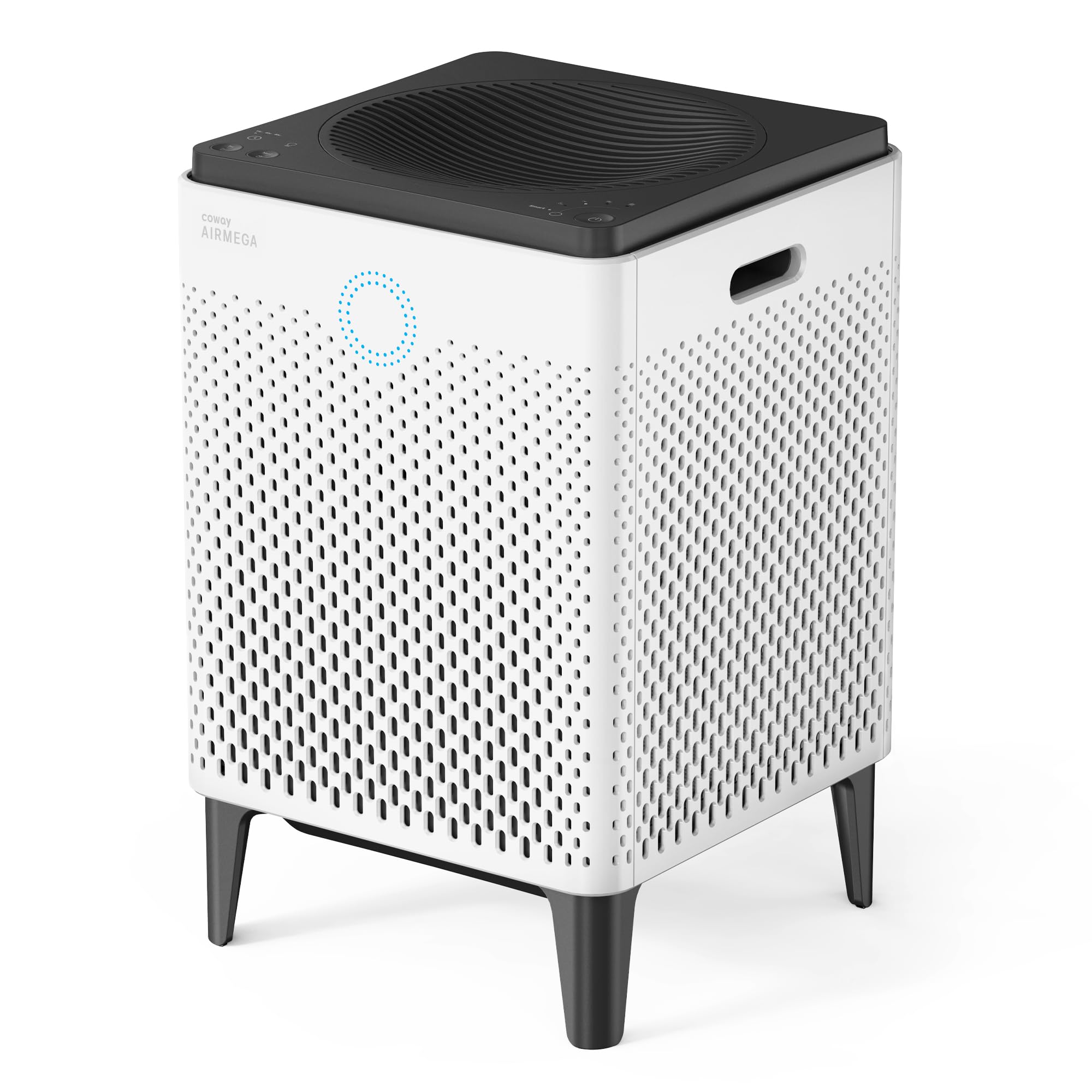
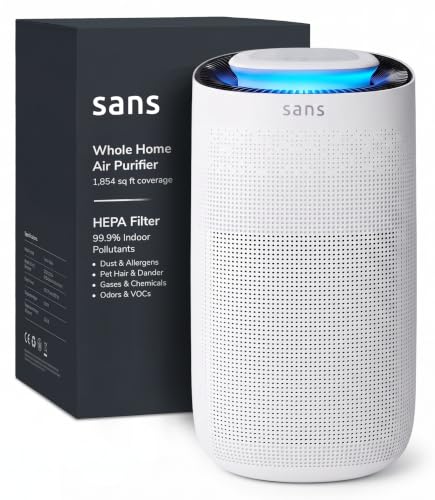

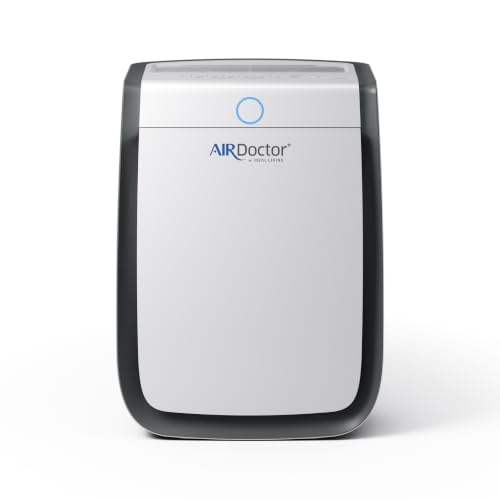

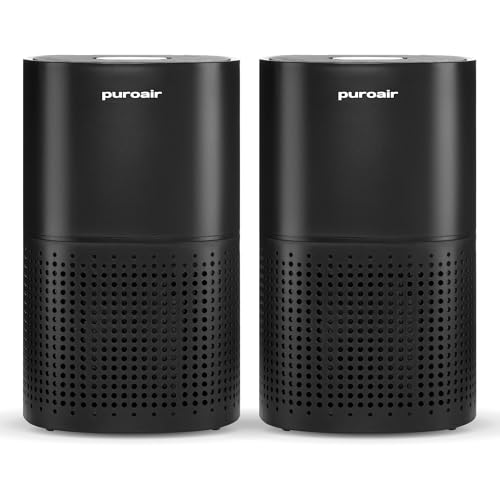
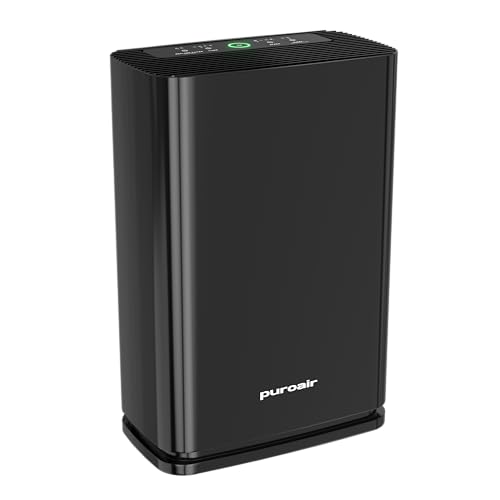
Who Should Buy Which Air Purifiers?
Find the profile that sounds like you. Each one names the need, the features to put first, and the type of unit that fits, so you can skip the profiles that do not match your home.
For People Who Want the Best Performance
If you fry, sear, or use bold spices several times a week, performance means carbon depth and airflow. Choose a large room unit with a thick activated carbon filter and a high CADR, so it can clear a cooking session within about half an hour. Premium tiers, often about $300 to $600, earn their price through heavier carbon beds that keep working for months, stronger fans that stay quieter at speed, and sensors that react fast when odor spikes.
For Gift Shoppers
A purifier makes a practical gift for a new apartment or a keen home cook, but only if it is easy to live with. Pick a mid size unit with simple controls, auto mode, and widely available replacement filters, usually about $150 to $300. Check the warranty, since a two year warranty protects your gift better than a one year term. Avoid very large units, because the recipient may lack floor space for your generous choice.
For First Time Buyers
Keep it simple. A compact or mid size unit with a combined True HEPA and carbon filter, a clear filter change light, and a timer covers the learning curve nicely, often at about $100 to $200. You do not need app control to get good results. Run the unit during cooking and for about 30 minutes after, keep the kitchen door open to its room, and you will learn quickly whether the size and carbon level match your cooking style.
For Value Seekers
Value means cost per year, not the lowest sticker price. A unit at about $150 to $250 with carbon filters that last 6 months or more usually beats a cheaper unit that eats a new carbon filter every 2 months. Check filter prices before you buy and add one year of filters to the purchase price for a fair comparison. Durability counts too: a solid housing and a fan rated for daily use will outlast flimsy builds that rattle within a season.
Key Features to Compare
With your profile in mind, compare these four areas across the product table above. They decide how well a unit handles real cooking air, which is greasier and more pungent than the dust and pollen that standard purifier advice usually assumes.
Installation and Placement
Purifiers need no installation, but placement decides results in a kitchen setting. Put the unit in the room where cooking happens or in the open area it flows into, a few feet from the stove but never right beside it, where heat and grease splatter can damage the housing. Keep at least a foot of clear space around the intake. If your kitchen has a range hood that vents outdoors, the purifier becomes a strong second layer for odor that escapes the hood capture zone.
Features That Matter for Cooking Odors
Carbon is the star feature here. Heated oil and spice vapors are gases, and only activated carbon absorbs them at room scale. Look for a thick carbon bed or a replaceable carbon canister rather than a thin carbon sheet, and note any stated carbon weight. A True HEPA stage still matters because it traps the fine grease and smoke particles that carry odor and coat surfaces. A washable prefilter catches larger grease mist and extends the life of both inner filters.
Safety Features
Kitchens add heat and moisture, so safety marks matter. Look for UL or ETL certification for the electrical design. AHAM verification confirms the stated CADR was independently checked. A stable base and automatic shutoff if the unit tips are worth having in a busy cooking space where people move fast. Keep the cord clear of the stove and sink, and never run a purifier where splashing water can reach it during dish washing.
Room Size and Coverage
Size the unit for the full open area the cooking air reaches, not just the kitchen footprint. In an open plan, that may be 400 to 600 square feet of combined kitchen and living space. Use the AHAM guide: smoke CADR of at least two thirds of the area. For strong odor control after cooking, aim for 4 to 5 air changes per hour in that zone, which often means choosing a unit rated one size above your first estimate.
Two practical know how points help every buyer. First, run the purifier on high for the cooking period itself, not only afterward, so odor is captured before it spreads to soft furnishings. Second, close bedroom doors while you cook strong dishes, because treated air in the main zone cannot protect rooms that cooking air has already filled. For related odor problems, our guide to best air purifiers for pet odors covers carbon care in pet homes, and best odor removing air purifiers compares odor focused designs across rooms.
Common Mistakes to Avoid When Buying Air Purifiers
These errors show up again and again in kitchen purchases. A quick scan now can save you a return later.
- Looking only at price. Cheap units often carry thin carbon that fades within weeks of regular frying.
- Ignoring placement. A strong unit in a closed pantry or far hallway cannot treat kitchen air at all.
- Buying the wrong size. Undersized units run loudly and still leave odor, while oversized units waste money and floor space in a tiny galley kitchen.
- Skipping the warranty check. Daily kitchen use is hard duty, so confirm at least a one year warranty and easy filter supply.
- Expecting grease removal. A purifier treats airborne odor and fine particles, but it cannot scrub grease films off cabinets. Wipe surfaces and use your hood as well.
If you also battle lingering smoke smells, our guide to best air purifiers for smoke odor explains how smoke odor differs from cooking odor. For whole home background, see best home air purifiers and our overview of best air cleaners and purifiers.
Setup and Care Tips
Remove all filter packaging before first use, then place the unit where cooking air naturally flows. Replace or clean filters on schedule: vacuum the prefilter every few weeks in a busy kitchen, because grease loads it faster than dust alone. Keep doors and windows closed while the unit runs if you want it to treat a fixed volume of air, or open a window briefly after cooking for a fast exchange, then close it and let the purifier finish the job. Leave clearance around the intake and exhaust at all times.
Frequently Asked Questions
What features matter most in air purifiers for cooking odors?
A thick activated carbon filter matters most, since cooking smells are gases that particle filters cannot absorb. High CADR comes second, because fast air treatment stops odor from settling into fabrics. A washable prefilter is the useful third feature in kitchens, since it catches grease mist before it clogs the main filters. Together, those three features separate a true kitchen ready unit from a basic dust unit.
Is it expensive to run 24/7?
No, most units draw about 40 to 80 watts, so running one all day often costs only a few dollars per month. You may not need nonstop running, though. Many cooks run the unit during cooking and for an hour after, then drop to auto mode. ENERGY STAR models use less power at each speed, and the bigger yearly cost remains filter replacement rather than electricity.
What size do I need for my room?
Measure the full area that cooking air reaches. In a closed kitchen of 150 square feet, a smoke CADR of about 100 or more works well. In an open plan of 500 square feet, look for a CADR near 330 or higher. When in doubt, size up one level: a larger unit clears a fish dinner or a curry night faster and can then run quietly at low speed.
Where is the best place to put it?
Put it in the cooking zone or the open living area beside it, a few feet from the stove and clear of heat and splatter. A spot along the natural airflow path from kitchen to living room catches odor as it travels. Keep a foot of space around the unit, and avoid closed cabinets or tight corners. If the kitchen is separate, place the unit just inside the kitchen door for the strongest effect.
Do air purifiers really work?
Yes, with the right carbon filter and enough airflow, a purifier visibly reduces how long cooking smells linger, often clearing a room within 30 to 60 minutes after cooking ends. It works on airborne odor, not on grease already stuck to walls or fabrics. Pair it with your range hood and regular surface cleaning, and the combined routine keeps a kitchen smelling neutral even with daily cooking.
How often should I replace the filter?
In a kitchen that cooks daily, expect the carbon filter to last about 3 to 6 months before odor control fades, and the True HEPA filter about 6 to 12 months. Heavy frying shortens both spans. The telltale sign is smell returning sooner after each meal despite the unit running on high. Vacuum the prefilter monthly, and order replacements when you notice that fade rather than waiting for the indicator alone.
Wrapping Up
Match the unit to your cooking life: carbon depth for odor strength, CADR for your open area, and filter cost for your budget. Heavy cooks should size up and favor thick carbon, while light cooks can start compact and simple. Compare your shortlist in the product table above, and choose among the best air purifiers for cooking odors with your own routine in mind, not someone else's cooking habits.