Best Air Purifiers for Construction Dust: Everything to Know Before Your First Purchase for 2026
Disclosure: We may earn a commission when you buy through links on this page, at no extra cost to you. As an Amazon Associate I earn from qualifying purchases. Learn more

Shopping for the best air purifiers for construction dust for the first time? Learn the terms, compare options, and avoid rookie mistakes with this easy guide.
Buying your first air purifier during or after a renovation can feel confusing, because construction dust is heavier and more stubborn than everyday household dust. This guide walks you from the basic terms to a confident choice, so you understand what the best air purifiers for construction dust need to do before you spend anything. You will learn how filters work, how to size a unit for your room, and which running costs to plan for.
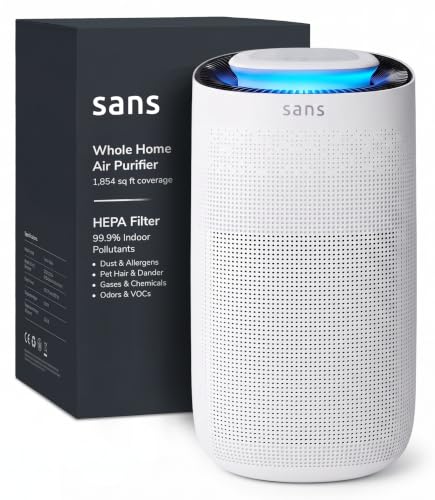
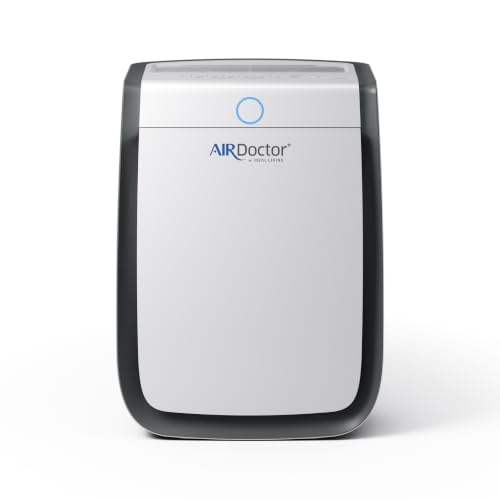
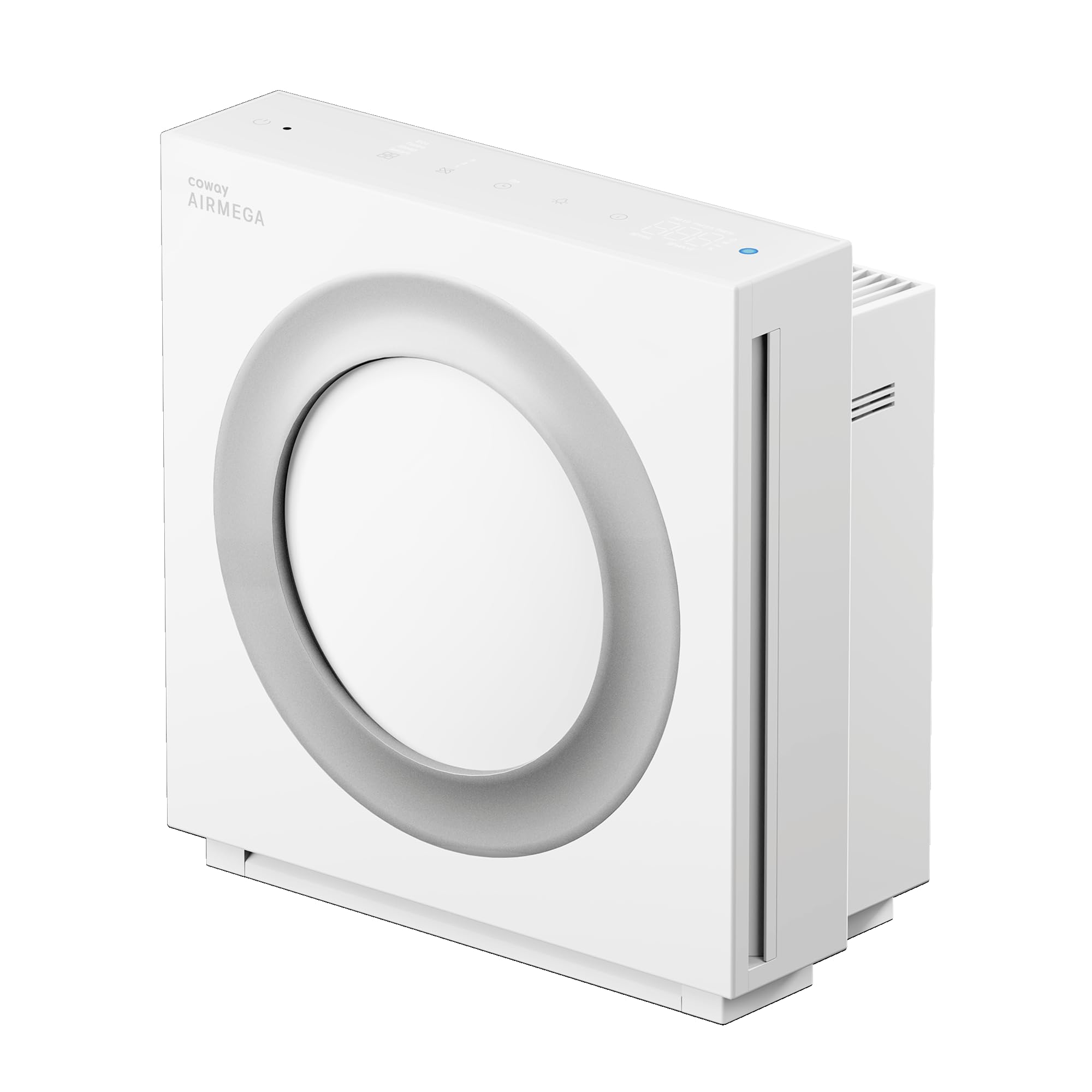
Start by thinking about your actual work zone rather than your whole home. A dusty kitchen remodel, a sanded bedroom, and a finished basement each place a different load on a purifier, and the comparison table below is easier to use once you know your room size and your main dust source.



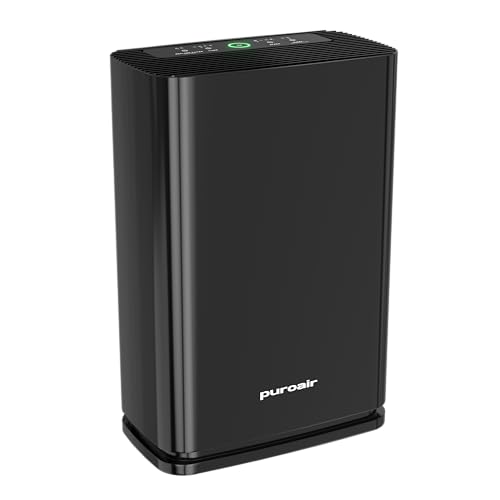

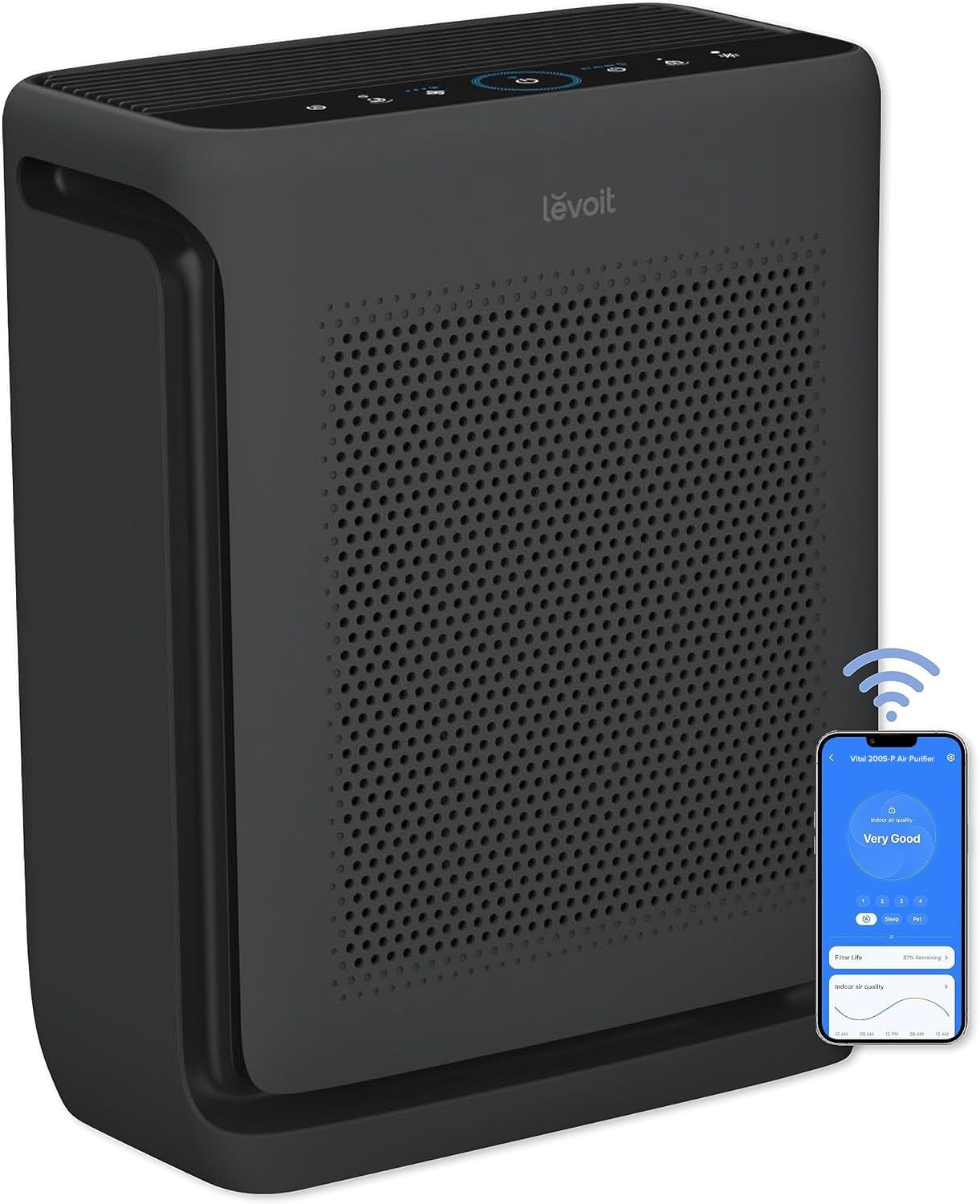
Air Purifiers 101: The Basics
An air purifier is a fan powered box that pulls room air through one or more filters, traps particles in the filter media, and sends cleaner air back into the room. It does not remove dust that has already settled on floors or shelves, so you will still need to wipe and vacuum surfaces. What it does well is cut down the fine dust that stays floating in the air for hours after cutting, sanding, or demolition work stops.
A few terms show up on every listing. CADR, short for clean air delivery rate, tells you how much filtered air the fan delivers, and higher numbers suit larger or dustier rooms. ACH means air changes per hour, or how often the unit can process the full volume of room air. If you want broader background before you narrow down, see our guide to the best air cleaners and purifiers for how purifier types differ in general use.
Construction work also creates coarse grit from drywall, wood, concrete, and plaster. That mix is why a washable prefilter matters so much here. The prefilter catches the large particles first, which protects the main filter and keeps airflow strong for longer between filter changes.
Key Specs Explained in Plain English
The spec sheet matters more than the marketing claims on the box. Read the five areas below in order, because a weakness in any one of them, such as a small coverage rating in a large dusty room, can undo strength in the others.
Features That Matter for Construction Dust
Construction dust calls for a strong prefilter, a True HEPA main filter, and a fan that can move a lot of air without quickly clogging. True HEPA media captures very fine particles, including much of the drywall and wood dust that irritates your nose and throat. Look for a sealed filter housing, because gaps around a loose filter let dusty air slip past unfiltered. A filter life indicator is also worth having, since dust load during active work can fill a filter far faster than the calm household use that most filter schedules assume. Activated carbon helps with paint and adhesive odors, but particle capture should stay your first priority.
Room Size and Coverage
Match the rated coverage to the room where the unit will actually run, and err on the larger side during active work. Makers often rate coverage using square feet, and AHAM guidance links that rating to CADR. For dusty conditions, aim for about four to five air changes per hour, which usually means choosing a unit rated for a room one and a half to two times your actual size. Measure the room, multiply length by width, and write that number down before you shop. A unit that is too small will run on its highest speed all day and still leave visible dust in the air.
Installation and Placement
Most portable purifiers need no installation at all, which is a real advantage on a job site or in a room you are still finishing. Set the unit on a flat floor inside the dusty room, close to the work area but far enough away that tools, ladders, and falling debris cannot hit it. Keep the intake and outlet clear, with space on all sides rather than pushed flat against a wall or curtain. Keep doors and windows closed while it runs during dusty work, so the fan processes the same room air instead of constantly pulling in outdoor air. Never block the outlet with drop cloths or stored materials.
Filter Type and Replacement Cost
A typical setup layers a prefilter, a True HEPA filter, and sometimes a carbon filter for odors from paint, varnish, or adhesives. Budget for replacements as a yearly cost, not an afterthought. During heavy renovation, a main filter that might last a year in normal use may need changing in a few months, so check the price and availability of replacements before you buy the unit itself. Vacuum or wash the prefilter often, following the manual, because a clogged prefilter strains the fan and cuts cleaning power. Readers dealing with damp rooms as well may also want our guide to the best air purifiers for mold and dust for the moisture side of the problem.
Noise Level (dB) and Sleep Mode
Noise is rated in decibels, written as dB, and the number climbs fast on the highest fan speeds that dusty rooms often need. During the workday, most people accept a louder turbo setting in exchange for faster dust removal. At night, the picture changes, especially if you are sleeping in or near the renovated space. A sleep mode that drops the fan to a quiet level, often around 25 to 35 dB, lets the unit keep working without disturbing rest. Check the noise figure for each speed, not just the lowest one, and favor models with several steps between quiet and full power so you can balance cleaning and comfort.
Rookie Mistakes to Avoid
- Buying by room rating alone. A rating based on calm household dust understates renovation load, so size up when work is active.
- Ignoring the prefilter. Without one, coarse grit clogs the main HEPA filter early and replacement costs climb quickly.
- Forgetting replacement filter prices. A cheap unit with costly, hard to find filters can cost more over two years than a pricier unit.
- Running it in the wrong room. A purifier only cleans the air in the space it sits in, so placing it down the hall from the dust source wastes its capacity.
- Skipping source control. A purifier supports, but never replaces, dust barriers, ventilation where safe, and prompt cleanup of settled dust.
Getting Started: Setup and First Use
Unbox the unit away from the dustiest area, remove all plastic wrapping from the filters inside, and note that many new units ship with the main filter sealed in a bag that must come off before use. Place the purifier in the work room, plug it in, and run it on a high setting for the first few hours after dusty tasks to pull down the floating load. If your main goal is everyday settling dust once work ends, our guide to the best air purifiers to remove dust covers that calmer use case in more depth.
From there, build two habits. Replace or clean filters on schedule, checking the prefilter weekly during active work, and keep doors and windows closed while the unit runs so it can keep up. One safety note matters on real job sites. Fine dust from concrete and some treated materials can include silica, which is a serious lung hazard. Wear a proper fitted respirator during cutting or sanding, follow site safety rules, and treat the purifier as added protection rather than your only defense. Stop work and seek advice from a qualified safety professional if dust control on site feels out of hand.
Frequently Asked Questions
What features matter most in air purifiers for construction dust?
A strong prefilter, a True HEPA main filter, and a high CADR matter most. The prefilter handles coarse grit so the HEPA filter can focus on fine particles without clogging early. A sealed housing also counts, because unfiltered air leaking around a loose filter cuts real performance. During active work, a filter indicator earns its place by warning you before airflow drops off.
Where is the best place to put an air purifier during construction?
Put it inside the dusty room, near the work area but clear of tools and falling debris. Floor placement on a flat surface works for most portable units, with open space around the intake and outlet. Avoid corners and spots behind furniture, which trap air and slow circulation. If two rooms are open to each other, place it between them, closer to the dust source.
How often should I replace the filter in an air purifier used for construction dust?
Expect to replace it sooner than the schedule printed for normal household use. Heavy dust can fill a HEPA filter in a few months, and a loaded prefilter may need cleaning every week or two during sanding. Watch for weaker airflow, more visible dust, or a filter indicator light. Keeping a spare main filter on hand avoids running a clogged unit during the dustiest phase.
Do air purifiers really work on construction dust?
Yes, they reduce airborne dust, but they do not clean settled dust off surfaces. The fan captures floating particles each time room air passes through the filter, so airborne levels fall steadily while the unit runs. You still need to wipe surfaces, vacuum with care, and control dust at the source. Think of the purifier as one layer in a cleanup plan, not the whole plan.
Is it expensive to run an air purifier 24/7 during a renovation?
Running costs are usually modest, because most portable units draw power similar to a small fan or a bright lamp. Electricity use rises on turbo speed, so many owners run high settings during and just after dusty work, then drop to a lower speed overnight. Check the wattage on the label and your local power rate for a rough monthly figure. ENERGY STAR rated models tend to use less power at a given airflow.
What size air purifier do I need for a room with construction dust?
Choose a unit rated for a room larger than yours, often one and a half to two times the area, during active work. Dusty air needs more air changes per hour than ordinary room air, around four to five for good results. Measure your room in square feet, then compare that figure with the CADR based rating rather than the largest marketing number on the box. Two smaller units can also work well in a long or divided space.
Wrapping Up
For a first purchase, focus on three things: a prefilter plus True HEPA filtration, coverage sized above your room area for dusty conditions, and replacement filters you can afford and actually find in stock. Match noise to where you sleep, and keep the unit in the room where dust is made. When you are ready to compare, look back at the product table above and shortlist the best air purifiers for construction dust options that fit those basics. Allergy prone households may also want to read our guide to the best air purifiers for dust mites once the renovation dust has settled for good.