Best Air Purifiers for Baby's Room: What Actually Matters Before You Buy for 2026
Disclosure: We may earn a commission when you buy through links on this page, at no extra cost to you. As an Amazon Associate I earn from qualifying purchases. Learn more

Use this checklist to choose the best air purifiers for baby's room, covering quiet operation, True HEPA filtration, safety, placement, and costs.
A nursery needs cleaner air and a calmer setup than any other room in the house, so the best air purifiers for baby's room choices deserve a careful checklist. This guide gives you that checklist first. You will see the exact thresholds we use for filtration, noise, safety, and room size, so you can judge any unit in the comparison table below with confidence.
Babies breathe faster than adults and spend long hours sleeping in one small room. That makes steady filtration and low noise more important than fancy extras. Work through the criteria below in order, and you will quickly see which features protect sleep and which ones only raise the price.






How We Evaluate Air Purifiers
Each criterion below has a clear good range and a clear poor range. A unit does not need perfect marks everywhere, but it should pass on filtration, noise, and safety without exception. Those three shape your baby health and sleep every single night, while weaker marks on smart features only affect convenience.
Features That Matter for Baby's Room
A nursery unit must capture fine particles without adding anything to the air. Choose True HEPA filtration, which traps pollen, dust, and dander in the filter media itself. Avoid any unit that produces ozone or uses ionization as its main method, because added ozone can irritate small airways. A carbon layer is a bonus for diaper and paint odors, not a must.
Room Size and Coverage
Most nurseries measure about 100 to 200 square feet, so a compact unit is usually enough. Use the AHAM guide: the smoke CADR should be at least two thirds of the room area. For a 150 square foot nursery, look for a CADR of about 100 or more. Aim for 4 to 5 air changes per hour so the air stays fresh even with the door closed for naps.
Installation and Placement
Purifiers need no installation beyond unboxing, removing the filter bag, and plugging in. Placement does matter. Set the unit on the floor or a stable low surface at least a foot from walls and furniture so air can enter and leave freely. Keep it away from the crib itself, and route the cord along the wall where tiny hands and feet cannot reach it as your baby grows.
Energy Efficiency and Operating Cost
Nursery units often run all night and much of the day, so efficiency adds up. Most small room units draw about 25 to 60 watts. An ENERGY STAR label signals the model meets efficiency standards for room air cleaners. At that draw, nightly use usually costs only a few dollars per month, which makes filter price the larger cost to compare before you buy.
Performance Ratings (CADR, BTU, Pints/Day, CFM)
For a purifier, CADR is the rating that counts. It shows how much clean air the unit delivers for tobacco smoke, dust, and pollen. BTU and pints per day belong to air conditioners and dehumidifiers, so ignore them here even if a listing mentions them. CFM describes raw airflow, but CADR already accounts for filtration, so CADR is the fair number for comparing two purifiers side by side.
Safety Features
Safety is non negotiable in a nursery. Look for UL or ETL certification, which means the electrical design passed independent testing. A stable base that resists tipping, covered fan grilles with narrow gaps, and a control lock all help once your baby starts crawling and pulling up. AHAM verification adds trust because it confirms the CADR claims were tested by an independent program.
Two practical know how points matter here. First, never place a purifier where a blanket or stuffed toy can fall against the intake and block airflow. Second, register the product after purchase so recall notices reach you. If a unit ever smells hot, sparks, or shows a damaged cord, unplug it at once and stop using it.
Noise Level (dB) and Sleep Mode
Noise can make or break a nursery purifier. Look for a sleep mode at about 25 to 35 dB, roughly as soft as a whisper in a quiet room. Fan noise that sounds steady and smooth usually disturbs babies less than a unit that cycles up and down. Display lights should dim or switch off in sleep mode, because a bright glow across the room can bother light sensitive sleepers and parents alike.
Three Buying Profiles That Pass Our Checklist
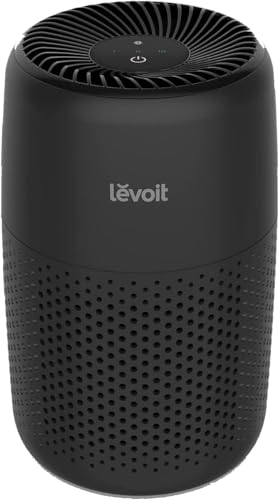
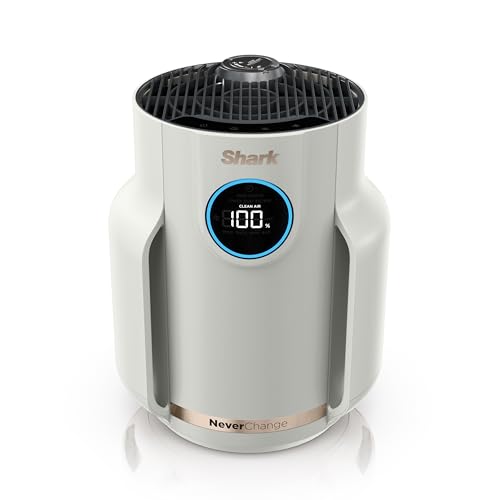
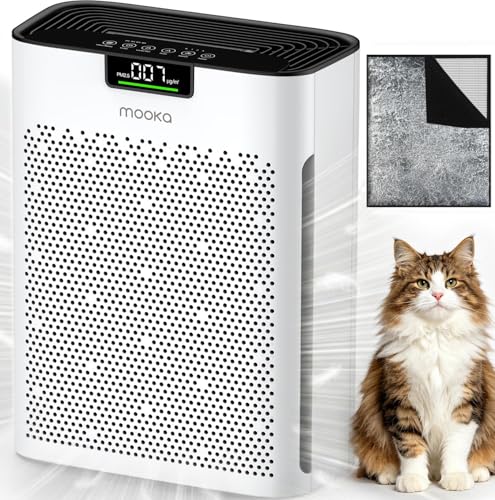
Instead of naming specific models, use these three profiles to match the product table above to your situation. Each profile lists who it suits, what it does well, and the one limit to accept. Prices are general tiers only, so check the current listing for the unit you like.
Best Overall
This profile suits most nurseries. It pairs a True HEPA filter with a CADR around 100 to 200, a sleep mode near 30 dB, and a control lock, usually at about $120 to $250. Strengths are balanced cleaning power and quiet nights in a typical small room. The limit is size: it will not double as a living room unit later unless that room is also small.
Best Value
This profile suits parents who want clean air on a tight budget, often at about $70 to $120. It keeps the essentials: True HEPA filtration, simple manual controls, and coverage for about 100 to 150 square feet. Strengths are low purchase price and cheap replacement filters. The limit is noise and features, since budget units often run louder on high speed and skip sleep timers and auto mode.
Best for Heavy Use
This profile suits homes with pets, nearby traffic, or a family member who smokes outdoors and brings residue in on clothing. It uses a larger filter with a carbon layer and a CADR above 200, often at about $250 to $400. Strengths are faster cleaning after door openings and better odor control. The limit is bulk: it takes more floor space and its filters cost more each year.
Quick Buyer Checklist
Answer these questions before you buy. Every yes means the unit fits nursery life well.
- Does it use a True HEPA filter with no ozone producing feature?
- Is the CADR at least two thirds of your nursery size in square feet?
- Does sleep mode run at about 35 dB or quieter?
- Can you lock the controls and dim or switch off the display lights?
- Is it UL or ETL certified, with AHAM verified ratings if available?
- Does the yearly filter cost fit your budget, at under about $80?
- Will it fit on the floor with a foot of clear space on all sides?
- For smaller spaces, have you also compared options in our guide to best air purifiers for small rooms?
Red Flags to Watch For
Walk away from listings with vague claims. A unit that promises to clean a huge area but lists no CADR is hiding weak performance. Claims of medical benefits with no certification deserve the same caution. Watch for these warning signs as you compare.
- No CADR, no square foot rating, or ratings with no test standard named.
- Ozone generation or ionization marketed as a benefit for a nursery.
- No UL or ETL mark and no clear warranty of at least one year.
- Replacement filters that are hard to find or cost nearly half the unit price.
- Review patterns that repeat the same phrases across many listings.
Parents who want wider context on home units can read our guide to best home air purifiers, and those weighing allergy concerns in other rooms can see best room air purifiers for allergies for room by room advice. For general background, our overview of best air cleaners and purifiers explains the main filter types.
How to Make Your Air Purifier Last Longer
Replace or clean filters on schedule, since a loaded filter strains the motor and cuts airflow. Keep doors and windows closed while the unit runs so it cleans a fixed volume of air instead of chasing outdoor dust. Leave clearance around the intake and exhaust, vacuum the prefilter monthly, and wipe the outer vents with a dry cloth so lint does not build up.
FAQs
What features matter most in air purifiers for baby's room?
True HEPA filtration, quiet sleep mode, and certified safety matter most. A unit should trap fine particles without producing ozone, run near 30 dB at night, and carry a UL or ETL mark. One extra worth having is a filter change indicator, because new parents have enough to track already and a missed filter change quietly weakens cleaning power week after week.
How often should I replace the filter?
Most nursery filters last 6 to 12 months with daily use. Homes with pets or nearby construction dust may need changes closer to 6 months. A useful habit is to check the filter at each season change: if the media looks gray and airflow feels weak, order the replacement early. Washable prefilters can be vacuumed monthly to extend the main filter life.
What size do I need for my room?
For a typical nursery of 100 to 200 square feet, choose a smoke CADR of at least two thirds of the room area, so about 70 to 135. That delivers roughly 4 to 5 air changes per hour with the door closed. If your nursery shares air with an open hallway or ensuite, size up one level so the unit can keep pace on a quiet setting.
Is it expensive to run 24/7?
No, a small nursery unit is cheap to run around the clock. At about 40 watts, it uses roughly one kilowatt hour per day, often costing only a few dollars per month. Sleep mode draws even less power. Your larger yearly cost is the replacement filter, so compare that price across models before you decide, especially if you plan to run the unit every night.
Do air purifiers really work?
Yes, a True HEPA unit lowers airborne particles such as dust, pollen, and dander in a closed room. It cannot remove dust already settled in bedding, so regular washing of crib sheets in hot water still matters. A purifier also cannot fix damp or mold at the source. If you see mold growth or a musty smell that persists, address the moisture problem directly and promptly.
Where is the best place to put it?
Place the unit on the floor a few feet from the crib, with at least a foot of open space around the intake and outlet. Avoid corners behind furniture, where airflow stalls. Keep the cord out of reach along the wall, and never drape blankets over the unit. A spot near the door works well because it catches dust and pollen as air enters the room.
Our Verdict
Judge every nursery unit on three things: True HEPA filtration with no ozone, a sleep mode near 30 dB, and certified safety with a CADR matched to your room. Use the product table above to compare those points across the best air purifiers for baby's room options, then pick the profile that fits your budget and floor space.
A purifier supports a healthy nursery, but it does not replace medical advice. Watch for warning signs such as labored breathing, poor feeding, unusual sleepiness, or a cough that keeps worsening, and contact your pediatrician promptly if you see them. Talk with your clinician about your baby personal needs, especially if your child was born early or has any breathing condition.