Best Air Purifiers and Fans in 2026: Which Type Is Right for You?
Disclosure: We may earn a commission when you buy through links on this page, at no extra cost to you. As an Amazon Associate I earn from qualifying purchases. Learn more

Compare the best air purifiers and fans by each type's pros and cons, ideal users, and price range. A clear guide to choosing the right style.
Walk into any store and you will find towers, boxes, tabletop units, and fan hybrids all promising fresher air, which makes choosing feel harder than it should. This guide compares the best air purifiers and fans by type, so you can match a style to your room and habits first. Once the type is right, the individual specs become much easier to judge.
We will look at portable units, small room units, and large room or whole home units, then weigh them against each other directly. After that, a short buying checklist covers size, filters, energy use, and ratings. Keep the comparison table below open as you read, because each type described here appears there in some form.




Types of Air Purifiers and Fans Compared
Every purifier fan does two things to some degree: it moves air and it filters air. Types differ in how much of each they do, how loud they get while doing it, and how much floor space they claim. Price follows those trade offs, with small room units often under $100, portable mid size units around $100 to $250, and whole home units above that range.
Portable Units
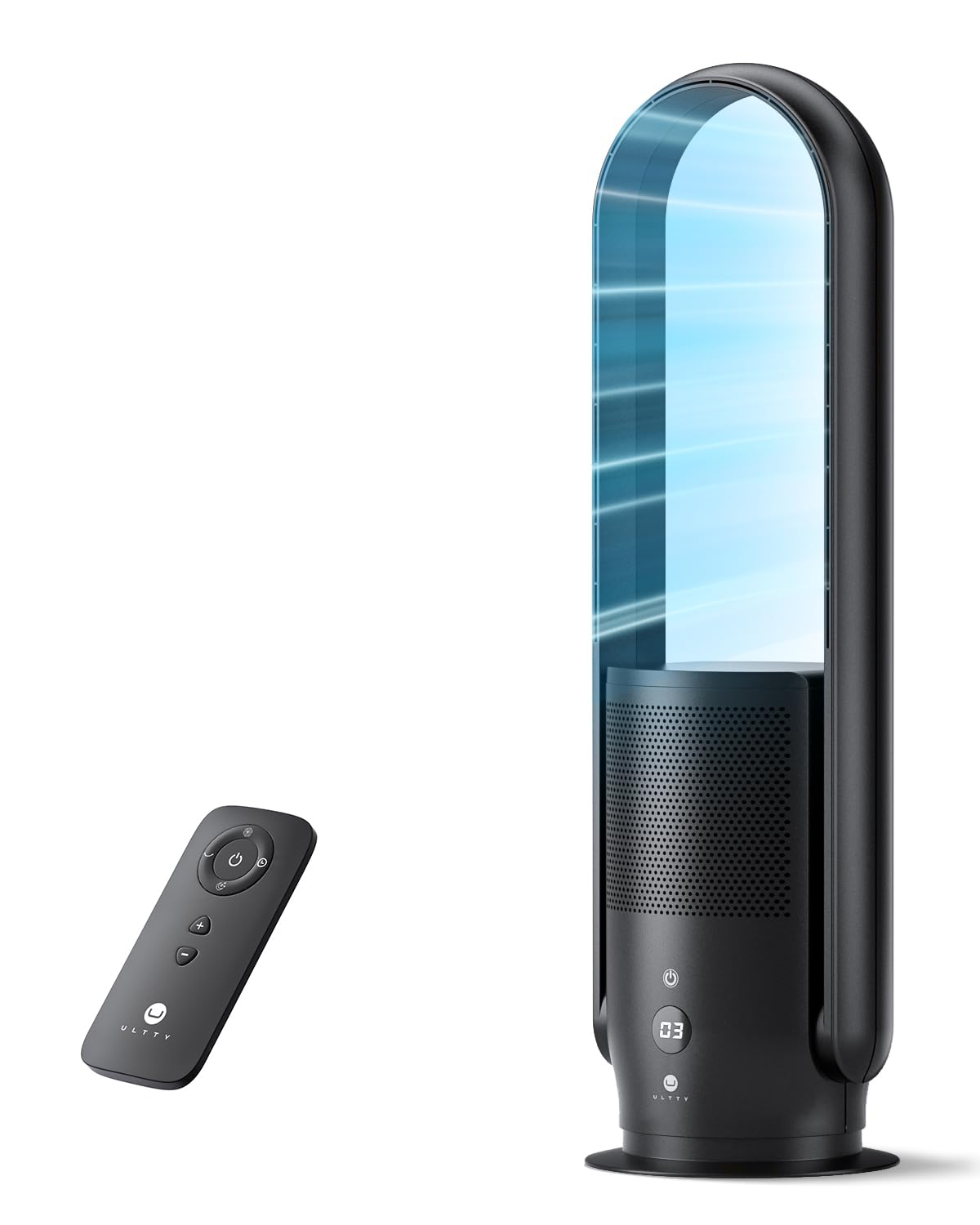
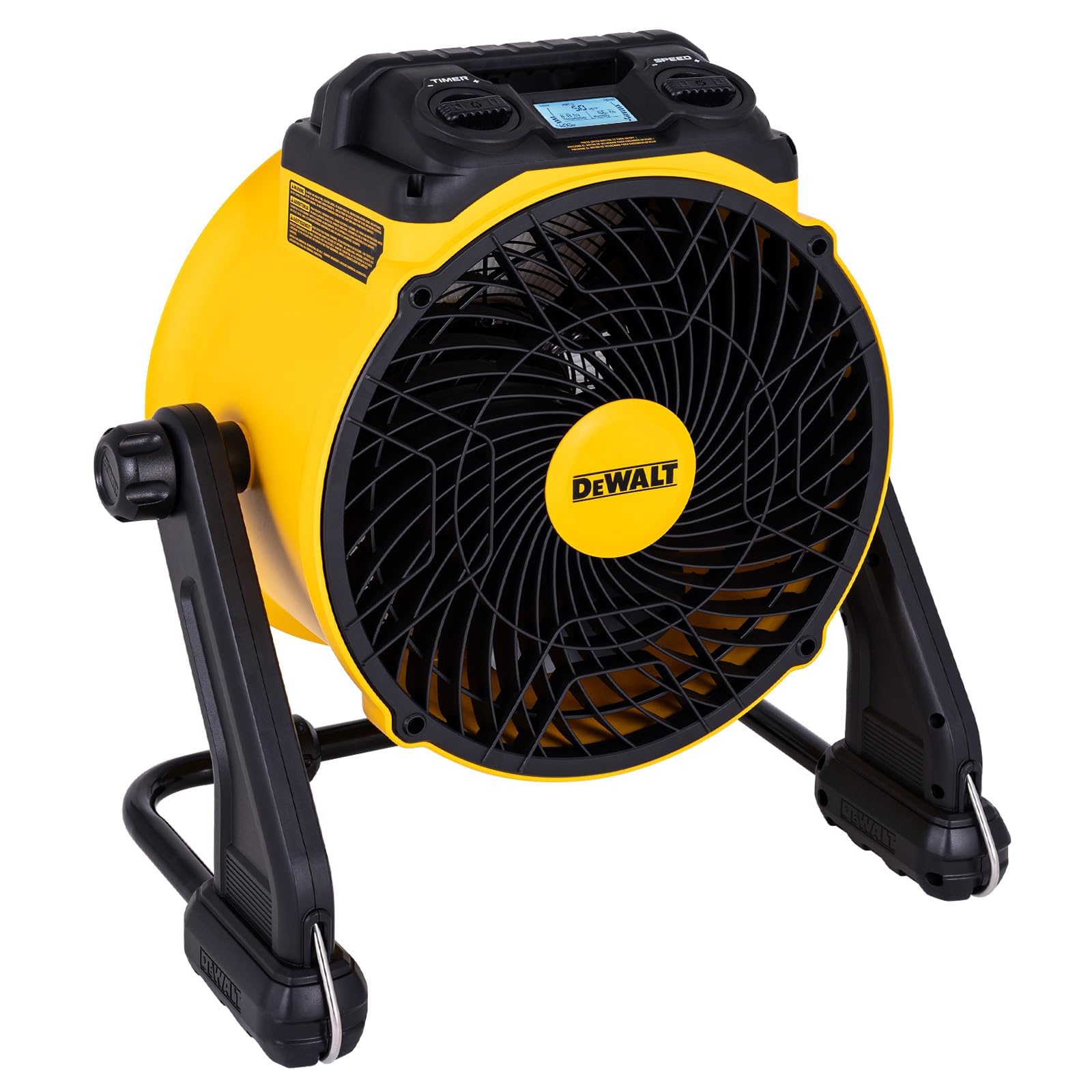
Portable units are the flexible middle ground, light enough to carry between rooms yet strong enough for a bedroom or home office. Most use a tower or compact box shape with a handle, a True HEPA filter, and several fan speeds. Their strength is versatility: one unit can follow you from a work desk during the day to a nightstand in the evening.
The trade off is coverage. A portable unit rarely serves a large open plan space well, and moving it often means it spends time unplugged and doing nothing. Choose this type if your needs change by room or by season, and if your largest space stays within the rated square feet. Wheels or a sturdy handle matter more than you might expect once you move the unit weekly.
Small Room Units
Small room units are built for nurseries, dorms, single bedrooms, and desk corners, usually covering up to about 200 square feet. They cost the least, use the least power, and fit on a shelf or dresser where a floor unit would crowd the room. Many include a gentle night mode with dim lights, which suits light sleepers and young children.
The limits are real, though. Small filters clog faster, CADR ratings are modest, and a unit placed in a large living room will run constantly without catching up. Buy this type for one defined small space and it performs well for the money. Buy it hoping to serve a whole apartment and you will be disappointed within a week.
Large Room/Whole Home Units
Large room and whole home units carry bigger filters, stronger motors, and CADR ratings meant for spaces of 500 square feet and beyond. They sit in one central spot and run steadily, cleaning the main living area and, with doors open, helping nearby rooms as well. Filter life tends to be longer because the filter media area is larger, which spreads the yearly cost out.
These units cost more up front, take real floor space, and can be heavy to move for cleaning. They suit families, pet owners, and anyone whose main living space is open plan. If your home has several closed off rooms, one large unit plus a small bedroom unit often cleans better than a single large unit alone. For more on this layout, see our guide to the best home air purifiers.
Portable Units vs Small Room Units: Which Should You Choose?
On coverage, portable units win, typically handling two to three times the area of a small room model. On price, small room units win clearly, both at purchase and in yearly filter costs. Noise is closer than you might think, since a portable unit on low often matches a small unit on medium while moving more air.
Portability itself cuts both ways. A portable unit you actually move gets used more, while a small unit that lives in one room runs more hours in that room. Think about your routine honestly: if the bedroom is the only place that matters, a dedicated small unit running all night beats a shared portable that stays in the kitchen.
Choose the portable type for flexibility across two or three rooms of modest size. Choose the small room type for a single bedroom, nursery, or dorm where budget and footprint matter most. Either way, filtration quality matters more than shape, and our guide to the best air purifiers hepa explains the filter grades behind both types.
How to Choose the Right Air Purifier and Fan
Room Size and Coverage
Measure your room and compare its square feet with the rating on the box, then pick a unit rated somewhat above your space. Purifier strength is expressed as CADR, and guidance from AHAM suggests the CADR should be at least two thirds of the room area in square feet. Aim for about four to five air changes per hour if allergies are your main concern. Oversizing slightly lets you run a lower, quieter speed for the same cleaning result.
Energy Efficiency and Operating Cost
Check watt use at the speed you will run daily, because that number, times hours of use, sets your power cost. ENERGY STAR models are a helpful shortcut, since the label means the unit met efficiency guidance for its class. Fan only modes sip power, while turbo cleaning modes draw the most. A unit that cleans well on medium for a few cents a day is a better buy than a cheaper unit that must run on high.
Filter Type and Replacement Cost
True HEPA is the filter to insist on for fine particles such as pollen, dust, and pet dander. A carbon layer adds odor control for cooking smells and light smoke, and it is worth having in kitchens and pet homes. Price the replacement filters before you buy and add a year of filters to the purchase price for a fair comparison. Washable prefilters extend main filter life by catching hair and lint first, so vacuum them monthly.
Smart Controls and Sensors
Air quality sensors let the unit respond on its own when particle levels rise, which is handy during cooking, cleaning, or wildfire smoke days. App control, timers, and schedules are convenience features that help a unit fit your routine, especially for bedrooms. They do not improve filtration by themselves, so treat them as a tiebreaker between otherwise equal types. A simple, clear filter change light is worth more than a long list of app features you will never open.
Performance Ratings (CADR, BTU, Pints/Day, CFM)
Each rating measures a different job, and knowing which applies to your unit prevents false comparisons. CADR rates particle cleaning speed for purifiers, while CFM rates raw air movement for fans. BTU belongs to air conditioners, not purifier fans, so ignore it unless a hybrid unit also cools with a compressor. Pints per day belongs to dehumidifiers. Match the rating to the job you are buying for, and compare only within the same rating across models.
How to Make Your Air Purifier and Fan Last Longer
Replace or clean filters on schedule, because a loaded filter strains the motor and shortens its life. Keep doors and windows closed while running so the unit recleans indoor air instead of fighting a constant stream of outdoor dust. Leave clearance around intake and exhaust so airflow stays free and the motor stays cool.
Vacuum the exterior grille and prefilter every few weeks, especially in pet homes where hair builds up fast. Run the unit regularly rather than storing it for months, since bearings and belts in fan motors fare better with steady use. Readers weighing related cleaning machines can also compare our guide to the best air cleaners and purifiers for a wider view.
Frequently Asked Questions
How often should I replace the filter?
Plan on every six to twelve months for a HEPA filter and every three to six months for a carbon filter in heavy use. Small room units trend toward the short end because their filters hold less material. A drop in airflow or a musty smell at startup is a practical sign the filter is done. Write the install date on the filter frame so the schedule is never a guess.
Is it expensive to run 24/7?
No, most purifier fans are among the cheaper appliances to run all day. A typical mid size unit on low or auto uses about as much power as a single older light bulb. Turbo mode costs more, so reserve it for smoke events or deep cleaning days. Your power rate decides the exact figure, but for most homes the monthly cost stays in the range of a few dollars.
Where is the best place to put it?
Put it in the room you use most, near the main source of particles but with open space on all sides. Bedrooms do well with the unit a few feet from the bed, and living rooms do well near seating rather than in a far corner. Avoid placing it behind a sofa or inside a cabinet, which traps cleaned air in a small pocket. For a second opinion on placement across room types, our guide to the best air cleaners covers similar ground.
What size do I need for my room?
Start with square feet, then check that the CADR is at least two thirds of that number. A 300 square foot room, for example, wants a CADR around 200 or higher for solid cleaning. High ceilings and open doorways both argue for going one size up. If two rooms share the unit, size for the larger room and accept slower cleaning in the smaller one.
Do air purifiers and fans really work?
Yes, a HEPA equipped unit measurably lowers airborne particles while it runs, and the fan improves comfort by keeping air moving. What it cannot do is clean surfaces, remove gases without carbon, or help a room far beyond its rating. Dust will still settle, just more slowly, so regular surface cleaning remains part of the routine. Used within its limits, the improvement in air freshness is easy to notice.
Final Thoughts
Pick the type first, then size, then filters, and the rest of the decision falls into place. Portable units give flexibility, small room units give value in tight spaces, and large units give steady whole area cleaning. Compare your finalists in the product table above against those three points before you spend anything.
The best air purifiers and fans for your home are the ones matched to your rooms, quiet enough to run all day, and affordable to keep filtered. Choose on those terms and the machine will earn its floor space.