Best Air Purifier for Nursery (2026): Size, Features and Buying Tips
Disclosure: We may earn a commission when you buy through links on this page, at no extra cost to you. As an Amazon Associate I earn from qualifying purchases. Learn more

What matters when choosing the best air purifier for nursery: size, features, budget and the mistakes to avoid.
A nursery adds dust, pollen, pet dander, and odors from paint, furniture, and diapers to a very small room where a baby sleeps for long stretches. Choosing the best air purifier for nursery use means balancing clean air with quiet running, safe placement, and simple upkeep. A model that suits a living room can be far too loud, bright, or bulky beside a crib.
This guide compares three types of purifiers by coverage, filtration, and noise, then walks through sizing, running costs, and safety points that matter most around babies. Use the comparison table below to see how the main types differ before you read the details.




Types at a Glance
This guide groups nursery purifiers into three types, since room size and sleep habits decide the right fit more than any brand label.
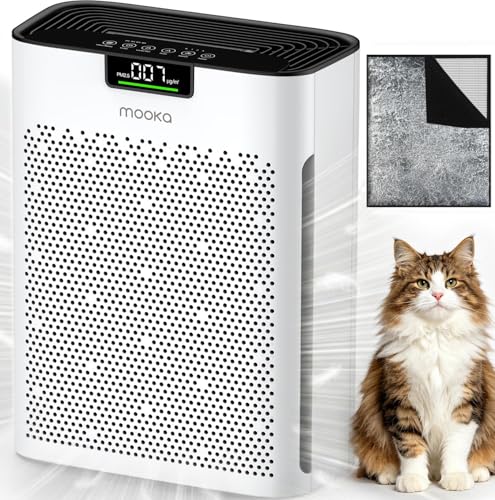
- Balanced everyday type: true HEPA filtration, a medium footprint, and a sleep mode quiet enough for naps in rooms of about 100 to 200 square feet.
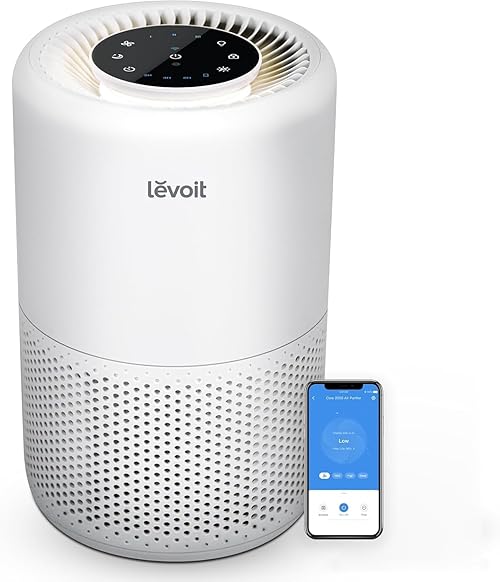
- Compact budget type: a smaller unit for tight floor space and lower upfront cost, with simpler controls and a smaller coverage rating.
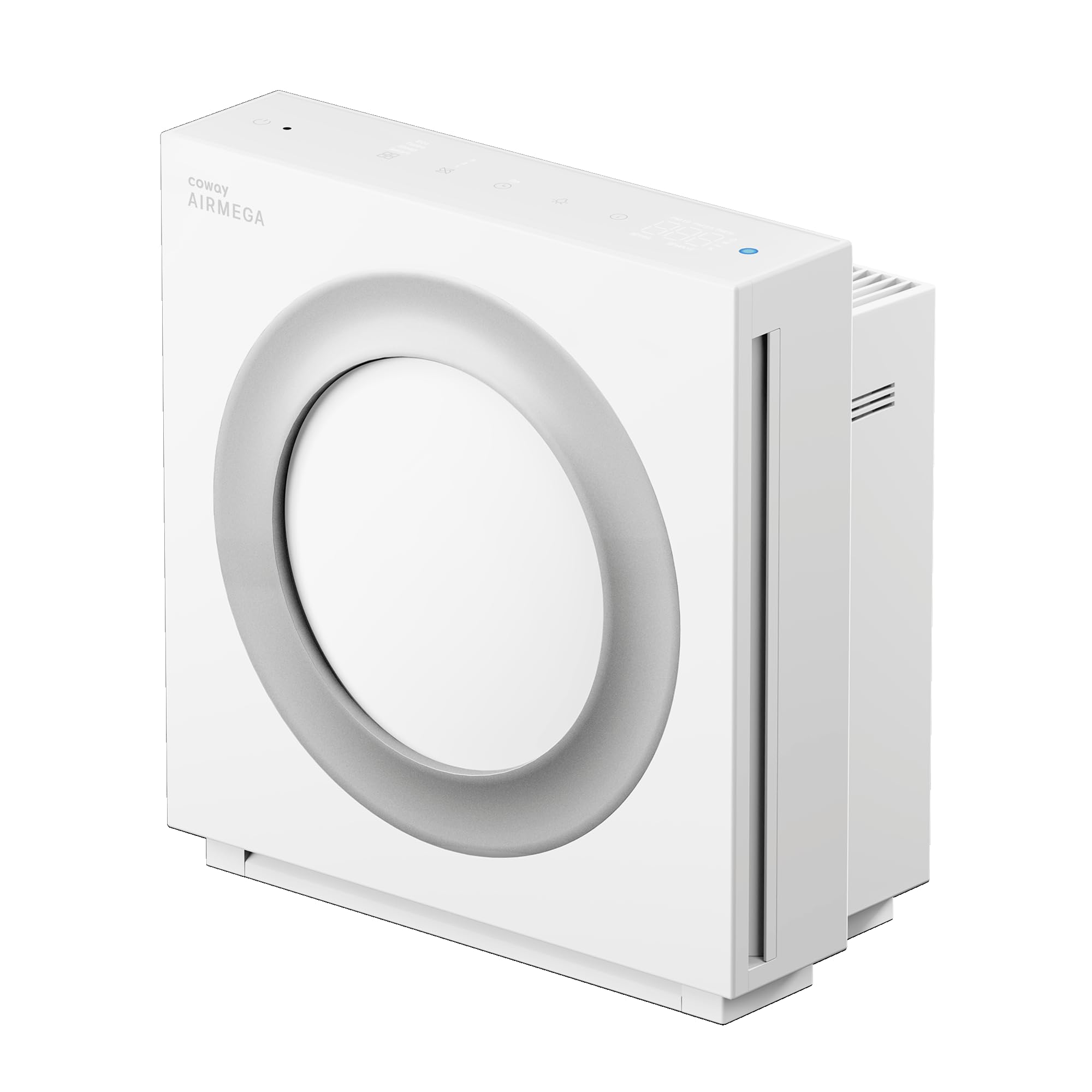
- Premium type: a larger unit with an air quality sensor, auto mode, and dimmable lights, suited to bigger nurseries and shared sleep spaces.
Three Types Worth Comparing for a Nursery
Balanced Everyday Type for Most Nurseries
This is the type most families should start with. It pairs true HEPA filtration with an activated carbon layer for diaper and paint odors, and it covers a typical nursery without taking much floor space. Look for a sleep setting that drops fan noise low enough that you can hold a soft conversation nearby. Controls should be simple to reach in dim light, and a lock helps once your baby starts pressing buttons.
Compact Budget Type for Small Rooms
A compact unit fits a small nursery, a corner beside a dresser, or a room that doubles as a home office. You give up some coverage and get fewer fan speeds and no sensor, but that trade can suit a room under about 120 square feet. Check the filter price before you buy, since a cheap unit with costly filters can cost more over two years than a mid priced model with longer filter life.
Premium Type With Sensors and Quiet Sleep Modes
Premium models add an air quality sensor that raises fan speed when dust or cooking odors drift in, then settles back down for sleep. Many also let you turn display lights fully off, which matters in a room kept dark for naps. This type suits larger nurseries, rooms near a busy street, and parents who want the unit to adjust itself overnight. Expect higher filter costs and a bigger body, so measure your floor space first.
How We Chose the Best Air Purifiers for Nursery
We compared types using manufacturer specifications, filter standards, and verified buyer feedback about noise, light, and upkeep. The criteria were coverage and CADR, filtration type, noise on the lowest setting, energy use, filter life and cost, and nursery specific safety points such as control locks and stable bases. For broader context on sizing and filtration across a whole home, see our guide to the best air purifier options for other rooms.
We favored types that clean air through a filter alone, with no ozone output and nothing a baby could reach, pull, or tip.
How to Choose the Right Air Purifier for Nursery
Size and Form Factor
Start with the floor space you can spare without blocking a walkway, a closet door, or the path you take to the crib at night. Tower shapes take less floor space but stand tall enough for a crawling baby to grab, while shorter box shapes feel more stable and can sit on a sturdy dresser out of reach. Keep the unit where air can reach the intake and outlet freely on all sides.
Type
True HEPA is the core choice for a nursery, since it traps fine dust, pollen, and pet dander in a fiber mat that air must pass through. Carbon layers help with odors from paint, new furniture, and cleaning products, though they do not remove particles alone. Avoid ionic and ozone producing types in a baby room, since ozone can irritate airways and babies breathe more air for their size than adults.
Features Worth Paying For
Pay for a control lock, a display you can dim or switch off, and a filter change reminder you will actually notice. An air quality sensor is worth it if your home has pets, nearby traffic, or seasonal pollen that changes day to day. Skip scent cartridges and fragrance features in a nursery, since added scent is the opposite of what most parents want near a sleeping baby.
Room Size and Coverage Ratings
Match the CADR rating to your room rather than trusting the largest room size printed on the box, which often assumes tall ceilings and constant high speed running. A common guide is to choose a CADR at least two thirds of the room area in square feet, so a 150 square foot nursery calls for a CADR of about 100 or more. If your nursery door stays open to a hallway, size up one step.
Running Cost and Energy Use
A nursery purifier often runs 12 to 20 hours a day, so wattage adds up over a year even when each hour costs little. Most compact and mid size units draw roughly the power of a small lamp on medium speed, and far less on sleep mode. Your filter budget will usually exceed your power bill, so treat low wattage as a bonus rather than the main reason to pick a type.
Noise Levels for Bedrooms
Noise matters more in a nursery than in any other room, since a fan that sounds fine at noon can disturb light sleep at night. Look for a stated noise level on the lowest setting, ideally in the low range that makers describe as whisper level, and expect higher speeds to sound clearly louder. Place the unit a few feet from the crib, which softens the sound while air still circulates.
Filters and Maintenance
Most nursery purifiers use a combined filter that you replace rather than wash, often every 6 to 12 months depending on dust and pet hair in the home. Vacuum the outer prefilter monthly to keep airflow strong. Purifiers have no water tank to empty, unlike humidifiers, so upkeep stays simple during busy weeks with a newborn. If damp or musty smells persist in the room, read our guide to the best air purifier for mold and also fix the moisture source itself.
How Much Should You Spend?
Under $50 usually buys a very small desktop unit suited to a changing corner rather than a whole room. About $50 to $100 covers solid compact models for small nurseries. About $100 to $200 is where most balanced everyday types sit, with true HEPA filters and quiet sleep modes. About $200 to $300 adds sensors, larger coverage, and better built controls. Above about $300, you pay mostly for size and smart features, which few single nurseries truly need for clean air alone.
What Matters Most in an Air Purifier for Nursery
Safety comes before filtration numbers. Choose a unit with no ozone output, a stable base, and a cord you can route fully out of reach, since babies pull cords as soon as they can stand. Set the purifier on the floor away from the crib or on a firm surface a baby cannot reach, and never drape blankets or clothing over it. A control lock and lights that switch off protect sleep and stop curious hands from changing settings overnight.
A purifier handles particles and many odors, but it does not add moisture or remove damp. If dry winter air is your main concern, our comparison of air purifier vs humidifier explains which device solves which problem, and many families end up using each one for a different season. For pollen and dust that trigger sneezing in parents and older siblings, our guide to the best air purifier for allergies covers allergy focused setups.
A purifier supports comfort, but it does not treat illness. Talk with your child's doctor about personal needs, especially for a premature baby or a baby with breathing concerns, and follow the doctor's advice. Clean air in the room is a support, never a substitute for care.
FAQ
What is the best air purifier for nursery use?
For most families, a balanced everyday type with true HEPA filtration, a carbon layer, and a quiet sleep mode is the best fit. It covers a typical nursery, handles dust and diaper odors, and runs softly through naps. Choose the compact type only for very small rooms, and the premium type when you want a sensor to adjust speed on its own.
What should I look for in an air purifier for a nursery?
Look first for true HEPA filtration, no ozone output, a control lock, and lights you can turn off. Then check that the CADR suits your room and that the lowest fan setting is quiet enough for sleep. One point parents often miss is cord length and routing, since a short cord can tempt you to place the unit too close to the crib. Add the yearly filter cost to the purchase price before you decide between two similar types.
Do air purifiers work in a small nursery?
Yes, a filter based purifier does remove a share of airborne dust, pollen, and dander each time room air passes through it, and a small room helps since the same air cycles through more often. Our explainer on do air purifiers work covers the limits in plain terms. A purifier will not remove gases as fully as particles, and it cannot fix dust sitting on bedding, so regular laundering of sheets still matters.
How long does an air purifier take to clean a nursery?
A rightly sized unit can cycle the air in a small nursery several times within an hour on a medium setting, with noticeable freshness often after the first full cycle. Starting the unit about 30 minutes before bedtime gives the room a head start before your baby settles. Cooking smoke or dust from nearby work will take longer, since new particles keep entering.
What size air purifier do I need for a nursery?
Measure the room length and width, multiply them for square feet, and pick a unit rated comfortably above that figure at a speed you can tolerate overnight. Parents often forget ceiling height, and a vaulted ceiling can add a third more air volume than a standard room of the same floor size. When two sizes seem equal, choose the larger one and run it slower, since a bigger unit on low is usually quieter than a small unit straining on high.
How often should you change an air purifier filter in a nursery?
Follow the maker schedule, commonly every 6 to 12 months, and set a phone reminder on the day you install a new filter so the date does not slip during busy months. Homes with shedding pets or nearby roadworks may need earlier changes, and a sour or dusty smell from the outlet is a practical sign the carbon layer is spent. Write the install month on the filter edge with a pen before you fit it, which removes guesswork later.
Final Thoughts
The product table above sums up the three types, and for most readers the best air purifier for nursery choice is the balanced everyday type with true HEPA filtration, a lockable panel, and a sleep mode you can barely hear. Pick the compact type for a truly small room and the premium type for sensor driven control in a larger space. Measure your room, route the cord out of reach, and keep up with filter changes, and the nursery air will stay fresher with very little daily effort from you.