Best Air Purifier for Kitchen (2026): Size, Features and Buying Tips
Disclosure: We may earn a commission when you buy through links on this page, at no extra cost to you. As an Amazon Associate I earn from qualifying purchases. Learn more

What matters when choosing the best air purifier for kitchen: size, features, budget and the mistakes to avoid.
A kitchen fills with smoke, steam, grease particles and lingering cooking odors faster than any other room in your home. Choosing the best air purifier for kitchen use means looking past general room ratings and focusing on carbon filtration, grease handling and airflow that can keep up while you cook. The comparison table below sums up the main types by coverage, performance and noise so you can see the tradeoffs at a glance.
This guide explains which type suits a small apartment kitchen, a busy family kitchen or a large open layout, plus how to size a unit and read CADR numbers.

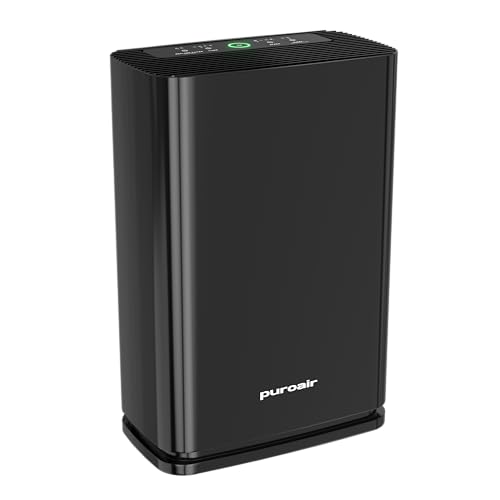


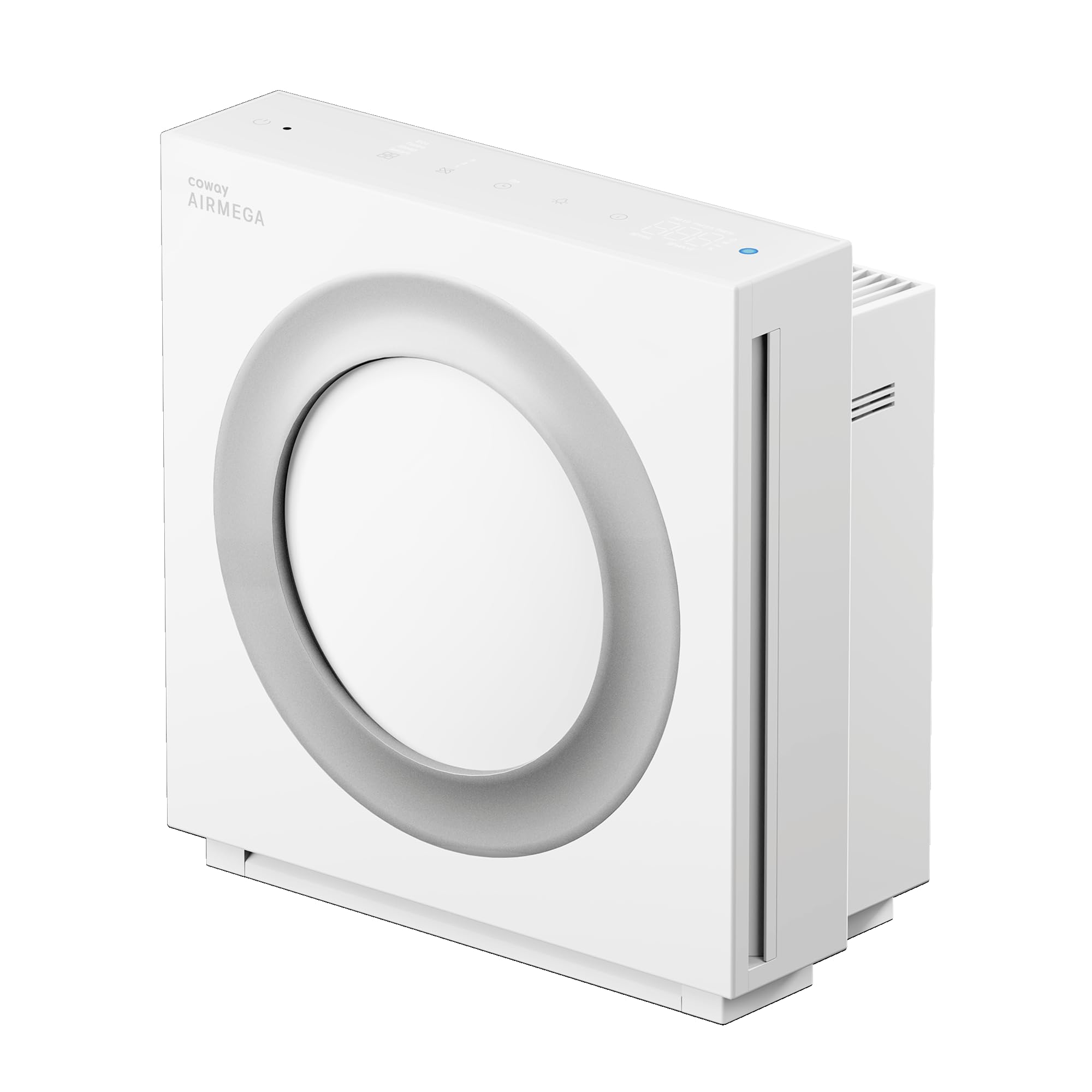
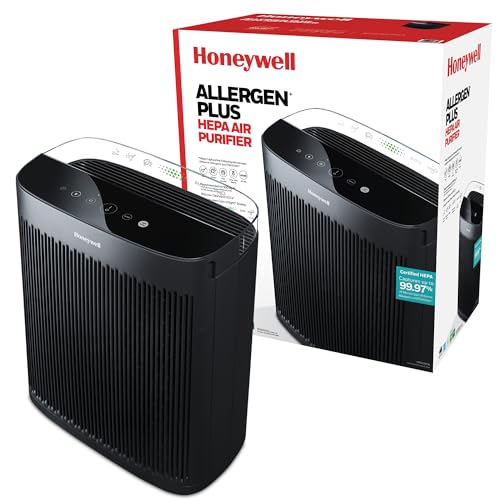


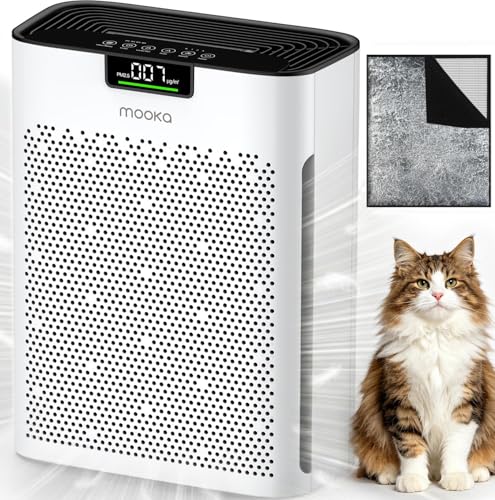
Types Compared at a Glance
Kitchen models fall into three broad groups. Compact units sit on a counter or a shelf and suit small spaces where floor room is tight. Tower and floor standing units move more air and suit medium to large kitchens where cooking happens daily. Units with deep carbon beds cost more and need larger filters, but they tackle strong odors from frying, roasting and spices better than thin carbon sheets do.
None of these types replaces your range hood. A hood captures smoke and steam at the source, while a purifier cleans what escapes into the room and drifts toward the dining area or hallway.
Three Types Worth Comparing for Kitchen Use
Compact Units for Small Kitchens
A compact unit works well when counter space is limited and the room is small. Look for a true HEPA filter for fine particles and at least some activated carbon for odors. Place it a few feet from the stove, because direct heat and heavy grease can shorten filter life. These units run quietly and use little power, but they clean slowly when a pan smokes heavily.
Floor Standing Units for Busy Family Kitchens
A larger floor unit brings a higher CADR and a bigger filter, so it clears smoke from daily cooking in less time. This is the practical middle ground for most homes, and our broader guide to the best air purifier options for other rooms can help you match styles across the house. Choose a washable prefilter if you can, because it catches flour dust and larger grease droplets before they reach the main filter.
Deep Carbon Units for Strong Odors
If odor is your main complaint, filter weight matters more than headline coverage. A deep bed of activated carbon holds more material to adsorb gases from burnt oil, garlic, fish and strong spices. These units are larger and their filters cost more, yet where cooking smells linger for hours they solve a problem that a particle filter alone cannot.
How We Chose the Criteria in This Guide
We based the criteria below on manufacturer specifications, established rating methods such as CADR and room coverage, and patterns in verified buyer feedback. The priorities were coverage and airflow first, then carbon capacity, noise on the speeds you would actually use, energy use and filter change cost. We did not rank any single model.
How to Choose the Right Air Purifier for Your Kitchen
Size and Form Factor
Measure the spot where the unit will live before you shop. A countertop model saves floor space but must sit clear of splashes and heat, while a tower fits into a corner. Leave several inches of open space around the intake and outlet so air can move freely. In a galley kitchen, a slim tower near the doorway often works better than a wide unit that blocks a cabinet or walkway.
Type and Filtration
True HEPA filtration captures fine particles such as smoke, dust and pollen. Activated carbon handles gases and odors, which is the part many general room units do too lightly for a kitchen. Avoid ozone generating and ionizing designs in a room where you cook and eat. A simple setup of prefilter, HEPA and carbon covers nearly every kitchen need without extra gimmicks.
Features Worth Paying For
An air quality sensor that raises fan speed when smoke rises is genuinely useful during cooking, because you rarely have a free hand to adjust settings. A filter change indicator saves guesswork, and a timer helps the unit run through the evening and then stop. WiFi control is a convenience rather than a necessity. Skip built in humidifier or fan extras unless you truly need them, since added functions can complicate cleaning.
Room Size and Coverage Ratings
Match the unit to your room using CADR and the stated coverage in square feet. As a rule of thumb, the smoke CADR should be at least two thirds of your room area in square feet, so a kitchen of about 300 square feet calls for a smoke CADR near 200. Open layouts need more capacity because air drifts into the dining and living areas. If you are unsure whether purifiers deliver real results in rooms like this, our explainer on do air purifiers work walks through what the ratings mean.
Running Cost and Energy Use
Most kitchen sized units draw modest power on medium speed, similar to a small lamp, but running a large unit on its highest setting all day adds up. Check the wattage and look for energy saving certification where available. Filter cost is usually the bigger expense, so note the price and rated life of each replacement before you buy. A cheaper unit with costly filters that clog fast in grease can soon cost more than a pricier unit with longer lasting filters.
Noise Levels for Cooking and Conversation
Manufacturers quote noise on the lowest speed, yet you will run the unit higher while you cook. Look for decibel figures across all speeds and expect the top setting to sound like a strong fan. That is fine for a short burst after a smoky pan, but for an open layout where people eat and talk nearby, a model that stays moderate on its middle speeds is easier to live with.
Filters, Grease and Maintenance
Kitchen air carries grease that other rooms do not, and grease coats filters and slows airflow. Vacuum or wash the prefilter often, following the maker directions. Expect to replace the HEPA and carbon filters sooner in a heavy cooking household than the rated life suggests. If anyone in your home reacts to pollen or dust as well, our guide to the best air purifier for allergies covers the filtration side in more depth.
How Much Should You Spend?
Under about $50 you get a small desktop unit for a tiny kitchen, with limited carbon and slow cleaning. Around $100 to $200 covers most compact and midsize models with true HEPA and a usable carbon stage. Between about $200 and $300 you gain higher CADR, larger filters and sensors that adjust speed on their own. Above about $300, you are paying for deep carbon beds, coverage for large open spaces and quieter operation at high airflow rather than a different kind of cleaning.
What Matters Most in a Kitchen Purifier
Three things decide whether a kitchen purifier earns its space. First is carbon capacity, because odors are the complaint that brings most buyers here and a thin carbon sheet saturates quickly. Second is a prefilter you can clean, because grease and flour dust will load the main filter fast without one. Third is honest sizing, since an undersized unit on its loudest setting still clears a smoky room slowly and soon gets switched off and forgotten.
Placement matters almost as much as the model itself. Put the unit in the path smoke travels, a few feet from the stove, but never so close that heat or splatter reaches it. Run it before you start cooking so the air is already moving. Damp corners near sinks can grow mildew over time, and readers dealing with that may want our guide to the best air purifier for mold alongside normal moisture control.
A purifier also does not add or remove moisture. If your kitchen air feels dry or damp, that is a separate appliance decision, and our comparison of air purifier vs humidifier explains which device solves which problem.
Common Mistakes to Avoid
- Buying by room size alone and ignoring carbon, so smoke clears but cooking odors stay for hours.
- Placing the unit right beside the stove, where heat and grease shorten filter life and can damage the housing.
- Running only the quiet speed during heavy cooking, which moves too little air to clear the room.
- Forgetting the prefilter, so grease loads the HEPA filter early and replacement costs climb.
- Expecting a purifier to replace a range hood, a window or basic ventilation while you cook.
- Choosing an ionizing model for a room where food is prepared, without checking whether it produces ozone.
How to Make Your Kitchen Purifier Last Longer
Clean the prefilter on a regular schedule and check it sooner after weeks of heavy frying. Wipe the exterior and intake grille with a dry or slightly damp cloth, and never spray cleaner into the vents. Replace filters when airflow drops or odors return quickly after cooking, even if the indicator has not yet lit. Store spare filters in a dry cupboard away from cleaning chemicals so the carbon stays fresh.
FAQ
What is the best air purifier for kitchen use in a typical home?
For most homes it is a midsize unit with true HEPA filtration, a carbon stage you can replace on its own and a smoke CADR matched to your room size. That balance clears daily cooking smoke without the cost or bulk of a deep carbon model. Homes that fry often or cook with strong spices should weight the carbon side more heavily when comparing options.
What should I look for in an air purifier for a kitchen?
Start with CADR and coverage, then check carbon weight, a cleanable prefilter and noise on medium speed. Also confirm where the unit can sit in your layout, because a model that blocks a walkway will end up unplugged. A sensor that reacts to smoke is a bonus worth having, since it raises speed at the exact moment you are busiest at the stove.
How long does an air purifier take to clean a kitchen?
A correctly sized unit can noticeably reduce visible smoke within about 15 to 30 minutes of running on a high speed after cooking. Odors take longer because carbon adsorbs gases gradually, and strong smells may need an hour or more of steady running. Starting the unit before you cook shortens both times, because particles never build up to the same level in the first place.
What size air purifier do I need for my kitchen?
Measure the room in square feet, including any open dining area that shares the same air, and choose a smoke CADR of at least two thirds of that number. When your calculation lands between two sizes, pick the larger one so you can run it on a quieter middle speed. Kitchens with high ceilings hold more air than the floor area suggests, which is another reason to size up.
How often should I change the filter in a kitchen air purifier?
Follow the maker schedule as a starting point, then adjust for how much grease your cooking produces. A household that fries several times a week may need a new carbon filter well before the rated month arrives, because saturated carbon stops holding odors. A simple test is smell: if last night dinner still lingers the next morning despite a clean prefilter, the carbon is likely spent.
Can an air purifier remove cooking smells completely?
It can reduce them a great deal, but no home unit removes every trace of a strong meal, especially from fabrics and curtains that absorb odor. Venting at the stove, wiping splattered surfaces and washing soft items still matter. What a good carbon filter changes is the duration: smells fade within hours instead of greeting you the next day when you walk into the kitchen.
Final Thoughts
Start with your room size, then choose the carbon capacity and prefilter care that match how you actually cook. That order keeps you from paying for coverage you cannot use or skimping on odor control. Compare the types in the product table above before you decide. For most readers, the best air purifier for kitchen use is simply the correctly sized HEPA and carbon unit that you will run every day and maintain without fuss.