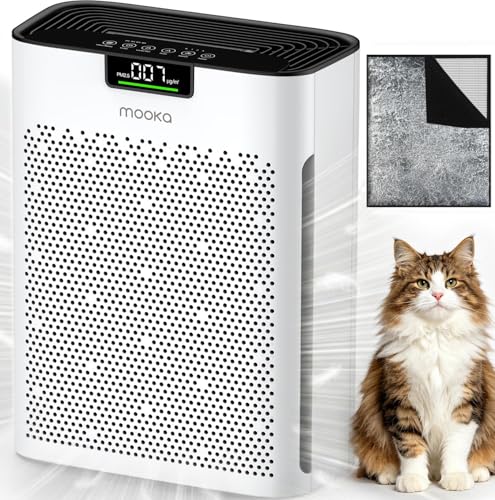
Best Air Purifier for Cooking Smells (2026): Size, Features and Buying Tips
Disclosure: We may earn a commission when you buy through links on this page, at no extra cost to you. As an Amazon Associate I earn from qualifying purchases. Learn more

What matters when choosing the best air purifier for cooking smells: size, features, budget and the mistakes to avoid.
A good dinner can perfume your whole home for hours. Fish, frying oil, garlic, curry spices and seared meat leave gases in the air long after the plates are cleared, and those gases cling to curtains, cushions and clothing. Choosing the best air purifier for cooking smells is therefore different from choosing a unit for dust. The comparison table below sets out the main types side by side so you can match a model to your kitchen, your cooking style and your room size.
Cooking smells are mostly gases and vapors, and gases pass straight through a particle filter. What you need is a generous bed of activated carbon to adsorb those gases, plus enough airflow to cycle the air several times while you cook and after you finish. This guide explains how to judge both, and our broader guide to the best air purifier covers general home use if your needs go beyond the kitchen.

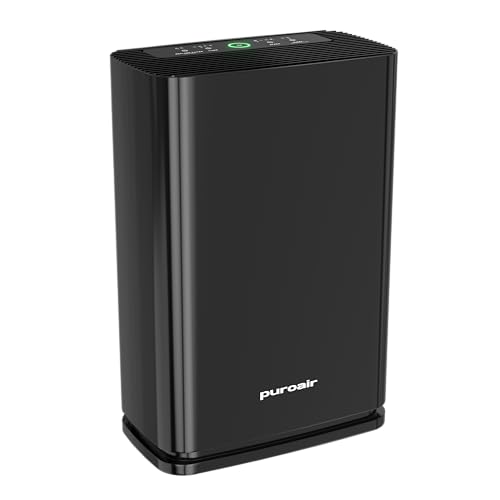


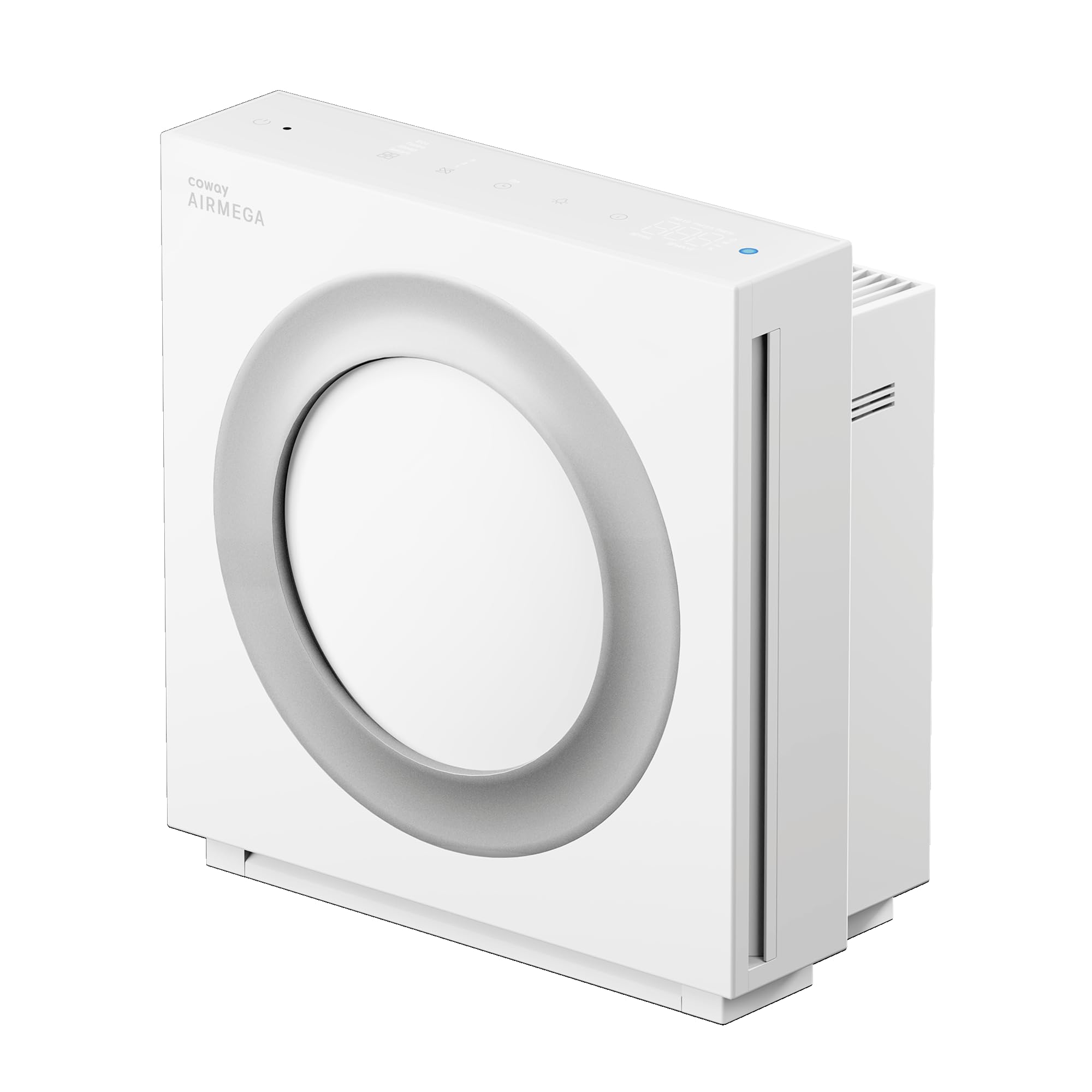
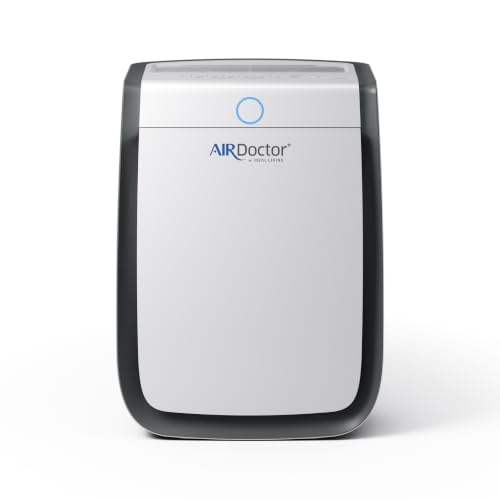

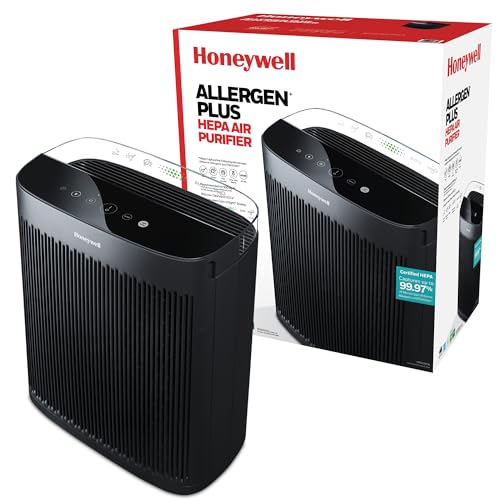

Types Compared at a Glance
Start with the three types that handle cooking odor best. Each trades size, carbon capacity and convenience in a different way. Think about where the unit will live and how often you cook foods with strong smells, then use the criteria below to check a specific model.
Tower Units With a Deep Carbon Bed
A tower unit with a thick carbon filter is the strongest choice for an open plan kitchen and living area. The tall cabinet holds more carbon than a small box can, and carbon capacity decides how many weeks of frying and roasting the filter can absorb before it fills up. The trade off is floor space and filter cost.
Compact Units for Small Kitchens and Rentals
A compact unit suits a small apartment, a studio or a rental where the kitchen opens onto the only living space and there is no room for a tower. Placed close to the cooking area, it can cut the lingering smell in the zone where you sit and eat. Look for a compact model that still gives carbon real prominence in the filter stack. A tiny unit with only a thin carbon sheet will fade within weeks of regular frying.
Sensor Driven Units for Frequent Cooks
If you cook most nights, a unit with a vapor sensor can raise its fan speed on its own when odor builds, then settle back down once the air clears. Treat the sensor as a convenience rather than proof of cleaning power. The carbon bed and the airflow rating still decide how much odor the unit removes.
How We Chose the Criteria in This Guide
We built the criteria here from maker specifications, filter construction details and patterns in verified buyer feedback about odor control. We weighted the factors that chemistry and airflow make important for cooking smells: the amount of activated carbon, the smoke CADR rating, stated coverage, noise at useful speeds, energy use and filter cost.
How to Choose the Right Air Purifier for Cooking Smells
Size and Form Factor
Start with the spot where the unit will stand every day, because a purifier that blocks a cupboard door or a walkway will end up switched off. Measure the footprint you can spare and leave clear space around the intake and outlet so air can move freely. Keep the unit out of the direct path of steam and splashing oil, since grease and moisture shorten filter life.
Filter Type and Carbon Weight
This decision matters most for odor. Activated carbon has a vast internal surface that traps gas molecules as air passes through, a process called adsorption. A HEPA filter, by contrast, traps particles such as flour dust, smoke particles and grease droplets, but it does not stop gases. You want both, with carbon in a thick bed or a heavy pellet fill rather than a thin black sheet. Some makers state carbon weight in pounds, and more weight generally means a longer working life before smells pass through untouched.
Features Worth Paying For
Pay for a vapor or odor sensor, a filter life indicator based on run time, and a fan with several speeds including a genuinely quiet low setting. A timer helps too, because running the unit for an hour after dinner finishes the job while you relax. Skip extras that add moisture or fragrance, since neither removes odor gases. If you are weighing a combined unit, our comparison of air purifier vs humidifier explains why adding moisture is a separate job with separate upkeep.
Room Size and Coverage Ratings
Coverage claims only help if you read them with the CADR rating beside them. CADR, or clean air delivery rate, tells you how much filtered air the unit delivers, and the smoke CADR is the most relevant figure for a kitchen. As a rule of thumb, choose a smoke CADR that covers at least two thirds of your room area in square feet, and go higher for an open plan space or a tall ceiling.
Running Cost and Energy Use
A purifier only helps if you can afford to leave it running through a long cooking session and beyond. Most home units draw about as much power as a modest lamp, but the largest towers draw more on their top speed. The bigger cost over a year is usually filters, not electricity, so add a year of replacement filters to the purchase price before you decide which model is truly cheaper.
Noise Levels for Living Spaces and Bedrooms
Noise decides whether you will use the higher speeds when you need them most. Makers quote decibel figures, usually for the lowest speed, so look for the figure on medium and high as well. A unit beside the dining table or in a studio where you also sleep needs a low speed quiet enough for conversation and rest. Turbo speed will always sound like a strong fan, which is acceptable while pans are on the stove.
Filters and Maintenance
Cooking air carries grease, and grease loads a filter faster than ordinary household dust. A washable or vacuumable prefilter at the front of the stack catches coarse particles and droplets first, which protects the HEPA and carbon stages behind it. Note whether you can reach the prefilter without tools, because a fiddly design discourages the quick clean it needs. Also check whether the carbon filter is replaced on its own or as part of a combined cartridge, since that changes cost.
How Much Should You Spend?
Models under $100 are usually small units for one small room, and many carry too little carbon for regular frying, so read the filter description closely at this level. Between about $100 to $250 you will find the most useful kitchen options, with real carbon beds, midsize coverage and sensors on some models. Spending about $250 to $500 buys larger coverage, heavier carbon fills and quieter running at useful speeds.
What Matters Most in an Air Purifier for Cooking Smells
Source control comes first, and no purifier replaces it. Use a range hood that vents outside if you have one, put lids on pans, and open a window when weather allows, because removing odor at the stove is easier than cleaning a whole room afterward. A purifier is the second layer, catching what escapes into the living space. If you want the wider evidence on what these machines can and cannot do, our explainer on do air purifiers work walks through the limits in plain terms.
Placement is the other factor buyers underestimate. Put the unit in the room where the smell lingers, with the intake facing the general direction of the kitchen, and let it run before the strongest smells build. Frying also releases fine particles that carbon does not capture, and a true HEPA stage traps those as air recirculates. Readers who manage sensitivities may also want to compare the best air purifier for allergies, where particle capture is the priority.
Common Mistakes to Avoid
- Buying on HEPA alone, so gases pass through and the smell returns within the hour.
- Choosing a unit rated for a much smaller room, so it never cycles the air fast enough during cooking.
- Picking a model with a thin carbon sheet for daily frying, so the filter saturates in a few weeks.
- Standing the unit right beside the stove, where grease and steam clog the prefilter.
- Running only the quietest speed at all times, so airflow is too low to clear a strong cooking event.
- Ignoring filter replacement cost, so a cheap purchase becomes the most expensive unit to own.
Care and Maintenance for Kitchen Use
Kitchen duty is harder on a purifier than bedroom duty, so a simple routine protects your filter budget. Wipe the exterior and vacuum the prefilter about once a month, or sooner if you fry often, because a clogged prefilter starves the stages behind it of air. Keep the intake clear of curtains and stored pans. A light film of grease near the unit is a sign it sits too close to the cooking zone.
Replace filters when the indicator calls for it or when cleaned air starts to smell faintly of old cooking again, whichever comes first. Keep one spare carbon filter if you cook daily, since a saturated filter cannot recover with rest. Store the spare sealed in its wrapping in a dry cupboard, because unused carbon can slowly adsorb moisture and household vapors while it sits open.
FAQ
What is the best air purifier for cooking smells?
The best choice is a unit with a heavy activated carbon bed, a true HEPA stage and a smoke CADR sized generously for your room, rather than one headline feature. For most homes that points to a midsize tower in the middle price band. Cooking frequency matters too: a household that fries twice a day will exhaust carbon far sooner than one that roasts on Sundays, so frequent cooks should favor the heaviest carbon fill they can afford.
What should I look for in an air purifier for cooking smells?
Look for stated carbon weight, a washable prefilter and a fan you can leave running without it bothering you. Be wary of vague freshness claims with no filter detail behind them. A useful extra check is the warranty length on the fan motor, because a kitchen unit runs far more hours each year than a bedroom unit used only at night.
How long does an air purifier take to clean a room?
It depends on how many times the unit can cycle the full volume of room air, which is why room size and CADR must be read together. A correctly sized unit will noticeably reduce a cooking smell within the first cycle, and the smell will keep fading over the next few cycles. Closing doors during a cleanup run can shorten the wait, because an open door to a hallway effectively enlarges the space the unit must treat.
What size air purifier do I need for an open plan kitchen?
Measure the whole shared space, not just the kitchen corner, and include the dining and seating areas the air flows into. Then choose a unit whose stated coverage exceeds that total, because makers base coverage on conditions that may be more generous than a busy family kitchen. One larger unit placed between two connected areas usually treats both better than a small unit in each.
How often should you change the filter in a kitchen air purifier?
Follow the maker schedule as a starting point, but judge the carbon stage by smell rather than by the calendar alone. When a faint stale note survives a full cleanup run, the carbon is nearing saturation even if the indicator has not changed. Wiping down the stovetop and nearby surfaces after a greasy meal also helps, since odor held in a film of oil on hard surfaces keeps reentering the air no matter how fresh the filter is.
Final Thoughts
Cooking smells are a gas problem first and a particle problem second, so let carbon capacity, honest coverage and a fan you will actually run guide your choice. Check the product table above once more against your room size and your cooking habits, then pick the best air purifier for cooking smells that you can place well and maintain without fuss. A unit that runs through dinner and for an hour afterward will do more than a stronger machine that stays off because it is noisy.