Best Air Plants: Types Compared and How to Choose for 2026
Disclosure: We may earn a commission when you buy through links on this page, at no extra cost to you. As an Amazon Associate I earn from qualifying purchases. Learn more
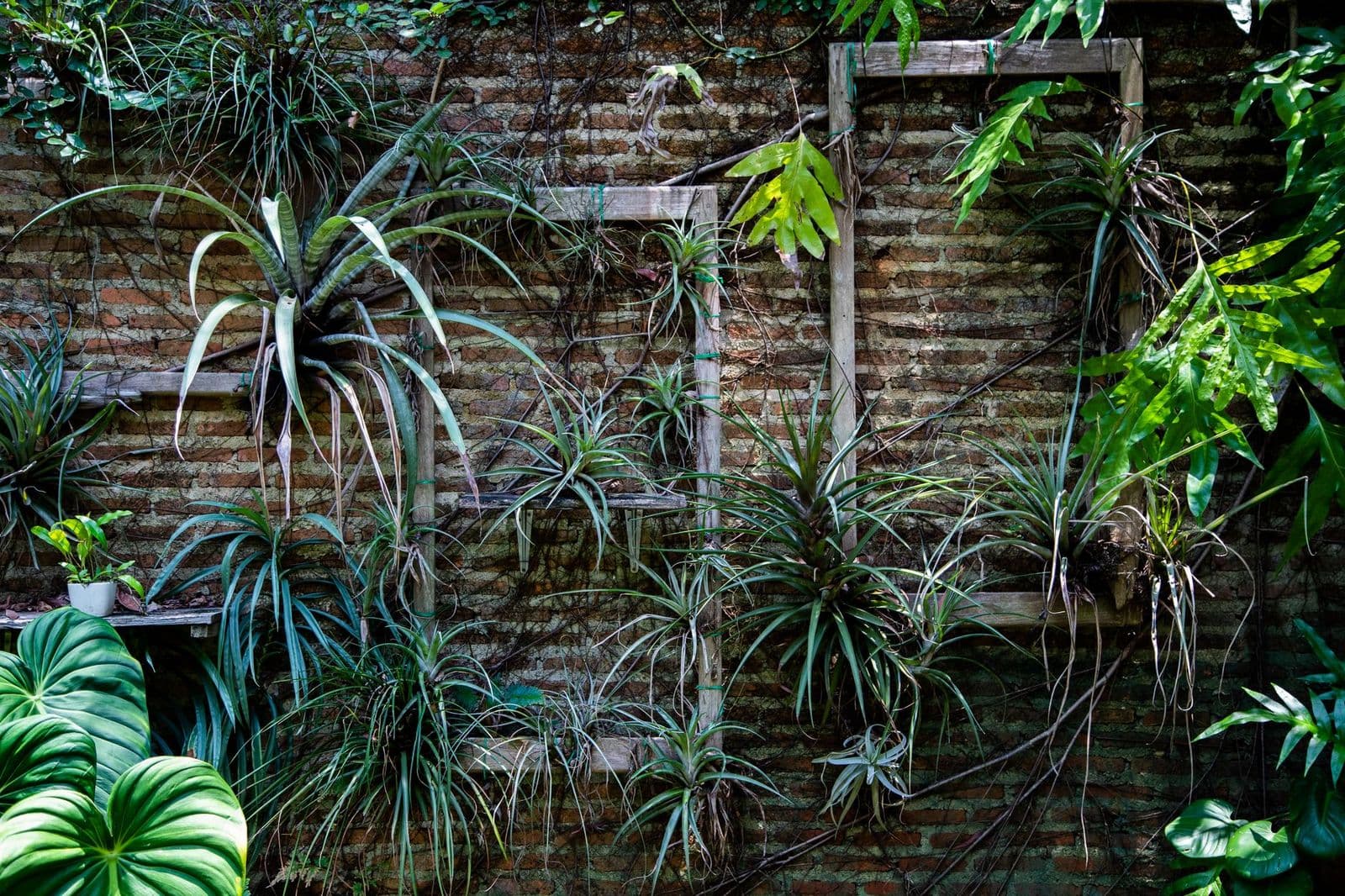
Compare the best air plants by type, size, light needs, and care effort, and match one to your space with simple routines.
Shopping for the best air plants can feel confusing at first, because the plants look very different from one another and they do not grow in soil. Some stay small enough for a desk, while others grow into bold display pieces that need more room and more light. This guide compares the main types in plain terms, so you can use the comparison below and choose with confidence.
An air plant absorbs water and nutrients through its leaves, so light, air flow, and a steady watering routine matter more than pot size or soil mix. The right choice depends on your light, your available space, and how much care time you want to give each week. Keep those three factors in mind as you read, and the differences between types will be much easier to judge.
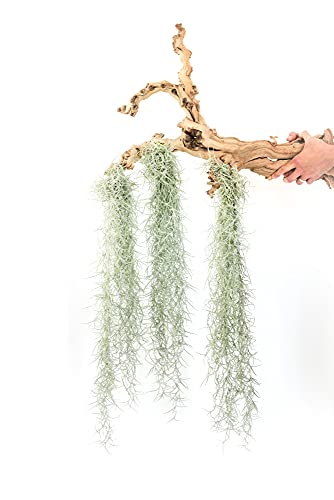
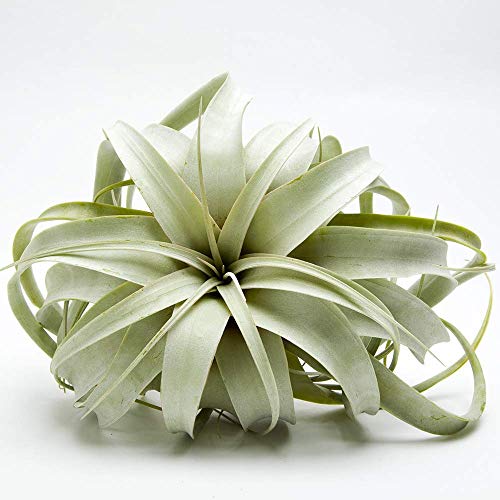
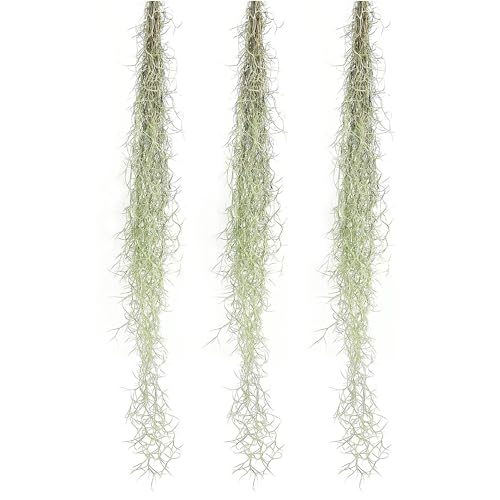
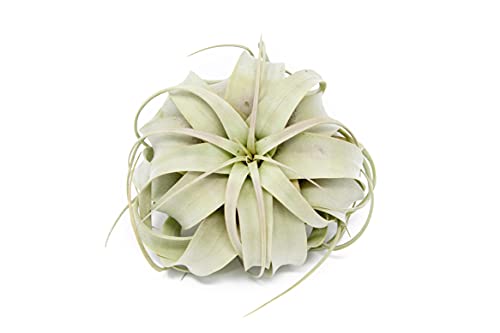
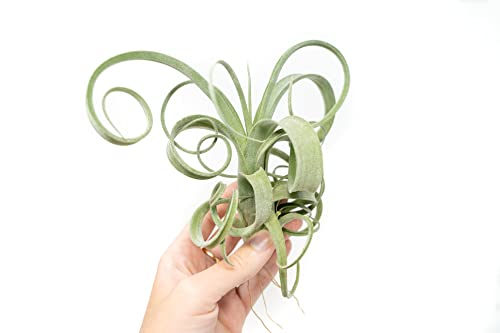
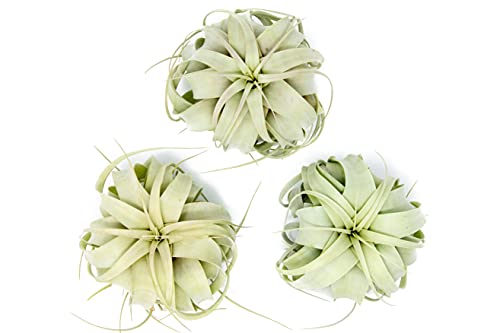
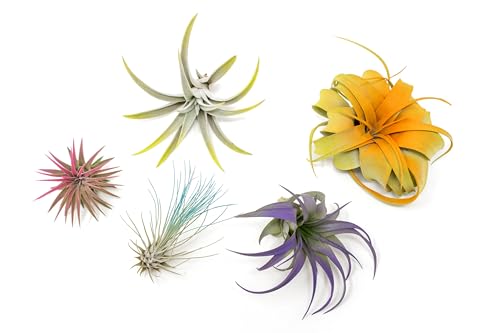
Types of Air Plants Compared
Air plants fall into broad groups based on size, shape, and growth habit, and each group suits a different kind of home. Compact types suit small shelves and desks, large types make a stronger visual statement, and trailing types work well in hanging displays. The table below gives a quick overview, and the sections that follow explain each group in more detail.
| Type | Best For | Pros | Cons | Typical Price |
|---|---|---|---|---|
| Compact rosette types | Desks, shelves, and small rooms | Easy to place, simple care, low cost | Small visual impact on their own | around $5 to $15 |
| Large statement types | Open shelves, tables, and focal displays | Bold shape, strong presence, long lived with good care | Need more light and space | around $15 to $40 |
| Trailing and hanging types | Hanging holders, wall displays, and high shelves | Graceful shape, good use of vertical space | Harder to soak and dry evenly | around $10 to $30 |
Compact Rosette Types
Compact rosette types form a tight, rounded shape with leaves that spread outward from a central point. They are a good starting point if you are new to air plants, because they fit almost anywhere and their care routine is easy to learn. Place one on a desk, a bookshelf, or a windowsill with bright indirect light, and give it a regular soak and a good drying period.
These plants work well in groups, so you can mix several small types in one display without crowding a room. Their main limit is size, since a single small plant will not fill a large empty shelf on its own.
Large Statement Types
Large statement types grow broader leaves and a fuller shape, which makes them a natural focal point in a room. They suit open shelves, coffee tables, and entryways where they can be seen from several angles. Their size also means they need a brighter spot and more room than a compact type, so measure your display space before you buy.
Give a large plant plenty of air flow after watering, because trapped moisture in a dense leaf cluster can cause problems over time. With steady light and a careful drying routine, a large type can stay attractive for years.
Trailing and Hanging Types
Trailing and hanging types grow long, slender leaves that drape downward, which makes them ideal for hanging holders and high shelves. They use vertical space well, so they suit rooms where shelf and table space is already full. Hang them where they receive bright indirect light and where air can move freely around the whole plant.
The main challenge with trailing types is watering, since a long plant is harder to soak and dry evenly than a compact one. Soak the plant fully, shake off extra water, and hang it in a spot with good air flow until it is dry.
Compact Types vs Large Statement Types: Which Should You Choose?
Compact types win on ease and flexibility, while large types win on visual impact. A compact plant fits a small desk, costs less, and is simple to soak and dry, which makes it a safer first purchase. A large plant needs more light, more space, and a more careful drying routine, but it can carry a display on its own.
Choose a compact type if your space is limited, if you are still learning a watering routine, or if you want to try several plants at a low total cost. Choose a large type if you have a bright, open spot and you want one strong focal point rather than a group of small plants.
How to Choose the Right Air Plant
Use the four factors below to narrow your choice. Light comes first, because even a beautiful plant will struggle in a dark corner.
Match the Plant to Your Light and Space
Most air plants prefer bright indirect light, such as near a window that does not receive harsh midday sun. A compact type can thrive on a desk near such a window, while a large type needs a more open spot with room for its leaves to spread.
Water, Air Flow, and Drying
Air plants need regular soaking or misting, followed by a full drying period in moving air. After each soak, shake off extra water and place the plant upside down or at an angle until it is dry, usually within a few hours.
Value and Cost per Plant
Compact types offer the lowest entry cost, so they are a good way to learn care without spending much. Large and rare looking types cost more, and part of that price reflects slower growth and larger size.
Ease of Care and Display
Think about how you will display and water the plant each week. A plant in an open holder is easy to remove for soaking, while a plant fixed inside a closed glass container is harder to dry. For related indoor greenery ideas, see our guide to best indoor plants, and if you travel often, look at an automatic watering system for indoor plants for your other houseplants.
How to Make Your Air Plant Last Longer
A steady routine matters more than any single trick. Water early in the day so the plant has time to dry before night, and give it bright indirect light with good air flow.
- Soak or mist on a regular schedule, then let the plant dry fully in moving air.
- Keep the plant out of direct midday sun, which can dry the leaves too fast.
- Move the plant away from cold drafts and freezing windows in winter.
- Keep plants out of reach of children and pets, and follow the maker care guidance for your type.
Frequently Asked Questions About Air Plants
How often should I water an air plant?
Most air plants do well with a soak about once a week, plus a light mist between soaks in a dry room. Soak the plant for 20 to 30 minutes, shake off extra water, and let it dry fully in moving air before you return it to its holder. A plant in a humid bathroom may need less water, while a plant near a heating vent may need more. Watch the leaves for a useful clue, since curling or dull leaves often point to a need for water, while soft, dark leaves can point to too much moisture.
How much light does an air plant need?
Most air plants need bright indirect light, such as a spot near an east facing window or a few feet from a south facing window with a sheer curtain. Too little light leads to slow growth and pale leaves, while harsh direct sun can scorch the leaves, especially in summer. If your only window receives strong midday sun, move the plant back from the glass or use a sheer curtain to soften the light. A plant that receives steady, gentle light will usually grow more evenly than one moved between dark and sunny spots.
Do air plants really need no soil?
Yes, air plants grow without soil, because they absorb water and nutrients through small scales on their leaves. In nature they attach to trees, rocks, and other surfaces, so a pot of soil is not part of their care. That does not mean they need nothing, since they still need light, water, and air flow on a regular schedule. Use an open holder, a piece of driftwood, or a hanging mount rather than soil, and make sure the plant can dry fully after watering.
How can I tell if my air plant is healthy?
A healthy air plant usually has firm leaves with a fresh green or silvery green color, depending on the type. New growth in the center is a good sign, and the plant should feel sturdy rather than soft or mushy at the base. Dry brown leaf tips can be a normal response to low humidity, and you can trim them with clean scissors if the maker guidance allows it. A soft, dark base that pulls apart easily is a warning sign, and it often follows long periods of trapped moisture.
Can air plants live outdoors?
Air plants can live outdoors in mild weather, as long as they receive bright indirect light and protection from frost, heavy rain, and harsh midday sun. A shaded porch or a spot under a tree canopy often works well in spring and summer. Bring plants indoors before cold nights arrive, because frost can damage the leaves quickly. Outdoors, check plants more often after rain, and make sure they dry fully rather than sitting wet for days.
Wrapping Up
The best air plants for your home are the ones that match your light, your space, and the care routine you can keep each week. Compact types suit small spaces and new growers, large types suit bright rooms that need a focal point, and trailing types suit hanging displays with good air flow. Choose the type that fits your room, and start with a simple routine you can repeat with confidence.