Best Air Fry Gas Range in 2026: Buying Guide for Crisp Weeknight Meals
Disclosure: We may earn a commission when you buy through links on this page, at no extra cost to you. As an Amazon Associate I earn from qualifying purchases. Learn more

A best air fry gas range fits your opening and fuel type and has a true convection fan. Compare layouts and budgets.
Picture a weeknight when frozen fries, chicken wings, and roasted vegetables all need to be crisp at once, yet nobody wants a second appliance on the counter. That is the moment a best air fry gas range earns its place, since it pairs gas burners you control by sight with an oven mode built for crisping. This guide helps you choose by space, household size, and budget, starting with the product table.
Air fry mode is not magic. A convection fan moves hot air around a shallow tray, so food crisps faster than it would in a still oven. If you are still weighing the broader category, start with our guide to the best gas range and then return here for the air fry details.


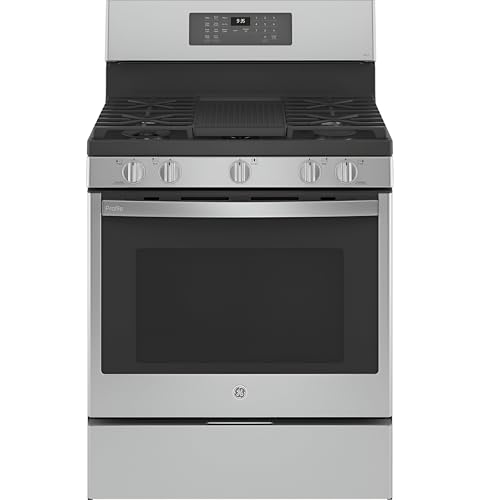
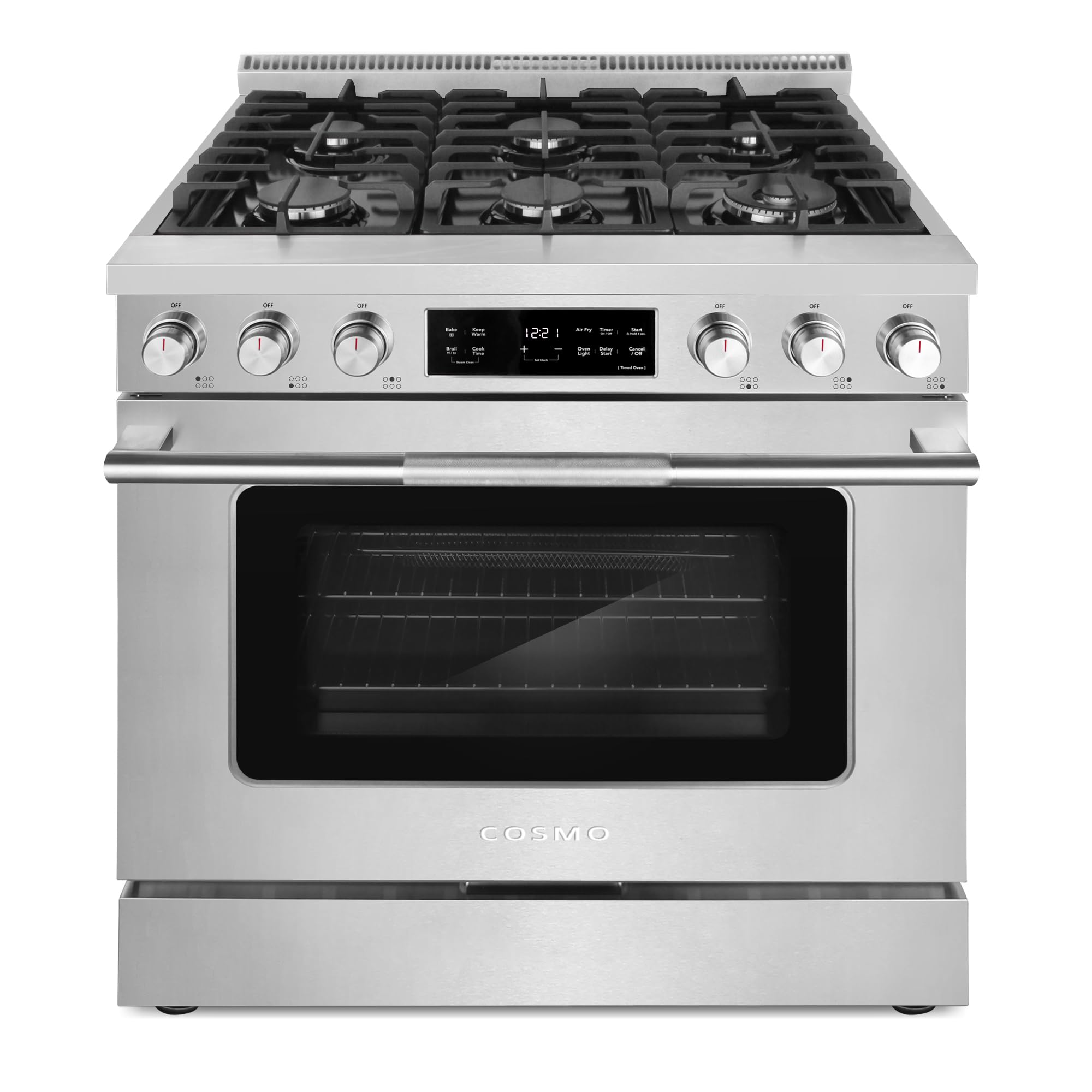
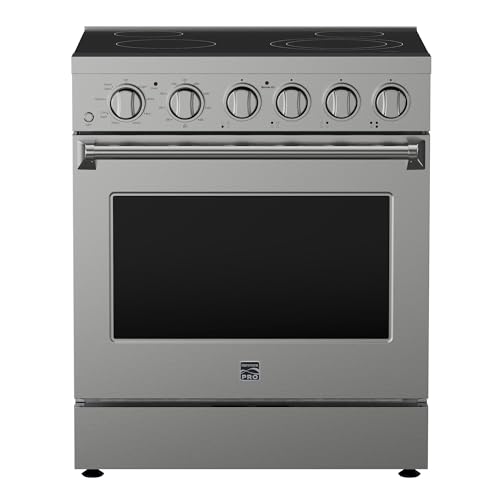
Quick Answer: Three Types That Fit Most Homes
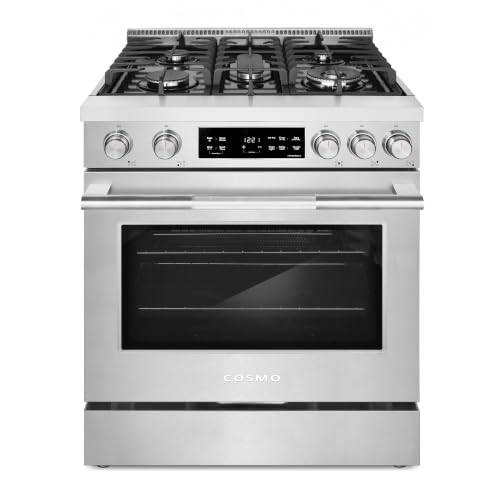
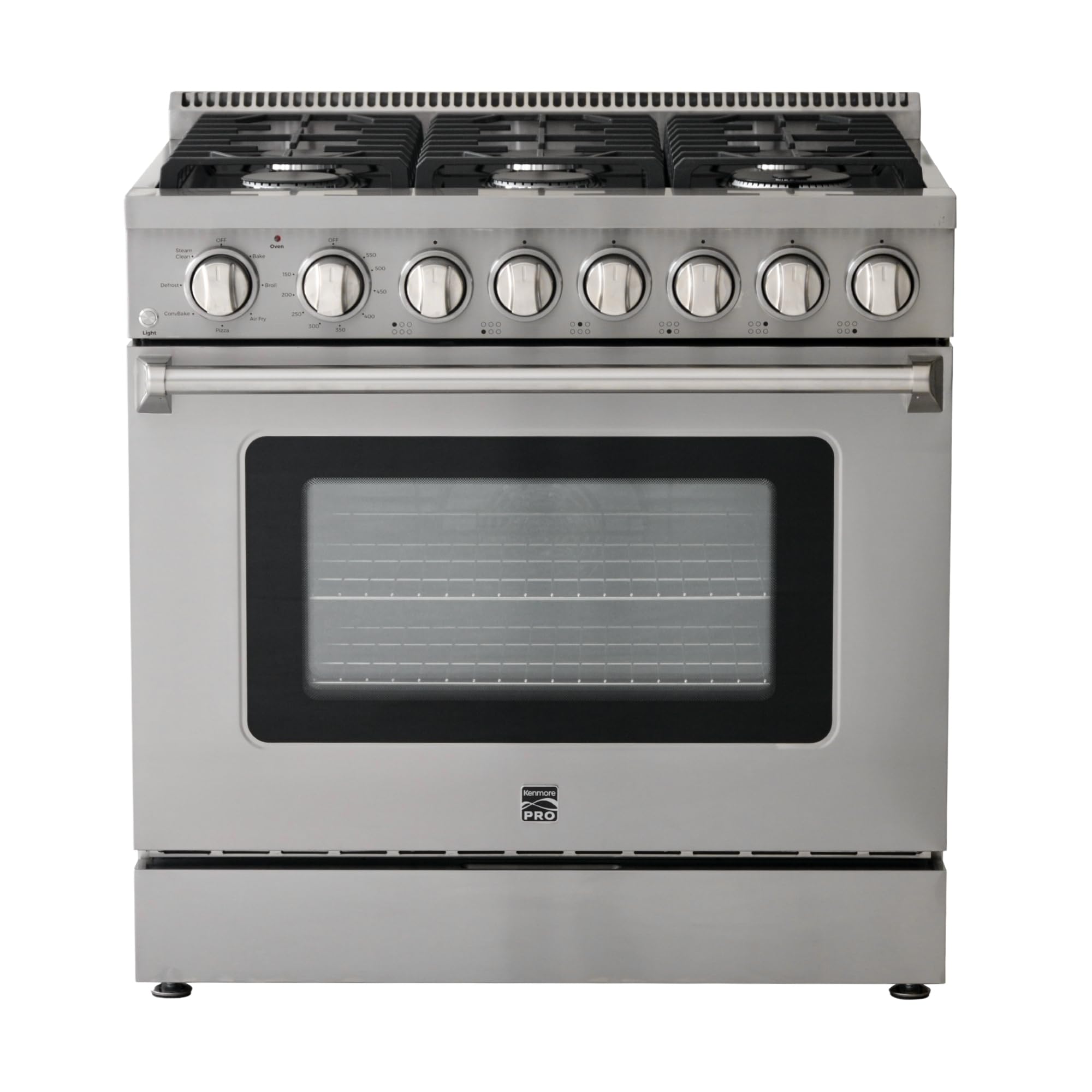
Most shoppers land on one of three layouts. A standard 30 inch slide in model suits most homes, a freestanding model with fewer extras suits tight budgets, and a wider or double oven model suits large families. The right choice depends less on the air fry label and more on fit and burner layout.
- Most homes: a 30 inch model with true convection, a center griddle burner, and a storage drawer below.
- Tight budgets: a freestanding model with four or five burners and a basic air fry mode.
- Large families: a wider cooktop or two oven cavities, so a main dish and a side finish together.
Before You Buy: A Quick Checklist for Choosing a Gas Range
Work through this checklist in order. Fit comes first, then layout, then features, because a range that cannot connect to your gas line is a poor buy at any price.
Size: Match It to Your Space
Most homes are built for a 30 inch opening, and our guide to the best 30 inch gas range covers that standard fit in depth. Compact kitchens may hold only a 20 inch or 24 inch model, which limits oven width and tray size. Larger remodels can fit a 36 inch or 48 inch model with more burners. Measure the opening width, depth, and height to any overhead cabinet before you shop.
Which Type Fits Your Routine
Slide in models place controls at the front and let your backsplash show, while freestanding models have finished sides and a raised back panel with controls. Double oven models split capacity into a smaller upper oven and a larger lower oven, which helps when you bake and crisp at two temperatures. If that split appeals to you, see our guide to the best double oven gas range for layout tradeoffs. Dual fuel and pro style models change price and power needs, so treat them as separate paths.
Features Worth Paying For and Ones to Skip
Pay for a convection fan that runs during air fry mode, since moving air is what crisps food in a full size oven. A center oval burner with a griddle adds flat top space for pancakes and grilled sandwiches. Continuous grates let you slide heavy pots without lifting, and sealed burners make cleanup simpler. Skip smart features if you will not use app control. A clear window, a strong oven light, and storage for the air fry tray matter more in daily use.
Measurements and Compatibility With Your Setup
Confirm that your home has a gas line at the range location, a shutoff valve you can reach, and an outlet for the igniter, clock, and fan. Note whether your fuel is natural gas or propane, because many models need a conversion kit and a qualified installer for propane. Check door swing clearance against islands and cabinets, and confirm the delivery path. Plan ventilation too, since gas burners add heat and moisture that a hood should move outdoors.
Certifications and Safety Listings
Look for a listing from a recognized testing laboratory on the rating label, which shows the model was evaluated against appliance safety standards. Choose models with flame sensing ignition that stops gas flow when a burner is not lit, and keep the safety bracket installed so the range cannot tip. Fit carbon monoxide detection in the home, and have any gas smell checked by your utility or a licensed technician at once.
Professional Installation Versus Doing It Yourself
Gas work carries real risk, so most households should hire a licensed installer who can check for leaks and set the safety bracket. Our breakdown of gas range installation cost explains what that visit includes and what can add to the bill. If local rules allow owner work, read our step by step guide on how to install a gas range before deciding. Haul away of the old range and a new connector are common extra charges.
Realistic Budget Ranges
Basic freestanding models often fall under about $800, with four burners and a simpler air fry mode. Most 30 inch slide in models with convection sit at about $800 to $1500, adding front controls and better finishes. Wider and double oven models often run about $1500 to $3000. Keep part of your budget aside for delivery, installation, and any gas line work, because those costs sit outside the sticker price.
Types Compared: Three Layouts Worth Your Money
Instead of chasing a brand name, compare these three layouts against your kitchen and your cooking habits, so you can see where the money actually goes.
Best for Most Homes: The Standard 30 Inch Slide In Type
This layout fits the standard opening in most kitchens, puts controls at the front without leaning over hot burners, and usually includes five burners with a center griddle option. Oven capacity handles a large turkey and a standard sheet pan, and the air fry tray fits family portions in one layer. It suits households of three to five people who cook most nights. The tradeoff is price, since slide in styling costs more than a freestanding model with similar burners.
Best Value: The Freestanding Type With Fewer Extras
A freestanding model has finished sides, so it works at the end of a run of cabinets or in a rental where the opening is not precise. You often get the same burner counts and a working air fry mode, but with a raised back panel and a plainer control display. This type suits apartments and anyone replacing a failed range quickly on a limited budget. Measure the back panel height against low windows, because that panel is the part buyers most often forget.
Best Long Term Investment: The Wider or Double Oven Type
If you cook for six or more people or host often, extra width or a second cavity pays off over years of daily use. Our guide to the best 36 inch gas range explains what the added width gives you in burner spacing and oven room. Two cavities let you crisp wings above while a casserole bakes below, and wider grates fit oversized stockpots. The costs are real though, since these models need a larger opening and stronger ventilation.
Strengths and Limits of Air Fry Models
What works well is capacity. A full size oven crisps far more food at once than a counter basket, and it frees counter space in small kitchens. Gas burners add instant heat control for sauces and searing while the oven handles sides. Families who fry often can cut oil use and still get browned results.
The limits are worth naming too. Oven air fry cycles usually take longer than a counter appliance, and preheating adds time for small snacks. Fatty foods can smoke at high heat if the tray sits too close to the broiler element, so ventilation matters. Results also vary by tray position and food spacing more than many buyers expect.
Common Buying Mistakes to Avoid
- Ordering a 36 inch model for a 30 inch opening, which forces cabinet work or a return.
- Forgetting the gas line location, which can leave the range away from the wall.
- Buying air fry mode without a convection fan, which gives you a hot oven and soft fries.
- Skipping the delivery path check, which means the range cannot pass a narrow door.
- Paying for app control you will never open, which adds cost without improving a single meal.
- Ignoring hood capacity, which leaves smoke and odors hanging in the kitchen during crisping.
Cost of Ownership and Care
Running costs stay modest for most homes, since the fan and controls draw little power. Budget over time for burner cap replacements, a spare air fry tray, and an occasional igniter, which is the wear part that fails most often on gas ovens. Clean spills after the oven cools, lift grates to wipe the cooktop, and seat burner caps flat so flames stay even. Keep the door seal free of baked on grease so heat stays inside.
Your Questions, Answered
What is the most reliable gas range brand?
No single brand wins for every home, so judge reliability by service access where you live. A model is only a good bet if local technicians service it and common parts arrive within days, not weeks. Simpler control boards also tend to mean fewer repair visits. Ask local repair shops which brands they can fix quickly before you buy, because that answer matters more than any national ranking.
How do you clean a gas range?
Start only when every part is cool, then lift off the grates and burner caps and wash them in warm soapy water. One point owners miss is the burner ports, the small holes around each burner head. Clear blocked ports gently with a soft brush so the flame ring stays even, and dry every part fully before you relight the burner. A damp igniter can click without lighting, so give it a few minutes to dry.
Is a gas range worth it?
For many cooks, yes, because burners respond at once when you lift a pan or lower the flame, and that control helps with sauces and delicate simmering. If most of your cooking happens on the stovetop rather than in the oven, burner feel will shape your daily satisfaction far more than extra oven modes. Homes without a gas line should weigh the line installation cost before deciding.
How long does a gas range last?
Many gas ranges serve a home for about 15 years, and the frame and grates often outlast the electronic parts. The igniter is usually the first part to wear out, and replacing it is a modest repair rather than a reason to replace the whole range. Keeping spills cleaned extends that life, because baked on residue traps heat against finishes and makes later cleaning far harder.
Are air fry gas ranges worth it?
They are worth it if you crisp food for three or more people a few times a week, because the oven basket holds portions a counter unit cannot. Plan storage for the larger tray, since it will not live in the oven if you bake often. The middle rack usually crisps most evenly, while the top rack browns faster and needs closer watching during the final minutes.
What is the best air fry gas range?
The best choice is the model that fits your opening, matches your fuel type, and puts a real convection fan behind the air fry mode. Before you shop, write a small fit card with your opening width, gas line position, fuel type, and delivery path turns, and carry it with every listing you compare. That card stops most ordering errors. After fit, rank burner layout above extra smart features.
Final Thoughts
Start with fit, then choose the layout that matches your household size and the way you cook each week. Use the product table above to compare widths, oven layouts, and feature sets before you spend. For most homes, the best air fry gas range is a 30 inch convection model with sealed burners and a tray you will use often, not the model with the longest feature list. Measure once, check fuel and ventilation, and your range should serve daily cooking well for years.