Best Air Compressor Under $400 in 2026: Buying Guide for Garage and Shop
Disclosure: We may earn a commission when you buy through links on this page, at no extra cost to you. As an Amazon Associate I earn from qualifying purchases. Learn more

The best air compressor under 400 matches airflow to your tools. Compare tank size, noise and weight for garage and shop use.
Finding the best air compressor under 400 dollars is mostly about matching air delivery to the tools you actually run. A compressor that feels strong with a finish nailer can fall behind fast with an impact wrench or a spray gun, and the difference comes down to tank size, airflow, and duty cycle. The comparison table below lines up the main types on power and performance, plus ergonomics and weight.
This guide walks through who benefits from each type, the specs that matter at this budget, and what you give up by staying under $400. If you want the broader category picture first, see our guide to the best air compressor.


Who Should Buy Which Air Compressor Under $400?
The $400 cap covers three very different buyers. Your tool list and work location should decide the type.
Home Garage Users Who Work in Short Sessions
You inflate tires, blow dust off benches, run a brad nailer on weekend projects, and reach for an impact wrench only now and then. A midsize tank in the 6 to 8 gallon range suits this pattern, because short jobs rarely drain it and recovery stays quick. Portability matters less here, so a slightly heavier unit is a fair trade. Our guide to the best air compressor for home garage covers garage layout and outlet placement.
Trim and Finish Workers Who Move Room to Room
If you carry your compressor up stairs, load it in a vehicle daily, and run nailers for trim, cabinets, or flooring, weight and shape matter as much as output. A compact pancake or a small twin stack design keeps the center of gravity low and fits tight spaces. You trade tank capacity for easy carrying, which works because finish nailers sip air in short bursts. Look for a comfortable handle and rubber feet that grip floors.
Small Shop Owners Who Run Tools Back to Back
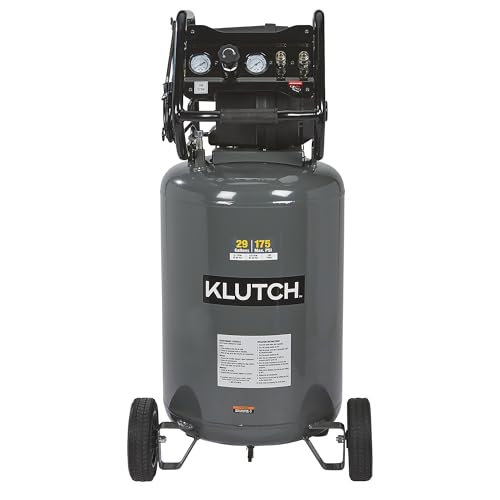
A small shop running an air ratchet, a die grinder, or light spray work needs airflow more than portability. At this budget, choose the largest tank and the highest airflow rating you can find, and accept the extra weight. A vertical tank saves floor space while holding more air in reserve. You will still need to pace demanding tools, but a bigger reserve means the motor cycles less often and pressure stays steadier.
Three Types Worth Comparing Under $400
Nearly every model in this price range falls into one of three types. Comparing types first keeps you from paying for capacity you will never use.
- Pancake compressors: flat, stable, and easy to carry, with small tanks suited to nailers and inflation.
- Quiet oil free compressors: built for indoor work, with lower sound levels and no oil changes to track.
- Larger tank shop compressors: hot dog, twin stack, or vertical tanks that hold more air for ratchets, grinders, and spray guns.
Pancake Compressors for Portability
The round, flat tank sits low, so this type rarely tips and stores easily on a shelf. Most pancake models pair a small tank with enough pressure for nailers, staplers, and tire inflation. The limits show up with tools that draw air in a steady stream, because the small reserve empties quickly and the motor runs often. If this shape fits your work, compare the options in our guide to the best pancake air compressor.
Quiet Oil Free Compressors for Indoor Work
Quiet designs use low speed pumps and sound shielding to bring noise down to a level where conversation nearby stays comfortable. That matters in finished homes and shops where the compressor sits in the same room as you. Oil free pumps also remove oil checks from your routine. Expect to pay more of your budget for the lower sound, so tank size or airflow may be smaller than louder models at the same price.
Larger Tank Compressors for Longer Runtime
Tanks in the 20 gallon range, often in a vertical layout, hold enough reserve to smooth out the heavy draws of impact wrenches and sanders. The motor refills the tank between tasks instead of racing to keep up during them. Wheels and a pull handle matter here, because a full size unit is awkward to lift. Before you commit to a shape, the comparison in pancake vs hot dog compressor explains how footprint and stability differ.
How to Choose the Right Air Compressor
Work through these factors in order. Tank and airflow decide whether your tools run well at all.
Size and Form Factor
Tank size, stated in gallons, controls how long you can work before the motor restarts. Small tanks from 1 to 6 gallons suit nailers and inflation, midsize tanks from 6 to 10 gallons add room for light ratchet work, and tanks near 20 gallons support longer sessions with hungrier tools. Shape matters too: pancake tanks favor stability, hot dog tanks fit narrow spots, and vertical tanks trade height for a smaller footprint.
Type and Pump Style
Beyond shape, decide between an oil free pump and an oil lubricated pump. Oil free pumps need no oil changes and start easily in cold weather, which suits intermittent home use. Oil lubricated pumps run with oil you must check and change on schedule, and in return they often suit frequent, longer sessions. The full trade offs are laid out in oil vs oil free compressor.
Power and Performance
Two numbers predict how a compressor feels in use. Maximum pressure, usually 125 to 150 PSI, tells you the ceiling the tank can hold, and most air tools are rated to run at 90 PSI. Airflow, stated as CFM at 90 PSI, tells you how fast the pump replaces the air you use. A tool that needs more airflow than the pump delivers will slowly lose power as tank pressure falls.
Power Source and Battery Platform
Corded models deliver full output as long as an outlet is near, and they dominate this price range. Cordless models trade some output and runtime for freedom from cords, which suits punch list work and sites without power, but the battery platform locks you into one family of packs and chargers. Gas powered units add exhaust, noise, and engine upkeep that rarely make sense under $400. If you already own large batteries for other tools, a matching cordless unit can still be the smart buy for light tasks.
Motors and Noise
Brushless motors appear on many cordless models, where they stretch runtime from each charge and remove brush changes from upkeep. On corded models, motor design shows up more in noise and heat than in raw output. Standard pumps can be loud enough to push you out of the room, while quiet designs run closer to a normal conversation level. Induction motors tend to start more gently and run cooler during long fills.
Features Worth Paying For
A few features earn their cost at this budget. Two couplers let a partner run a second nailer without swapping hoses. A regulator with large, easy to read gauges helps you set tool pressure accurately, which protects both the tool and the workpiece. A drain valve you can reach without tipping the tank saves daily frustration. Wheels matter only on larger tanks, while a sturdy frame helps any unit that rides in a truck bed.
Accessories and Warranty
Kits bundled with a hose, a blow gun, and basic fittings can save you a separate purchase, but value the kit only if you would buy those pieces anyway. Check what the warranty covers and for how long, and whether service means shipping the whole unit or visiting a local center. Keep the manual, because it lists the break in steps for your model. When the unit arrives, our walkthrough on how to use an air compressor explains first use and safe shutdown.
How Much Should You Spend?
Under $100 buys compact inflators and very small tanks that handle tires and sports gear but little else. About $100 to $200 covers most pancake models and light duty work with nailers. About $200 to $400 is where quiet pumps, larger tanks, and airflow for ratchets and small spray guns appear. Spending above $400 mainly buys bigger tanks, two stage pumps, and airflow for sanding and painting at a faster pace.
What You Get and Give Up Under $400
Under $400 you get a compressor that covers most home and light shop tasks: nailing, stapling, inflation, cleaning with a blow gun, and intermittent wrench and ratchet work. You also get real choice in noise level and portability. For most owners, the best air compressor under 400 dollars is simply the one whose airflow matches their hungriest tool with a little room to spare.
What you give up is sustained airflow. Continuous sanding, large scale painting, and running two demanding tools at once will outpace pumps in this range. Plan your work in bursts and let the tank recover between heavy passes.
Common Mistakes to Avoid
- Buying on maximum PSI alone: a high ceiling means little if airflow at 90 PSI cannot keep up with your tool.
- Ignoring the tool with the highest air demand: size the compressor for that tool, not for your nailer.
- Choosing the smallest tank to save money: constant motor cycling wears the pump and makes pressure swing.
- Running a long, thin hose: pressure drops along the hose, so the tool can starve even when the tank gauge reads fine.
- Plugging into a light duty extension cord: voltage drop can overheat the motor and trip breakers.
- Skipping the drain habit: moisture left in the tank after each session is the main cause of internal rust.
FAQ
What is the best air compressor under $400?
It depends on your hungriest tool. Nailer and inflation work is served best by a pancake or quiet compact type, while ratchets and spray guns need a larger tank and higher airflow. Match airflow at 90 PSI to your tool first, then choose the quietest and lightest model that still clears that number.
Can you get a good air compressor for under $400?
Yes, because this budget reaches the tier where pumps, tanks, and fittings stop feeling like compromises for home and light shop use. What changes across the range is balance: lower priced models trade noise or tank size, while models near the cap add quiet operation or reserve. Budget a little of the total for a good hose and fittings, because cheap accessories can leak away performance.
How long does an air compressor last?
A home unit used a few times a month can serve for many years, while daily shop use shortens that span. Service life depends heavily on how often the pump runs per hour of work, since a correctly sized tank keeps cycles short and temperatures down. Storing the unit indoors, away from damp floors, also protects the tank and motor vents.
Is an air compressor worth it?
It earns its place if you own, or plan to buy, more than one air tool, because one compressor powers nailers, inflators, blow guns, and wrenches from a single motor. For tire inflation alone, a small dedicated inflator costs less and stores easier. Count the tools you will realistically add within a year or two, and buy capacity for that list.
How do you clean an air compressor?
Unplug the unit, release all tank pressure, and wipe the exterior with a dry or slightly damp cloth. Clear dust from the motor vents and the pump cooling fins with a soft brush or low pressure air, working gently so fins stay straight. Clean or replace the intake filter as the manual directs, because a clogged filter makes the pump work harder. Never spray water into vents.
What is the most reliable air compressor brand?
No single brand wins on reliability across every type, because pump design, duty cycle, and sizing matter more than the badge. Look instead for signs of support: a clear warranty term, spare parts such as filters and check valves that are easy to order, and a service network you can reach. A well supported midrange model usually outlasts a neglected premium one.
Final Thoughts
Start with your hungriest tool, pick the tank size and airflow that feed it comfortably, and then spend what remains on lower noise and easier carrying. The product table above shows how the main types stack up on those points. Chosen that way, the best air compressor under 400 dollars for your bench will be the one you stop thinking about.