
Best Air Compressor Guide for 2026: How to Choose With Confidence
Disclosure: We may earn a commission when you buy through links on this page, at no extra cost to you. As an Amazon Associate I earn from qualifying purchases. Learn more

Learn how to choose the best air compressor for your garage and tools, with clear guidance on tank size, CFM, PSI, noise, oil free designs and budget.
Choosing a compressor feels confusing because tank size, pressure, and airflow numbers all compete for your attention, and the wrong match leaves tools starved for air or forces you to wait while the tank refills. This guide helps you find the best air compressor for the work you actually do, from inflating tires and blowing dust off a bench to running nailers and spray equipment. The product table gives you a quick way to compare types side by side before you read the details.
Start with your tools, not with the biggest tank you can afford. A small unit that cycles quietly and moves easily can be perfect for inflation and trim work, while a larger tank earns its floor space only when your tools draw air for long stretches. The sections that follow break the choice into buying profiles, the specs that matter, and the mistakes that cost owners the most time and money.



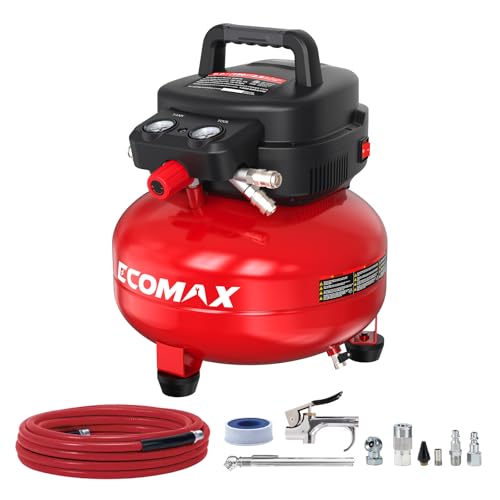


Three Buying Profiles and What to Prioritize
Instead of chasing a single winner for everyone, match the compressor to one of these three profiles. Your profile tells you which specs deserve your money and which ones you can safely ignore.
Everyday Home and Garage Use
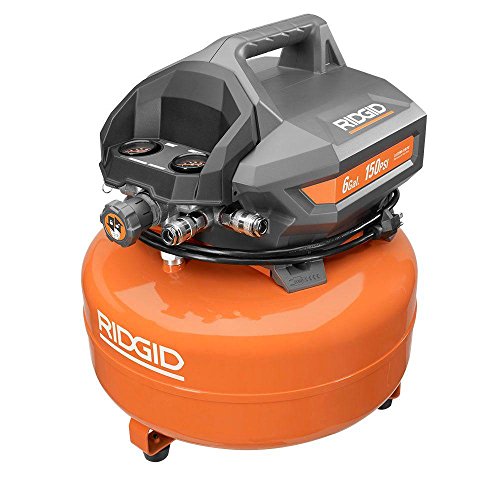
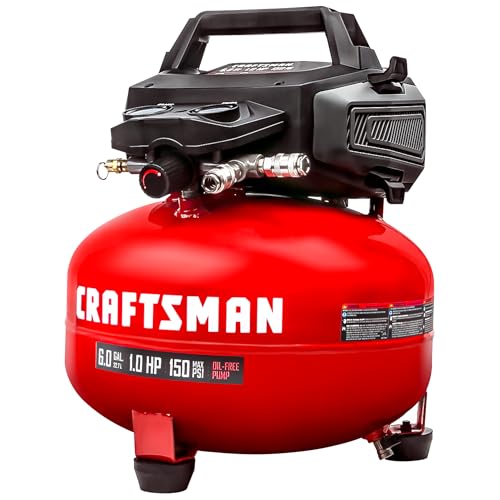
You inflate tires, run a blow gun, seat tubeless bicycle tires, and drive a brad nailer or finish nailer on weekend projects. Prioritize a tank around 6 gallons, enough airflow for short bursts, and wheels or a handle that make storage simple. A maximum pressure of 150 PSI covers nearly all home tools with room to spare. Noise matters more than raw power here, because a loud unit in a closed garage quickly becomes a unit you avoid using.
Light Tasks on a Tight Budget
Your list is mostly inflation, cleaning, and the occasional stapler or pin nailer, and you want to spend as little as makes sense. A compact 1 gallon to 3 gallon tank keeps cost and weight down, often under $150 for corded electric models, and stores on a shelf. Accept slower recovery time between bursts and plan short work sessions. Skip large framing or painting ambitions at this level, because a small tank will cycle constantly and the motor will run hot.
Serious Shop and Demanding Tools
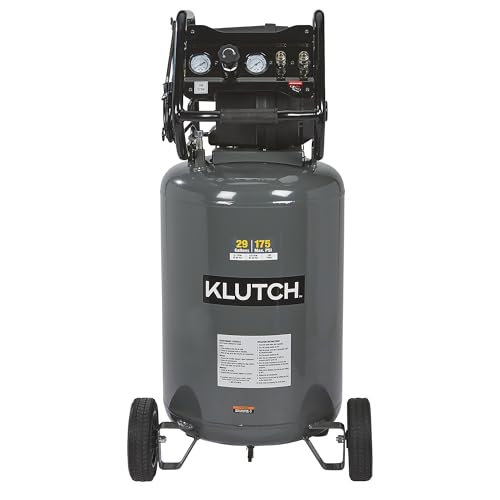
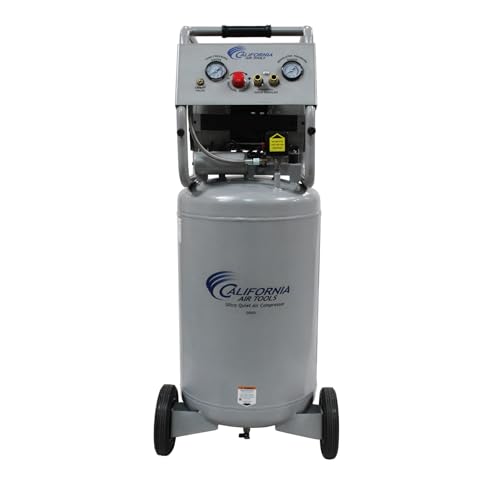
You run impact wrenches, air ratchets, sanders, or a paint sprayer, and downtime while the tank recovers slows real work. Prioritize airflow first, a tank of 20 gallons or more, and a duty cycle that supports longer runs. A stationary vertical tank saves floor space while holding plenty of air. Expect to spend about $400 to $800 for this class, and budget for a longer hose so the unit can stay in one place while you move around the shop.
What Matters Most When You Compare Options
Five factors separate a good match from a frustrating one: power and performance for your tools, power source and run time, ergonomics and weight, build durability, and warranty support. Judge every model against those five, in that order, and ignore headline numbers that do not connect to your tool list. A top rated air compressor on paper still fails you if its airflow rating was measured at a pressure your tools never use.
Use maker spec sheets for airflow and pressure, and read owner feedback for patterns about noise, leaks, and recovery time rather than single complaints. Specs tell you what a unit can do on its best day, while repeated owner comments reveal how it behaves month after month. When the two disagree, trust the pattern, not the headline.
How to Choose the Right Air Compressor
Size and Form Factor
Tank size is measured in gallons, and it controls how long you can work before the motor restarts. Small 1 gallon and 2 gallon tanks suit inflation and cleaning only. A 6 gallon tank handles nailers well and still moves easily, an 8 gallon tank adds a useful buffer for light shop work, and 20 gallon, 30 gallon, and 60 gallon tanks serve tools that draw air continuously. Bigger is not automatically better, because a large tank takes longer to fill and wastes energy if your jobs are short.
Tank Shape and Type
Shape affects storage, stability, and how the unit moves. Pancake tanks sit low and stable with a wide flat base, which suits job sites and crowded garages, and our guide to the best pancake air compressor explains that shape in depth. Hot dog tanks are long and narrow and roll less in a truck bed. Twin stack tanks split air into two smaller tanks for easier carrying, while vertical tanks stand tall to save floor space in a fixed shop corner.
Power and Performance: CFM, PSI, and Horsepower
Airflow is measured in CFM, or cubic feet per minute, and it is the single most important number on the box. Always compare CFM at 90 PSI, because most air tools are rated at that pressure and a rating at 40 PSI looks larger without helping your tools. Add up the CFM needs of tools you will run at the same time, then choose a compressor that delivers about 1.5 times that total so it can keep up without running constantly. PSI sets the force ceiling, with 125 PSI to 175 PSI covering home and shop tools, while horsepower matters least because makers measure it in different ways.
Oil Lubricated vs Oil Free Designs
Oil lubricated pumps use oil to reduce wear and tend to run cooler and last longer under heavy daily use, but they need oil checks and changes and can add oil mist concerns for spray painting. Oil free pumps need no oil changes, start more easily in cold weather, and cost less to maintain, which is why most home units use them. The trade off is more noise and a shorter pump life under constant heavy loads. For a fuller comparison of upkeep and lifespan, see oil vs oil free compressor before you decide.
Corded, Cordless, and Gas Power
Corded electric models are the default for garages and shops because power is steady, run time is unlimited, and cost stays low. Cordless models trade some airflow for true portability on roofs, fences, and remote inflation jobs where an outlet is out of reach. With cordless, your existing battery platform matters more than small spec differences, because a second battery system adds real cost. Gas powered units serve farm and field work with no outlet nearby, but they add exhaust, noise, and engine upkeep that home users rarely need.
Noise, Weight, and Portability
Noise is rated in decibels, and the gap between a standard unit at around 80 decibels and a quiet design at around 60 to 70 decibels is the gap between shouting over the motor and holding a normal conversation. If you work indoors, early in the morning, or near neighbors, read our guide to the best quiet air compressor and weigh noise as heavily as airflow. Weight ranges from under 20 pounds for tiny inflator style tanks to well over 100 pounds for large shop tanks. Wheels, a balanced handle, and a low center of gravity matter more than the number alone, because a unit you dread moving is a unit you will not use.
Features Worth Paying For
A few additions earn their cost quickly. A regulator with a clear gauge lets you set tool pressure accurately, and two couplers let two nailers share one tank on trim jobs. Rubber feet and a roll cage protect the pump during transport. A longer, flexible hose and a basic accessory kit with a blow gun and tire chuck save a separate purchase. Wheels are worth paying for on any tank of 8 gallons or more. Skip decorative extras and bundled tools you already own, and put that money toward airflow instead.
How Much Should You Spend?
Under $100 usually buys a very small inflator style unit for tires and sports gear, not a true tool compressor. Under $200 covers solid 6 gallon class units for nailing, inflation, and cleaning, which is the value zone for most homes. Under $400 adds quieter pumps, larger tanks, and better duty cycles for regular shop use. Under $800 reaches large stationary tanks and high airflow for painting and automotive tools. Spending past your tool list buys capacity you will never use, so let your most demanding tool set the budget.
Choosing by Need: Where to Go Next
If your compressor will live in one place and serve cars, bikes, and shop tools, start with the best air compressor for home garage guide, which focuses on outlets, storage, and mixed tool lists. If you are new to ownership entirely, learn the basics of safe setup and pressure settings in how to use an air compressor before your first project. Then return to the product table to check sizes against your space.
Common Mistakes to Avoid
- Buying by tank size alone, which leaves high draw tools starved because airflow at 90 PSI was too low.
- Comparing CFM ratings measured at different pressures, which makes a weaker unit look stronger on paper.
- Running a compressor on a long, thin extension cord, which drops voltage and can damage the motor.
- Forgetting to drain the tank, which lets water build up inside and rust the steel from within.
- Setting regulator pressure by guesswork, which can damage delicate tools or leave nailers underpowered.
- Placing the unit in a sealed cabinet to hide noise, which traps heat and shortens pump life.
How to Make Your Air Compressor Last Longer
Drain the tank after each day of use by opening the drain valve and letting moisture and air escape, because standing water is the top cause of tank rust. Keep the air filter clean and replace it when it looks clogged, since a starved intake makes the motor work harder. Store the unit indoors, upright, and out of freezing standing water. Check hoses and fittings for leaks with soapy water at the joints, and tighten or replace worn couplers promptly.
For oil lubricated models, check the oil level before long sessions and change it on the maker schedule. For all models, let a hot unit cool before restarting it repeatedly, and give the motor airflow space on every side. Inspect the power cord and plug for damage, and stop using the unit if the cord is cut or the tank shows deep rust, dents, or a leaking weld. A damaged pressure tank is a safety risk, so retire it rather than patching it.
Frequently Asked Questions
What size air compressor do most homeowners need?
Most homeowners need a 6 gallon tank with at least 2.5 CFM at 90 PSI and 150 PSI maximum pressure. That size runs brad and finish nailers, inflates car and bike tires, and powers a blow gun without constant waiting. One point owners miss is placement: a unit this size still needs about a foot of clear space on all sides for cooling, so measure your storage spot before ordering.
How long does an air compressor last?
An air compressor often lasts about 10 to 15 years in home use when the tank is drained and the filter stays clean. Oil free pumps in heavy daily use may wear sooner, while lightly used oil lubricated units can run longer. Watch for a new warning sign many owners ignore: if recovery time slowly grows longer over several months with the same tools, the pump seals are likely wearing and service is due.
Is an air compressor worth it for home use?
An air compressor is worth it if you inflate tires often, do trim or roofing work, or clean tools and benches with air. It is harder to justify if your only task is inflating a pool toy twice a year, where a small inflator costs far less. A useful test is rental math: if you would rent a compressor more than twice a year, owning a mid size unit usually pays for itself within about two years.
How do you clean an air compressor?
You clean an air compressor by unplugging it, releasing all tank pressure, wiping dust from the pump and motor vents, and washing or replacing the intake filter. Drain the tank fully, then leave the drain valve open overnight in dry weather so the inside can dry before the next use. Never spray water into the motor or pressure switch, and keep solvents away from plastic shrouds, which can crack on contact.
What makes an air compressor brand reliable?
Reliability comes from a proven pump design, ready access to replacement filters and parts, clear warranty terms, and a service network you can actually reach. Long model runs with steady owner feedback are a better sign than a brand new design with bold claims. Also check how the maker handles tank warranty claims, because the tank is the part you cannot cheaply repair, and terms differ widely between brands.
Final Thoughts
The right choice starts with your most demanding tool, adds a sensible margin of airflow, and then fits your space, noise limits, and budget. Small tanks serve inflation and trim work well, mid size tanks cover most garages, and large tanks earn their place only with tools that draw air for long stretches. Before you order, look back at the product table and confirm that tank size, CFM at 90 PSI, and noise match your profile. Chosen that way, the best air compressor for your home is simply the one you will use often, store easily, and maintain without a second thought.


