Best Air Compressors Under $200 in 2026: Buying Guide and Top Options
Disclosure: We may earn a commission when you buy through links on this page, at no extra cost to you. As an Amazon Associate I earn from qualifying purchases. Learn more
A practical guide to the best air compressor under 200: sizes, features, budget ranges, and mistakes to avoid before you buy.
A budget of about $200 puts you in a sweet spot for home air power. You can move past tiny inflators and get a machine that runs a nailer, fills tires, blows out a dusty shop, and handles light painting prep. The hard part is matching tank size, airflow, and noise to your actual work, because the best air compressor under 200 for trim work can be a poor fit for sanding or spraying. This guide compares the main types by power, portability, and daily ease of use, and the comparison table below sums up the key specs side by side.





Types You Can Realistically Afford Under $200
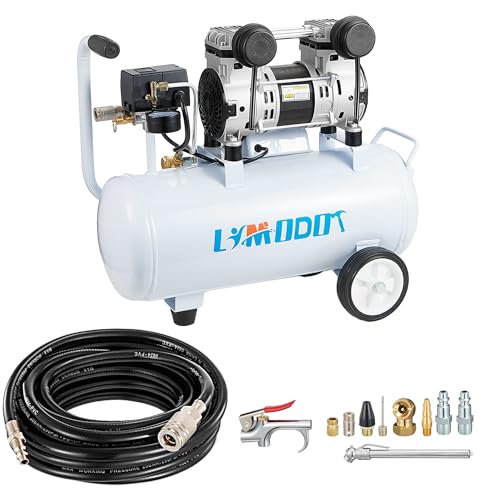
Instead of chasing a single brand, think in types first. At this price, three families cover most home needs. The first is the compact pancake, built low and round so it stays steady and stores easily. The second is the slightly larger hot dog or twin stack shape, which trades a little storage space for a bigger air reserve. The third is the small quiet unit with an aluminum tank, made for indoor work where noise matters more than raw reserve. Our broader guide to the best air compressor covers bigger shop machines as well, but everything in this price band stays portable enough to carry by one handle.
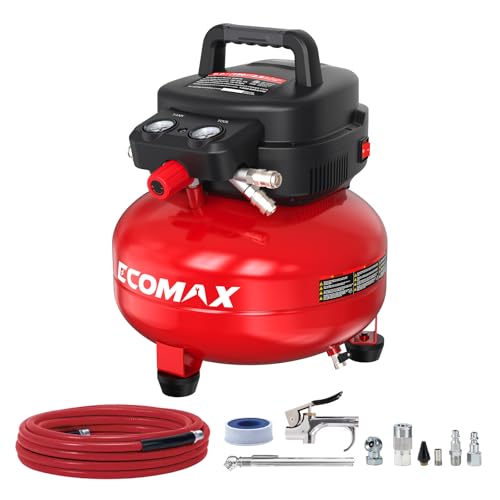
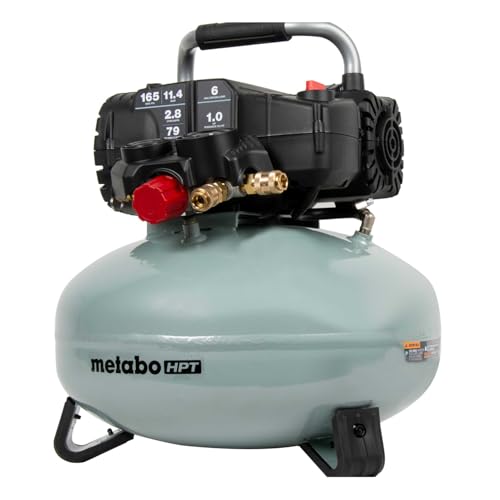
For many readers the best pancake air compressor style is the default choice, because a 6 gallon tank at about 150 PSI runs the brad nailers and staplers used in most home projects. Step up in reserve only if your tools consume air continuously.
How to Judge Value at This Price
Five criteria separate a good buy from a regret at this budget. Power and performance come first, meaning delivered airflow at 90 PSI, since that is the pressure most air tools are rated at. Portability and weight come next, because a unit you dread moving will sit unused. Noise follows, since a loud machine in a small garage quickly becomes a problem for you and your neighbors.
Durability and warranty round out the list. A steel tank with a solid weld record, a motor rated for the duty cycle you need, and at least a one year warranty are realistic expectations here. Judge every model against these five points rather than against a longer feature list, and the right choice usually becomes clear.
How to Choose the Right Air Compressor
Size and Form Factor
Tank size decides how long you can work before the motor kicks back on. A 1 or 2 gallon tank suits inflation and short bursts with a blow gun, but it cycles constantly under a nailer. A 6 gallon pancake is the middle ground most homeowners land on, giving enough reserve for trim work and tire jobs in one session. An 8 gallon unit adds run time for framing or roofing tools, while 20 gallon and larger tanks belong to fixed shop setups that this budget rarely covers. Match the tank to your longest typical task, not your biggest imagined one, and remember that a bigger tank also means more weight to lift into a truck or onto a shelf.
Type and Noise Level
Shape and sound shape daily use as much as size does. Pancake models sit low and resist tipping on a truck bed or garage floor. Hot dog tanks stretch longer and can fit behind a seat. Twin stack designs split the reserve into two smaller tanks for balance. Think about where each shape fits in your space if you are torn between the two classic forms. Quiet models deserve special attention for indoor work, since they run closer to normal conversation volume, while standard units are loud enough that you will want hearing protection during long sessions.
Oil Free Versus Oil Lubricated
Most compressors under $200 use an oil free pump, which means no oil changes and no worry about tipping the unit during transport. That convenience suits occasional home use well. Oil lubricated pumps tend to run cooler and quieter and can last longer under heavy daily use, but they need periodic oil checks and level storage. Our oil vs oil free compressor breakdown walks through the trade in detail. For a first home unit used a few times a month, oil free simplicity usually wins, while a busy small shop may value the longer service life of a lubricated pump.
Features Worth Paying For
A few extras genuinely earn their cost. A regulator with a large, easy to read gauge helps you set tool pressure accurately instead of guessing. A universal quick connect coupler that accepts both common plug styles saves a trip back to the store. Rubber feet or a padded handle reduce vibration noise and make carrying less of a chore. An included hose and accessory kit can be worthwhile if the hose is a flexible hybrid type rather than a stiff coil that fights you. Skip paying extra for decorative shrouds or bundled inflator needles you already own, since that money is better spent on tank size or a quieter pump.
Corded, Cordless, or Gas
Corded electric models rule this price range, and for good reason: they deliver full power the moment you plug in, with no runtime limit. A best cordless air compressor makes sense when you work far from outlets, such as fencing in a back yard, but small cordless units are really inflators with limited reserve. Gas powered compressors sit above this budget and add exhaust and upkeep you do not need at home. One practical note for corded units: run a heavy gauge extension cord if you must use one, because a thin cord starves the motor and can trip a breaker on startup.
Accessories and Warranty
Plan for the parts that connect the compressor to your work. You will want a hose long enough to reach around a vehicle, a blow gun for cleanup, and couplers that match your tools. Buying these in a kit with the compressor often costs less than picking them up one at a time later. On warranty, look for clear terms on both the pump and the tank, and keep your receipt somewhere you can find it. Readers setting up a permanent corner should also see our notes on the best air compressor for home garage, which covers placement and air line layout in more depth.
How Much Should You Spend?
Under about $100, you get small inflators and tiny 1 to 3 gallon units fit for tires and sports gear. The about $100 to $200 band is where genuine tool running compressors live, with 6 gallon tanks and enough airflow for nailers. Stepping up to about $200 to $400 buys quieter pumps, larger tanks, and stronger duty cycles, and about $400 to $800 reaches serious shop machines. Spending the full $200 here makes sense if you run tools weekly, while occasional tire and cleanup work can be covered for less.
What You Get, and Give Up, Under $200
At this budget you get honest, useful air power: enough airflow for finish and framing nailers used in bursts, reliable tire inflation, and easy cleanup with a blow gun. You give up the continuous airflow that sanders, grinders, and large spray guns demand, since those tools consume air faster than a small pump can replace it. You also give up the very low noise and long duty cycles of premium quiet units. For a homeowner or a light duty pro, that trade is usually the right one, because the tools this class runs well cover the vast majority of home projects.
Common Mistakes to Avoid
- Buying by tank size alone, because a big tank with weak airflow still leaves demanding tools starved once the reserve runs out.
- Ignoring the 90 PSI airflow rating, because that number, not peak pressure, decides whether your nailer keeps up during a long run of trim.
- Running a long, thin extension cord, because voltage drop makes the motor strain, overheat, and sometimes fail to start under load.
- Skipping the drain after use, because standing water inside a steel tank rusts it from within and shortens its service life.
- Storing the unit in a freezing, damp corner, because moisture and cold thicken startup load and attack fittings over time.
- Assuming every tool works at full pressure, because many nailers work best well below the tank maximum and wear faster when overdriven.
How to Make Your Air Compressor Last Longer
Care for this machine is mostly about moisture and clean air. Open the drain valve at the bottom of the tank after each session and let the water out, tilting the unit slightly so the last of it escapes. Check the intake filter every few months and clean or replace it when it looks clogged, since a starved pump works harder and runs hotter. Keep the compressor on a level surface while running so oil free bearings and lubricated pumps alike stay within their design limits.
Before your first project, read up on how to use an air compressor safely, including bleeding air from the tank before moving or servicing the unit. Store the hose loosely coiled rather than tightly kinked, and inspect couplers for leaks with a brush of soapy water if you hear hissing. Stop and get help if the tank shows deep rust, the pressure switch fails to shut the motor off, or the safety valve vents during normal use, since those faults call for a qualified repair rather than home adjustment.
FAQs
What is the best air compressor under $200 for most homes?
For most homes it is a 6 gallon pancake unit with airflow around 2.6 CFM at 90 PSI and a maximum pressure near 150 PSI. That mix handles nailing, stapling, inflation, and cleanup without taking much floor space. Choose a quiet model instead if you work indoors near living space, and choose a larger tank only if you run a framing nailer for long stretches at a time.
Can an air compressor under $200 run an impact wrench?
Yes, for short bursts such as breaking loose lug nuts one wheel at a time. An impact wrench sips air in pulses, so a 6 gallon reserve can keep up if you pause briefly between fasteners. It will not keep up with a mechanic removing wheels all day, because the pump needs recovery time between bursts, and the motor will run almost constantly during heavy use.
How long does a home air compressor usually last?
A cared for home unit often serves for many years of occasional use, with the pump and pressure switch usually wearing before the tank does. The single habit that extends life most is draining moisture after every session, since internal rust is the main reason steel tanks get retired early. Keeping the intake filter clean is a close second, because restricted airflow makes the motor overheat.
Is an air compressor worth it if I own no air tools yet?
It can be, because even without nailers you gain fast tire inflation, easy dust blowing for a shop or garage, and quick cleaning of mower decks and filters. Many owners find the cleanup uses alone justify the purchase within the first season. If you later add one finish nailer, the same unit suddenly covers a whole class of home projects, which spreads the value of the purchase much further.
What size air compressor do I need for painting furniture?
Small touch up guns can work on a 6 gallon unit for a chair or a side table, as long as you spray in short passes and let the tank recover. A full set of cabinets is a different job, because spray guns consume air continuously and a small pump will lag and cause uneven coats. For furniture pieces done one at a time, technique and patience matter more than stepping up in size.
Final Thoughts
Pick the type first, then the tank, then the noise level, and the best air compressor under 200 for your home will narrow to a short list fast. Use the product table above to compare airflow at 90 PSI and tank size across the leading types, and favor the unit whose reserve matches your longest regular task. Buy once, drain it after every use, and it will quietly cover years of tires, trim, and cleanup work around the house.