Best Air Compressors Under $100 in 2026: Buying Guide and Top Options
Disclosure: We may earn a commission when you buy through links on this page, at no extra cost to you. As an Amazon Associate I earn from qualifying purchases. Learn more

A practical guide to the best air compressor under 100: sizes, features, budget ranges, and mistakes to avoid before you buy.
A small compressor can inflate tires, blow dust off a workbench, and drive a brad nailer, yet models in this price range differ a lot in tank size, airflow, and noise. Choosing the best air compressor under 100 dollars means matching those limits to the jobs you actually do, not chasing the biggest numbers printed on the box. The comparison table below compares the main types by power, ease of carrying, and storage size.
Under this budget you will mostly see compact pancake and hot dog tanks, small twin stack designs, and cordless inflator units with little or no tank. None is built for long runs with hungry tools such as sanders or large spray guns. The sections below explain who each type suits and how to read airflow and pressure figures, so you can choose with confidence.
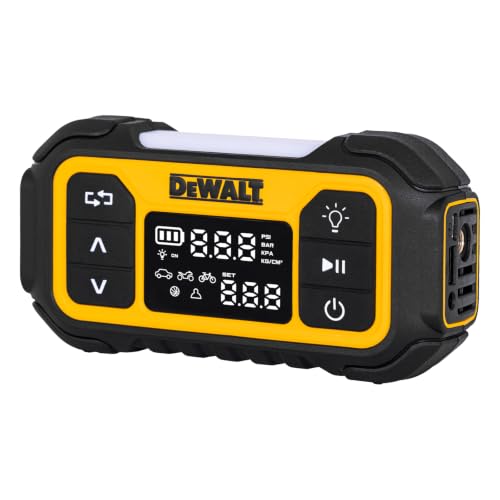
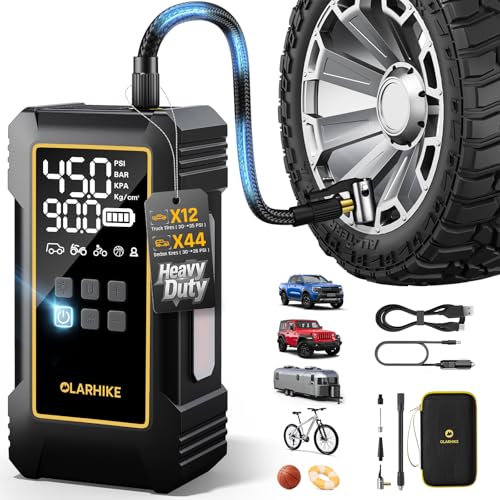
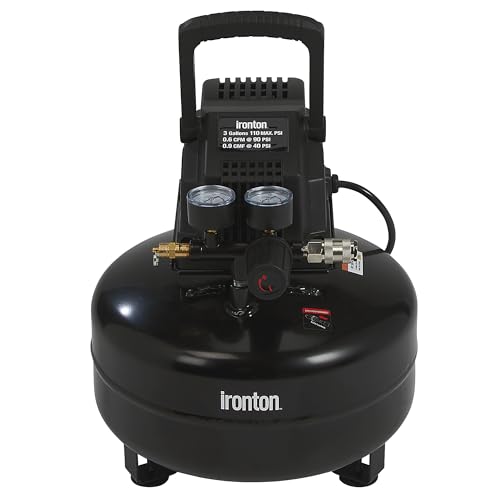
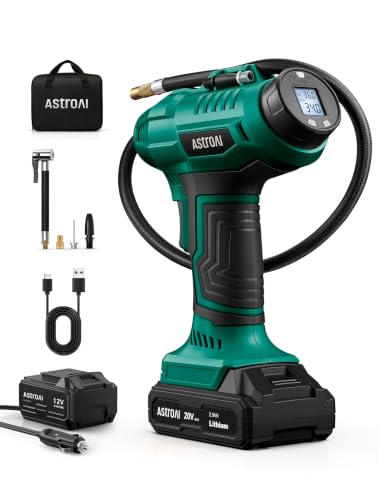
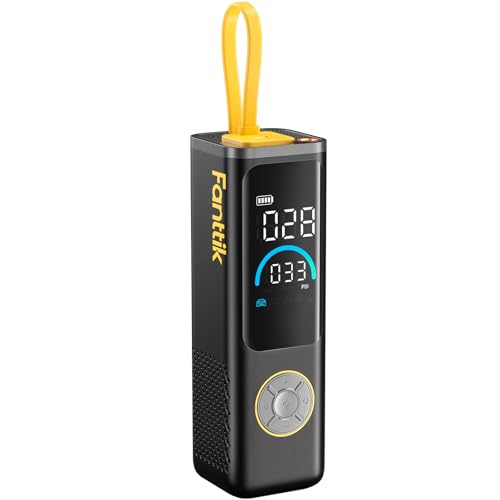
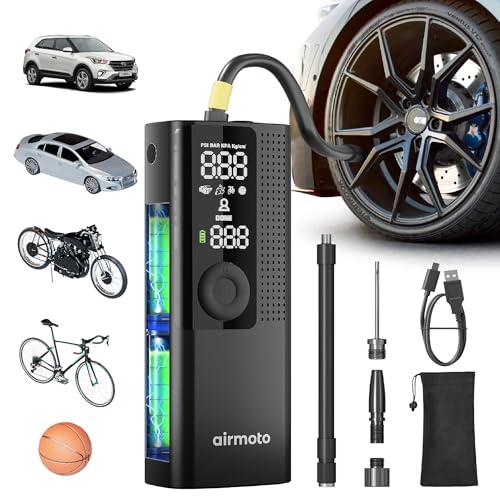

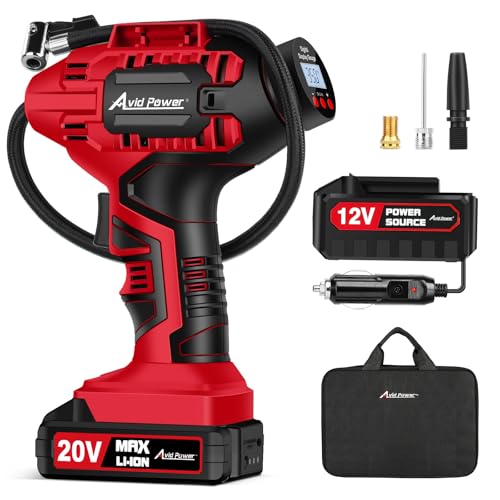
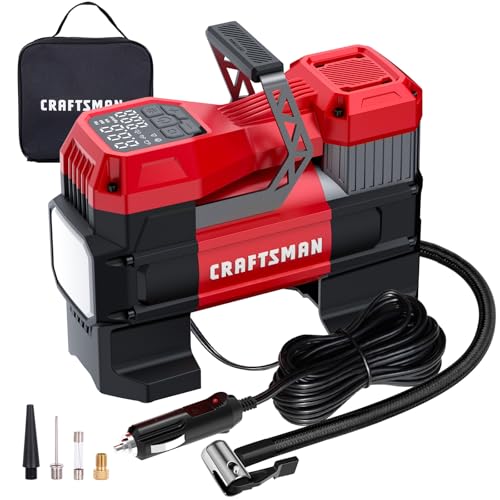

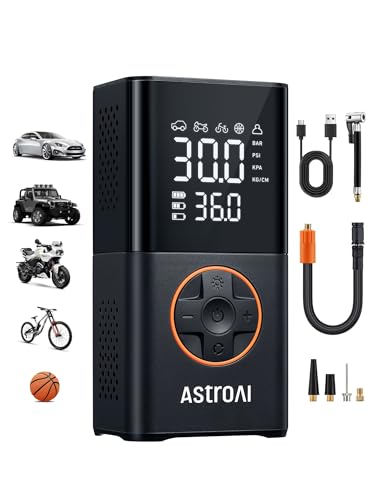
Types Compared: What This Budget Buys
Rather than chasing individual models, compare the three families that dominate this price range. Each makes a different trade off between tank capacity, portability, and the tools it can run. Your space and your typical jobs will point you to the right family faster than any single spec will.
Pancake models
A pancake compressor has a flat, round tank, most often about 3 to 6 gallons, with the motor sitting on top. The low, wide shape stays stable on the ground and resists tipping when you pull on the hose. See our guide to the best pancake air compressor for more on the format.
Hot dog and twin stack models
A hot dog compressor uses one long, narrow tank that tucks along a wall or in a truck bed. Twin stack models carry two smaller round tanks side by side in a compact footprint. Tanks in this group usually hold about 1 to 4 gallons, so the motor cycles on more often during use. These shapes suit readers who value a slim profile over longer run time.
Cordless and inflator style models
The smallest options run on a battery and may skip the tank entirely, pushing air straight to the hose or nozzle. They are light, quiet enough for a driveway, and ready in seconds. The trade off is airflow: filling is slower than with a tank model, and nailers or long blow gun use are beyond them. Treat them as tire inflators first and workshop tools second.
Who Should Buy a Small Compressor at This Price?
The budget modifier shapes everything about these machines. Tanks stay small, motors stay modest, and run time comes in short bursts with pauses while pressure rebuilds. Within those limits, three groups of buyers get real value for their money.
Drivers who want inflation handled at home
If your main jobs are car and bike tires, sports balls, air mattresses, and the odd pool float, almost any model here will do the work. A small tank or even a tank free cordless unit covers inflation with ease. Look for a clear pressure gauge, an auto shutoff if you go cordless, and a hose long enough to reach all four tires without moving the unit.
Homeowners with light nailing and hobby projects
Brad nailing for trim, craft builds, and small repairs asks for short bursts of air, which is exactly what a small tank delivers well. A pancake or twin stack model around 3 to 6 gallons gives you a useful reserve for this work. Check that the regulator adjusts smoothly, since nail depth depends on steady pressure at the tool.
Garage users with basic upkeep tasks
A home garage often needs a bit of everything: topping off tires, blowing out dust and grass clippings, and inflating a trailer tire. A small pancake model of 3 gallons or more usually covers that mix, and a cordless inflator handles the tires on its own. Readers setting up a more complete workspace can compare larger options in our guide to the best air compressor for home garage, where tanks and airflow grow with the workload. For basic upkeep alone, though, the budget class is honestly enough.
How to Choose the Right Air Compressor
The specs below decide whether a small compressor feels handy or frustrating. Match them to the tools you own or plan to buy, and let the tool requirements decide for you.
Size and form factor
Tank size, measured in gallons, decides how much air you can use before the motor starts again. Under this budget, tanks run from about 1 to 6 gallons. A larger tank smooths out nailing work and gives longer blowing time, while a smaller tank wins on weight and storage. Measure the shelf or floor corner where the unit will live before you order, and check the stated weight if you will carry it often.
Power and performance: airflow and pressure
Two numbers describe performance. Max pressure, measured in PSI, tells you the highest pressure the tank can hold, and most models here reach about 120 to 150 PSI. Airflow, measured in CFM at 90 PSI, tells you how much air the pump delivers, and budget models typically offer about 0.5 to 3 CFM at that pressure. Every air tool lists the CFM it needs, and a compressor that delivers less will lose pressure during long pulls of the trigger. Match the compressor output to your thirstiest tool, with a little margin to spare.
Oil free or oil lubricated
Nearly every compressor under this budget uses an oil free pump, which needs no oil changes and works safely on uneven ground or tilted in a trunk. The trade off is more noise and a shorter pump life than an oil lubricated design. Oil lubricated pumps run quieter and often last longer, but they need level ground and periodic oil checks, and rarely appear at this price. Our explainer on oil vs oil free compressor designs covers the upkeep and noise differences in more detail.
Corded or cordless
A corded model plugs into a household outlet and delivers full output as long as you need it. A cordless model trades that steady output for freedom: no cord to drag, no outlet to find, and easy use at a curb or campsite. Battery size limits both airflow and total run time, so cordless units shine for inflation and stall on sustained tool work. If cordless freedom is your priority, our guide to the best cordless air compressor covers battery platforms and run time.
Noise, weight, and ergonomics
Small compressors are louder than most buyers expect, often loud enough to make indoor conversation hard while the motor runs. If you will work in an apartment garage or early in the morning, look for a stated noise rating and favor lower numbers. Weight spans from a few pounds for cordless inflators to around 30 pounds for a 6 gallon pancake, and a sturdy top handle matters more than raw weight when you carry the unit.
Accessories, hose, and warranty
Many budget models arrive as bare tools, while others bundle a hose, a blow gun, tire chucks, and assorted nozzles. A bundled kit saves a second purchase, but check hose length and fitting quality, since a short stiff hose limits reach and frustrates quickly. Warranty length at this price is usually about one year, so keep your receipt and confirm that parts such as intake filters are easy to order.
How much should you spend?
Spending near the top of this range, close to under $100, usually buys a bigger tank and stronger airflow rather than extra features. Stepping up to about $100 to $250 typically adds quieter pumps and larger tanks around 8 to 20 gallons. Around $250 and above, you enter territory built for framing crews and small shops. For inflation, hobby nailing, and cleanup alone, the best air compressor under 100 dollars for most homes is simply the largest tank your space and arms accept.
What You Get and What You Give Up Under $100
For your money you get genuine utility: tire inflation on demand, a blow gun for cleanup, and enough reserve for brad nailing and stapling in short sessions.
What you give up is stamina and headroom. The motor will cycle often and recovery takes time, so long sanding, grinding, painting with a large spray gun, and impact wrench work are poor fits. The pump also needs rest periods during heavy use, and pushing past them shortens its life. Buy it hoping to run a full workshop and it will disappoint.
Common Mistakes to Avoid
- Buying by max PSI alone, when low airflow at 90 PSI is what stalls your tools mid job.
- Ignoring the CFM rating printed on your nailer or spray gun, then blaming the compressor when pressure fades.
- Running the pump without rest breaks on long jobs, which overheats the motor and shortens pump life.
- Leaving pressurized air and moisture sitting in the tank for weeks, which invites rust inside the tank walls.
- Forgetting to budget for a hose and fittings when the listing sells a bare tool.
Care and Maintenance: Making a Small Compressor Last
These machines ask for very little care, but the few habits that matter protect the tank and pump for years. If you are new to the tools, our walkthrough on how to use an air compressor covers safe first use, regulator settings, and connecting tools step by step.
Drain the tank after each day of use by opening the drain valve at the bottom and letting the water out, since moisture collects inside every time air is compressed. Check the hose and fittings for cracks or leaks, and listen for hissing at connections, which soapy water brushed on the joint reveals as bubbles. Store the unit indoors in a dry spot, coil the hose loosely, and give the motor cooling pauses during long sessions.
FAQ
What is the best air compressor under $100?
The best choice depends on your main job rather than a single model. For mixed garage use, a 3 to 6 gallon pancake offers the best balance of reserve and price. For tires only, a compact cordless inflator is lighter and faster to grab. Before ordering, write down the CFM needs of every tool you own and let the thirstiest tool set your minimum.
Can you get a good air compressor for under $100?
Yes, as long as your expectations match the class. These machines inflate, blow, staple, and brad nail reliably. What the price cannot buy is sustained airflow for demanding tools or quiet operation. Check the return policy before buying: a generous window lets you test the unit on your real jobs and exchange it if the motor cycles more than you can accept.
How long does an air compressor last?
A budget oil free compressor often serves about five to ten years of light home use, depending mostly on storage and draining habits. A unit kept indoors, drained after use, and rested during long sessions lands at the top of that range. Units stored in damp sheds or run hot for long stretches fail sooner, usually through gradual pump wear.
Is an air compressor worth it?
For most car owning households, yes. Count the gas station trips and pump fees you avoid, and a small compressor pays for itself in convenience quickly. If you rent and own no car or bike, though, the honest answer may be to borrow one instead.
How do you clean an air compressor?
Unplug the unit, release all tank pressure, and let it cool before you start. Wipe the tank, motor housing, and handle with a damp cloth, and clear dust from the intake vents with a soft brush. If the intake filter is foam, wash it in warm soapy water, dry it fully, and refit it; a clogged filter quietly cuts airflow and makes the motor work harder than it should.
Final Thoughts
A small compressor is one of the most useful tools a household can own, provided you buy the class that matches your jobs. Weigh tank size against storage space, airflow against your tools, and noise against your setting, then recheck the product table above. Chosen that way, the best air compressor under 100 dollars will handle years of tires, trim, and cleanup without complaint. If you later outgrow this class, compare every size and price in our complete guide to the best air compressor.