Best Air Compressor Pumps at Every Price: What Your Money Really Gets You for 2026
Disclosure: We may earn a commission when you buy through links on this page, at no extra cost to you. As an Amazon Associate I earn from qualifying purchases. Learn more

Compare the best air compressor pumps by price tier and learn what budget, midrange, and premium models offer for home, garage, and workshop use.
Air compressor pumps range from small tire inflators that cost less than a tank of fuel to workshop units that cost several hundred dollars, and the listings rarely explain what the extra money buys. The best air compressor pumps for you depend on the tools you run, how often you work, and whether portability or steady airflow matters more. This guide breaks down each price tier in plain terms so you can spend where it counts. Start with the comparison table below, then use the tiers below to judge value.
A pump is the heart of any compressor setup. Tank size, motor type, and airflow at working pressure decide whether a unit feels eager or frustrating once a real tool is attached.

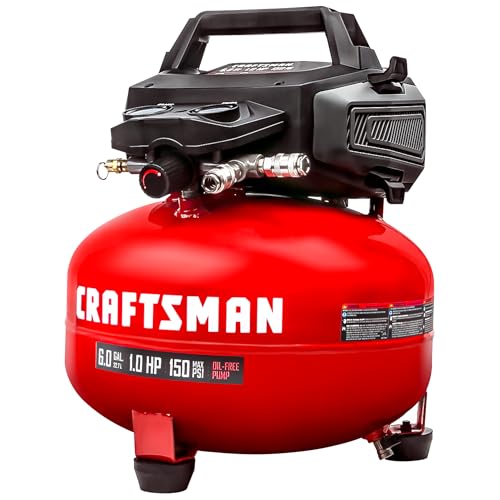
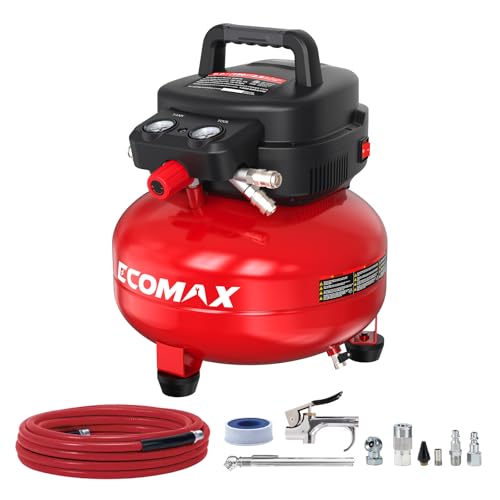
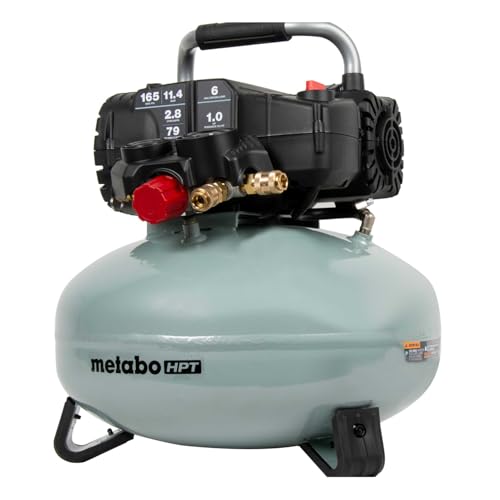


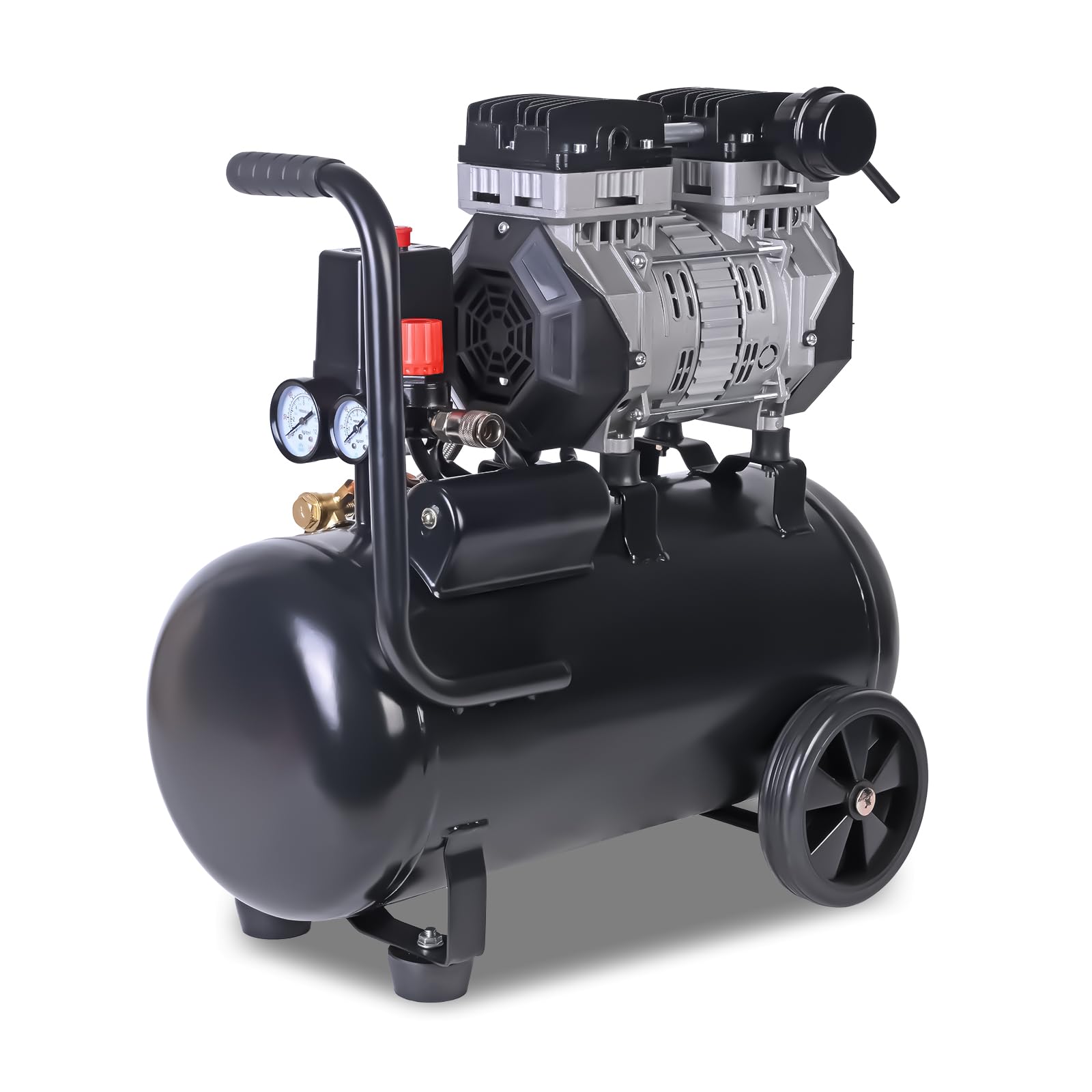
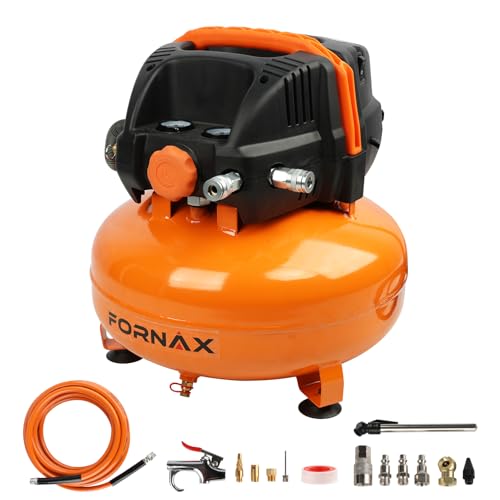
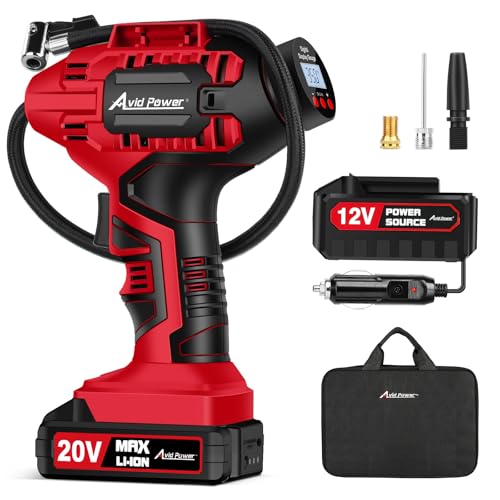
Three Budget Profiles
Read these three profiles as budget guides rather than as specific product endorsements. Each one describes what a sensible purchase looks like at that spending level, including the limits you should accept with open eyes. Then check the product table above for current models that match.
Best Budget Pick
A smart budget purchase, usually around $50 to $120, covers tire inflation, sports gear, and light cleaning with a compact pump. Expect a small tank or a tankless inflator design, modest airflow, and a basic gauge. Duty cycles are short, so plan rest breaks during longer jobs. This level is right for homeowners who inflate tires monthly and run no air tools, or only very small ones for short bursts. Spend here and you get convenience and portability, not workshop power.
Best Midrange Pick
The midrange, around $120 to $300, is where most buyers should land. At this level you typically get a tank of several gallons, airflow that can run a brad nailer or finish nailer steadily, and a sturdier motor with better cooling. Noise often drops as well, especially on oil free designs built for indoor work. If you do weekend projects, maintain several vehicles, or run a small garage, this tier delivers the best balance of capability, size, and long term value for the money.
Best Premium Pick
Premium pumps, often around $300 to $600 and above, buy sustained airflow, large tanks, and build quality meant for daily use. Expect higher CFM at 90 PSI, longer duty cycles, quieter operation in many designs, and parts support that lasts for years. This tier suits serious DIY users, small shops, and anyone running tools such as impact wrenches or spray equipment that demand steady volume. You pay more up front, but you gain speed on every job and a unit that does not feel strained.
What Your Money Gets You at Each Price Tier
Budget Tier: What to Expect
Budget units focus on inflation tasks. Typical strengths are low weight, simple controls, and 12 volt or basic corded power. Typical limits are low airflow, small or absent tanks, and gauges that are fine for tires but coarse for precise work. Heat builds quickly, so continuous use is short. For apartments, small garages, and car care kits, those limits rarely matter. Just do not buy a budget pump expecting it to run air tools, because the mismatch leads to constant waiting and early wear.
Midrange Tier: The Sweet Spot for Most Buyers
Midrange units add the features that change daily use: a real tank that smooths delivery, airflow ratings that support nailing and stapling, and regulators that hold a set pressure steadily. Many add a second coupler so two light tools can connect, plus better wheels and handles for moving around a home. This is also the tier where quieter designs appear, which matters in shared spaces. For most households, paying into this tier once beats buying a budget unit twice.
Premium Tier: When Spending More Pays Off
Premium money pays off when your tools demand volume. Higher CFM at working pressure keeps tools performing at full strength instead of fading as the tank drains. Larger tanks reduce motor cycling, cast components and better bearings extend service life, and longer warranties reduce risk. Premium also buys time: jobs finish faster with fewer pauses. If your work is occasional and light, that extra speed has little value. If you run tools weekly, the difference is obvious within the first project.
Features Worth Paying For (and Ones to Skip)
Capacity and Working Range
Judge capacity by CFM at 90 PSI for tools and at 40 PSI for inflation, not by peak horsepower or maximum PSI alone. A tank in the range of 6 to 20 gallons suits most home workshops, smoothing bursts and reducing cycling. Bigger tanks help with high demand tools but add weight and storage needs. Match capacity to your hungriest tool, then add a modest margin. Buying far beyond your tools wastes money and floor space without improving results.
Corded vs Cordless (Battery Platform)
Corded pumps deliver steady power for as long as you need and cost less for the same airflow. Cordless pumps trade some output for freedom, which is valuable for tire work away from outlets and for quick jobs around a property. Battery platform matters: if you already own tools on one 18 volt or 20 volt platform, a pump on that system saves the cost of extra batteries and chargers. For workshop use with air tools, corded remains the practical default for most people.
Safety Features
Worthwhile safety features include a thermal overload switch, a pressure relief valve, and a regulator with a clear gauge so you can set tool pressure accurately. A sturdy roll cage or covered controls also protect the unit on busy job sites. Drain the tank regularly to release moisture, and never exceed the rated pressure of the tank or the tool. Those habits protect both the pump and the user far more than cosmetic extras do.
Accessories Included
Useful included accessories are a quality hose, quick connect couplers, and a tire chuck and blow gun set that you will actually use. Less useful bundles pad the box with many low quality nozzles. Check hose length carefully, since a short hose forces you to move the unit constantly. If a kit includes a battery and charger on a platform you own, count that as real value. If it duplicates gear you have, a bare tool at a lower price is the smarter buy. For related basics, see our guide to the best air pumps.
Best Air Compressor Pumps for Specific Needs
Best Quiet Air Compressors Pumps: Where Your Money Goes
When you shop for best quiet air compressors pumps, your money goes toward pump designs that run at lower RPM, better motor mounts, and enclosures that dampen sound. Expect to pay a midrange or premium price for a meaningful drop in noise, often into a range where normal conversation is possible nearby. Check the decibel rating and compare it at the same distance when listings state one. Quiet models suit indoor projects, shared garages, and early morning work where noise limits matter.
Best Multi Portable Air Compressor Pumps
Best multi portable air compressor pumps combine inflation, light tool support, and easy transport in one unit. Prioritize a compact tank, a handle and weight you can carry comfortably, and dual power or a long cord so the unit works in a driveway, yard, or workshop. Quick change couplers and onboard accessory storage save repeated trips. This style fits homeowners who want one pump for vehicles, bikes, and small projects rather than separate units for each job. Compare options in our guide to the best portable air compressors as well.
Long Term Costs to Factor In
The purchase price is only part of ownership. Budget for a good hose if the included one is short, couplers and plugs for your tools, and occasional moisture filters for finish work. Electricity costs are modest for home use, but frequent large tank fills add up over years. Oil lubricated pumps need oil checks and changes, while oil free designs trade that task for eventual wear on internal seals. A longer warranty reduces risk, and models with available replacement parts usually cost less to keep over a decade than sealed budget units you replace whole.
Frequently Asked Questions
Is a brushless motor worth it?
On cordless pumps, a brushless motor is often worth it because it runs cooler, lasts longer, and squeezes more fills from each battery charge. On corded workshop units, motor type matters less than airflow, tank size, and cooling design. If the price gap is small and you use the pump often, choose brushless for the longer service life. If the gap is large and use is light, a standard motor serves well for years.
What specs matter most for home projects?
CFM at 90 PSI, tank size, duty cycle, and noise rating matter most for home projects. Together they decide which tools you can run, how often the motor cycles, and whether you can work indoors comfortably. Check the airflow demand of your hungriest tool and buy a pump that exceeds it modestly. Maximum PSI alone tells you little, since most home tools run well below the peak pressure most pumps can reach.
Corded or cordless: which is better for DIY?
Corded is better for stationary DIY work because it delivers steady airflow with no battery limits and costs less per unit of output. Cordless is better for tire care, remote corners of a property, and quick jobs where running a cord takes longer than the task. Many households end up happiest with a corded workshop pump plus a small portable inflator for vehicles. If you must choose one, let your most frequent job decide rather than your rarest one.
Can I use batteries across brands?
No, batteries do not interchange across brands in normal use. Each maker uses its own mount, electronics, and charger system, so a pack from one platform will not fit another safely. Adapters exist, but they can void warranties and may lack proper protection circuits, so they are a poor choice for a pump that draws steady current. Pick a pump that matches the battery platform you already own, or choose corded and avoid the issue entirely. Drivers can also see our guide to the best air pumps for cars for vehicle focused options.
Our Verdict
Match CFM and tank size to your tools first, choose the quietest design you can afford for your space second, and let price tier follow from those needs. Most buyers belong in the midrange, while light users save with budget models and heavy users gain from premium airflow. Compare the best air compressor pumps in the product table above and pick the tier that fits your workload honestly.