Best Air Compressor to Blow Out Sprinklers for 2026: Which One Fits Your Yard?
Disclosure: We may earn a commission when you buy through links on this page, at no extra cost to you. As an Amazon Associate I earn from qualifying purchases. Learn more

Learn how to choose the best air compressor to blow out sprinklers by matching tank size, airflow, pressure control, and safety to your yard system.
Winterizing a sprinkler system is one job where the wrong compressor causes real damage. Too much pressure can crack fittings and heads, while too little volume leaves water sitting in lines where it can freeze and burst a pipe. The best air compressor to blow out sprinklers for your yard delivers strong airflow at modest, well controlled pressure, zone by zone. This guide matches compressor types to different users and systems so you can choose with confidence. You will find the comparison table below handy once you know your system size.
There is no single best model for everyone. A small city lot with four zones needs something very different from a large property with long runs and many heads per zone, and this guide keeps that difference at the center.


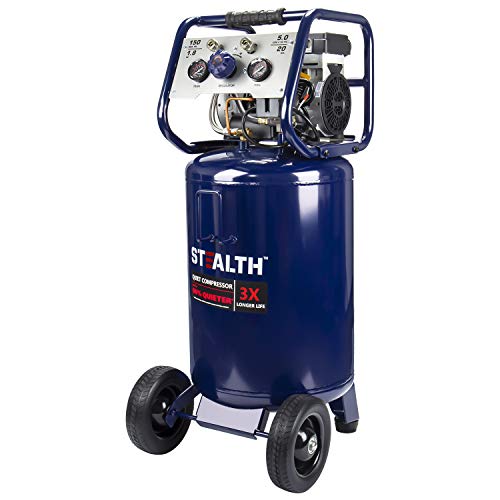

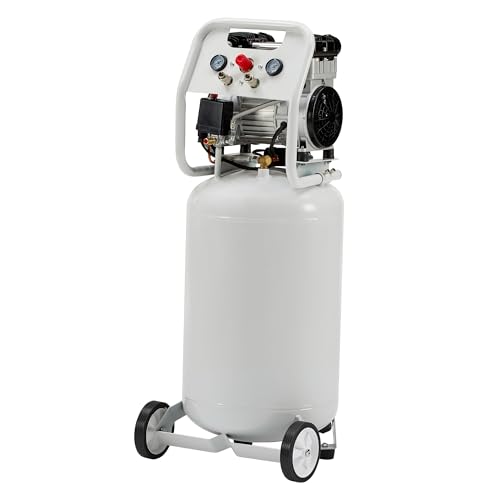


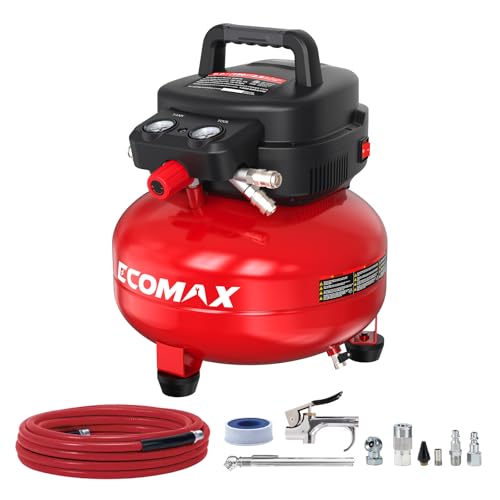

Who Should Buy Which Air Compressor Blow Out Sprinklers?
For Value Seekers
Value seekers with a small to mid size system should look for a compressor with a tank around 6 to 10 gallons and airflow that can sustain a zone without constant pauses. A clear regulator and gauge matter more than a high maximum PSI rating. Expect to spend around $120 to $250 for a unit that also serves garage tasks all year. The value move is buying enough volume for your largest zone, since renting a larger unit every fall quickly costs more than owning the right size.
For Gift Shoppers
If you are buying for a homeowner who just installed irrigation, choose ease and completeness over raw size. A mid size compressor with a simple regulator, a quality hose, and clear instructions makes a genuinely useful gift. Confirm the recipient has standard fittings or include a common sprinkler blowout adapter. Good warranty support matters here too, since a gift that is easy to exchange or service reflects well. Avoid very small tire inflators as gifts for this job, because they cannot move enough air to clear a zone properly.
For First Time Buyers
First time buyers should prioritize control and guidance. Look for a regulator that adjusts smoothly at low pressures, a gauge that is easy to read between 30 and 80 PSI, and a tank large enough to clear one zone in a few steady passes. A unit around 10 to 20 gallons suits many homes. Pair the purchase with a simple written routine: work zone by zone, use short bursts, and never leave a zone pressurized and unattended. Confidence comes from control, not from the biggest motor.
For People Who Want the Best Performance
Performance buyers with large systems, long main lines, or many zones benefit from higher airflow and a tank around 20 to 30 gallons or more. Strong CFM at lower pressures clears long runs faster and keeps pressure steadier as the tank drains, which means fewer passes per zone. Expect to spend around $300 to $600 for this level. The payoff is time and consistency each fall, plus a compressor that easily runs demanding garage tools the rest of the year.
Picking the Right Air Compressor Blow Out Sprinklers for Different Uses
System layout decides the details. Count your zones, note the longest run, and check whether any lines run uphill, since elevated lines hold water that needs extra passes to clear. Timing also matters, and our guide to the best time to blow out sprinklers helps you pick the right week before hard freezes arrive.
Best Air Compressor to Blow Out Water Sprinklers: What to Prioritize
When your focus is the best air compressor to blow out water sprinklers completely, prioritize volume and pressure control above all else. Choose airflow that can push water through the longest zone without the tank emptying mid pass, and set pressure by zone type, commonly around 50 PSI for flexible pipe and up to about 80 PSI for rigid pipe, always following your system maker guidance. Work one zone at a time, repeat short passes until only a fine mist exits the heads, and then move on.
Key Features to Compare
Safety Features
The key safety features for this job are an accurate regulator, a pressure relief valve, and gauges you can read at a glance. Set pressure before opening a zone, and lower it for zones with drip lines or delicate heads. Wear eye protection, since debris can exit a head at speed during the first burst. Never exceed the pressure rating of your pipes and fittings, and never stand directly over a sprinkler head while a zone is pressurized. If you are unsure about safe limits for your system, hire an irrigation professional for the first winterization and watch the process.
Corded vs Cordless (Battery Platform)
Corded compressors are the right default for sprinkler blowout work because the job needs sustained airflow for many minutes per zone. Battery powered inflators and small cordless pumps cannot deliver the volume this task requires, no matter how high their PSI rating sounds. A corded unit on a standard household circuit handles the work, though a long, heavy gauge extension cord may be needed for distant manifolds. Keep cordless tools for tire top ups and use a proper corded compressor each fall.
Warranty and Brand Ecosystem
Look for a warranty of at least two years on home use compressors, with longer coverage a welcome bonus at higher prices. Check that regulators, gauges, and drain valves are available as parts, since those small items are the most common service needs. A maker with US based support and clear manuals also helps when you need the correct adapter or a pressure setting confirmed. Our guide to the best compressor for blowing out sprinklers goes deeper on model classes for different yard sizes.
Capacity and Working Range
For this job, capacity means tank gallons plus sustained airflow, usually expressed as CFM at 90 PSI and at 40 PSI. A small system can be cleared with about 10 gallons and modest CFM if you work patiently in short passes. Larger systems need more of both, or the tank drains before a long zone is clear and you spend the day waiting for refills. Also check hose length and fittings. A quality hose and the correct blowout adapter, covered in our guide to the best air compressor hoses, prevent leaks that waste the volume you paid for.
Common Mistakes to Avoid When Buying Air Compressor Blow Out Sprinklers
- Choosing by maximum PSI alone. Blowout work needs volume at moderate pressure, and a high PSI rating says nothing about airflow.
- Buying too small a tank. A tiny tank empties mid zone, leaving water behind and stretching the job across hours.
- Setting one high pressure for every zone. Drip zones and older fittings need lower pressure than main spray zones.
- Skipping the adapter check. The compressor is useless on the day if your hose cannot connect to the blowout port securely.
- Waiting until after a hard freeze. Frozen water may already have cracked a fitting before you start, so schedule the work early.
Setup and Care Tips
Prepare the system before the compressor comes out. Shut off the irrigation water supply, open manual drains if your system has them, and set the controller to its off or rain mode. Connect through the blowout port, set a conservative starting pressure, and clear one zone at a time with short passes.
- Wear eye and hearing protection. Compressors are loud and heads can spit grit during the first pass of each zone.
- Let the tool do the work. Use steady, repeated bursts and patience rather than raising pressure to force water out faster.
- Drain the compressor tank after use. Opening the drain valve releases moisture and protects the tank from rust.
- Store hoses loosely coiled and dry. A hose stored clean and out of sunlight lasts longer and seals better next fall.
Pressure discipline is the whole craft here, so review our guide to the best pressure to blow out sprinklers before your first attempt, and our guide to the best portable air compressors if you need a unit that also travels well.
FAQs
Can I use batteries across brands?
No, and for this job the question is mostly beside the point because cordless pumps lack the airflow sprinkler blowout work requires. Batteries also do not fit across brands in any case, since each platform uses its own mount and electronics. Choose a corded compressor for winterizing and save battery tools for inflation tasks. If you already own a strong corded unit for the garage, check its CFM and tank size first, because it may already be suitable.
Is a brushless motor worth it?
A brushless motor is a minor factor for this seasonal job. It can run cooler and last longer on cordless tools, but sprinkler blowout performance depends on tank size, airflow, and regulator control, all of which matter far more. Spend your budget on capacity and a good gauge first. If two corded units otherwise match and one adds better cooling or a longer duty cycle at a fair price, that durability is worth more here than motor type alone.
What specs matter most for home projects?
For sprinkler work, CFM at working pressure, tank gallons, and regulator accuracy matter most. Those specs decide whether each zone clears fully and safely. For general home projects the same unit should also cover your other tools, so check its CFM at 90 PSI against your hungriest tool. A mid size corded compressor that winterizes well usually also runs nailers and inflates tires with ease, which is why this purchase often becomes the main garage compressor.
Corded or cordless: which is better for DIY?
Corded is clearly better for sprinkler blowout and for most sustained DIY air tool work. It delivers continuous power, higher airflow, and no charging delays. Cordless wins only for small, mobile inflation jobs far from an outlet. If your DIY list includes winterizing, nailing, or extended cleaning with a blow gun, buy corded first. You can add a small cordless inflator later for road trips without compromising the main purchase.
Final Thoughts
Buy for volume and control, not for headline pressure. Match tank size and airflow to your largest zone, set pressure carefully for each zone type, and work patiently in passes. With those habits, the best air compressor to blow out sprinklers for your home will protect your system every fall, so compare the options in the product table above and choose the size that fits your yard.