Best Airless Paint Sprayers for Home Use for 2026: Which One Fits the Way You Use It?
Disclosure: We may earn a commission when you buy through links on this page, at no extra cost to you. As an Amazon Associate I earn from qualifying purchases. Learn more

Learn how to choose the best airless paint sprayers for home use with clear checks on pump power, tip size, hose length, cleanup, safety, and project cost.
There is no single sprayer that suits every home project, because a weekend fence job and a full kitchen cabinet refinish ask for very different machines. Airless sprayers pump paint at high pressure through a tiny tip, which makes them fast on walls, siding, and fences, but the size, power source, and tip range vary a lot between models built for occasional and frequent use.
This guide matches sprayer types to the way you actually paint, so the best airless paint sprayers for home use for your garage become easy to spot. Start with the comparison table below, then work through the user types and features that decide daily satisfaction.
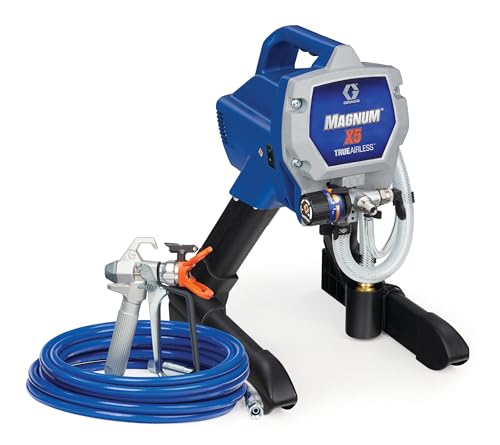
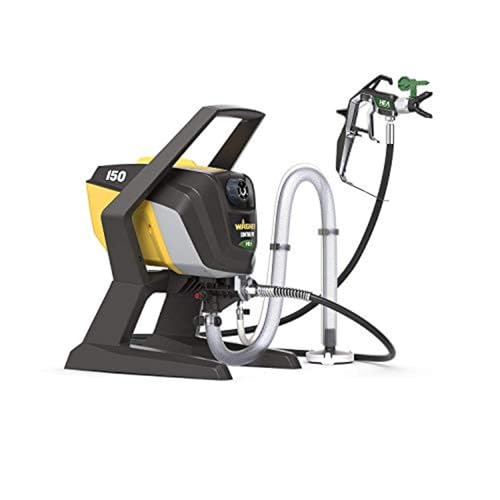


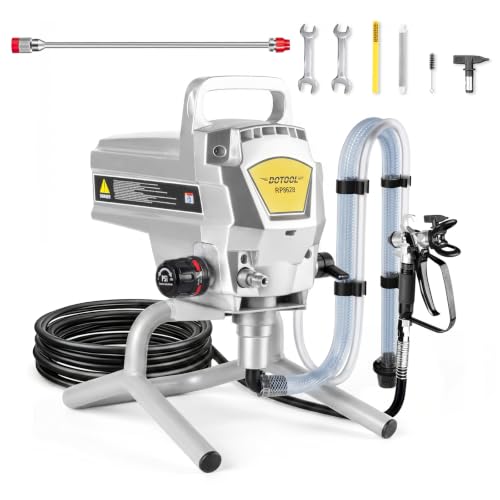


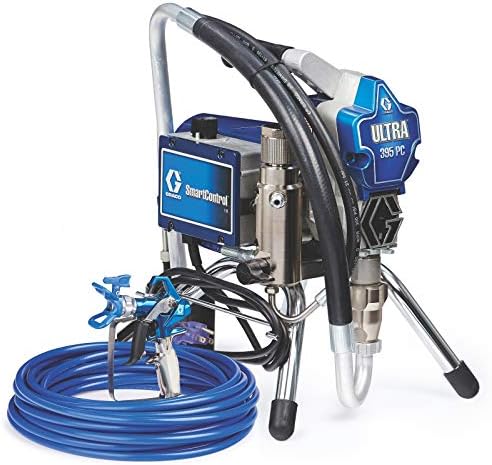
Who Should Buy Which Airless Paint Sprayers?
For Gift Shoppers
A sprayer makes a good gift for a homeowner with projects queued up, as long as you choose a forgiving model. Look for a compact stationary or handheld unit with a simple prime and clean routine, a clear manual, and a warranty of at least a year. Include the unglamorous extras that make the first project succeed: a spare tip, a bottle of pump storage fluid, and a roll of masking film. Avoid the largest contractor style units; a gift that intimidates its owner tends to stay in the box. A gift receipt matters here, because paint type and project size may point to a different size.
For First Time Buyers
First time buyers should prioritize control and easy cleanup over raw output. A smaller corded stationary sprayer with a pressure dial, a flexible suction tube that draws paint straight from the can, and support for common tip sizes covers walls, doors, and fences while staying manageable. Handheld cup models are tempting, but the weight of paint in your hand tires your arm on big jobs. Choose a model with good video support from the maker and a forgiving return window, and plan your first session on a fence or garage wall rather than kitchen cabinets. For room projects, our guide to the best paint sprayers for indoor use covers masking and ventilation in detail.
For Value Seekers
Value in a sprayer is cost per project, not sticker price. A midrange corded unit that lasts through a house exterior, several room repaints, and years of fence touch ups beats a bargain unit that clogs, spits, and dies in its second season. Spend on the pump and the gun; save by skipping bundled accessory kits full of tips you will never spray. Check the price of replacement tips, filters, and hoses before you buy, because a cheap machine with costly consumables is not cheap for long. A model that supports a longer hose also saves the hidden cost of constantly moving the unit and the paint can.
For People Who Want the Best Performance
Performance buyers gain real advantages from stepping up: higher flow rates that keep up with fast spraying on siding, pressure control that holds a steady pattern with thick coatings, and pumps rated for frequent use with easy service. A cart mounted unit with a long hose lets you work a whole side of a house without moving the paint. This tier suits owners of large homes, landlords between tenants, and anyone refinishing cabinets who needs a fine, even finish. Compare this tier against contractor leaning models in our guide to the best airless sprayers before you commit.
Key Features to Compare
Durability and Brushless Motors
On corded stationary sprayers, durability lives in the pump: steel pump components, replaceable packings, and a motor rated for the gallons per year you plan to spray. On cordless handheld models, a brushless motor runs cooler, lasts longer, and squeezes more spraying time from each battery charge. Either way, ask how the pump is serviced. A sprayer with user replaceable wear parts can return to work in an evening, while a sealed unit may need a service center trip that eats your whole painting season.
Corded vs Cordless (Battery Platform)
Corded sprayers deliver unlimited run time and steady pressure, which suits whole rooms and exteriors, at the cost of managing a cord and finding an outlet. Cordless handhelds trade power and capacity for freedom: they shine on shutters, furniture, railings, and small touch ups far from power. Battery platform matters if you already own cordless tools, since sharing 18V or 20V packs between your drill and sprayer cuts cost. Just confirm the sprayer truly performs on your pack size, because small batteries sag under pump load. Yard scale work is covered further in our guide to the best paint sprayers for outdoor use.
Safety Features
Airless sprayers work at pressures high enough to push paint through skin, so treat safety features as essential, not decorative. Look for a trigger lock for storage and transport, a tip guard that stays firmly seated, and a clear pressure release procedure in the manual. Engage the lock whenever you set the gun down, and never point the gun at any part of your body, even when you think the pressure is off. If paint ever does penetrate skin, treat it as an emergency and seek medical care at once, because injection injuries worsen quickly and need specialist treatment.
Accuracy and Control Features
Finish quality comes from control, not pressure alone. A smooth pressure dial lets you raise output only until the spray pattern loses its tails, which is the correct working pressure for that paint and tip. Reversible tips clear clogs in seconds by turning the tip and triggering the gun into a waste bucket. Tip size controls both fan width and flow: smaller tips suit stains and cabinet enamels, larger tips suit latex wall paint. Some cordless models add variable speed, which helps on small parts. A gun that accepts standard tips and extensions gives you the widest control options over time.
Capacity and Working Range
Capacity shows up in three numbers: flow rate in gallons per minute, the largest tip the pump can support, and hose length. A homeowner spraying walls and siding does well with a midrange flow rate and support for tips in the common middle sizes. Hose length decides your working range: about 25 feet comes standard on many units, and support for 50 feet or more keeps the pump and paint can in one spot while you circle a room or a deck. Cup fed handhelds hold about a quart, fine for furniture but slow for walls. Broader background on sprayer styles sits in our guide to the best sprayers for paint.
Common Mistakes to Avoid When Buying Airless Paint Sprayers
- Buying on price alone, then discovering the pump cannot support the tip size your paint requires.
- Ignoring durability and motor type, which decide whether the sprayer survives a second season.
- Buying far too much machine for one small job, or far too little for a whole house exterior.
- Skipping the warranty and parts check, especially whether packings, tips, and filters are easy to order.
- Forgetting the full budget: masking supplies, spare tips, filters, and storage fluid add real cost to every project.
How to Make Your Airless Paint Sprayer Last Longer
Cleanup is the whole game with an airless sprayer, because dried paint inside the pump is the top cause of early failure. Flush the system with water for water based paint, or the maker recommended solvent for oil based paint, until it runs clear, every single time. Strain paint before spraying to keep clogs out of the tip and filters. Store the pump with storage fluid or conditioner in the fluid section so packings stay supple over winter. Wear eye protection and a respirator rated for paint mist while spraying, relieve the pressure before any adjustment, and let the pump do the work at the lowest pressure that gives a clean pattern rather than forcing output.
Airless Paint Sprayers: Your Questions Answered
Is a brushless motor worth it in a cordless paint sprayer?
On a cordless handheld sprayer, yes, a brushless motor is usually worth a modest premium. It runs longer per charge, handles thick paint with less strain, and has no brushes to wear out. On a corded stationary sprayer the question matters less, because pump design and serviceable parts decide lifespan there. Either way, judge the whole package: a brushless motor paired with a tiny cup still will not suit whole room projects.
Corded or cordless: which sprayer is better for DIY projects?
Corded is better for most DIY projects that involve whole rooms, exteriors, or more than a gallon of paint, because pressure stays steady and refills are simple. Cordless wins for small, scattered jobs: a door, a dresser, a section of railing, where setup time would otherwise exceed spraying time. Many active homeowners end up happiest with a corded unit as the main tool. If your projects are all small, start cordless and let convenience lead.
What specs matter most for home painting projects?
Three specs matter most: the largest tip size the pump supports, the flow rate, and the maximum hose length. Together they tell you which paints you can spray and how far you can roam. After those, weigh pressure control quality and cleanup design, because both shape every session. Ignore headline maximum pressure on its own; almost all home models post similar peak numbers, and working pressure at the tip is what lays down the finish.
Can I use batteries across sprayer brands?
Generally no, cordless tool batteries are brand and platform specific, so a pack from one maker will not fit a sprayer from another. Within one brand, check voltage and pack size compatibility, since one platform can include several lines. Adapters exist from third parties, but they can void warranty cover and may not deliver the current a pump demands. The safe rule is simple: buy the sprayer that matches the battery platform you already own, or budget for dedicated packs.
Wrapping Up
Match the sprayer to your most common project, put pump durability and tip support ahead of headline pressure, and respect the safety basics that high pressure demands. Gift buyers and first timers do best with forgiving midrange units, while frequent painters earn back the cost of a stronger pump. Compare the current field in the product table above, and the best airless paint sprayers for home use for your home will be the one sized to your projects, your power source, and your patience for cleanup.