Best Air Compressors for Woodworking in 2026: Buying Guide and Top Options
Disclosure: We may earn a commission when you buy through links on this page, at no extra cost to you. As an Amazon Associate I earn from qualifying purchases. Learn more

A practical guide to the best air compressor for woodworking: sizes, features, budget ranges, and mistakes to avoid before you buy.
Woodworking asks a compressor to do two very different jobs. It must drive brad nails and pin nails with steady, clean pressure, and it may also need to run a sander or spray finish for minutes at a time. Choosing the best air compressor for woodworking means matching air delivery and tank size to the tools you actually use, not buying the largest tank on the shelf.
This guide compares compressor types by power and performance, noise, weight, and running cost, so you can narrow your choice before you shop. Use the comparison table below to see how the main types differ at a glance.


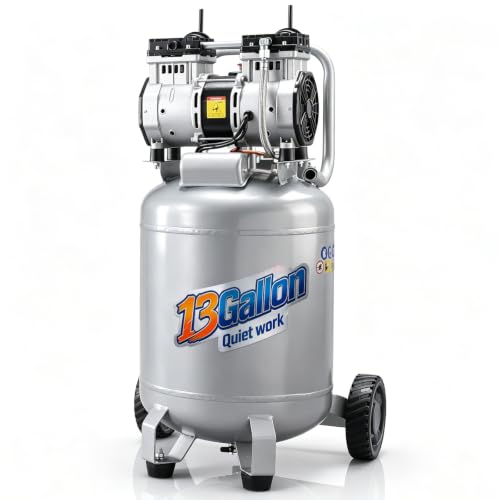
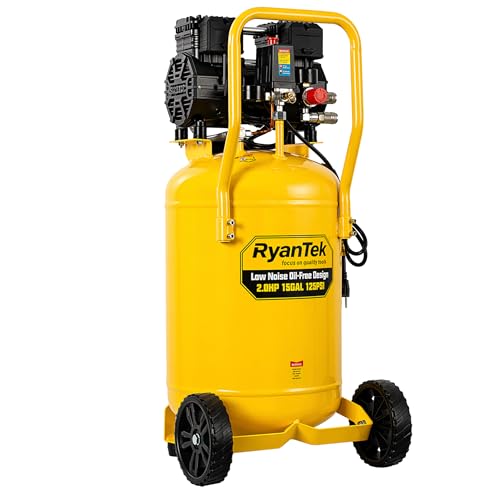
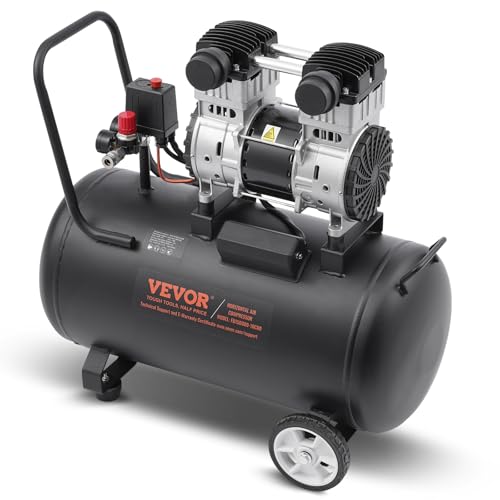
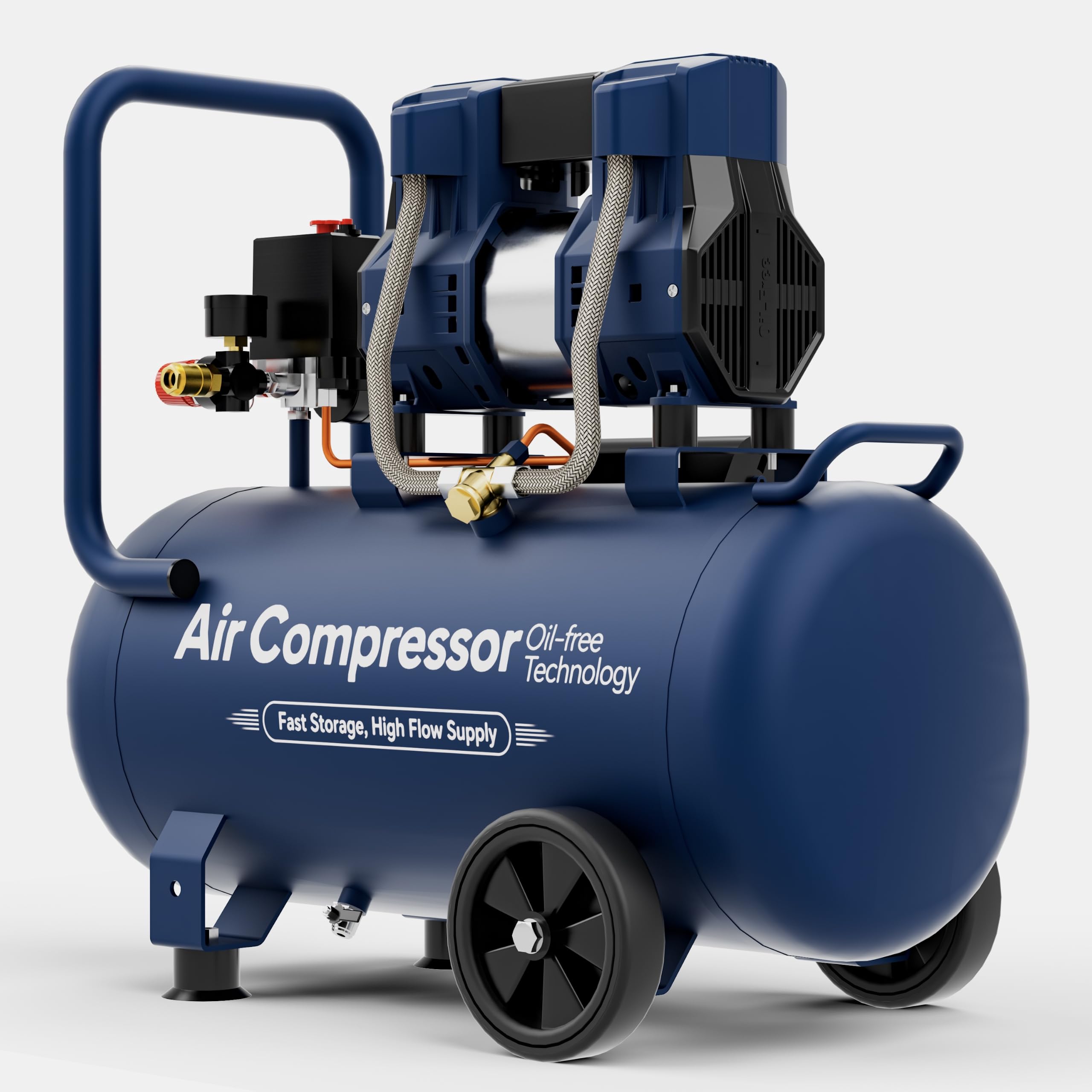
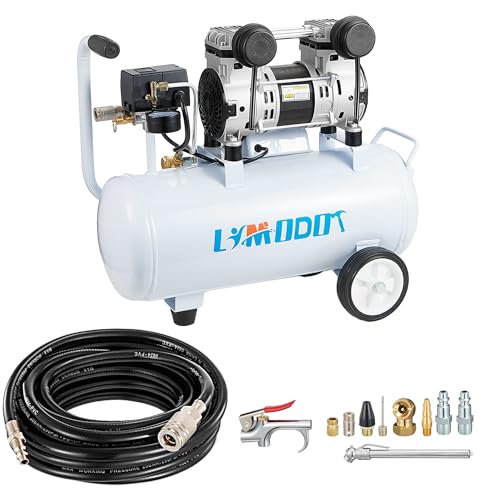

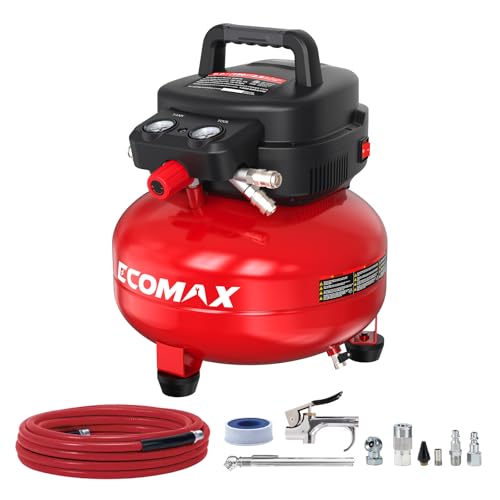
Types to Compare at a Glance
Three broad types cover almost every home woodworking shop. Each one suits a different mix of nailing, cleaning, sanding, and finishing work.
- Compact pancake models: Usually about 6 gallons, light enough to carry to the work, and strong enough for nail guns, staplers, and short bursts from a blow gun.
- Quiet shop models: Often about 2 to 8 gallons with a low noise pump, made for indoor use where you work close to the compressor all day.
- Larger stationary models: About 20 to 60 gallons, built to supply sanders, grinders, and spray guns that draw air for long stretches without pause.
If most of your work is trim and assembly, start by comparing the best pancake air compressor options, since that shape stores flat and resists tipping in a crowded shop.
Which Type Fits Which Woodworking Work
Trim, Finish Nails, and Light Assembly
A compact compressor suits you if your air tools are mainly brad nailers, pin nailers, and narrow crown staplers. These tools sip air in short bursts, so a small tank recovers quickly between shots and pressure stays even from nail to nail. Portability matters here, because you may carry the unit to a cabinet install or move it around a bench. A light model with a sturdy handle and a regulator that is easy to read will serve you better than extra tank capacity you never use.
Cabinet Work and Frequent Nail Gun Use
If you build cabinets, frames, or furniture most weeks, look one size up. A mid size tank gives you a larger reserve when you fire nails in quick sequence, assemble with glue and pins, and blow dust off parts between steps. Recovery time becomes the key limit, since a pump that refills slowly will make you pause mid task. Choose a model with enough delivery at 90 PSI for your busiest tool, plus couplers that let a second hose stay connected for cleanup.
Spray Finishing, Sanding, and Long Runs
Spray guns and orbital sanders change the buying math completely, because they consume air continuously rather than in bursts. For this work you need higher delivery, a larger tank, and a pump rated for longer duty cycles, or the tool will slow and the finish can turn uneven as pressure falls. A stationary unit in a corner of the shop also keeps noise and vibration away from your bench. Plan space, power, and hose length for this setup from the start.
How the Options Are Compared
We judged types against the criteria that matter in a wood shop: air delivery and maximum pressure, tank size, noise level, weight and ease of moving, build quality, and warranty cover. We used maker specifications and patterns in verified buyer feedback rather than naming individual picks. For a broader view of the category beyond woodworking, see our guide to the best air compressor for other jobs around the home.
How to Choose the Right Air Compressor for Woodworking
Start with your hungriest air tool, then work through the factors below in order. That sequence prevents the most common mismatch between a compressor and a shop.
Size and Form Factor
Tank size is given in gallons, and common choices run from 1 gallon and 2 gallon units up through 6 gallon, 8 gallon, 20 gallon, 30 gallon, and 60 gallon models. A bigger tank stores more air, so the pump cycles less often, but it also takes more floor space and is harder to move. Pancake tanks sit low and stable, while tall vertical tanks save floor area in a tight garage shop.
Type
Beyond pancake, you will see hot dog, twin stack, quiet, and vertical designs. Shape affects stability, storage, and how many couplers fit on the panel more than it affects power. Pump type matters more, so read our comparison of oil vs oil free compressor designs before you decide, and use the guide to pancake vs hot dog compressor shapes if floor space is your main concern.
Features Worth Paying For
Pay for a clear regulator gauge, a tank drain that is easy to reach, and a pump that runs at a noise level you can tolerate indoors. Rubber feet, a protective cage around the pump, and a long power cord also earn their cost in daily use. Wheels help only on larger units that stay on the floor. Skip bundled accessory kits with tools you already own, since a basic hose and coupler set is often cheaper to buy on its own.
Cordless vs Corded or Gas
Almost every woodworking compressor is corded, and for good reason. Shop tools need sustained air, and a wall outlet supplies it without pause. Cordless models suit brief nailing away from power, but runtime limits them to small jobs. If that trade off fits your work, compare the best cordless air compressor options as a secondary unit. Gas models belong on job sites without power and bring fumes and noise that make them a poor fit indoors.
Battery Platform
Battery platform matters only if you choose a cordless model. Staying on a platform you already own saves the cost of extra batteries and chargers, and larger battery packs extend runtime between swaps. Check how many nails or how much air a single pack realistically delivers, and keep a second pack charged if you plan a full install day. For a fixed shop bench, this factor should not drive your main purchase at all.
Brushless Motors
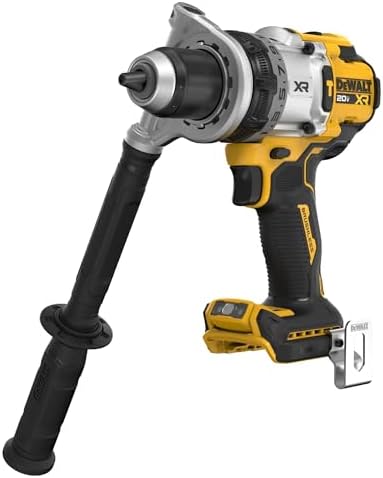
Some cordless and compact corded models use brushless motors, which have fewer wearing parts and can run more efficiently than brushed designs. In practice that can mean less heat, less maintenance, and a longer service life under light use. It does not change the air delivery figures, so treat it as a durability plus rather than a reason to accept a tank or output that is too small for your tools.
Accessories and Warranty
You will need a hose rated for your maximum pressure, matching couplers, a blow gun for dust, and hearing protection if your model is loud. An in line moisture trap helps when you spray finish, because water in the air line can spoil a coat. Check warranty length and whether service parts such as filters and drain valves are easy to order. Keep the manual, since torque and drain steps vary by model.
How Much Should You Spend?
- Under $100: Small used market territory and very basic new units for inflating and occasional pin nailing only.
- Under $200: The main range for compact pancake and quiet models that handle nail guns well in a home shop.
- Under $400: Larger tanks, quieter pumps, and faster recovery for frequent cabinet and furniture work.
- Under $800: Stationary capacity for spray finishing and sanding, with longer duty cycles and stronger pumps.
Most home shop buyers spend about $150 to $400 in total. Spending more should buy delivery, tank capacity, or quiet running that you can name. If you cannot name it, the lower tier probably fits you. Our air compressor buying guide walks through these tiers for other uses as well.
What Matters Most in an Air Compressor for Woodworking
Woodworking rewards clean and dry air more than many other uses do. Moisture and oil carryover that would go unnoticed when inflating a tire can leave marks in a clear finish or weaken a glue line if dust is blown across a wet surface. Drain the tank after use and keep the intake filter clean, especially in a shop where fine dust hangs in the air and settles on every surface.
Consistent pressure is the second priority. A nail driven slightly shallow in hardwood and a nail driven too deep in soft pine can both come from pressure drift as a small tank empties and refills. A reserve of air smooths those swings out. Noise is the third factor, because a compressor in a small shop runs only a few feet from your ears and may cycle many times during a long glue up and assembly session.
FAQ
What is the best air compressor for woodworking?
For most home shops it is a compact or quiet model of about 6 to 8 gallons that delivers enough air at 90 PSI for your largest nail gun, with a reserve for blowing dust off work. Choose a much larger stationary unit only if you spray finish or sand with air tools often. The right answer depends on your hungriest tool, so check its air use first and buy for that tool rather than for the smallest one.
What should I look for in an air compressor for woodworking?
Look first at delivery at 90 PSI, then at tank size, noise, and how easy the drain and regulator are to reach. Also check the duty cycle if you plan long sanding sessions, since a pump that must rest often will slow your work. A detail many buyers miss is hose diameter, because a hose that is too narrow can starve a spray gun even when the compressor itself is strong enough on paper.
How long does an air compressor last?
A home shop compressor often lasts many years when you drain moisture, keep the filter clean, and follow the maker guidance on oil where it applies. Light nailing use is gentle, while daily sanding or spraying wears a pump much faster. Watch for slower recovery, rising noise, or rust water at the drain, since those signs suggest wear or tank corrosion. A tank that is badly rusted inside should be retired, not repaired.
Is an air compressor worth it for woodworking?
Yes, if you drive nails often, need fast dust removal, or want to spray finish, because one unit powers all three jobs. It is harder to justify if you only build an occasional small project with hand driven fasteners and already own a good shop vacuum for cleanup. Consider storage space and noise as part of the cost, since a unit that is awkward to store tends to stay buried and unused.
How do you clean an air compressor?
Unplug the unit, release all tank pressure, and open the drain until moisture and air stop coming out. Wipe dust from the pump housing and vents with a dry cloth, wash or replace the intake filter as the manual directs, and check hoses for cracks. In a wood shop, blow dust off the unit with the compressor off and the tank empty at the end, so grit does not get pulled into the intake next time.
What is the most reliable air compressor brand?
Reliability depends more on pump design, duty rating, and care than on a name alone. Oiled pumps often last longer under heavy use but need oil checks, while oil free pumps need less routine care and may wear sooner under long daily runs. Choose a maker with clear specifications, available service parts, and a warranty you can actually use. A well maintained mid range unit will outlast a neglected premium one in most home shops.
Final Thoughts
Match the compressor to your hungriest air tool, give yourself a modest reserve of tank capacity, and favor quiet and clean running for indoor shop work. Review the product table above before you order, and check that your hose, couplers, and power outlet suit the unit you pick. Chosen that way, the best air compressor for woodworking for your bench is the one that keeps pressure steady without dominating your space, your budget, or your hearing.