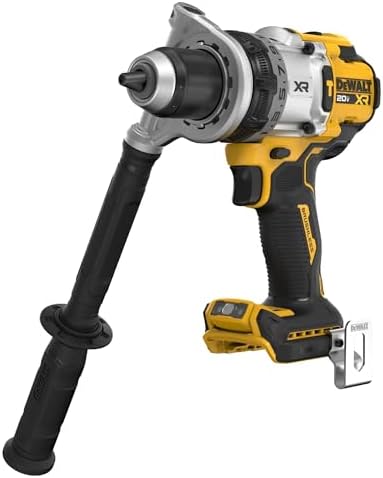
Air Compressor Buying Guide: How to Choose the Right One in 2026
Disclosure: We may earn a commission when you buy through links on this page, at no extra cost to you. As an Amazon Associate I earn from qualifying purchases. Learn more

Our air compressor buying guide explains types, sizes, materials, features and prices so you can choose with confidence.
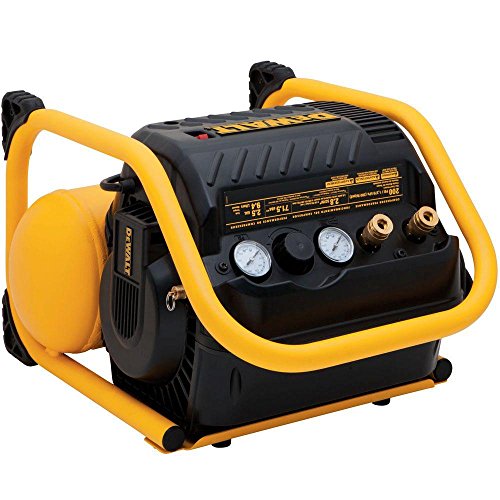
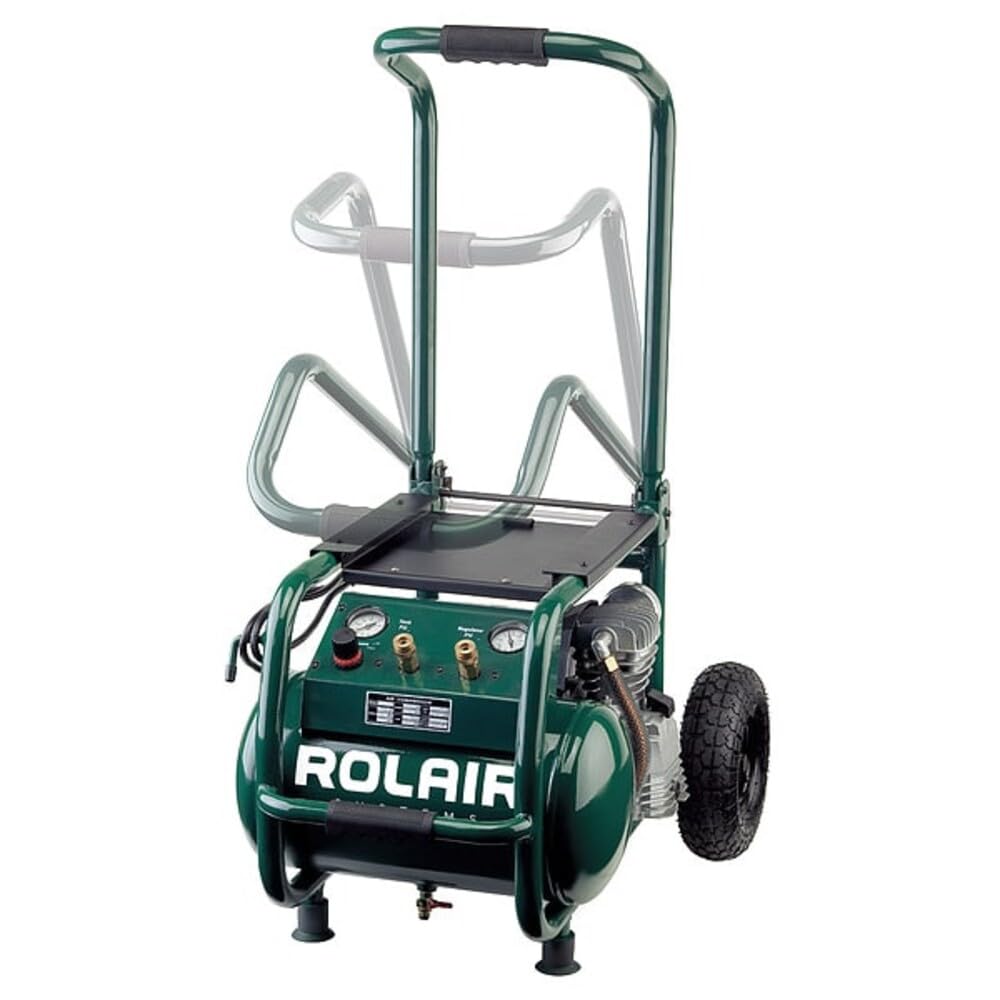
An air compressor turns stored air into power for inflating tires, driving nailers, spraying paint, and cleaning dust from work areas. This air compressor buying guide covers types, tank sizes, and the specs that decide whether a machine feels strong or struggles, and the comparison table below sums up the main options.
Start with the tools you plan to run, not with the biggest tank you can afford. Each tool lists the air volume and pressure it needs, and matching those numbers first prevents the most common buying regret.






Quick Checklist
- List every air tool you own or plan to buy, with the highest cubic feet per minute and pounds per square inch each one needs.
- Add about 25 percent to that air volume figure, since hoses and fittings lose a little pressure.
- Decide where the unit will live and how far it must move, since weight and noise shape daily use.
- Set a budget that leaves room for a hose and basic accessories.
If you want a shortlist after this overview, see our guide to the best air compressor for options that suit most home workshops.
Types Explained
Tank shape, pump design, and power source divide compressors into clear groups. The groups overlap, so one unit can be both pancake shaped and oil free, but each label tells you something about size, noise, upkeep, or movement.
Pancake
A pancake compressor has a flat, round tank that sits low, which makes it stable and easy to carry with one hand. Most hold about 6 gallons and suit brad nailers, staplers, and tire inflation. The low profile slides under a bench without tipping. The trade off is a small air reserve, so tools that draw air in long bursts make the motor cycle often.
Hot Dog
A hot dog compressor uses a long, horizontal tank on two feet, giving it a narrow footprint for tight garages. Tanks often hold about 2 to 8 gallons, and the shape stores easily along a wall. The top handle keeps carrying simple. It fits short tasks best and can feel slow with tools that need steady air flow for minutes at a time.
Quiet
A quiet compressor lowers noise through a slower pump, sound shielding, or both, and many run at levels that allow normal conversation nearby. That matters for indoor work and early jobs in dense neighborhoods. You often pay more for the same tank size, and some models deliver slightly less air volume. Check the decibel rating rather than trusting the word quiet on the box.
Oil Free
An oil free pump uses sealed bearings and coated parts instead of an oil bath, so there is no oil to check, change, or spill in transport. These units start well in cold weather and can rest on their side in a vehicle. The trade off is that oil free pumps often run louder and may wear sooner under heavy daily use than an oil lubricated pump that gets regular care.
Cordless
A cordless compressor runs on a rechargeable battery and frees you from outlets and cords for quick jobs away from the shop. Most are small, with tanks around 1 gallon or no tank on inflator style models, and they suit tires, sports gear, and a few trim nails. Runtime depends on battery capacity, so a second charged pack matters for longer work lists.
Portable
Portable describes any compressor light enough to move by hand or on built in wheels, from tiny 1 gallon units up to wheeled models near 30 gallons. The label says nothing about power, so pair it with tank size and air volume figures. A balanced handle, a cord wrap, and rubber feet that grip the floor make a portable unit easier to live with than raw weight suggests.
Choosing the Right Size
Tank size alone does not tell you how a compressor will perform. Pounds per square inch, written as PSI, is the pressure it can deliver. Cubic feet per minute, written as CFM, is the volume of air it delivers at a stated pressure, often 90 PSI. Your thirstiest tool sets the floor for both numbers.
Tanks of 1 gallon or 2 gallon capacity suit inflators and blow guns. A 6 gallon pancake covers most trim nailers and light stapling, and 8 gallons adds room for framing work. Tanks of 20 gallon and 30 gallon capacity support sanders and spray guns that draw air for minutes. A 60 gallon stationary tank serves a full shop. Our walkthrough on how to choose an air compressor shows how to match a tool label to these figures.
Duty cycle is the last sizing clue. It describes how long a pump can run in a set period before it needs to rest, and a tool that keeps the motor running almost nonstop will overheat a unit built for light use.
Features Worth Paying For
Hose
Rubber hose stays flexible in cold weather but weighs more. Hybrid blends weigh less and coil well, while basic vinyl turns stiff in winter and kinks at fittings. A length of 25 to 50 feet reaches most garage and driveway work without moving the unit. Match hose diameter to your tools, since a narrow hose can starve a tool that needs high volume.
Accessory Kit
Many compressors ship with a kit that may include a blow gun, tire chuck, inflation needles, and quick connect fittings, so you can start work the day the unit arrives. Check what is actually included, since some kits add pieces you will never use while omitting the couplers you need. Solid brass fittings are a good sign, since they resist wear at the threads better than thin plated parts.
Wheels
Wheels matter once a tank grows past about 8 gallons, when a full unit gets awkward to carry across a yard or up steps. Large rear wheels roll over gravel, cords, and thresholds with less effort, and flat free tires remove the chore of topping off wheel air. On small units, skip the wheels and value a balanced carry handle instead.
Cordless vs Corded and Gas
Corded electric models are the default for most homes. They start instantly, run clean indoors, and deliver steady output near an outlet. Gas powered models serve remote sites with no power and drive large tanks, but they are loud, produce exhaust that rules out indoor use, and need fuel and engine care. Cordless models trade output and runtime for freedom of placement. Pick based on where most of your work happens.
Battery Platform
If you choose cordless, the battery platform may matter more than the compressor itself. Sticking with a battery family you already own for drills and saws cuts cost, since packs and chargers are a large share of the price. Check the amp hour rating of your packs, since small packs drain quickly under a pump load, and confirm the unit accepts the newest packs in that family.
Brushless Motors
A brushless motor uses electronic control instead of carbon brushes, which reduces friction, heat, and one common wear point. On cordless models that efficiency stretches runtime from each charge, and on corded models it can support longer service life with less upkeep. Brushless designs cost more up front, and the gain shows most where the compressor runs many hours each week. Light weekend use may never repay the premium.
Accessories and Warranty
A water separator filter keeps moisture out of spray guns and delicate tools. A coil hose or retractable reel keeps long hoses off the floor, and spare couplers in your tool sizes prevent a stalled job over one worn fitting. For safe daily operation, our guide on how to use an air compressor covers pressure settings and shutdown steps in order.
Warranty terms vary from about one year on budget units to several years on shop grade models. Read what the plan covers, since some cover the pump only. A service center within driving distance can matter more than a longer term that requires shipping a heavy tank across the country.
How Much to Spend
Small portable units for inflation and trim work often cost about $100 to $250. Mid sized models with 6 to 20 gallon tanks and quieter pumps tend to run about $250 to $500. Large stationary and gas powered models for full shops can cost about $500 to $1,200 or more. Spending more should buy quieter operation, higher air volume, and stronger build, not just a larger tank.
Best Brands to Consider
Judge any brand on four points you can verify before buying. Look for clear published CFM ratings at 90 PSI, since honest specs signal a serious maker. Check that parts such as filters, belts, and drain valves are easy to order. Read the warranty terms and find where service happens. Look for safety listings from a recognized testing body. A brand strong on all four beats one known only for advertising.
Types Compared: Matching a Type to Your Work
Match the group to the job you do most. Trim work and hobby use fit a 6 gallon pancake or a quiet oil free unit. Tire inflation and blow gun work fit a small 1 to 2 gallon portable or a cordless model. Spray painting, sanding, and impact wrench work call for a 20 to 30 gallon tank with the CFM to match. Framing crews and full shops belong at 30 to 60 gallons. Let the product table above anchor that comparison once you know your tool numbers.
FAQ
How long should an air compressor take to fill its tank?
Most small home units fill from empty in about 2 to 5 minutes, while large shop tanks can take 10 minutes or more. Fill time grows as a pump ages or an intake filter clogs, so a unit that suddenly takes far longer than it used to needs attention. Timing a fill when the unit is new gives you a baseline for spotting that change.
Can an air compressor stay plugged in all the time?
You can leave one plugged in, but switching it off between sessions is wiser. A slow leak at a fitting can make a stored unit start itself at night, wasting power and adding wear with no one present. Opening the tank drain after use also lets moisture escape instead of sitting against the steel. In a damp space, unplugging during storms adds one more layer of protection.
Why does an air compressor trip a breaker on startup?
A compressor motor draws a heavy surge of current as it starts, and a circuit already loaded with lights, a fridge, or other tools may not have room for that surge. Try a dedicated outlet on a less loaded circuit, and avoid long thin extension cords, which add resistance. If trips continue on an empty circuit, the start capacitor or pressure switch may be failing and needs service.
Is an air compressor worth it for a small apartment or condo?
It can be, if you inflate bike and car tires often, clean keyboards and vents with short air bursts, or run a small brad nailer for furniture fixes. A compact 1 to 2 gallon quiet model stores in a closet and keeps noise low for neighbors. If your only task is topping off a ball now and then, a hand pump costs far less and takes no storage space.
How often should the tank on an air compressor be drained?
Drain the tank after each day of use, or at least weekly during steady use, since compressed air leaves water behind every time the pump runs. Our full routine in the guide on how to maintain an air compressor covers filters, oil checks, and belt inspection. In winter, store the unit with the drain valve open, since trapped water can expand in freezing weather and damage the tank or valve.
Final Thoughts
The right compressor is the smallest, quietest unit that still beats the air demands of your hardest tool with room to spare. Work through the checklist, match the type to where you work, and let CFM at 90 PSI settle close calls. Use this air compressor buying guide alongside the product table above, and you will get a machine that fits your space, your tools, and your budget without guesswork.