Best Air Compressors for Painting in 2026: Buying Guide and Top Options
Disclosure: We may earn a commission when you buy through links on this page, at no extra cost to you. As an Amazon Associate I earn from qualifying purchases. Learn more
A practical guide to the best air compressor for painting: sizes, features, budget ranges, and mistakes to avoid before you buy.
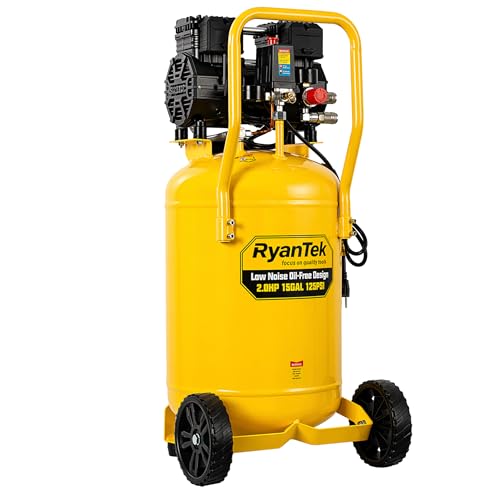
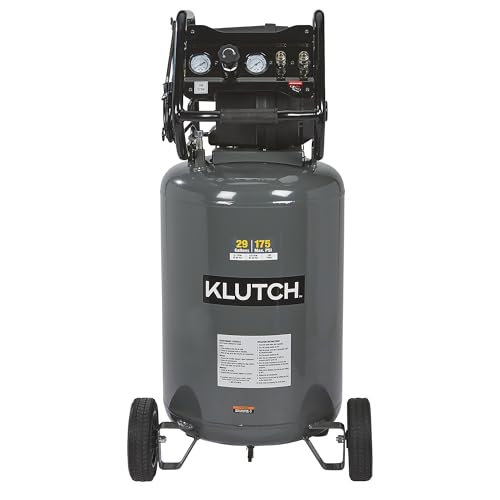
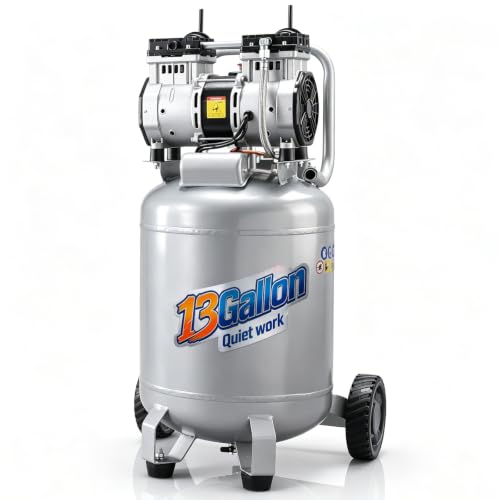
Paint spraying punishes a weak compressor fast. Pressure sags mid pass, the pattern turns coarse, and moisture from the tank can spot a fresh coat. Choosing the best air compressor for painting means matching air delivery to your spray gun first, then judging tank size, air cleanliness, and noise. The comparison table below groups compressors by the traits that matter most for spraying.
This guide stays on painting: which tank sizes suit touch ups, furniture, cabinets, and larger panels, and why a water trap matters as much as raw power.

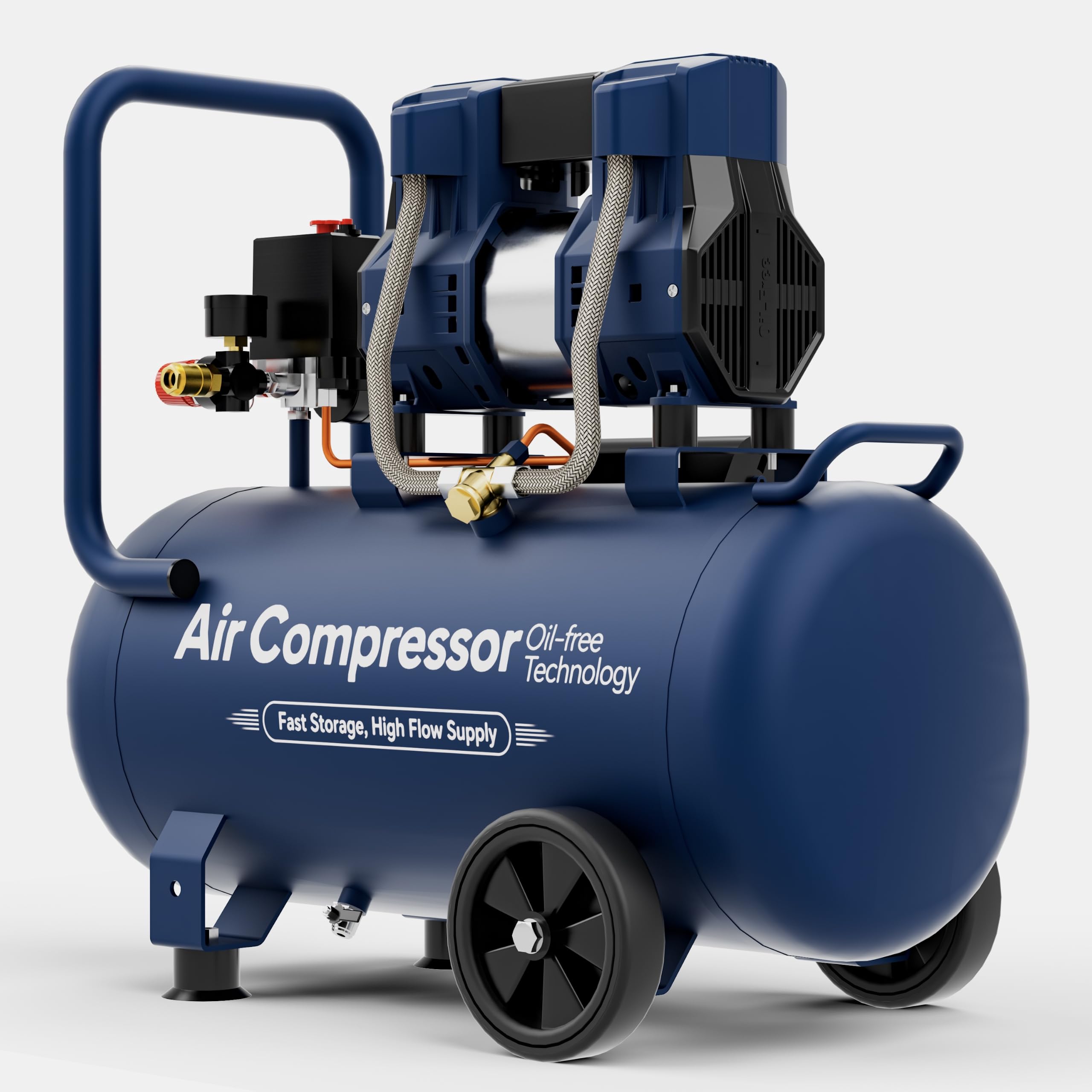
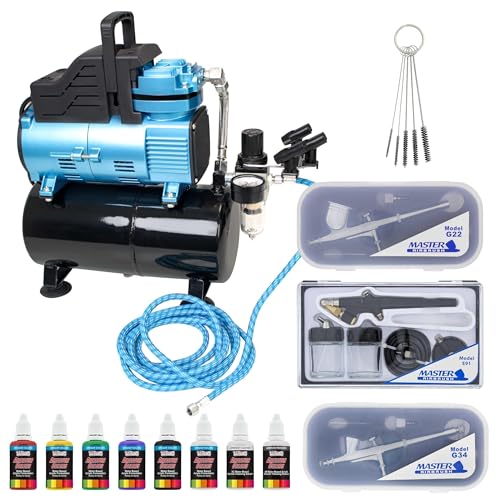
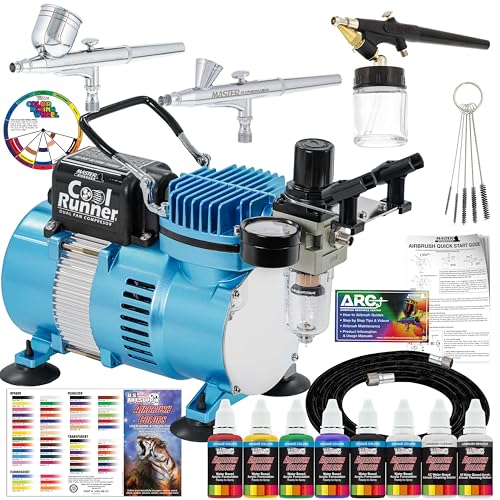
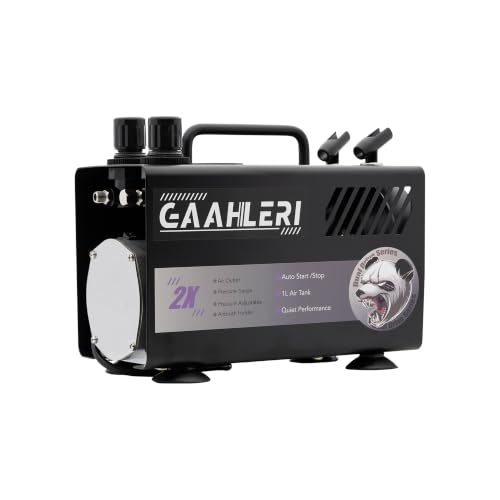

Compressor Types for Painting at a Glance
Three broad types cover nearly all home and small shop painting. They differ mainly in how long they can feed a spray gun before the motor refills the tank.
- Pancake and small twin stack models. Tanks around 6 gallons or less, light to carry. Best for touch ups, trim, and short sessions with frequent rests.
- Portable mid size models. Tanks around 8 to 20 gallons, often on wheels. A sound middle ground for furniture and cabinets, with longer spray time between refills.
- Stationary shop models. Tanks around 30 to 60 gallons that stay in one place. Built for doors and large panels, where steady airflow beats portability.
If portability tops your list, compare the best pancake air compressor options against the mid size group before deciding.
How to Evaluate a Compressor for Painting
Judge every model on the same five points: air delivery at the pressure your gun needs, tank volume and recovery speed, air cleanliness, noise and weight, and durability with warranty terms. Use maker spec sheets and manuals rather than box claims alone.
Who Should Buy Which Compressor for Painting?
Project size should set the tank you buy.
Painters Doing Touch Ups and Small Pieces
You spray picture frames, small shelves, or short sections of trim, and the gun runs for a minute or two at a time. A compact tank works here because the motor recovers while you reposition the piece or stir the paint. Portability matters more than volume, and a light unit you can carry to the work beats a large tank.
Furniture and Cabinet Painters in a Garage
You spray dressers, tables, and cabinet doors in batches, laying several passes before a part rests to dry. You need a mid size tank that holds pressure across a full door face without the motor cycling every few seconds. If this sounds like your setup, our guide to the best air compressor for home garage shows the tank sizes that suit a single bay workspace.
Shop Painters Covering Large Panels
You spray full doors, car panels, or long runs of cabinetry where stopping mid pass leaves a visible lap line. A large stationary tank gives you the reserve to finish a panel at even pressure, and a stronger motor refills that reserve quickly between coats. Weight stops mattering here, while noise and circuit capacity matter much more.
Key Features to Compare
These five factors decide whether a compressor can spray well.
Air Delivery in CFM at Your Gun Pressure
Spray guns list air use in CFM at a stated pressure, often around 30 to 50 PSI for HVLP guns, which trade pressure for a soft pattern and less overspray. Your compressor must deliver more CFM at that same pressure than the gun consumes, with margin to spare. Compare delivery figures at equal pressure only. If delivery falls short, the pattern narrows, atomization turns coarse, and orange peel texture shows in the dried coat.
Tank Size and Recovery Time
The tank is a reserve that lets the gun draw steady air while the motor catches up. A small tank empties quickly under a spraying gun, so the motor cycles often and pressure drifts as you work. A larger tank stretches each spraying burst and gives the motor longer, cooler rests. Recovery matters too: a strong motor on a mid size tank can outspray a weak motor on a bigger tank.
Clean Dry Air and Oil Control
Compressed air carries water vapor that condenses in the tank and lines, and droplets reaching the gun can crater a fresh coat. A water trap on the air line, plus draining the tank after spraying days, keeps moisture away from your finish. Pump style matters too, and our breakdown of oil vs oil free compressor designs explains the upkeep each one asks of you.
Regulator, Gauges, and Hose Connections
You set gun pressure at the regulator, so a regulator that holds its setting under flow matters more than a fancy gauge. Look for two gauges, one for tank pressure and one for outlet pressure, so you can see a droop while spraying. Standard couplers make hose swaps simple, and a hose bore that matches the gun maker guidance prevents pressure loss along the line.
Noise, Weight, and Placement
Spraying sessions stretch longer than most air tool jobs, so motor noise wears on you and on anyone nearby. Quieter models let you spray in a garage without shouting over the motor. Weight decides whether the unit rides to the work or lives in one corner. Keep the unit upwind of your spraying area, on a flat surface, with room around the motor for cooling air, since a unit sitting in overspray clogs its intake filter fast.
How to Choose the Right Air Compressor for Painting
Use the choices below to narrow the field.
Size and Form Factor
Pancake tanks sit low and store easily on a shelf. Hot dog tanks stretch longer and roll less in a truck bed. Twin stack tanks balance carry weight on a handle. Vertical shop tanks save floor space while holding the most air.
Type
Quiet models suit shared spaces. Oil free models cut routine upkeep and remove one source of oil mist near the air line. Oiled models often run longer under heavy daily use but ask for oil checks and changes. Portable models trade tank volume for mobility, while stationary models trade mobility for reserve.
Features Worth Paying For
A longer hose buys reach without moving the tank, and a quality hose stays flexible in cool weather. An accessory kit is worth paying for only when it includes a water trap, spare couplers, and a blow gun for dust control. Wheels and a pull handle pay off on any tank you move weekly.
Cordless Versus Corded and Gas Power
Paint spraying draws air without pause, and that steady demand favors a corded motor on a proper circuit. Cordless units shine for short bursts with small tools, but a battery drains fast under a spraying gun. The best cordless air compressor models still earn a place for remote touch ups away from outlets. Gas powered units serve outdoor sites with no power, though exhaust and noise keep them out of enclosed spaces.
Battery Platform
If you choose cordless for light spraying work, the battery platform decides your runtime more than the tank does. Owning packs from your other tools means spares are already charged, and a spare matters because spraying cannot pause mid coat.
Brushless Motors
Brushless motors appear on newer cordless models and some premium corded units. They waste less energy as heat, which helps a small motor hold speed under load, and they remove brush wear from your upkeep list. Treat the gain as a tiebreaker between close options.
Accessories and Warranty
Beyond the kit in the box, budget for a water trap, a spare intake filter, and couplers that match your gun. Warranty length matters less than parts access, so favor makers that sell filters, belts, and check valves through normal retail channels.
How Much Should You Spend?
Models under $100 handle the smallest spraying tasks, but most strain under a full size gun. Spending about $100 to $250 opens the mid size portable class that suits furniture and cabinets. Around $250 to $400 buys quieter motors, larger tanks, and better regulators. Budgets near $400 to $800 reach stationary shop models with strong delivery. Spend first on air delivery and tank size, since a weak motor cannot be upgraded later.
What Matters Most in an Air Compressor for Painting
Steady pressure and clean air matter more than peak PSI, a figure makers advertise loudly but painters rarely use at the gun. A compressor that holds its set pressure through a full pass, and feeds that air through a trap that strips moisture, will produce a smoother coat than a stronger unit with no filtration. Brushing avoids this shopping, but spraying wins on speed and smoothness.
Common Mistakes to Avoid
- Matching the compressor to peak PSI instead of CFM delivery at gun pressure, which starves the spray pattern of air.
- Buying a small tank for full doors or panels, which forces stops mid pass and leaves lap lines.
- Spraying without a water trap, which lets tank moisture reach the gun and spot the wet coat.
- Setting pressure by the tank gauge instead of the outlet gauge, which ignores pressure lost along the hose.
- Running the compressor on a long light extension cord, which starves the motor of voltage.
- Parking the unit inside the overspray zone, which coats the intake filter and chokes airflow.
Care and Maintenance for Painting Work
Open the tank drain after spraying days and let the moisture out, since standing water rusts the tank from inside. Clean or replace the intake filter on the maker schedule, and sooner in a dusty shop. Inspect the hose for cracks at the fittings, and store it loosely coiled out of sunlight. For the basics of drains and couplers, see our walkthrough of how to use an air compressor.
FAQs
What is the best air compressor for painting?
The right answer starts with your spray gun, not a brand name. Note the CFM your gun needs at its working pressure, then pick a compressor that delivers more than that at the same pressure, with a tank sized to your largest part. Cabinet work lands in the mid size portable class, while full panels call for a shop tank.
What should I look for in an air compressor for painting?
Beyond delivery, tank size, and filtration, check the electrical demand on the nameplate. Many mid size and shop models draw enough current to need a dedicated circuit, and sharing one invites tripped breakers mid coat. Confirm your panel can feed the unit where you plan to spray before you order.
How long does an air compressor for painting last?
Service life depends mostly on how hot the motor runs and how well the tank stays drained. A home unit used on weekends can serve for many years, while daily shop use wears pumps and check valves faster. Watch for slower refill times and new rattles at startup, since both signal wear worth a service visit.
Is an air compressor worth it for painting?
It earns its cost when you spray more than a few projects a year or own other air tools that share the tank. For a single room of trim, renting a sprayer or brushing may cost less overall. Count the hose, trap, and filters in your budget, and compare that total against rental fees for your expected painting days.
How do you clean an air compressor used for painting?
Start with the outside, since paint dust settles everywhere. Wipe the housing with a dry cloth, clear the cooling vents with a soft brush, and wash or replace the intake filter if the maker allows it. Empty the water trap bowl and wipe it clean so you can spot fresh moisture next session. Never spray solvent at the motor housing.
What is the most reliable air compressor brand for painting?
Brand alone predicts reliability poorly, because every large maker sells both light duty and heavy duty lines. Judge the specific class instead: pump build, parts availability, and a warranty backed by service centers near you. A mid range model with strong parts support will usually outlast a premium badge whose filters are hard to source.
Final Thoughts
Size the compressor to your gun and your largest project, keep the air dry, and let tank volume set your spraying rhythm. The product table above pulls the key specs side by side so you can compare delivery and tank size at a glance. To widen the search, start with our full guide to the best air compressor and narrow from there. Chosen well, the best air compressor for painting turns spraying into a calm, repeatable routine.