Best Air Compressors for Impact Wrench: Tank, CFM and Type Guide
Disclosure: We may earn a commission when you buy through links on this page, at no extra cost to you. As an Amazon Associate I earn from qualifying purchases. Learn more

The best air compressor for impact wrench use delivers steady CFM at 90 PSI. Compare portable, mid size and stationary tanks.
An impact wrench does not sip air. It gulps it in short, hard bursts, and a compressor that looks fine on paper can leave you waiting mid job while the tank refills. Choosing the best air compressor for impact wrench work comes down to airflow at working pressure, tank size, and how often you pull the trigger. The comparison table below lines up the main types on the specs that matter most.
This guide skips named product picks and focuses on the three compressor types that suit impact wrench use, the criteria that separate them, and the mistakes that leave a wrench feeling weak. Our overview of the best air compressor options for the home shop is a helpful companion read.

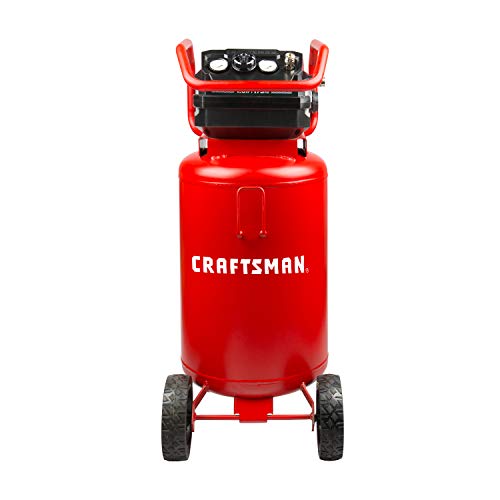
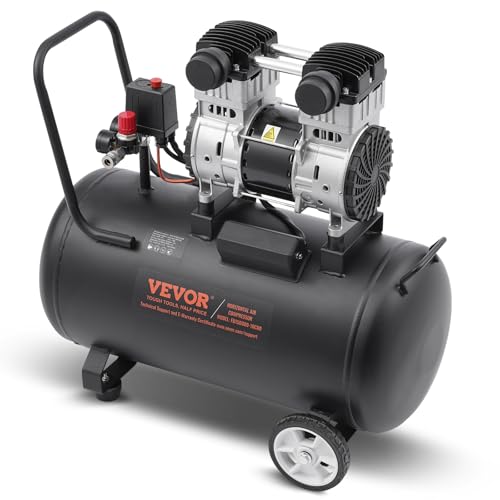


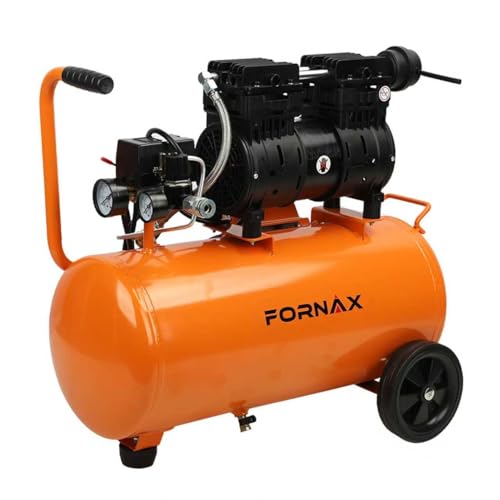
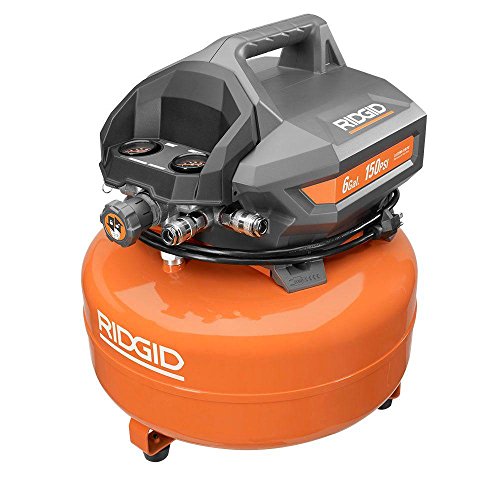
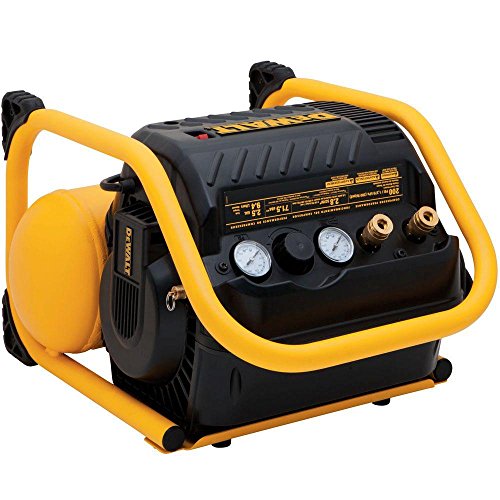
Compressor Types at a Glance
Three broad types cover almost every impact wrench job. Small portable tanks suit occasional lug nut work. Mid size shop tanks handle tire rotations and suspension bolts without long pauses. Large stationary tanks support daily shop use, where the wrench runs many times an hour and recovery time costs real working time.
- Small portable: light and easy to store, best for short bursts and one wheel at a time.
- Mid size shop: enough stored air for a full set of lug nuts in a typical home garage.
- Large stationary: steady under load, built for frequent and demanding use.
Three Compressor Types Compared for Impact Wrench Work
Small Portable Tanks for Occasional Lug Nut Work
Tanks of about 1 to 6 gallons are easy to carry to the driveway and simple to store in a corner. They can break loose properly torqued lug nuts in short bursts, but the motor restarts often and you may pause between wheels while pressure rebuilds. Choose this type if your impact work is rare, your space is tight, and you accept a slower pace for low cost and easy handling.
Mid Size Shop Tanks for Most Home Garages
Tanks of about 8 to 30 gallons give you a useful reserve of air, so the wrench keeps its strength across a full tire rotation instead of fading partway through. The compressor cycles less often and recovery feels quicker. This is the type most home users settle on, and it fits the needs described in our guide to the best air compressor for home garage setups, where the unit stays in one place most of the time.
Large Stationary Tanks for Daily and Demanding Use
Tanks of about 60 gallons and above are built for shops where an impact wrench earns its keep every day. The large reserve smooths out long runs on rusted hardware and truck wheels, and the motor runs in longer, less frequent cycles. The trade off is space, weight, and cost, and these units rarely move once installed. Pick this type only when your workload outgrows a mid size tank.
How We Chose the Criteria for This Guide
The criteria here come from manufacturer specification sheets and patterns in verified buyer feedback. We weighted airflow and pressure first, because they decide whether the wrench delivers its rated torque. Next came tank size and recovery, then noise and weight. Durability and warranty coverage rounded out the list.
How to Choose the Right Air Compressor for Impact Wrench
Airflow and Pressure Come First
Look at airflow, listed as CFM, at 90 PSI, because that is the working pressure most impact wrenches are rated at. A smaller drive wrench commonly needs about 3 to 4 CFM at 90 PSI in bursts, while a larger drive wrench often needs about 4 to 5 CFM or more. Maximum tank pressure of about 125 to 150 PSI gives the regulator headroom to hold 90 PSI at the tool.
Tank Size and Form Factor
Tank size decides how long the wrench stays strong before the motor must catch up. A 6 gallon pancake tank can handle a few lug nuts, then needs a pause. Tanks of 20 to 30 gallons stretch that working window a great deal. Form matters too. Low, wide tanks stay stable in a truck bed, tall vertical tanks save floor space, and wheeled tanks suit garages where the compressor moves between bays.
Pancake, Hot Dog, Twin Stack and Vertical Types
Pancake tanks sit low and store flat, hot dog tanks are long and narrow, twin stack tanks hold more air in a compact frame, and vertical tanks trade footprint for capacity. If you are deciding between the two most common small shapes, our explainer on pancake vs hot dog compressor designs covers the storage and stability differences. For impact work, shape matters less than the gallons and airflow behind it, so buy capacity first and shape second.
Oil Free and Oil Lubricated Motors
Oil free pumps need no oil changes and tolerate being tipped during transport, which suits portable use, but they tend to run louder and wear sooner under heavy daily loads. Oil lubricated pumps run quieter and often last longer in a fixed shop, at the cost of routine oil checks and level storage. Our comparison of oil vs oil free compressor designs covers the ownership trade offs in more depth. Match the pump to your duty level, not just to the price.
Features Worth Paying For
A clear tank gauge and tool gauge, a regulator you can adjust with gloves on, and a drain valve you can reach without tipping the unit all earn their cost quickly. A wider bore hose helps too, because narrow hoses starve the wrench of air over distance. Skip bundled accessory kits full of fittings you will never use, and put that money toward tank size or airflow instead.
Cordless vs Corded and Gas Power
Cordless compressors and inflators are handy for topping off tires, but most cannot deliver the sustained airflow at 90 PSI that an impact wrench needs, so read any cordless claim with care. On cordless models the battery platform decides runtime, a small pack sags quickly under repeated bursts, and brushless motors help by running cooler and wasting less energy per charge. Corded electric models are the normal garage choice. Gas powered units serve field and farm work away from outlets, with more noise, exhaust, and upkeep.
Accessories and Warranty
Plan on a hose rated for your working pressure, couplers that match the wrench inlet, and a tire chuck if the compressor will also handle inflation. Keep thread seal tape and a spare fitting in the drawer, since small leaks at fittings are the most common annoyance owners report. Warranty length matters most on oil free pumps that see daily use. Keep the receipt, because service often depends on proof of purchase date.
How Much Should You Spend?
Basic small tanks fall at about $100 to $200 and suit occasional home use. Capable mid size shop units commonly run about $200 to $400, and that is where most impact wrench buyers get the best balance of airflow, tank size, and noise. Large stationary models reach about $400 to $800 and beyond, justified by daily workloads rather than weekend jobs. Spending past the mid range buys recovery speed and durability, not extra torque at the wrench itself.
What Matters Most in an Air Compressor for Impact Wrench
Impact wrench work is bursty. You pull the trigger for a few seconds, move to the next fastener, and pull it again. That pattern means stored air and recovery speed shape your day more than any headline torque figure. A compressor that recovers while you reposition the socket feels strong all job long, even if its peak numbers look modest. One that lags forces a rhythm of work, wait, work, and the wait grows as fasteners get tougher.
This is also where a dedicated electric impact wrench enters the decision. If you own no other air tools and only swap wheels twice a year, a cordless electric wrench removes the compressor entirely. Air earns its place when you value a light tool in the hand, already own air tools, or do enough fastener work that a shared compressor pays for itself.
Common Mistakes to Avoid
- Buying on maximum PSI alone, which says nothing about whether the wrench holds torque once the tank starts to empty.
- Pairing a large drive wrench with a 1 or 2 gallon tank, so the motor cycles constantly and pressure fades mid fastener.
- Using a long, narrow hose that chokes airflow, then blaming the compressor when the wrench feels weak.
- Setting the regulator to full pressure for every task, which wastes air and makes smaller fasteners easy to damage.
- Ignoring circuit limits, then tripping the breaker each time the motor starts under load in a cold garage.
- Skipping the tank drain after use, so moisture builds up inside and shortens the life of the tank.
Care and Maintenance for Your Compressor
Drain the tank after each working day by opening the drain valve, because water sitting in a steel tank causes rust from the inside. Check the air filter regularly and clean or replace it when it looks loaded with dust, since a clogged filter makes the motor work harder. Listen for hissing at fittings and reseat or replace any coupler that leaks.
On oil lubricated models, check the oil level before heavy sessions and change it at the intervals the manual states. If you are new to shop air, the walkthrough on how to use an air compressor covers safe start up, pressure setting, and shut down in plain steps.
FAQ
What is the best air compressor for impact wrench?
For most home garages, a mid size shop tank of about 20 to 30 gallons with airflow of at least 4 to 5 CFM at 90 PSI is the balanced answer. It removes a full set of lug nuts without long pauses and still fits in a corner. Smaller tanks work for rare jobs, and larger tanks suit daily shop use. Your fastener size and pace, not a brand name, should make the final call.
What should I look for in an air compressor for impact wrench use?
Start with the airflow rating at 90 PSI, then tank size, then the regulator and gauge layout. One point buyers miss is the inlet fitting on the wrench itself. Many wrenches use a quarter inch inlet, and a restrictive fitting or worn coupler can quietly cut the air reaching the tool. Match quality couplers to the hose and wrench, and the compressor you buy will perform closer to its rating.
How long does an air compressor last?
A lightly used home unit can serve for many years, while a hard worked shop unit wears faster. Oil lubricated pumps generally outlast oil free pumps under heavy daily duty, because the moving parts run with constant lubrication and less heat. Draining moisture and keeping the filter clean extend service life. On some models the pump can be serviced rather than replacing the whole unit.
Is an air compressor worth it if I only remove lug nuts?
On its own, probably not. A compressor, hose, and fittings cost more than the wheel work alone justifies if that is truly your only task, and a cordless electric impact wrench handles seasonal tire swaps with no tank to drain or store. The value case changes once you add inflation, air ratchets, blow guns, or painting to the list. Buy the compressor when it becomes shared shop infrastructure, not a single task purchase.
What is the most reliable air compressor brand?
No single brand earns that title across every size and price tier, and claims based on badges alone mislead buyers. A more useful test is local support. Choose a maker with spare filters and pump parts that are easy to order, a warranty you can actually use nearby, and clear manuals for oil and filter service. A well supported mid priced unit beats a famous name with no parts pipeline.
Final Thoughts
Get the airflow at 90 PSI right, buy enough tank for your pace, and the rest of the decision gets much easier. Small tanks serve rare jobs, mid size tanks serve most garages, and large tanks serve daily work. Before you order, walk through the full air compressor buying guide to confirm your choice against your other air tools. Pick the best air compressor for impact wrench use that matches how often you work, and check the product table above once more before you buy.