Best Cabinet Saws: A Serious Workshop Buying Guide for 2026
Disclosure: We may earn a commission when you buy through links on this page, at no extra cost to you. As an Amazon Associate I earn from qualifying purchases. Learn more

Cabinet saws for serious workshops: motor power, fence accuracy, dust control and safety features explained before you buy.
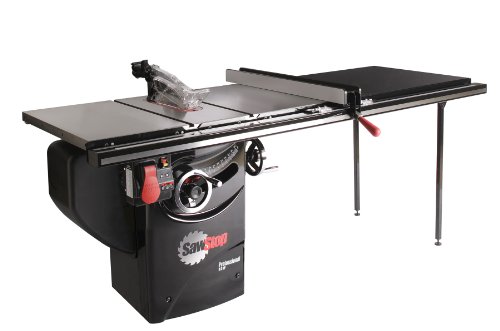
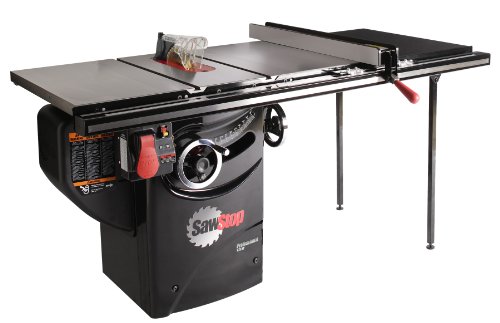
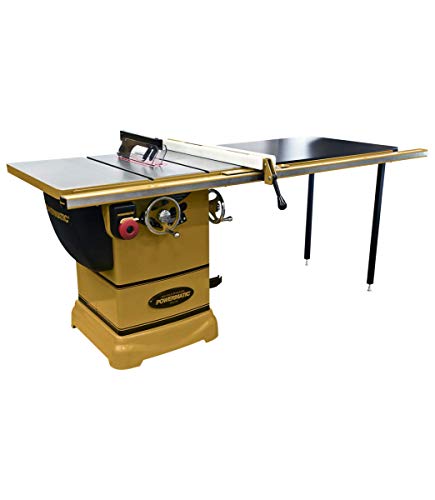
A cabinet saw is the centrepiece of a serious woodworking shop, and it is a purchase that should last decades rather than seasons. The best cabinet saws combine accurate fences, smooth powerful cutting, effective dust control, and safety features that protect hands during long sessions. The comparison table below gives a quick side by side view, and this guide explains power, accuracy, and workshop requirements in practical terms.
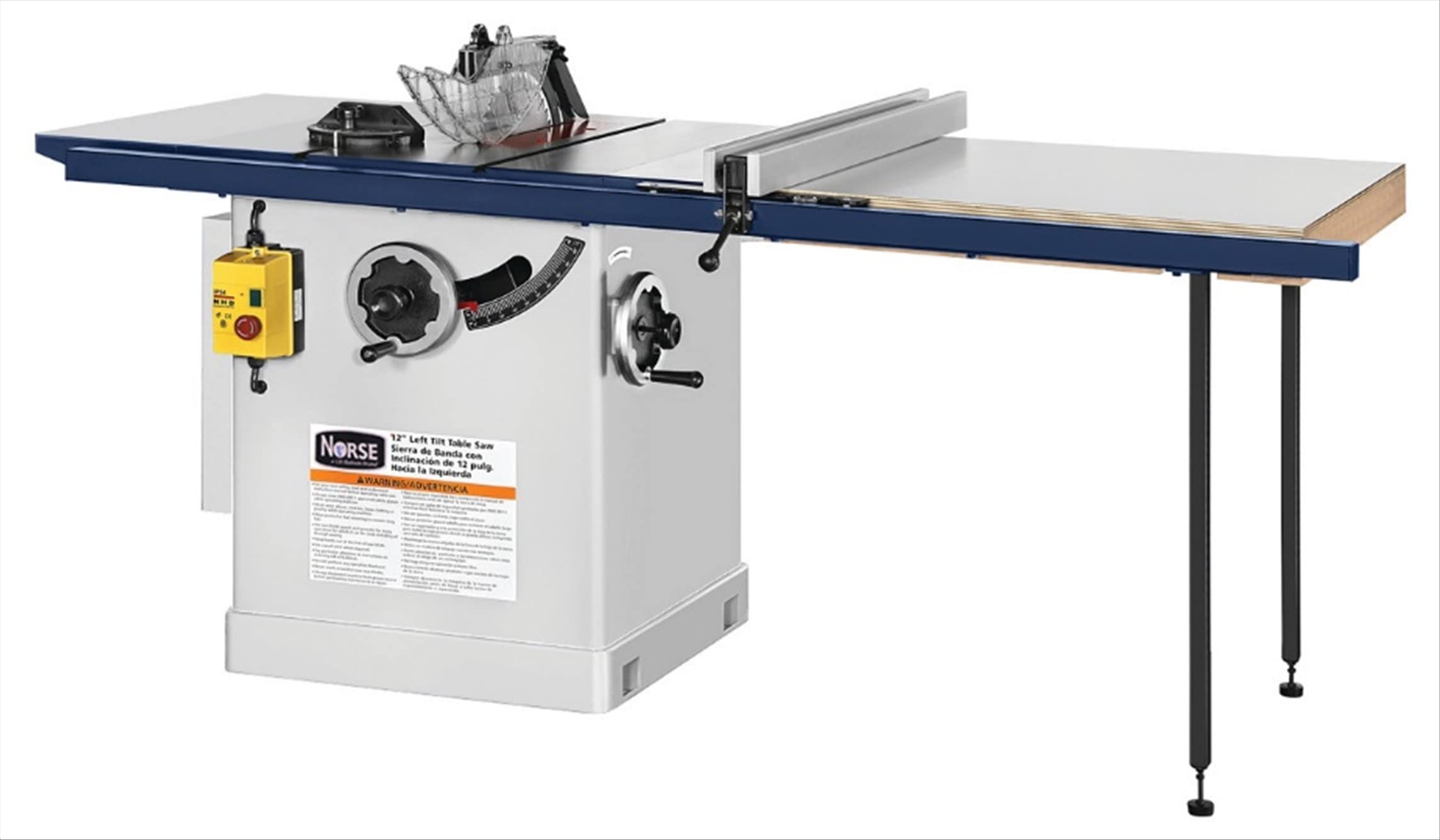
Cabinet saws differ from portable and contractor saws in weight, stability, and precision. Their enclosed cabinet, heavier trunnions, and larger tables reduce vibration and keep cuts consistent, which matters for furniture work where small errors compound across joints. That quality comes with size, weight, and electrical demands that deserve planning before delivery day.

Power and Motor Considerations
Cabinet saws typically use a larger induction motor than portable saws, which runs quieter, smoother, and cooler during long rip cuts. Power is usually stated in horsepower, but the electrical supply matters just as much: some saws run on standard household circuits, while larger models need a dedicated higher voltage circuit installed by an electrician. Check your workshop supply before ordering, since an upgrade can add cost and delay.
Also consider startup behaviour. A larger motor draws a surge on startup that can trip a shared circuit if other tools or heaters run simultaneously. A dedicated circuit for the saw prevents nuisance trips and protects other equipment. If your workshop shares circuits, discuss supply with an electrician early rather than discovering the problem on first use.
Fence Accuracy and Table Size
The fence decides cut accuracy more than any other feature. A good fence locks parallel to the blade, stays rigid under pressure, and adjusts smoothly without play. Test the fence by locking it at several widths and checking parallelism with a reliable square, since a fence that drifts even slightly produces tapered cuts and poor joints. A fence with a clear, easy to read scale and a fine adjustment control speeds repetitive work considerably.
Table size affects the work you can handle safely. A larger cast iron table supports wide panels and long boards, reducing the need for awkward balancing during cuts. Extension tables and outfeed support help further, especially for sheet goods. Measure your workshop and your typical stock sizes, and leave clear space around the saw for safe feeding and for moving around the machine without crowding.
Safety Features and Habits
Modern cabinet saws offer blade guards, riving knives, anti kickback pawls, and, on some models, flesh sensing braking systems that stop the blade extremely fast on contact. Those features reduce risk, but they do not replace safe habits: use push sticks for narrow cuts, keep hands clear of the blade path, stand slightly to the side rather than directly behind the workpiece, and never reach over a spinning blade.
Kickback deserves particular respect. It happens when a workpiece binds or lifts and is thrown back toward the operator, often faster than you can react. A riving knife, a sharp blade suited to the cut, and a fence aligned parallel to the blade all reduce kickback risk.
Keep the workshop tidy, wear eye and hearing protection, and stop work when tired, since fatigue causes most workshop mistakes. If you are new to cabinet saws, a course or experienced mentor is a wise investment.
Dust Control and Workshop Health
Cabinet saws produce large volumes of fine dust, which harms lungs over time and coats the workshop. An enclosed cabinet with a dust port connected to a capable extractor captures much of that dust at source, while an overhead guard with extraction helps further. Check dust port size and extractor airflow compatibility before buying, since an undersized extractor leaves fine dust airborne despite a good saw.
Personal protection complements extraction. Wear a well fitting dust mask rated for wood dust during cutting and cleaning, and clean the workshop with extraction or a vacuum rather than blowing dust into the air. Good dust control keeps the saw running cooler, the workshop cleaner, and your lungs healthier across years of use.
Blade Choice and Cut Quality
Blade choice changes cut quality as much as the saw itself. A general combination blade suits mixed ripping and crosscutting for many shops, while dedicated rip and crosscut blades excel at their specific tasks. Tooth count, tooth geometry, and plate flatness all affect tearout, especially on plywood and veneered panels. Keep blades sharp, since a dull blade burns wood, strains the motor, and increases kickback risk.
Also match blade kerf to your work and to the riving knife, since a mismatched kerf can bind or leave the knife ineffective. Store blades safely in cases or on wall hangers, and learn basic blade care such as cleaning pitch buildup with a suitable cleaner. A sharp, appropriate blade transforms even a modest cabinet saw into a precise tool.
A Final Check Before You Order
Before you order, confirm electrical supply, measure workshop space including infeed and outfeed clearance, and check delivery access, since cabinet saws are heavy and bulky. Confirm fence type, dust port size, and whether the saw includes a riving knife, guard, and mitre gauge, or whether those are separate purchases.
Plan installation help, since moving and levelling a cabinet saw safely needs at least two people and often a mobile base for future moves. The product table above summarises saw types, and those practical checks ensure the saw you choose fits your shop as well as your woodworking ambitions.
Workshop Layout Around a Cabinet Saw
A cabinet saw deserves a workshop layout planned around safe material flow. Position the saw with clear infeed space for long boards and outfeed space for finished cuts, ideally with a roller stand or outfeed table for sheet goods. Keep the area around the saw free of clutter, offcuts, and trailing cables, since a clear floor prevents trips during cuts when attention focuses on the workpiece.
Storage near the saw should hold blades, push sticks, fences, and safety gear within easy reach but outside the cutting zone. A wall rack for blades, a hook for push sticks, and a dedicated spot for eye and hearing protection keep essentials visible and encourage use. Dust extraction ducting should run neatly overhead or along walls, avoiding floor level hoses that trip or kink.
Lighting completes the layout. Bright, shadow free light over the saw table helps you follow cut lines accurately and notice blade or fence issues early. If natural light varies through the day, add fixed workshop lighting so visibility stays consistent. A well laid out saw station feels calm and controlled, which supports both accuracy and safety across long sessions.
Frequently Asked Questions
What electrical supply does a cabinet saw need?
Many cabinet saws run on standard household circuits, while larger models need a dedicated higher voltage circuit installed by an electrician. Check motor requirements and your workshop supply before ordering, since an upgrade adds cost and delay. A dedicated circuit also prevents startup surges tripping shared circuits, so discuss supply with an electrician early.
Why is fence accuracy so important?
The fence controls cut width and parallelism, so a fence that drifts produces tapered cuts and poor joints. A good fence locks parallel, stays rigid under pressure, and adjusts smoothly. Test parallelism at several widths with a reliable square before relying on a new saw for furniture work.
Do safety braking systems replace safe habits?
No, braking systems reduce injury severity but do not replace guards, riving knives, push sticks, and safe positioning. Keep hands clear of the blade path, stand slightly aside, and never reach over a spinning blade. Kickback prevention and fatigue management remain essential on every cut, even with modern braking systems fitted.
How important is dust extraction for a cabinet saw?
Very important, since cabinet saws produce large volumes of fine dust that harms lungs and coats the shop. An enclosed cabinet with a dust port and a capable extractor captures much dust at source. Wear a rated dust mask as well, and clean with a vacuum rather than blowing dust airborne.
What blade should a beginner cabinet saw owner buy first?
A quality general combination blade suits mixed ripping and crosscutting for most shops. Add dedicated rip and crosscut blades as work specialises. Keep blades sharp and match kerf to the riving knife, since a dull or mismatched blade burns wood, strains the motor, and raises kickback risk.
Final Thoughts
A cabinet saw rewards careful selection with decades of accurate, satisfying work. Prioritise fence accuracy, appropriate power and electrical supply, effective dust control, and safety features you will actually use, over cosmetic extras. The product table above compares saw types, and workshop measurements plus delivery planning will confirm the right model.
Take time to learn the saw, keep blades sharp, and respect kickback and dust risks on every session. Those habits, plus a well chosen machine, make a cabinet saw the reliable heart of a woodworking shop for years. That long term view defines the best cabinet saws for serious makers.