Best Aftermarket Floor Mats for 2026: What Your Money Buys
Disclosure: We may earn a commission when you buy through links on this page, at no extra cost to you. As an Amazon Associate I earn from qualifying purchases. Learn more

Best aftermarket floor mats compared by price level, fit, retention, and material, so your carpet stays protected and easy to clean.
Prices for best aftermarket floor mats run from simple flat mats to thick molded sets with raised edges, and the gap between them is wider than most buyers expect. This guide explains what each spending level actually buys, so you can spend where it protects your car and skip extras that add little. Check the product table to see example sets side by side.
Aftermarket mats replace the thin mats that came with your vehicle, and the right set should fit your footwells closely, stay anchored while you drive, and catch dirt and water before it reaches the carpet. The sections below work through spending levels, the features worth paying for, long term costs, and the questions buyers ask most.





Best Aftermarket Floor Mats: Spending Levels Explained
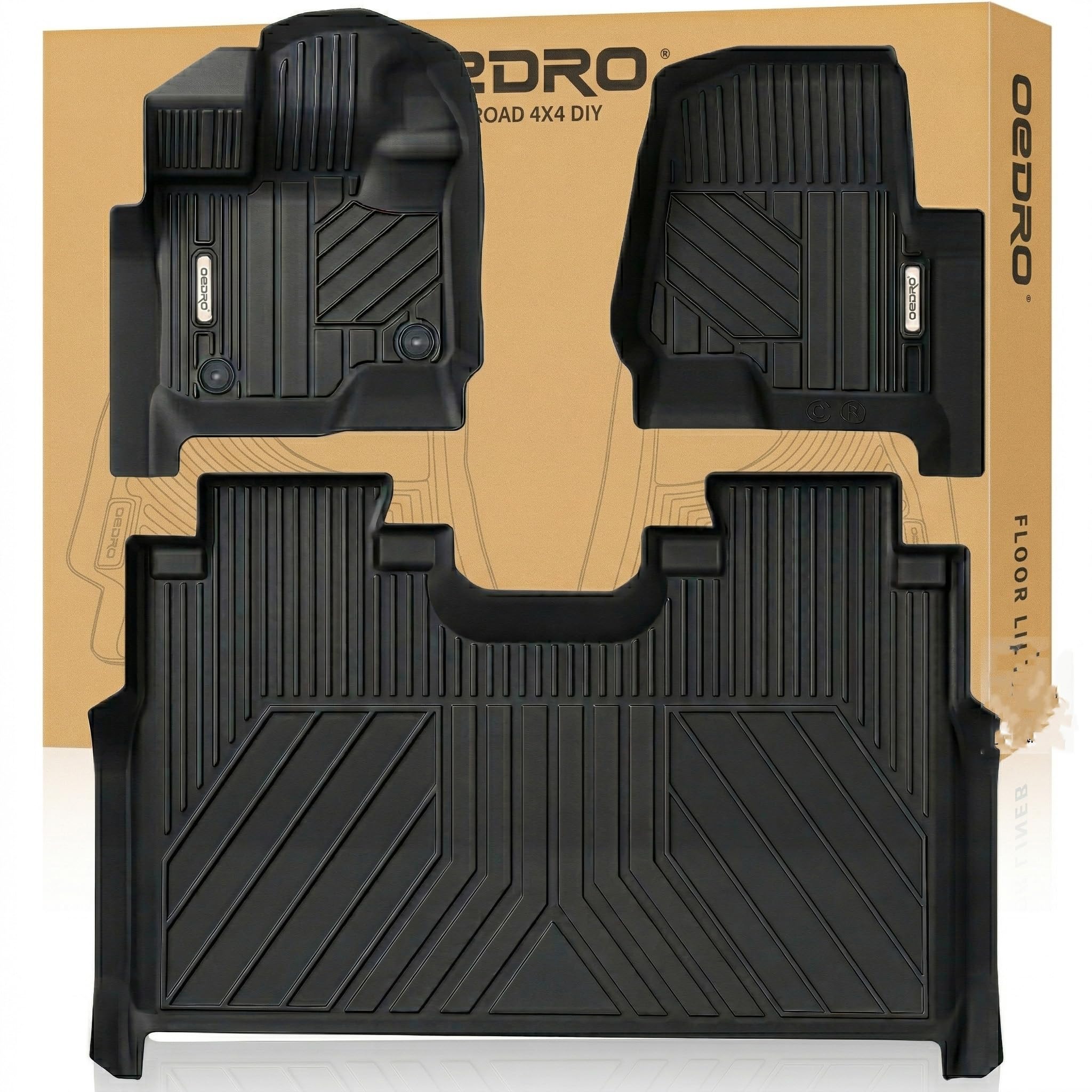
Think of mat prices in three broad levels rather than as a list of named picks. Budget mats cover the basics, mid level mats add better fit and grip, and higher priced mats add deep coverage and tougher materials. The right level depends on your climate, how dirty your shoes get, and how long you plan to keep the vehicle.
Budget Level Basics
Budget mats, at around $25 to $60 for a set, are usually flat or lightly textured rubber or carpet mats in universal sizes. They protect the carpet from everyday dirt and are easy to lift out and shake clean, but they may slide without retention clips and leave gaps at the edges. They suit dry climates and light use, where deep coverage matters less than simple protection.
Mid Level Value
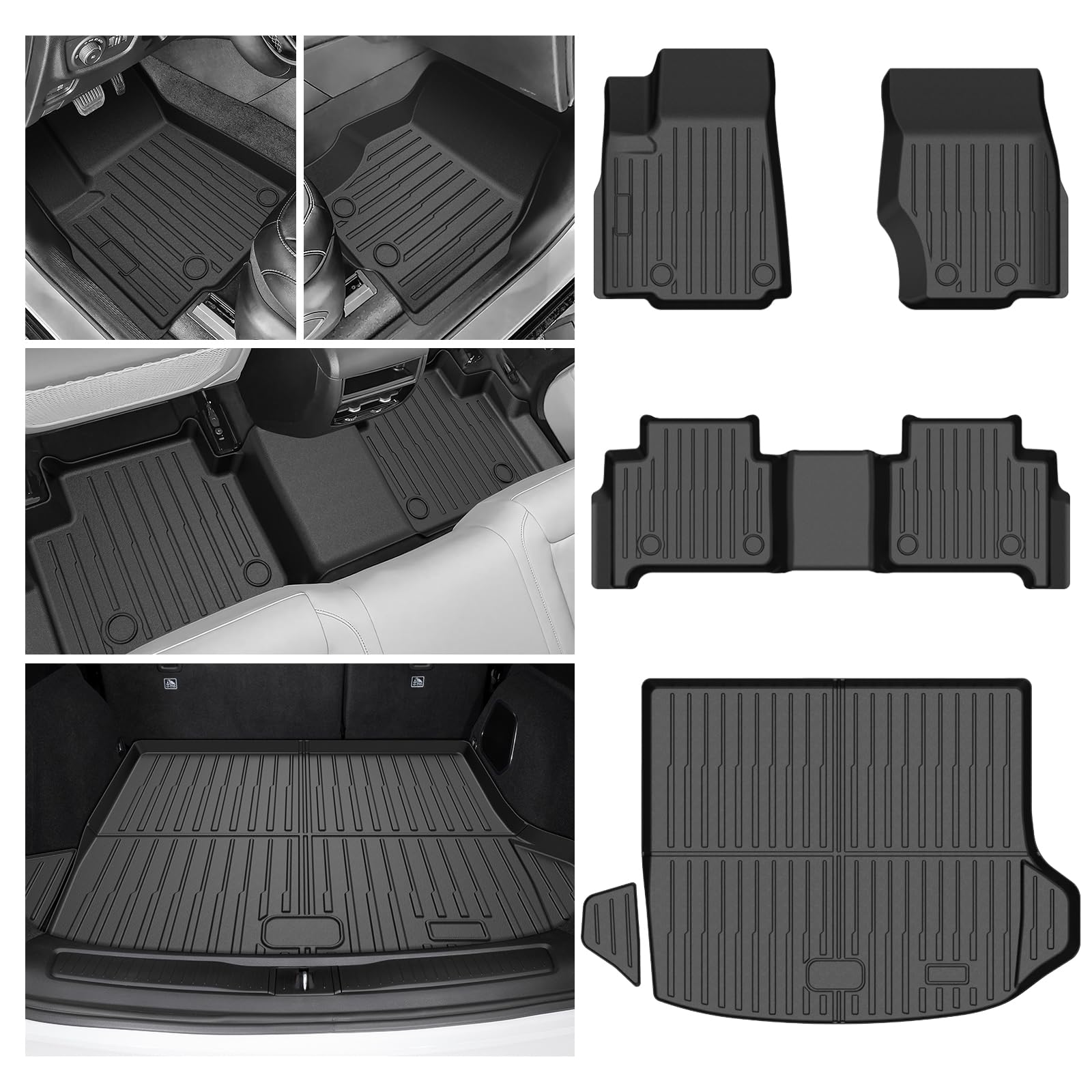
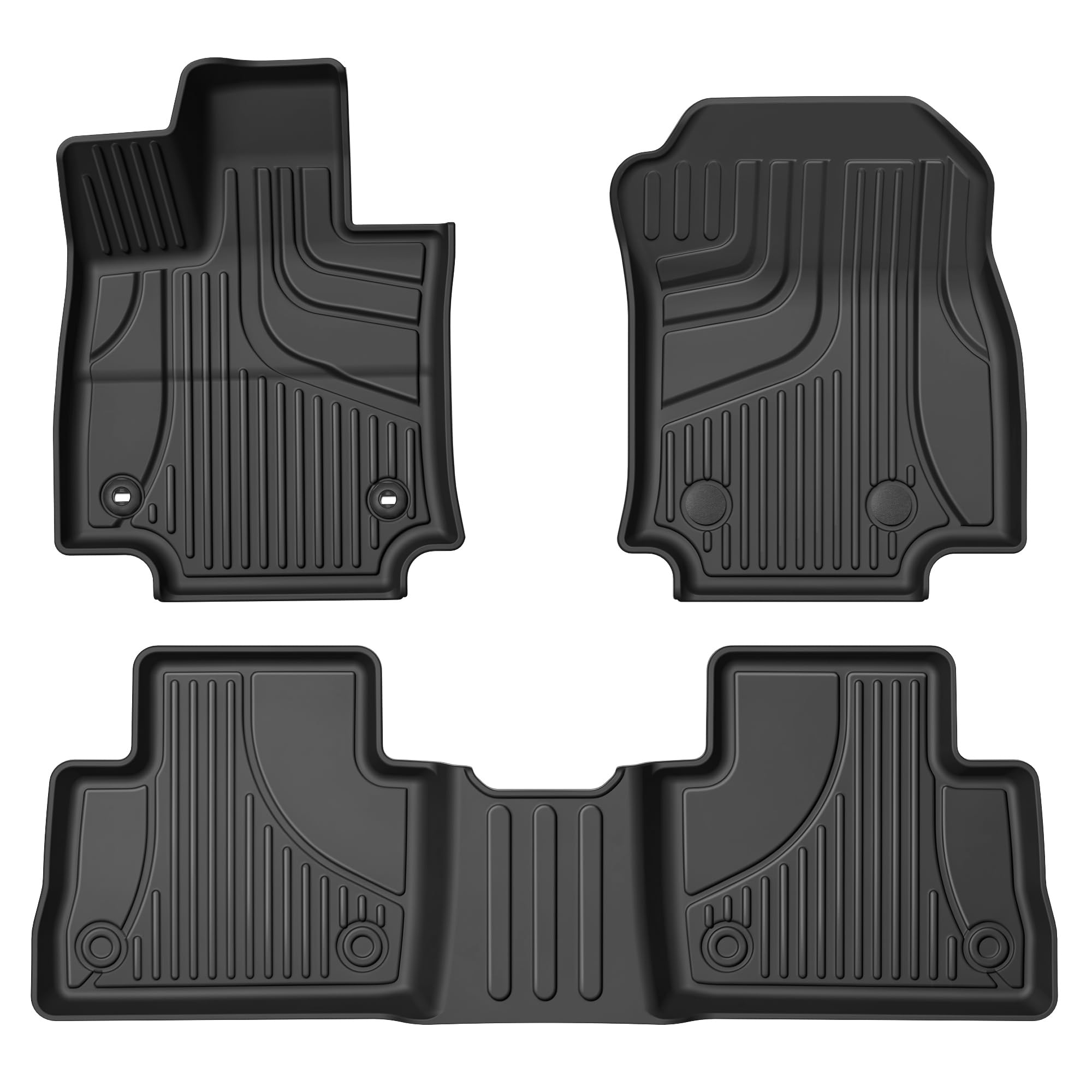
Mid level mats, at around $60 to $140, often add vehicle specific shaping, retention holes that match factory anchors, and raised edges that hold small spills. This level suits most drivers, because fit improves a lot without a big price jump, and the mats stay in place better during daily driving. Look for a set shaped for your exact model year, since a close fit does more for protection than a thicker but generic mat.
Higher Priced Coverage
Higher priced mats, at around $140 to $250, typically use thick molded material with deep channels and tall outer lips that trap water, mud, and snow melt. They suit wet climates, work vehicles, and drivers who carry muddy gear, and they often last longer under heavy use. Before spending at this level, confirm the mats still leave full pedal travel, since coverage should never come at the cost of pedal clearance.
What Your Money Gets You at Each Price Tier
Budget mats buy basic carpet protection and easy cleaning, with fit and grip as the main trade offs. Mid level mats buy a closer fit, better anchoring, and modest spill containment, which is why they fit most buyers. Higher priced mats buy deep coverage, tougher materials, and longer life, but only pay off if you face mud, snow, or heavy daily wear.
Budget Tier: What to Expect
Expect simple materials, universal sizing, and minimal edging at the budget tier, plus easy removal for cleaning. Gaps around the edges and sliding underfoot are the common limits, so check that the driver mat anchors or grips well before you rely on it. If your driving is light and mostly dry, these limits may never bother you.
Mid Tier: Strong Everyday Value
Expect vehicle specific shaping, retention features, and raised edges at the mid tier, along with materials that resist curling at the corners. This tier balances protection, fit, and price for most cars and trucks, and it is where spending a little more usually shows up in daily use. Confirm the set includes mats for the rows you actually use, since some sets cover only the front.
Premium Tier: When Spending More Pays Off
Expect deep molded channels, tall lips, and heavy duty materials at the premium tier, plus a fit shaped closely to your footwells. Spending more pays off when you face snow melt, mud, or work gear every day, because trapped water stays off the carpet and cleaning takes less effort. It pays off less for a garaged car driven gently in dry weather, where a mid level set protects just as well.
Features Worth Paying For (and Ones to Skip)
Pay for fit, retention, and coverage first, and treat cosmetic extras as optional. The features below are ordered by how much they change daily protection.
Price vs Value
Value comes from fit and durability, not from the highest price alone, so compare sets at around $25 to $60, around $60 to $140, and around $140 to $250 by what they cover rather than by price tags. A budget set that fits well can beat a costly universal set that slides, while a premium set earns its price only when its deep coverage matches your climate and use. Judge value by years of use and carpet saved, not by the first impression in the box.
Size, Weight, and Fit for Your Space
Fit matters more than thickness, because a mat that leaves gaps lets dirt reach the carpet at the edges. Vehicle specific mats follow the shape of your footwells, including the dead pedal area and the transmission tunnel, while universal mats need trimming and still may fall short. Heavier mats tend to stay put better, but weight alone does not guarantee a good fit, so check the shape against your footwells before ordering.
Safety and Certifications
Safety starts with retention: use the factory anchor points or clips so the driver mat cannot slide forward under the pedals, and never stack one mat on top of another, since stacking raises the mat height and can interfere with pedal travel. Check pedal clearance after installing any mat by pressing each pedal fully with the engine off, and remove the mat at once if a pedal catches or feels restricted. Look for maker statements about fit and retention for your vehicle rather than vague safety claims.
Intended Use and Who It Is For
Daily commuters need easy cleaning and a secure fit above all, while drivers in snow or mud need deep channels and tall lips. Truck owners often want coverage for wide footwells and rear rows, and families may want rear mats that handle spills and kicked dirt. Match the mat to your routine, not to the toughest use you can imagine, and you will spend less for better protection.
For car specific shaping, see our guide to the best floor mats for car options, which covers fit by vehicle type. Truck owners should compare coverage in our guide to the best floor mats for truck sets, while readers who want a wider look at shapes and materials can start with our guide to the best automotive floor mats overview. A simple starting point is our guide to the best floor mat basics, and drivers who want a broader market view can read our guide to the best auto floor mats choices.
Long Term Costs to Factor In
Mats themselves need little upkeep beyond rinsing and drying, but replacement timing varies with use: heavy mud and snow wear can shorten life, while gentle use can stretch a set for years. Factor in the cost of replacing a single worn driver mat versus a full set, and check whether the maker sells singles. A longer warranty can help, but only if it covers the wear you actually face, such as cracking or curling, rather than cosmetic marks.
FAQs
How long does an aftermarket floor mat last?
An aftermarket floor mat usually lasts several years, with heavy daily use shortening life and gentle dry use stretching it. Rubber mats tend to outlast thin carpet mats, while molded mats resist curling longer than flat ones. Replace a mat when it cracks, curls at the edges, or no longer stays anchored, since a shifting mat is a safety issue rather than just a cosmetic one.
Are expensive aftermarket floor mats worth it?
Expensive mats are worth it when you face mud, snow melt, or heavy work use every day, because deep channels and tall lips keep that mess off the carpet. For a garaged car driven gently in dry weather, a mid level set protects nearly as well for less money. Weigh your climate and mileage first, and spend more only when the extra coverage matches a real daily need.
How much should I spend on an aftermarket floor mat?
Most drivers do well at around $60 to $140 for a vehicle specific set with retention features and raised edges. Budget sets at around $25 to $60 suit light dry use, while sets at around $140 to $250 suit wet climates and heavy wear. Start from your climate and how dirty your shoes get, then pick the lowest level that covers that use without leaving gaps.
What features matter most when buying aftermarket floor mats?
Fit, retention, and coverage matter most, in that order, because a mat that slides or leaves gaps fails even if its material is excellent. After those three, look at material thickness, edge height, and ease of cleaning, which decide how long the mat lasts and how simple upkeep feels. Cosmetic patterns and brand styling matter least and should never outweigh a secure fit.
How do I maintain an aftermarket floor mat?
Remove the mats, shake off loose dirt, and rinse rubber mats with water, then let them dry fully before refitting so moisture does not sit under them. Vacuum carpet mats first, then spot clean stains with a mild cleaner and allow them to dry before use. Check the retention clips and pedal clearance each time you refit a mat, and replace any mat that has curled or cracked.
Our Verdict
Choose the lowest spending level that gives you a close fit, secure retention, and enough coverage for your climate, and never let coverage compromise pedal clearance. Mid level vehicle specific mats suit most drivers, while premium molded sets earn their price in mud and snow. With fit and safety checked, one of the best aftermarket floor mats sets will protect your carpet for years, and the product table above shows the options to compare first.