
Best Aftermarket Speakers for Bass: Everything to Know Before Your First Purchase for 2026
Disclosure: We may earn a commission when you buy through links on this page, at no extra cost to you. As an Amazon Associate I earn from qualifying purchases. Learn more

A first time buyer guide to the best aftermarket speakers for bass, explaining driver size, frequency response, power, placement, and common mistakes to avoid.
If your music feels thin and you are shopping for speakers with real low end weight for the first time, the listings can be confusing. Every box promises deep bass, yet speaker sizes, power figures, and frequency numbers mean very different things from brand to brand. This guide explains the best aftermarket speakers for bass in plain terms, whether you are upgrading a car system or adding speakers at home, so your first purchase delivers the punch you are imagining.
We will start with how speakers make bass, translate the key specs into everyday language, and flag the mistakes that waste money for new buyers. The comparison table below gathers the main options in one place. As you read, keep your room or vehicle, your listening volume, and your amplifier in mind, because bass depends on all three working together.


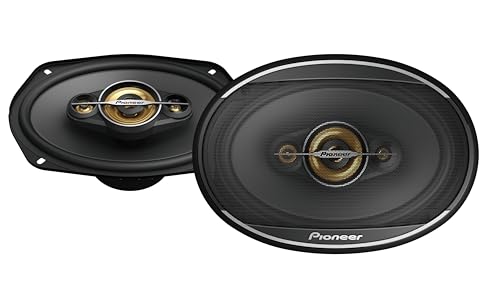
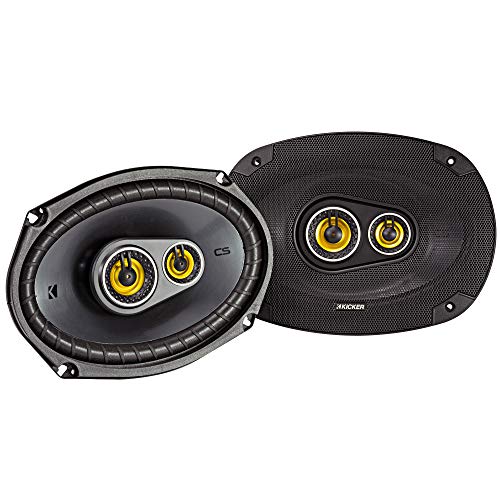


Aftermarket Speakers 101: The Basics
Aftermarket speakers are replacements or additions made by audio brands rather than the maker of your car, stereo, or original equipment. Bass, the low frequency part of music roughly below 200 Hz, comes from moving air, and moving air takes cone area and excursion. That is why larger woofers and well built enclosures produce fuller low end than small drivers working hard. A speaker rated down to 40 Hz can reproduce the deep notes in most music, while claims far below that deserve a closer look.
Two terms will follow you through every listing. Sensitivity tells you how loud a speaker plays with a given amount of power, and higher sensitivity means more volume and bass presence from a modest amplifier. Power handling, stated in watts RMS, tells you how much continuous power the speaker can take safely. Match the two to your amplifier and bass stops being a guessing game. Car focused readers can go deeper with our guide to the best aftermarket car speakers for bass.
Key Specs Explained in Plain English
Features That Matter for Bass
Bass focused buying starts with driver size and enclosure thinking. A 6.5 inch car door speaker can give satisfying punch, while home bookshelf speakers with similar drivers add cabinet volume that deepens the low end further. Look for stiff cone materials that hold their shape under power, rubber surrounds that allow long excursion, and a frequency response that reaches at least the 50 Hz region for music. A dedicated subwoofer remains the honest answer for the deepest notes, and many first systems grow into one later.
Sound Quality and Tuning
Good bass is tight and textured, not a single boomy note that drowns the vocals. Listings cannot prove that, but design clues help: a well braced cabinet or a properly sized car enclosure, a crossover that hands low notes to the woofer cleanly, and reviews of the category that praise control rather than sheer loudness. Tuning controls matter too. A bass level knob or a simple equalizer lets you pull back the low end in a small room where walls exaggerate it, which keeps the sound balanced at normal volume.
Placement and Room Size (for Speakers)
Placement changes bass more than almost any spec sheet line. Home speakers placed near a wall or corner gain low end fullness, sometimes too much, while speakers pulled into the room sound leaner and cleaner. Small rooms load bass quickly, so a compact speaker often satisfies where a large one overwhelms. In a car, door speakers benefit from sealed, sound deadened doors that stop the panel flexing. Before spending more, experiment with position, because free placement gains beat paid upgrades surprisingly often.
Comfort, Fit, and Weight
For speakers, comfort means fit and handling rather than anything you wear. Check mounting depth and cutout diameter for car doors, because a deep magnet can foul a window mechanism, and confirm shelf speakers actually fit your shelf with room for cables behind them. Weight hints at build quality in cabinets and magnets, yet it also decides whether a portable speaker is pleasant to carry. A speaker you dread moving will not get used outdoors, so match size and weight to how you will really live with it.
Noise Cancellation and Isolation
Noise cancellation belongs to headphones, not speakers, so listings that stress it for a speaker deserve a skeptical read. What matters instead is your listening environment: a quiet room lets you hear deep bass at modest volume, while a noisy space or an open car window pushes you toward more power and efficiency. Isolation works the other direction too, since strong bass travels through walls and floors. If neighbors are close, a smaller system played cleanly will keep the peace better than a large one turned down.
Rookie Mistakes to Avoid
- Chasing the lowest frequency number alone. A response figure without a tolerance, such as plus or minus 3 dB, can flatter a speaker that is actually quiet at that depth.
- Buying peak watts instead of RMS. Peak figures are marketing, while RMS ratings tell you what the speaker and amplifier can sustain together.
- Skipping the amplifier match. Underpowered speakers distort when pushed, and that distortion, not raw power, is what usually damages drivers.
- Ignoring fit measurements. Mounting depth, cutout size, and shelf space decide whether your new speakers install at all, so measure before ordering.
- Expecting subwoofer depth from small speakers. Physics sets limits, so plan a subwoofer later if you want the lowest octave rather than blaming a good bookshelf or door speaker.
Getting Started: Setup and First Use
Start by wiring carefully: keep polarity consistent on every speaker, because one reversed connection cancels bass dramatically. Set gains and bass boost conservatively at first, play familiar music at moderate volume, and adjust in small steps. Keep firmware updated on powered and wireless models, since updates often improve Bluetooth stability and equalizer behavior. Store portable speakers in a case to protect drivers during travel, and keep all speakers out of damp storage so surrounds and cones stay healthy.
Give new speakers a few days of normal listening before judging them, partly because your ears need time to adjust to a fuller low end. If bass sounds boomy, move the speakers a little farther from walls or reduce the bass control one step. If it sounds thin, check polarity and placement before assuming the speakers are at fault. Home listeners building a room system from scratch may also enjoy our broader guide to the best bass speakers.
Aftermarket Speakers: Your Questions Answered
What features matter most in aftermarket speakers for bass?
Driver size, honest low frequency extension, sensitivity, and enclosure fit matter most. Together they decide how much air the speaker can move and how cleanly it does so with your amplifier. A speaker with moderate specs that fits your space and power will outperform an extreme specification sheet installed badly. Treat bass boost features as seasoning, not the main ingredient, because clean output at your real listening volume is the goal.
Do I need a special codec?
No, you do not need a special codec to enjoy strong bass from wireless speakers. Standard Bluetooth carries the full low frequency range, and support for AAC or aptX mainly refines fine detail in quieter passages. What matters more is a stable connection and enough amplifier power in the speaker itself. If you stream mostly from a phone, codec differences will be the smallest part of what you hear, especially in a car or a busy room.
What IP rating do I need for outdoor use?
For a portable speaker used outdoors, IPX5 resists rain and splashes, while IP67 adds dust protection and brief immersion, which suits pool decks and beach trips. Indoor and car speakers need no IP rating at all, so do not pay extra for sealing you will never use. Remember that the rating covers the speaker, not your phone, so keep the source device sheltered. Our guide to the best bass wireless speakers covers outdoor ready options in more depth.
Is ANC worth the extra cost?
Active noise cancellation is a headphone feature, so it is not worth paying for in a speaker, where it cannot work in open air. Spend that money on driver size, cabinet quality, or a better amplifier instead. If background noise is your real problem, placement and a modest volume increase solve more than any cancellation claim. In a car, door deadening quiets the cabin and improves bass at the same time, which is money doubly well spent.
Wired or wireless: which sounds better?
Wired speakers hold a small edge in consistency, because the signal never compresses and the connection never drops, which is why car and home systems stay wired. Good wireless speakers come very close for everyday listening and add placement freedom that often improves bass more than the codec costs it. Choose wired for a fixed install you will keep for years, and wireless when the speaker moves between rooms, patios, and trips. Many buyers end up with both over time.
How long does the battery last?
Portable bass heavy speakers typically run about 8 to 20 hours per charge, and loud bass playback sits at the short end of that range because low frequencies demand the most power. Turning the volume down a little extends runtime a lot, since power needs rise steeply near maximum output. Car and home speakers draw from the vehicle or the wall, so battery life does not apply. For travel, our look at the best portable speakers with bass compares runtimes across sizes.
The Bottom Line
Buy for air movement and fit first: a driver sized for your space, honest RMS and sensitivity figures that match your amplifier, and measurements that confirm the speaker will install cleanly. Then use placement to finish the job, because position shapes bass as much as hardware does. Readers comparing formats can round out their research with our overview of the best aftermarket speakers. Chosen that way, the best aftermarket speakers for bass in the product table above will give your music the weight you have been missing.


