
Best Aftermarket Speakers for F150: Budget, Midrange, and Premium Options for 2026
Disclosure: We may earn a commission when you buy through links on this page, at no extra cost to you. As an Amazon Associate I earn from qualifying purchases. Learn more

Learn how the best aftermarket speakers for f150 differ by price tier, which features matter for your cab, and how to match power and fit before you buy.
Truck audio prices run from pocket change door speakers to component sets that cost more than a set of tires, and the listings rarely explain where the money actually goes. Factory F150 speakers are built to a price, with light cones and modest magnets, so an upgrade is one of the most satisfying changes you can make to the cab. The challenge is knowing which best aftermarket speakers for f150 shoppers should focus on at each budget.
This guide is organized by money. You will see what each price tier realistically delivers, which features change the sound in a truck cab, and which ones you can skip. Use it with the comparison table below, and confirm fitment for your model year before you order anything.
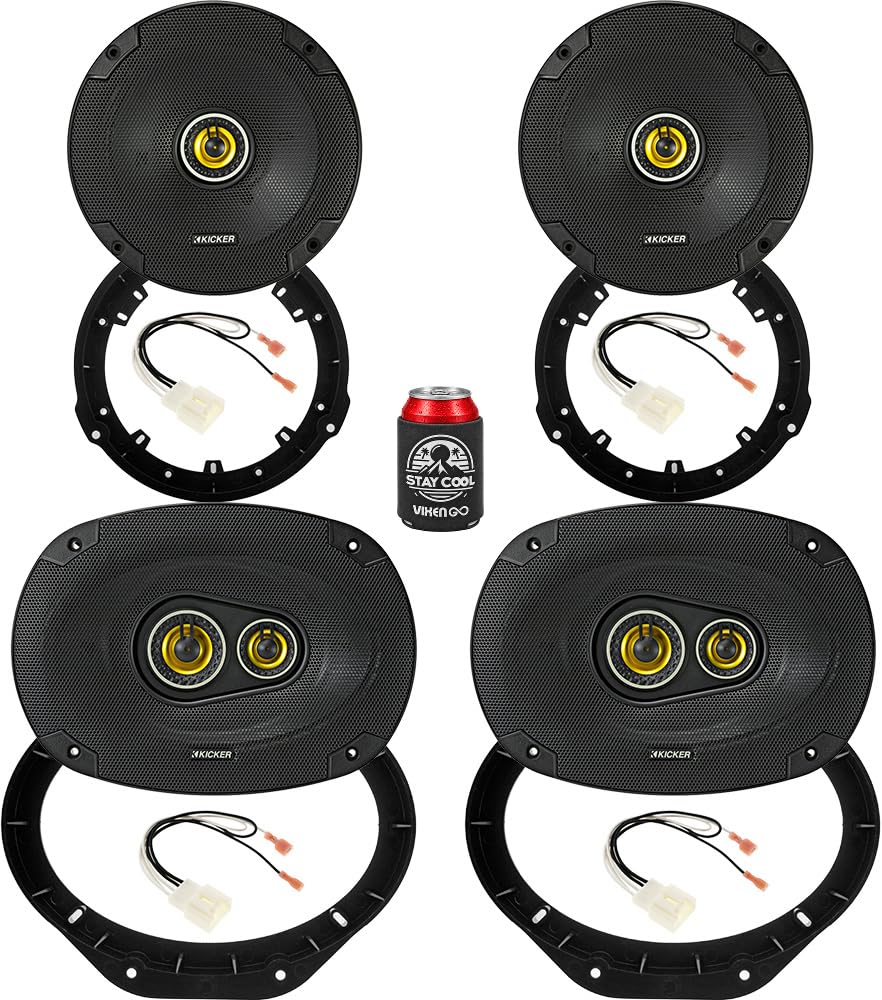

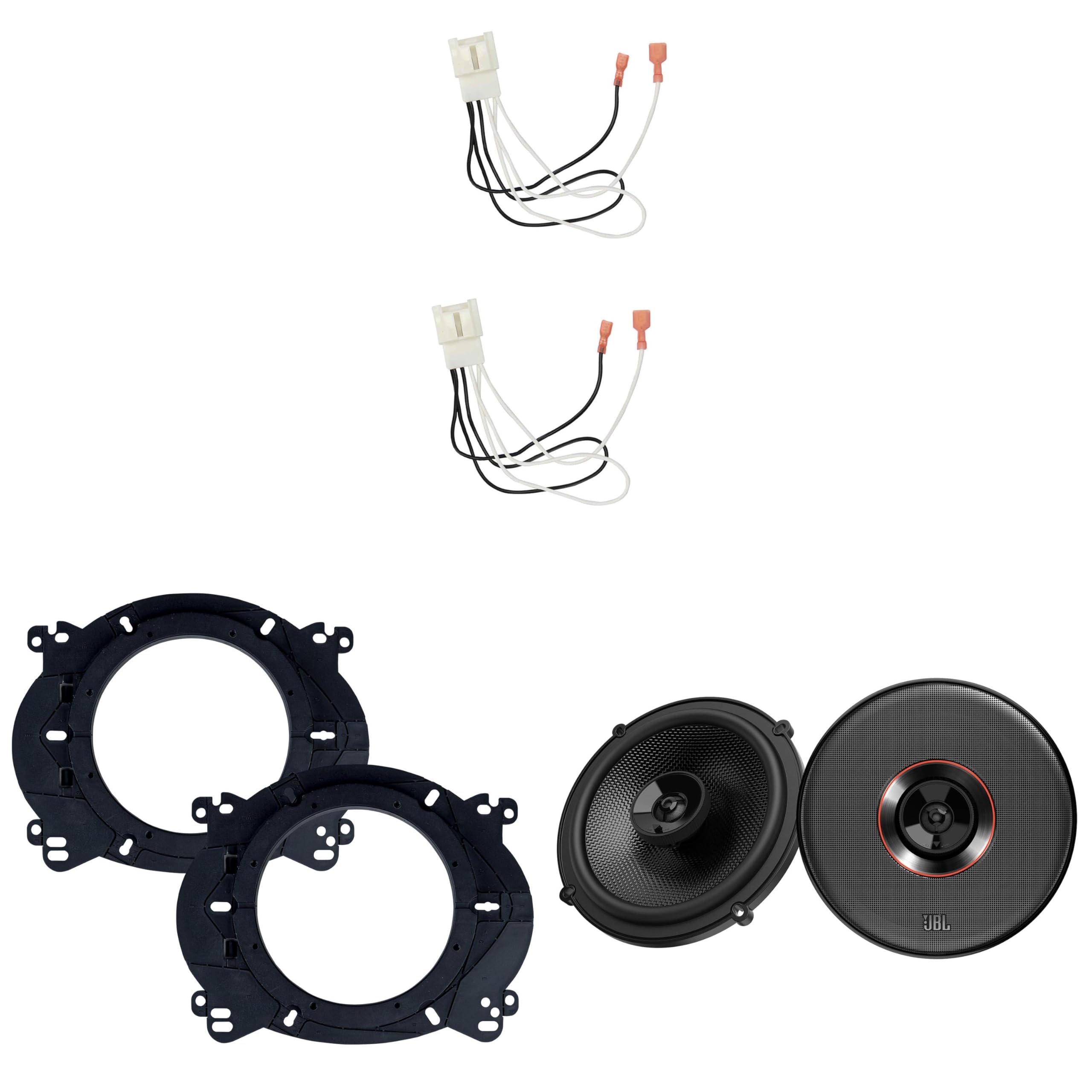

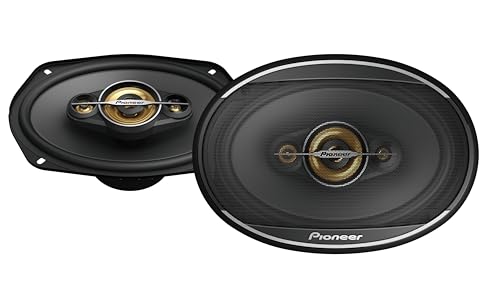


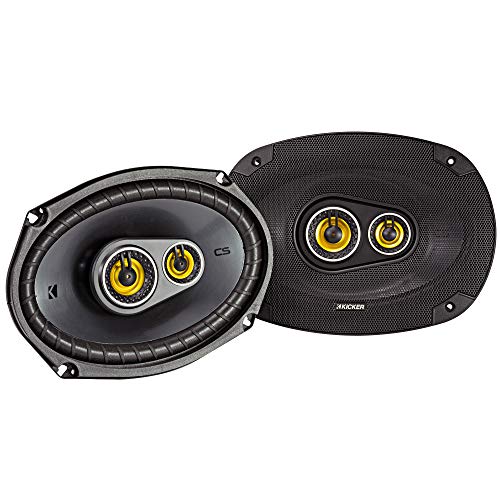
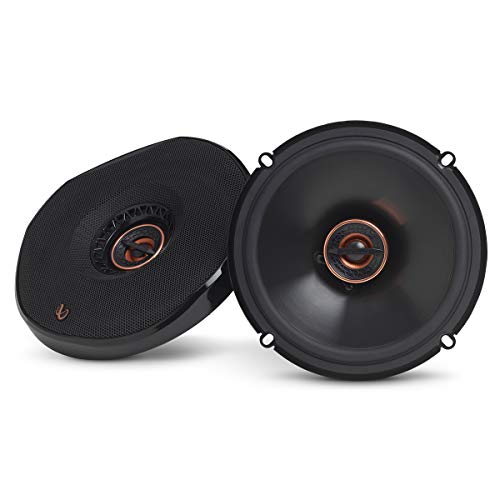

Choosing by Budget: Criteria for Each Tier
Budget Tier Criteria
Around $40 to $80 per pair is the budget zone, and the right goal here is a clear step up from factory sound rather than audiophile detail. Look for coaxial speakers with a polypropylene or similar weather tolerant cone, a sensitivity rating around 90 dB or higher so the factory head unit drives them loudly enough, and mounting hardware included in the box. At this level you accept a simpler tweeter and less bass depth. What you should not accept is a paper cone, vague power ratings with no RMS figure, or a fitment claim that does not name your cab style and year.
Midrange Tier Criteria
Around $90 to $180 per pair is where most owners should shop. This tier buys better tweeter materials such as silk or soft dome designs, stronger magnets, and crossovers that blend the woofer and tweeter more smoothly. Component sets with separate tweeters also appear here, and they lift the soundstage up toward ear level in the big F150 cabin. Judge midrange sets on honest RMS power handling, a sensitivity that suits your amplifier plans, and adapter brackets made for Ford doors. This is the tier where vocals stop sounding muffled and long drives get noticeably easier on your ears.
Premium Tier Criteria
Around $200 to $400 per pair and up buys refinement rather than loudness. Expect rigid lightweight cones, cast baskets that resist vibration, detailed crossovers, and tweeters that stay smooth at high volume. Premium sets reward owners who add an amplifier, because they convert extra clean power into clarity instead of distortion. They make less sense on a factory head unit alone, where the built in amplifier cannot feed them properly. If your truck is a work vehicle with a noisy cab and open windows, premium detail is wasted, so spend the difference on sound deadening instead.
What Your Money Gets You at Each Price Tier
Budget Tier: What to Expect
Budget speakers deliver clarity first. Dialogue, podcasts, and vocals become easier to follow at highway speed, and the thin buzz of tired factory cones disappears. Bass improves modestly, mostly in tightness rather than depth, because small door speakers cannot move much air. Build quality is adequate rather than luxurious, with stamped baskets and basic terminals. For a truck that came with worn or blown factory speakers, this tier is a repair and an upgrade in one box, and it pairs happily with the stock head unit. Start your search in our wider guide to the best aftermarket speakers if you want the general picture before narrowing to the truck.
Midrange Tier: The Sweet Spot for Most Buyers
Midrange sets add the two things budget speakers lack, which are tweeter quality and power handling. Music gains separation, so you can pick out a guitar line inside a busy mix, and the speakers stay composed when you turn the volume up on a loud road. This tier also brings better moisture protection for door mounting and sturdier connectors. Most owners who install one upgrade and stop here report the biggest satisfaction per dollar, because the jump from budget to midrange is easy to hear on the first song. Owners comparing truck specific options can cross check with our guide to the best speakers for f150.
Premium Tier: When Spending More Pays Off
Spending more pays off when the rest of your system supports it. With an amplifier delivering clean power and doors treated with deadening material, premium speakers reveal quiet details, keep bass lines distinct, and avoid the harsh edge that cheaper tweeters show on bright recordings. Without that support, the same speakers can sound underwhelming, because a weak head unit clips before the speakers reach their stride. Premium also buys longevity, with materials that tolerate heat cycles in a parked truck cab for years. Treat this tier as part of a system plan, not a standalone splurge.
Features Worth Paying For (and Ones to Skip)
Sound Quality and Tuning
Sound quality in a door speaker comes from driver size, cone stiffness, and honest tuning rather than from a long feature list. Larger woofers move more air for fuller midbass, while the frequency response range matters less than how flat that response is. Neutral tuning suits most listeners, because boosted bass and treble tire your ears on long drives. If your head unit offers an equalizer, a neutral speaker gives you room to adjust. Spend on cone and tweeter materials first, and treat flashy wattage claims on the box as marketing.
Fit, Mounting Depth, and Weight
Fit is the feature that decides whether installation takes an hour or a weekend. F150 door speaker sizes vary by model year and cab, so confirm the exact size, often a 6 by 8 inch or a 6.5 inch format, plus the mounting depth your door allows before the window mechanism gets in the way. Shallow mount designs exist for tight doors. Adapter brackets and wiring harnesses made for Ford trucks turn the job into simple hand tool work. Our guide to the best aftermarket door speakers explains size and depth checks that apply across vehicles.
Features That Matter for F150
The F150 cab is wide, the doors are large, and road noise from big tires is real, so certain specifications matter more than they would in a small car. High sensitivity matters because many owners keep the factory head unit, and an efficient speaker plays louder on the same power. Tweeters you can aim or mount higher help in a tall cab where door speakers fire at your legs. Moisture resistance matters because door cavities get wet. Match RMS power handling to your actual amplifier, and read our guide to the best speakers for ford f150 for model year notes.
Microphone Quality
Speakers do not contain microphones, so call quality in your truck depends on the microphone built into your head unit or an add on Bluetooth kit, not on the door speakers themselves. What speakers do change is how clearly you hear the other person, and a midrange set with clean vocal response makes calls far easier to follow over road noise. If callers say you sound distant, the fix is microphone placement near the visor or a better head unit, not new speakers. Keep this in mind so you budget for the part that actually solves the problem. Shoppers comparing whole car systems can also see our guide to the best aftermarket speakers for car.
Long Term Costs to Factor In
The speakers themselves are only part of the bill. Budget for wiring harness adapters and mounting brackets at around $15 to $40, and consider sound deadening material for the doors at around $50 to $120, which improves bass and cuts road noise at the same time. Professional installation, if you prefer it, commonly costs around $100 to $250 per pair depending on your area. An amplifier, if your tier needs one, adds its own cost plus a wiring kit. Quality speakers last for many years, so the long term cost that matters most is doing the installation once, correctly, with connectors that will not corrode in a damp door.
Frequently Asked Questions
What features matter most in aftermarket speakers for f150?
Fitment for your model year, sensitivity, and honest RMS power handling matter most. A speaker that matches your door size and depth installs cleanly, high sensitivity plays well on a factory head unit, and a truthful RMS rating tells you whether an amplifier upgrade will help or hurt. Tweeter quality comes next, because it shapes vocal clarity in a noisy cab.
How long does the battery last?
Car speakers have no battery, so there is nothing to charge or replace. They draw power from your truck electrical system through the head unit or amplifier, and they work whenever the audio system is on. The related concern is playing music for hours with the engine off, which drains the truck battery itself. Keep listening sessions with the engine off short, especially in cold weather.
Wired or wireless: which sounds better?
Door speakers are wired by design, and that wired connection from the head unit or amplifier is what delivers full power and consistent quality. Wireless enters the picture only at the source, when your phone streams to the head unit by Bluetooth. A wired source connection can sound slightly cleaner, but for music in a moving truck the difference is small. Put your money into the speakers and installation rather than into exotic cables.
Is ANC worth the extra cost?
Aftermarket door speakers do not offer active noise cancelling, so there is no ANC upgrade to buy in this category. The truck equivalent is reducing noise at its source with door deadening material, good door seals, and quieter tires. Those changes lower the noise floor so your speakers need less volume to sound clear. Spend on deadening before spending on more amplifier power.
What IP rating do I need for outdoor use?
You do not need an IP rating for speakers mounted inside F150 doors, because formal IP ratings belong to portable and outdoor audio gear. What you do need is moisture tolerance, since door cavities collect condensation and rain runoff from the window seals. Look for cones and surrounds that resist humidity, and avoid paper cones. If you want music outside the truck at a campsite, that is a separate portable speaker purchase.
Do I need a special codec?
No special codec is required for door speakers, because codecs describe how Bluetooth audio is compressed between your phone and your head unit. If call and music quality over Bluetooth matters to you, check which codecs your head unit and phone share, such as AAC or aptX where supported. The speakers simply play what the head unit sends them. A better head unit improves this link far more than any speaker choice.
Our Verdict
Confirm fitment for your year and cab first, then buy the highest tier your head unit or amplifier can honestly support, which for most owners is the midrange. The product table above collects the options worth comparing. Judged that way, the best aftermarket speakers for f150 upgrade is the one that fits cleanly, plays clearly over road noise, and still sounds good years from now.


