
Best Aftermarket 6x9 Speakers for Every Need: How to Choose the Right One in 2026
Disclosure: We may earn a commission when you buy through links on this page, at no extra cost to you. As an Amazon Associate I earn from qualifying purchases. Learn more

Match the best aftermarket 6x9 speakers to how you drive with a clear guide on power, sensitivity, fit, and materials, so music sounds full at any volume.
There is no single 6x9 speaker that suits every car and every listener. A speaker that thrills a bass fan on a factory stereo can disappoint a commuter who mostly listens to podcasts, and the best aftermarket 6x9 speakers for your car depend on your power source, your music, and where the speakers mount.
This guide starts with use cases, then explains the specifications that matter in plain language, so you can match features to your driving instead of paying for numbers you will never hear. Begin with the comparison table below, then check your use case in the next section.

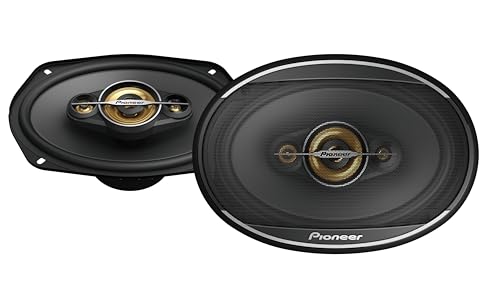
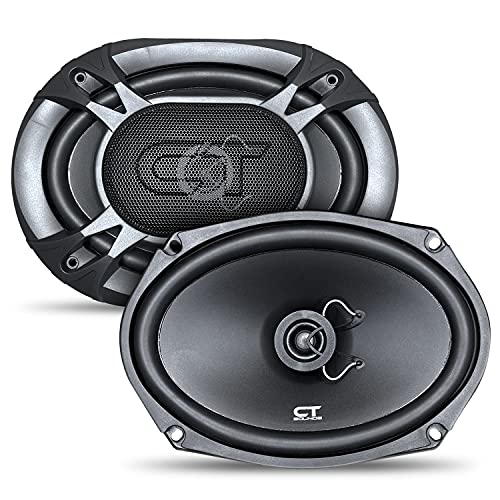


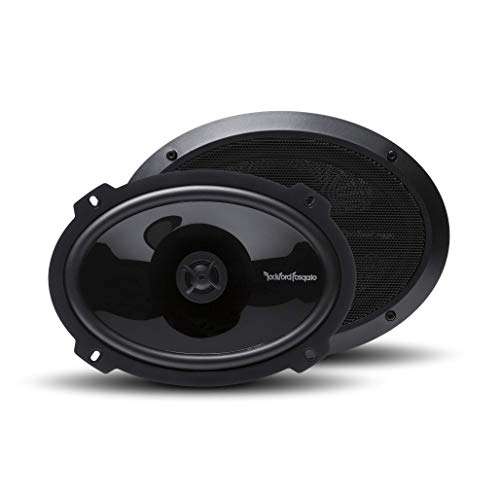


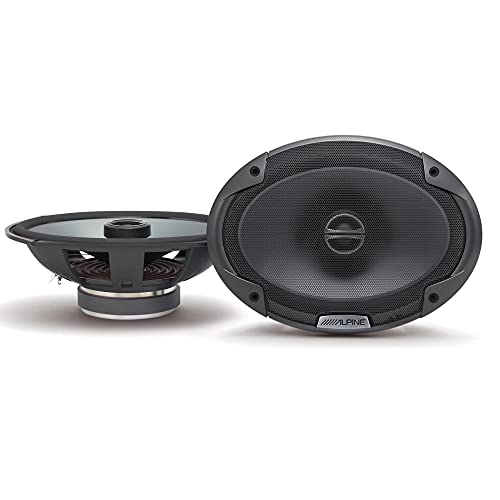
Who Should Buy Which Aftermarket 6x9 Speakers?
Find the description closest to your driving. Each one names the features to prioritize and the type of speaker that usually fits, without tying you to a specific model.
For Travelers and Commuters
Long hours at highway speed mean road noise competes with your audio, so clarity at moderate volume matters more than maximum loudness. Prioritize high sensitivity, rated around 91 dB or above, so a factory head unit produces satisfying volume without strain. A two way coaxial design with a clear, slightly forward tweeter helps voices and lyrics cut through tire noise. Durability counts too: choose cones and surrounds that tolerate daily temperature swings in a parked car. If most of your listening is talk and acoustic music, balanced tuning beats heavy bass emphasis.
For Remote Workers and Creators
If your car doubles as an office for calls or a studio reference for content, vocal accuracy is the priority. Look for smooth midrange response, since voices live there, and a tweeter that stays clean rather than harsh during long listening. Your microphone lives in your head unit or phone setup, not in the speaker, but a speaker that reproduces voices faithfully makes calls easier to follow at low volume. Creators checking mixes should choose neutral tuning over boosted bass or treble, and readers comparing options in our guide to the best sounding 6x9 speakers will find more detail on tonal balance.
For Students and Everyday Users
Everyday drivers usually want a clear step up from worn factory speakers at a fair price, often around $50 to $100 per pair. A standard two way coaxial pair with moderate power handling matches a factory stereo well and installs in an afternoon. Focus on fit first: confirm the 6x9 opening, mounting depth, and whether your car needs adapter brackets or a wiring harness. Skip paying for high power ratings you cannot feed. A modest pair installed correctly will sound better than an ambitious pair starved by a weak factory amp.
Key Features to Compare
Specifications only help when you connect them to what you hear. The four areas below decide most of the real world difference between the best aftermarket 6x9 speakers you are considering and the rest of the shelf.
Power Handling and Sensitivity
Judge power by the RMS rating, which describes continuous power a speaker can handle, not the inflated peak number on the box. Match RMS to your source: factory stereos often deliver only about 15 to 25 watts per channel, so a speaker rated around 30 to 60 watts RMS with high sensitivity suits them. If you run an external amplifier, higher RMS ratings give headroom for clean loud playback. Sensitivity is the efficiency figure that predicts volume per watt, and for low power systems it matters more than any other number.
Sound Quality and Tuning
The oval 6x9 cone moves more air than a round 6.5 inch speaker, which is why this size is loved for stronger bass without a subwoofer. Frequency response figures tell a rough story, but tuning decides whether bass sounds tight or boomy and whether treble feels crisp or tiring. Silk dome tweeters tend to sound smooth, while metal domes sound brighter and more detailed. Drivers who want maximum low end should read our guide to the best 6x9 speakers for bass, and those chasing overall fidelity should see the best sound quality 6x9 speakers guide before deciding.
Voice and Call Clarity
Speakers do not contain microphones, yet they strongly affect how clear calls and navigation prompts sound in the cabin. A speaker with a clean midrange and low distortion at talking volume keeps voices intelligible over road noise, so you can keep the volume lower and still follow every word. Avoid heavily bass boosted tuning if calls dominate your driving, because excess low frequency energy masks consonants. A center image that stays stable, helped by matching left and right speakers, also makes spoken directions easier to place and follow.
Materials, Durability, and Moisture Resistance
Door mounted speakers live in a harsh place: rain runs inside door panels, sun bakes rear decks, and temperatures swing hard. Polypropylene cones with rubber surrounds handle moisture and heat far better than paper cones with foam surrounds, which can rot in a few years. Look for coated or treated materials and sturdy baskets if your car lives outdoors. Speakers carry no meaningful IP rating like portable gear does, so material choice is your real protection. Our guide to the best sounding 6x9 car speakers discusses how cone materials shape long term sound as they age.
Common Mistakes to Avoid When Buying Aftermarket 6x9 Speakers
- Judging by peak power. Peak watts are a marketing number; RMS watts and sensitivity predict real performance with your stereo.
- Ignoring mounting depth. A speaker that is too deep hits the window mechanism in a door or fails to seat in a rear deck.
- Overbuying for a factory stereo. Power hungry speakers on a weak head unit often sound quieter and thinner than efficient ones.
- Skipping the wiring check. Confirm polarity, connector type, and whether a harness adapter is needed before the door panel comes off.
- Forgetting the warranty. Keep the receipt and note the warranty length, since door speakers fail from moisture more often than from power.
Tips to Get the Most From Your Aftermarket 6x9 Speaker
Installation quality shapes the result as much as the speaker itself. Seal the mounting surface so air does not leak around the basket, because leaks weaken bass. Add modest sound deadening material to the door skin behind the speaker to cut rattles and tighten midbass. Set your head unit equalizer flat for the first week, then adjust in small steps; large boosts add distortion. Recheck mounting screws after a month of driving, since vibration loosens them. Finally, keep the balance and fader centered while you evaluate, and compare with the wider category in our guide to the best aftermarket speakers if your car uses mixed sizes front and rear.
Frequently Asked Questions
Do I need an amplifier for 6x9 speakers?
No, not if you choose efficient speakers with sensitivity around 91 dB or higher and moderate RMS ratings. A factory stereo will drive those to comfortable volume with clean sound. An amplifier becomes worthwhile when you listen loudly for long stretches, choose low sensitivity speakers, or want stronger and tighter bass. Start without one, live with the result for a few weeks, and add power only if you regularly reach the volume limit and hear strain.
Will 6x9 speakers fit my car?
They fit only if your car has 6x9 openings or room to adapt, most often in rear decks and some doors and cargo areas. Measure the opening, the mounting depth behind it, and the distance to any window track or trunk spring before ordering. Many cars need a simple adapter bracket or spacer, which is normal and inexpensive. Never assume fit from the model name alone, because trim levels of the same car sometimes use different speaker sizes.
Coaxial or component 6x9 speakers: which sounds better?
Component sets, with a separate tweeter you can aim at ear level, usually image better and sound more detailed. Coaxial speakers, with the tweeter mounted in the center of the woofer, install far more easily in factory locations and cost less. In a rear deck, where speakers fire upward behind you, coaxial designs lose little and save real money. In front doors, components earn their price. Match the format to the location rather than buying one format for the whole car.
Can 6x9 speakers give good bass without a subwoofer?
Yes, within limits. The large oval cone produces fuller low frequencies than smaller speakers, and a sealed, rattle free mount lets you hear that output clearly. Expect satisfying punch for rock, pop, and podcasts, but not the deep, physical rumble of a dedicated subwoofer on electronic or hip hop tracks. Correct polarity matters enormously: if one speaker is wired in reverse, bass nearly vanishes. Check both sides with the same bass heavy track before blaming the speakers.
How long do aftermarket 6x9 speakers last?
A well chosen pair typically lasts five to ten years, with surrounds and moisture exposure deciding most of the lifespan. Rubber surrounds and synthetic cones outlast foam and paper by years, especially in doors. Distortion is the fastest killer: a small amplifier or stereo driven into clipping damages tweeters quickly even at modest ratings. If sound turns harsh at volumes that used to be clean, reduce the level and inspect for a torn surround or a loose mount.
The Bottom Line
Match sensitivity and RMS power to your stereo, confirm fit and mounting depth, and choose materials that survive life inside a door. Those three checks do more for your result than any brand debate. The best aftermarket 6x9 speakers for you are the ones tuned to your listening and powered correctly, so compare your finalists in the product table above and buy for your use case, not for the biggest number on a box.


