
Best All Around Car Speakers of 2026: Complete Buying Guide
Disclosure: We may earn a commission when you buy through links on this page, at no extra cost to you. As an Amazon Associate I earn from qualifying purchases. Learn more

Learn how to choose the best all around car speakers with clear guidance on sizing, RMS power, materials, install options, and value for daily driving.
Factory speakers often sound thin, muddy, or harsh once you turn the volume up on the highway. Choosing best all around car speakers means finding a balanced upgrade that handles music, podcasts, and calls clearly without forcing a full system rebuild. This guide walks you through fit, power handling, and materials so you can compare the options in the product table with confidence.
You do not need the loudest setup or the most expensive components to hear a real improvement. A well matched pair that fits your doors, works with your head unit, and installs cleanly will sound better day to day than a powerful pair that rattles or clips.

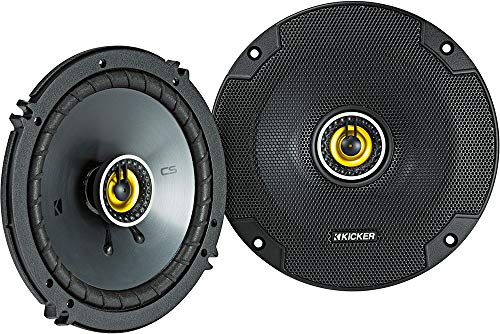

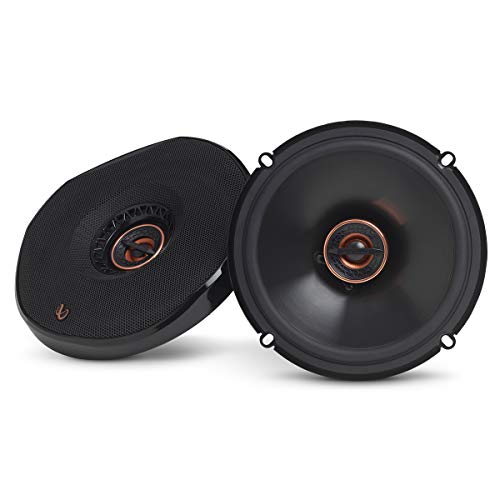


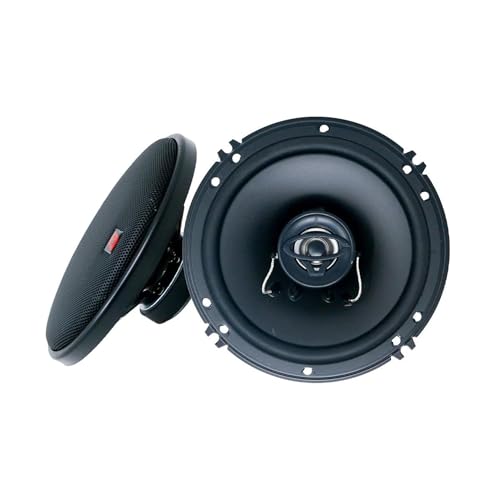


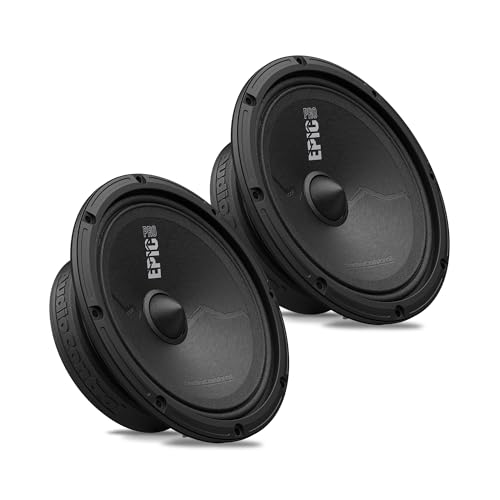
Three Upgrade Levels at a Glance
Use these three price tier profiles to decide what level of upgrade makes sense for your car, your listening habits, and how long you plan to keep the vehicle.
Balanced Tier
For most drivers, the balanced tier around $100 to $250 per pair offers the clearest step up. You typically get sturdier cones, separate tweeters or well tuned coaxial designs, and RMS ratings that match common aftermarket head units. This tier suits mixed playlists and longer drives. The main limit is bass depth, since door speakers alone rarely replace a dedicated low frequency driver.
Value Tier
Value focused pairs under $100 can still fix the worst flaws of worn factory speakers, especially faded highs and distortion at modest volume. Look for clear sensitivity ratings and simple mounting hardware. If you want deeper guidance on tone alone, see our guide to the best sounding car speakers for how voicing differs. The trade off here is usually simpler materials and less output headroom.
First Install Tier
If this is your first install, favor pairs sold as direct fit for common door sizes with included grilles, adapters, and clear wiring notes. Ease matters more than peak power claims. A straightforward coaxial design avoids separate tweeter placement and crossover wiring. You can always add amplification later if the speakers have sensible RMS headroom.
How to Choose the Best All Around Car Speakers
Start with fit, then power, then sound character. Reversing that order is the most common buying mistake. The sections below follow the order a careful installer would use, so you can rule out unsuitable options quickly before you compare prices.
Vehicle Compatibility
Check your year, make, trim, and factory speaker locations before anything else. Common sizes include 6.5 inch door speakers and 6 by 9 inch rear deck speakers, but many cars use shallow mounts or integrated brackets. Measure mounting depth and confirm whether an adapter is needed. Focus on diameter, depth, and connector type.
Practical know how: photograph the factory speaker and its plug before you order. That one photo prevents most returns, because it shows depth, screw pattern, and whether you need a harness adapter.
Build Quality and Weather Resistance
Door speakers live in a harsh spot. They face temperature swings, vibration, and moisture that runs down inside the door panel. Polypropylene or treated composite cones handle that environment better than untreated paper. Rubber surrounds usually outlast foam surrounds, which can crumble with age and heat. Metal or sturdy plastic baskets resist flex that can muddy midrange notes.
Tweeters deserve a quick check too. Silk dome designs often sound smoother for long listening, while metal domes can sound brighter and more detailed at low volume. Neither is automatically better. Match the tweeter character to your taste and to how reflective your cabin glass and dash surfaces are.
Features and Extras
Useful extras include rotating tweeters on coaxial speakers, included wiring harnesses, and crossovers that keep harsh frequencies away from small drivers. Aimable tweeters help when factory locations point sound at your legs instead of your ears. Built in crossovers keep the design simple, while external crossovers in component sets give cleaner separation at a higher install effort.
Skip extras that do not serve sound in your car. Flashing lights, app controls, and power bank style features belong to other products and add nothing to a door speaker. If you are comparing broader home and car options together, our overview of the best all around speakers explains how room speakers and car speakers differ in purpose.
Ease of Installation
Many coaxial pairs are close to plug and play when you have the right harness adapter, panel tools, and foam tape for rattles. Component sets take longer because you must mount separate tweeters and route crossover wiring. Budget about one to two hours for a first door pair if you work slowly and test before you refit panels.
Practical know how: test each new speaker at low volume before you put the door panel back on. Catching a loose connector or reversed wire now takes minutes, while finding it later means removing the panel again.
Warranty and Brand Support
Look for at least a one year warranty and clear support for mounting questions. Keep your receipt and note the RMS and impedance ratings in case you add an amplifier later. Good support matters most for fitment help, replacement grilles, and matching a second pair for the rear doors so front and rear tone stay consistent.
Safety Features
Safe wiring matters more than any headline feature. Always disconnect the negative battery terminal before wiring audio, use insulated connectors, and keep speaker wire away from sharp metal edges. Correct polarity matters for sound and safety, so follow the marked positive and negative terminals carefully. Never tap into airbag wiring or modify safety circuits to power audio gear.
If you feel unsure around door airbags or complex factory amplifiers, professional installation is a sensible cost. A short shop visit protects both the car electronics and your warranty.
Performance Specs
Focus on RMS watts, not peak watts. RMS describes continuous power handling, while peak numbers describe brief bursts and are easy to inflate. Match speaker RMS range to your source, whether that is a factory head unit at low output, an aftermarket stereo, or a small amplifier. Sensitivity also matters, since higher sensitivity speakers play louder with less power, which helps if you keep the factory stereo.
Impedance is usually 4 ohms in car audio, but some factory systems use 2 ohm speakers. Replacing them with a mismatched load can sound quiet or strain the amplifier. For readers comparing a full stereo path, our guide to the best car stereo speakers covers how head unit power shapes this choice. If bass is your main gap, read about the best sub speakers for car rather than expecting small door speakers to do that job.
Types of Car Speakers
Speaker type decides install effort and sound more than brand does. The three groupings below cover most sensible upgrades for daily drivers.
Compact and Portable Options
In speaker terms, compact means shallow mount and small format designs for tight doors, kick panels, or rear side panels. They suit older cars and vehicles with limited depth. You gain fit and easier installation, but you give up some bass and maximum volume compared with full depth 6.5 inch designs.
Budget and DIY Options
Budget DIY pairs suit owners who can handle basic panel removal and want a clear improvement without an amplifier. They work well in commuter cars and second vehicles. Keep expectations grounded: you will hear cleaner vocals and less distortion, but not deep bass or concert level output. Pair them with sound deadening scraps behind the speaker if your budget allows one extra step.
Pro Grade Options
Higher tier component sets with external crossovers suit listeners who plan to add an amplifier and spend time on placement and tuning. They reward careful installation with better imaging and detail. They are a poor value if you will power them only from a weak factory unit and skip tuning, because their strengths need clean power to show.
Setup and Care Tips
- Check your owner manual and door measurements for exact speaker size and depth before ordering.
- Disconnect the battery before wiring audio and reconnect only after every connection is insulated and secure.
- Use foam rings or tape around the mount to reduce rattles and improve the seal against the door panel.
- Set gains and equalizer controls conservatively at first, then adjust in small steps to avoid distortion.
- Keep door drain holes clear so water does not pool around the speaker, and inspect surrounds yearly for cracking.
- If you compare radio focused setups, see our notes on the best car radio speakers for simpler source units.
Frequently Asked Questions
Will it fit my vehicle?
It will fit if the diameter, mounting depth, and screw pattern match your factory location or an adapter is available. Check trim specific notes, because premium factory systems often use different sizes. Bring your measurements and a photo of the factory unit when you shop, and confirm return terms in case the depth is tighter than listed.
What specs matter most?
Fit, RMS range, sensitivity, and impedance matter most for daily driving. Together they decide whether the speaker installs cleanly, plays loud enough without distortion, and works safely with your stereo or amplifier. Frequency response ranges look impressive on boxes but vary by test method, so treat them as rough guidance rather than a ranking tool.
Do I need professional installation?
You do not need professional installation for most basic coaxial swaps if you are comfortable removing door panels. Choose a shop when your car has door airbags near the work area, a complex factory amplifier, or component tweeters that need new mounting holes. Paying for one careful install often costs less than replacing a broken panel clip set and wiring twice.
How long does it last?
A quality pair often lasts five to ten years in a daily driver when it is not overdriven. Heat, moisture, and constant distortion shorten that life. Foam surrounds age fastest, while rubber surrounds and composite cones tend to last longer. If sound becomes scratchy at low volume, inspect the surround and connections before assuming the stereo failed.
The Bottom Line
Prioritize exact fit, sensible RMS matching, and durable cone and surround materials above peak power claims. Choose the tier that matches your install confidence and how long you will keep the car, then use the product table to narrow your shortlist. When you choose best all around car speakers this way, you get clearer sound on every drive without overspending on power you will never use.


