
Best Aftermarket Speakers 2026: A Buying Guide
Disclosure: We may earn a commission when you buy through links on this page, at no extra cost to you. As an Amazon Associate I earn from qualifying purchases. Learn more

A clear guide to aftermarket speakers, covering car fit, power handling, sound balance, and sensitivity for a better daily drive listening experience.
Shopping for the best aftermarket speakers is mostly about fit, power and sound balance, not brand names. A speaker that matches your door or dash opening and your stereo's output will beat a pricier model that does not. The comparison table below gives a quick overview of options to shortlist.
Instead of chasing the lowest price or the flashiest spec, start with the car you drive and the stereo you have. That narrows the field quickly and helps you spend money where it changes the sound.

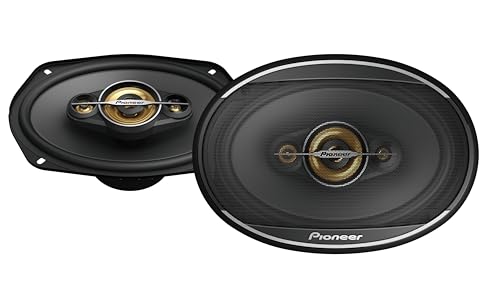


Who Should Buy Aftermarket Speakers?
Different drivers get different gains from an upgrade. Find your group below, and the rest of the guide gets easier to apply.
Car owners upgrading weak factory sound
Factory speakers are often paper cones with small magnets, built to a cost. Swapping them for coaxial speakers with a polypropylene cone and a silk or similar tweeter usually gives clearer vocals and tighter bass, even on the stock stereo.
Drivers who want clearer music on daily commutes
Road noise hides detail, so commuters benefit most from efficient speakers that play loud without strain. Look for higher sensitivity and a balanced midrange, since voices and podcasts live there.
Audio fans building a better car system step by step
If an amplifier is on your roadmap, choose component speakers with a separate tweeter and a power rating that matches the amp. You can run them on the stock stereo today and add power later without buying twice.
Key Features Explained in Plain Language
Spec sheets can hide simple trade offs, so this section translates the main features into everyday terms.
Speaker size and fit for your car doors
Common sizes are 6.5 inch round, 6x9 oval, 5.25 inch and 4 inch. Check your car's size in the owner's manual or a fitment guide, and look at mounting depth, because a deep magnet can hit the window track. Adapter brackets and wiring harnesses make installs cleaner and reversible.
Power handling matched to your stereo or amplifier
Match the RMS rating, not the peak number. A factory stereo delivers roughly 15 to 20 watts RMS per channel, so speakers rated for 50 to 75 watts RMS are plenty. With an amplifier, pick speakers that handle the amp's output at the same impedance.
Sound balance for vocals, bass, and treble
Coaxial speakers put the tweeter in front of the woofer and suit most installs. Component sets separate the tweeter so it can sit higher, which improves imaging. Smooth treble and a clear midrange matter more than big bass numbers, because a door speaker cannot move much air on its own.
Sensitivity for good volume without a big amplifier
Sensitivity, measured in dB, tells you how loud a speaker plays from one watt. Models around 90 dB or higher get loud on low power, which makes them the best fit for a stock stereo.
Coaxial vs Component: Which Type Fits You?
Coaxial speakers combine the woofer and tweeter in one unit. They are cheaper, drop into factory openings and work well on a stock stereo, which makes them the default for most drivers. Component sets split the tweeter and the woofer, and add an external crossover that sends each driver the right frequencies. They cost more and take more work to install, but they sound more open and detailed, especially if you can mount the tweeters high on the dash or door pillar.
If you want the simplest upgrade, choose coaxial. If you care about stereo imaging and plan to add an amplifier, choose components.
Installation Basics Before You Order
Plan the install before you click buy. You will usually need a trim removal tool, a screwdriver or socket set, speaker wire connectors and a harness adapter that plugs into the factory connector, so you do not cut the original wiring. Mounting brackets help when the new speaker has a different screw pattern. Add foam or sound deadening around the speaker to stop the door panel from rattling, which often improves bass more than a pricier speaker would. Take your time with polarity: positive to positive, negative to negative, since reversed wiring thins out the bass.
Spending Smart: Where Your Money Goes Furthest
Start with the right size for your car, because a great speaker that fits badly will disappoint. Many solid coaxial pairs cost about $40 to $120, while component sets and premium lines run higher. Set a budget, shortlist two or three pairs, and keep a little room for brackets and harnesses.
Care and Everyday Use
Keep grilles clear, avoid sustained maximum volume, and check wiring connections if sound cuts out. Moisture inside a door is the most common cause of early failure, so make sure door seals and drain holes stay clear.
Mistakes to Avoid
Most regrets come from rushing, so slow down at three points. First, confirm size and mounting depth before ordering. Second, read RMS power and sensitivity rather than the peak watt headline. Third, check the return policy in case the fit is wrong.
- Buying on price alone without checking fit
- Pairing high power speakers with a weak factory stereo
- Skipping sound deadening on thin door skins
- Choosing extra features over core sound quality
Frequently Asked Questions
How do I choose aftermarket speakers for the first time?
Find your car's speaker sizes, set a budget, and choose between coaxial and component. Check RMS power against your stereo, shortlist two or three pairs, and compare sensitivity and mounting depth.
How much should I expect to spend on aftermarket speakers?
A useful range is about $40 to $150 per pair for most everyday upgrades, with component sets and premium lines above that. Add a little for brackets, harnesses and sound deadening.
Do aftermarket speakers need an amplifier?
No. Efficient models run well on a factory stereo. An amplifier adds clean volume and bass control, which is worth it once you want louder, clearer sound at highway speed.
Can I install them myself?
Many drivers can, using basic hand tools, a trim removal kit and the right wiring harness. If your car has an amplified factory system, or you are unsure about the wiring, ask a car audio installer.
When should I replace aftermarket speakers?
Replace them when you hear crackling or distortion at normal volume, a torn cone, or a dead tweeter. Check the wiring first, since a loose connector often causes the same symptoms.
Final Thoughts
Choosing the best aftermarket speakers gets simpler when you start with fit, then power, then sound balance. The product table above summarises the main choices, and the sections in this guide explain why each spec matters.
For related buying guides, see best aftermarket speakers for car, best aftermarket door speakers, best aftermarket speakers for f150, best aftermarket speakers for harley and best aftermarket speakers for bass.


