
Best 6x9 Speakers: A Practical Buying Guide for 2026
Disclosure: We may earn a commission when you buy through links on this page, at no extra cost to you. As an Amazon Associate I earn from qualifying purchases. Learn more

Learn how to choose 6x9 car speakers by size, power handling, sensitivity, and sound style, from bass heavy setups to clear daily listening.
Choosing best 6x9 speakers starts with fit, since these oval speakers suit specific car doors and rear decks. A 6x9 speaker offers more cone area than a round speaker of similar depth, which helps bass and overall volume. The comparison table below sets out the main 6x9 types side by side.
This guide explains size, power, sensitivity, and sound styles in plain terms, without recommending specific models. Start with your car fitment and listening style, then match power and sensitivity to your head unit or amplifier.
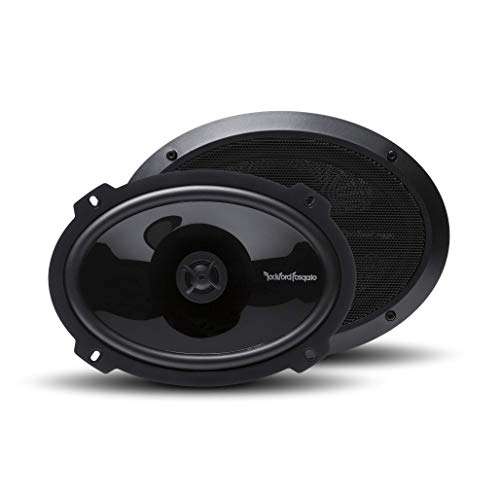

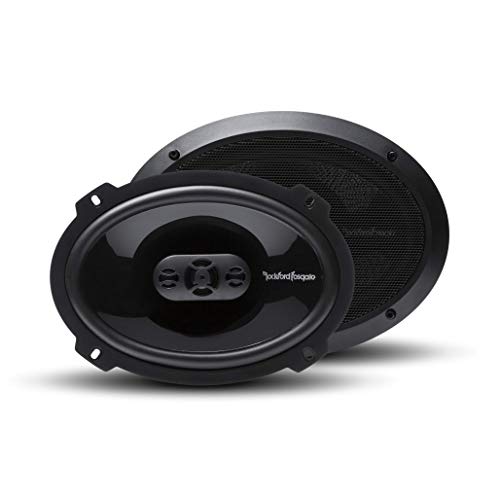
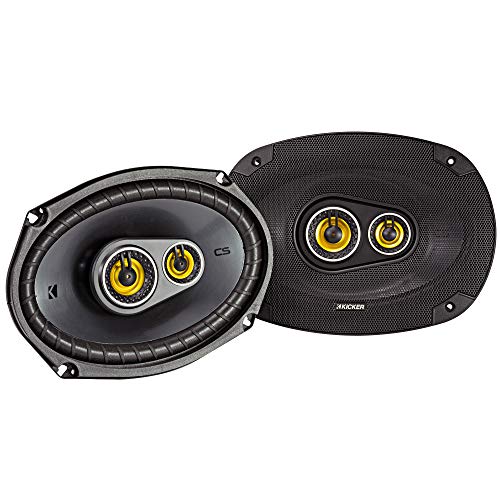

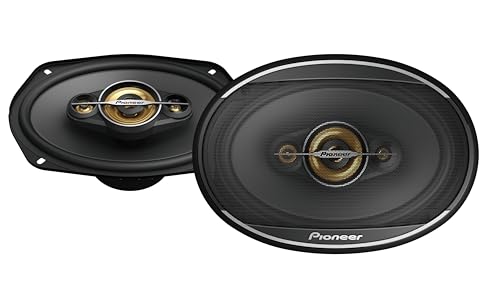

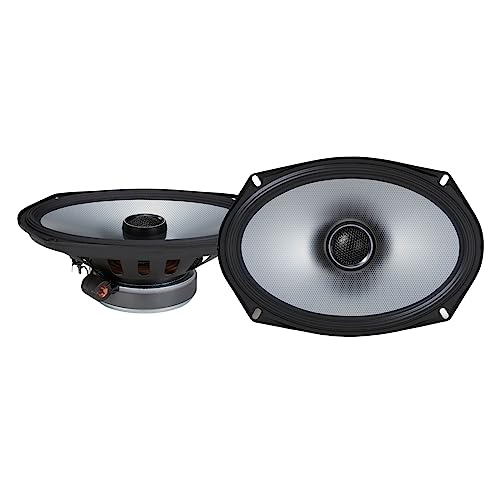
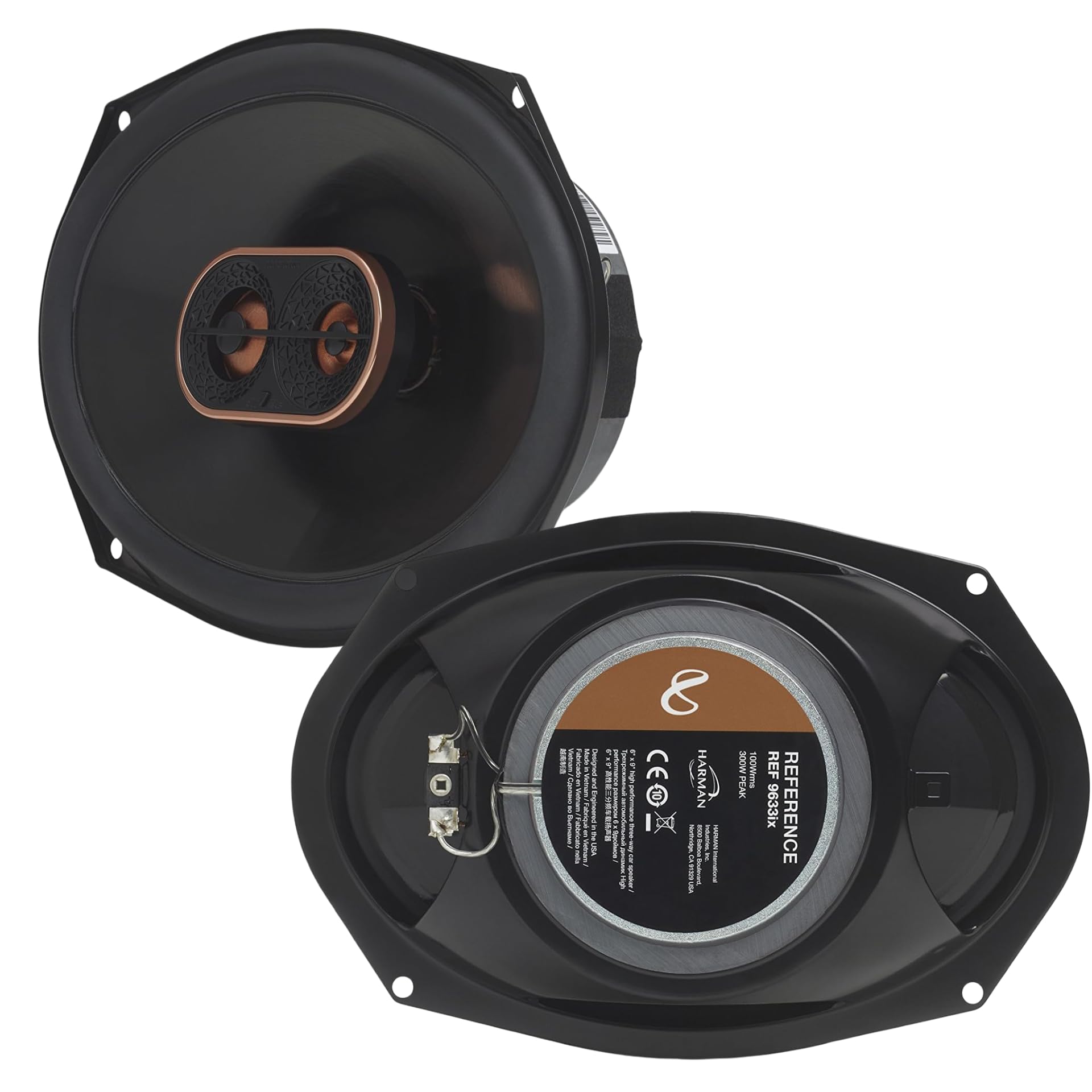


Fitment, mounting depth, and car compatibility
Fitment is the first check, since 6x9 speakers fit some cars directly and need adapters or modifications in others. Measure mounting depth, cutout shape, and clearance behind the panel, including window mechanisms and wiring. A speaker that fits the hole but fouls a window will not work.
Check factory speaker locations too. Rear deck speakers suit 6x9 sizes in many sedans, while doors may need adapters. Professional fitting helps when panels, wiring, or airbags sit near speaker locations. Never force a speaker into a panel that does not fit safely.
Coaxial versus component 6x9 speakers
Coaxial 6x9 speakers combine woofer and tweeter in one unit, simplifying installation and costing less. They suit daily listening, factory upgrades, and listeners who want better sound without complex wiring. Sound quality is good, though imaging is less precise than component setups.
Component 6x9 systems separate woofer and tweeter with a crossover, allowing better placement and clearer highs. They suit enthusiasts who prioritise sound staging and detail. Installation is more complex and costs more, so they suit planned upgrades rather than quick swaps.
Power handling, RMS, and peak figures
Power handling describes how much power a speaker handles, but RMS figures matter more than peak figures. RMS indicates continuous power handling, while peak figures describe brief bursts. Match RMS handling to your head unit or amplifier output for clean sound without distortion.
Underpowering a speaker is generally safe, while severe overpowering with distortion damages speakers faster. A modest amplifier often improves clarity more than a high power head unit alone. Set gains carefully and listen for distortion at high volume, which signals a problem.
Sensitivity, efficiency, and volume
Sensitivity measures how loud a speaker plays per watt. Higher sensitivity speakers play louder from a factory head unit, suiting upgrades without an amplifier. Lower sensitivity speakers may need an amplifier to reach satisfying volume, but they can offer better control with proper power.
Check sensitivity alongside power handling, not alone. A sensitive speaker with poor bass response still disappoints bass lovers. Listen to speakers with familiar music if possible, since specifications alone cannot convey tone and balance.
Sound styles: bass, clarity, and balance
Bass heavy listeners need 6x9 speakers with strong low frequency response and sturdy cones. Look for larger magnets, robust surrounds, and good rear deck sealing, since bass leaks through gaps. A subwoofer still outperforms any 6x9 for deep bass, so set expectations accordingly.
Clarity focused listeners need smooth tweeters, balanced midrange, and controlled highs. Harsh tweeters fatigue ears on long drives, while dull tweeters hide detail. Balanced speakers suit mixed music best, offering clear vocals, natural instruments, and satisfying bass without exaggeration.
Installation, wiring, and tuning tips
Good installation matters as much as speaker choice. Secure mounting, sealed panels, and correct polarity prevent rattles and phase problems. Use suitable wiring and connectors, and protect wiring from sharp edges and moving parts. Test each speaker before refitting panels.
Tune sound with head unit equaliser settings, starting flat and adjusting gently. Boosting bass excessively causes distortion and masks vocals. Adjust balance and fade for seating position, and set crossover points if using a subwoofer. Small tuning changes often beat expensive upgrades.
Related guides worth a look
The guides below cover close alternatives and companion choices. Read the one that matches your next decision, then return to the checklist in this guide before you buy.
Bass focused 6x9 options appear in best 6x9 speakers for bass.
Sound quality focused car speakers appear in best sounding 6x9 car speakers.
Sound quality detail for 6x9 models appears in best sound quality 6x9 speakers.
Marine grade 6x9 speakers for boats appear in best 6x9 marine speakers.
Door mounted 6x9 options appear in best 6x9 door speakers.
Common mistakes to avoid
A frequent mistake is buying 6x9 speakers without checking mounting depth, then discovering windows or wiring block installation. Measure depth, cutout shape, and clearance before ordering, including window travel and panel wiring. Professional fitting helps when panels sit near airbags or complex wiring, and prevents costly damage.
Another mistake is matching speakers to peak power figures rather than RMS handling, then distorting sound at high volume. RMS indicates continuous power handling, while peak figures describe brief bursts. Match RMS to amplifier or head unit output, set gains carefully, and listen for distortion as a warning sign.
Finally, listeners often boost bass excessively through equaliser settings, masking vocals and causing distortion. Start with flat settings, adjust gently, and set crossover points properly if using a subwoofer. Balanced tuning usually sounds better than maximum bass, especially on long drives.
A simple buying checklist
Start your checklist with car fitment, listening style, and power source, in that order. Note factory locations, rear deck versus door mounting, and whether an amplifier already exists. These answers decide coaxial versus component choice and sensitivity needs quickly.
Next, listen with familiar music if possible, judging vocal clarity, bass control, and tweeter harshness. Specifications cannot convey tone, so a short listening test prevents disappointment. Bring a playlist covering vocals, bass, and acoustic tracks for a balanced judgement.
Finally, plan installation and tuning, including secure mounting, sealed panels, correct polarity, and gentle equaliser adjustments. Test each speaker before refitting panels, since fixing wiring afterwards wastes time. Good installation often matters as much as speaker choice itself.
Before you decide
Test new 6x9 speakers with familiar music across genres before judging sound, including vocals, acoustic tracks, bass heavy songs, and spoken word. Note clarity, bass control, and tweeter harshness at both low and high volumes. Familiar music reveals tonal problems that demo tracks hide.
Check panels for rattles after installation, since loose panels and trim vibrate with bass and spoil sound quality. Secure panels firmly, add damping material where needed, and test at moderate volume before refitting everything. Rattle free installation transforms perceived sound quality.
Keep original packaging and receipts until speakers perform well for several weeks, since fitment and sound issues sometimes emerge after break in. Note any distortion, imbalance, or panel noise promptly, while returns remain straightforward. Patient testing protects your investment.
Plan future upgrades sensibly, noting whether an amplifier, subwoofer, or sound deadening would help most. A modest amplifier often improves clarity more than replacing speakers again, while a subwoofer handles deep bass better than any 6x9 alone. Staged upgrades spread cost and improve sound step by step.
Finally, protect new speakers during the first weeks by avoiding maximum volume and heavy bass boost until components settle. Gradual break in lets surrounds flex naturally and reveals any installation issues early. Patient early use extends speaker life and improves long term sound quality noticeably.
Frequently asked questions
Will 6x9 speakers fit my car?
Fit depends on factory cutouts, mounting depth, and clearance behind panels, so check your car model and measure before buying. Rear decks suit 6x9 speakers in many sedans, while doors may need adapters. Professional fitting helps when wiring or window mechanisms sit near the speaker location.
Do I need an amplifier for 6x9 speakers?
Many 6x9 speakers work well from a factory head unit, especially sensitive models, but an amplifier improves clarity, volume, and bass control. If sound distorts at desired volume or lacks dynamics, an amplifier is the next sensible upgrade. Match amplifier power to speaker RMS handling.
Are coaxial or component speakers better?
Coaxial speakers suit simple upgrades with easier installation and lower cost, while component systems offer better imaging and detail with more complex fitting. Choose coaxial for daily listening upgrades, and component for planned enthusiast systems where tweeter placement matters.
Why do my new speakers sound worse?
New speakers can sound worse if polarity is reversed, panels rattle, sealing is poor, or equaliser settings boost bass excessively. Check wiring polarity, secure mounting, and reset equaliser settings to flat before judging sound. Allow a short break in period, then retune gently.
How much bass can 6x9 speakers produce?
6x9 speakers produce satisfying mid bass and upper bass, far better than small factory speakers, but they cannot match a dedicated subwoofer for deep bass. Rear deck sealing and amplifier power affect bass greatly. Add a subwoofer if deep bass matters most.
Final thoughts
Confirm fit first, match power and sensitivity to your system, and choose sound style by music taste. The product table above compares the main 6x9 types.
A well matched set for best 6x9 speakers should sound clear at daily volume, handle your favourite music without distortion, and fit your car without compromise.


