
Best Affordable Wifi Routers 2026: A Buying Guide
Disclosure: We may earn a commission when you buy through links on this page, at no extra cost to you. As an Amazon Associate I earn from qualifying purchases. Learn more

Choose an affordable wi fi router with enough speed, coverage, and ports for your home, devices, and streaming needs without overspending before you buy.
Slow video calls and buffering streams often trace back to a tired router, not your internet plan. If you want the best affordable wifi routers, coverage and device handling matter more than headline speed numbers. The comparison table below gives a quick overview, while this guide explains how to match a router to your home and household.
Routers differ in wireless standard, band support, and antenna design, and those differences shape real world performance through walls and floors. A router that serves a small flat well may struggle in a larger house with many devices. This guide helps you judge coverage, speed, and setup honestly, so your upgrade actually fixes the problem.

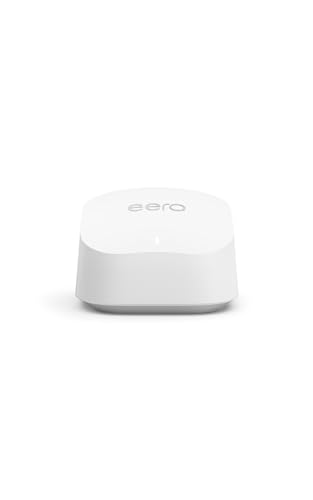


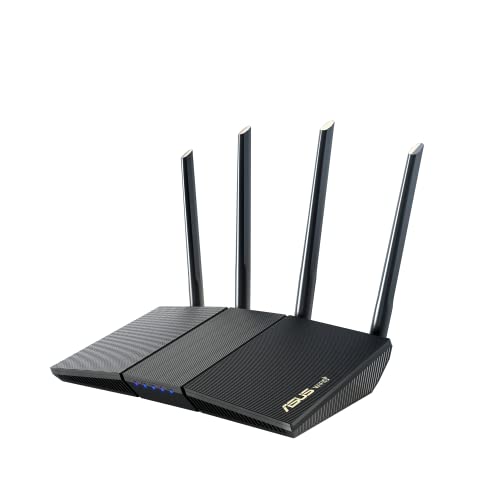


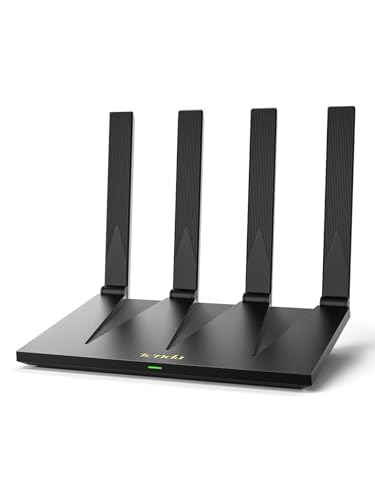

Who Should Buy Them
These routers suit households upgrading an old provider router, renters, and families with many phones, laptops, and streaming devices. They are ideal for everyday browsing, streaming, and home working. If you run a large smart home or a very large house, a mesh system may suit better. For most homes, a good affordable router is plenty.
Key Features to Compare
Compare routers on the features that decide real world speed, coverage, and reliability.
- Wireless standard. Newer standards handle more devices and higher speeds, while older standards limit modern plans.
- Dual or tri band support. Multiple bands separate traffic and reduce congestion when many devices connect at once.
- Coverage and antennas. Antenna design and placement affect signal through walls far more than marketing range claims.
- Ethernet ports. Wired ports give stable connections for gaming consoles, televisions, and work computers.
- Security features. Automatic updates, guest networks, and strong encryption protect your home network.
Types and Options
Home routers come in a few forms, each with its own coverage approach.
- Single routers. One unit for small to medium homes, simple and affordable.
- Mesh systems. Multiple units that share one network name across larger homes.
- Modem router combinations. Single boxes that replace both modem and router, convenient where supported.
- Gaming routers. Prioritised traffic and low latency features for online gaming households.
How to Choose the Right One
Start with home size and wall material, since thick walls and multiple floors weaken signals. Count connected devices honestly, including phones, laptops, televisions, and smart devices. Check your internet plan speed, since a router cannot exceed it, but a weak router can waste it. Place the router centrally and elevated, away from thick walls and metal objects.
Think about wired needs too, since gaming and work computers benefit greatly from ethernet. The product table above lets you compare bands and ports side by side. If dead zones persist after placement fixes, a mesh system or an extra access point may help more than a stronger single router. Test speeds in each room before deciding.
For a related guide, see best affordable routers. For a related guide, see best wifi routers for gaming. For a related guide, see best wifi 6e routers. For a related guide, see best wifi mesh routers. For a related guide, see best affordable gaming routers.
Budget and Long Term Value
Good affordable routers often cost from about $50 to $150, with capable models across that range. Spending more usually buys newer standards, better device handling, and longer support. A mid priced router with current wireless support often outperforms a cheap older model quickly. Include any modem compatibility checks in your planning, since some providers restrict devices.
Everyday Use and Care
Keep router firmware updated for security and stability, and restart it occasionally when performance dips. Place it in open air, not inside a closed cabinet, since heat harms electronics. Change default admin passwords and use strong wi fi encryption. Review connected devices periodically and remove unknown ones promptly.
Mistakes to Avoid
- Buying headline speed while ignoring coverage and device count.
- Hiding the router inside a cabinet or behind thick furniture.
- Keeping default passwords and outdated firmware.
- Expecting a router upgrade to exceed your internet plan speed.
Getting the Most From Your Choice
Home networking improves most when you understand your whole setup, including modem, router placement, and device load. Test speeds with a wired connection first to separate internet plan performance from wi fi performance. Check how many devices connect at peak times, and whether streaming, gaming, and calls compete for bandwidth. This diagnosis prevents buying hardware for a problem that placement or settings could solve more cheaply.
Think about your home over time, because new devices, remote work, and streaming habits increase network demand steadily. A router with current wireless support and room for more devices ages better than a bargain model already near its limits. Plan placement centrally, keep firmware updated, and revisit coverage when you rearrange rooms or add a home office.
Questions to Ask Before You Order
Before ordering, check modem compatibility, measure home size and wall types, and count peak devices. Ask about wireless standard, band support, security updates, and warranty length. These questions ensure the router you buy covers your home today and keeps pace as household demands grow.
- Does this router support my internet plan speed?
- Will coverage reach every room I use?
- How many devices connect at peak times?
- Are security updates provided regularly?
Long Term Value
When you judge long term value, look beyond the purchase price to how home router holds up under daily use. Firmware support and hardware quality decide whether a router stays secure and fast as devices multiply. A product that needs frequent replacement or repair quickly costs more than a slightly pricier alternative that lasts. Check warranty length, availability of spare parts, and how easily the item can be cleaned or serviced at home. These practical details decide whether a budget buy stays a bargain or becomes a repeated expense over the years you own it.
Total cost includes possible mesh units or access points later, and planning for those costs avoids surprises. Larger homes may need extra coverage later, so check whether the system expands gracefully. Set aside a small amount for upkeep from the start, and compare that total against the next price tier rather than judging the sticker alone. Often the middle option costs less over three years than the cheapest one, because it avoids early replacement and performs better throughout its life.
Know when to upgrade rather than repair. If security updates stop, coverage fails despite placement fixes, or device handling cannot keep up, replacement makes sense. Until then, regular care and timely small fixes extend life considerably. A thoughtful owner gets far more value from a mid priced home router than a careless owner gets from a premium one, so habits matter as much as hardware.
- Check warranty length and spare part availability before buying.
- Budget for upkeep costs from the first year, not as an afterthought.
- Compare total ownership cost across price tiers, not sticker price alone.
Frequently Asked Questions
How do I improve wi fi coverage?
Place the router centrally, elevated, and in open air, away from thick walls and metal objects. Update firmware and test speeds room by room. If dead zones remain, consider a mesh system or a wired access point, since placement fixes solve many coverage problems before new hardware is needed.
What wireless standard should I choose?
Choose the newest standard your budget and devices support, since newer standards handle more devices and higher speeds. Older standards still work but may limit modern plans and crowded networks. Check device compatibility, since benefits appear only when router and devices support the standard together.
Do I need a mesh system?
Mesh systems suit larger homes, multi floor houses, and homes with persistent dead zones. Single routers suit small to medium homes with central placement. If one router covers most rooms well, a mesh system adds cost without clear benefit. Test a single router first when unsure.
Why is my internet slow despite a fast plan?
Slow speeds can come from router placement, old wireless standards, crowded bands, or too many devices sharing bandwidth. Test with a wired connection to isolate the router from the plan itself. If wired speeds look good, focus on router placement, bands, and device load rather than upgrading the plan.
How do I keep my home network secure?
Use strong wi fi encryption, change default admin passwords, enable automatic firmware updates, and set up a guest network for visitors. Review connected devices regularly. These basic steps protect most home networks far better than exotic settings, and they take only minutes to apply.
After setup, save your router admin details and wi fi password in a secure place you can find later, since factory resets and new device connections both need them. Note the date of your last firmware update and check quarterly for new releases. This simple record keeps your network secure and avoids frustrating password hunts when visitors or new devices arrive.
Final Thoughts
The best affordable wifi routers are the ones that cover your home, handle your devices, and stay secure without fuss. Match coverage to your house, favour current standards, and place the router well. A good router makes fast internet feel fast everywhere it matters.

