
Best Affordable Waterproof Hiking Boots: A First Time Buyer's Guide for 2026
Disclosure: We may earn a commission when you buy through links on this page, at no extra cost to you. As an Amazon Associate I earn from qualifying purchases. Learn more
Shopping for the best affordable waterproof hiking boots for the first time? Learn the terms, compare options, and avoid rookie mistakes with this easy guide.
Buying your first pair of hiking boots can feel confusing, because every product page lists membranes, lugs, and drop numbers in a different order. This guide slows things down and shows you how to judge best affordable waterproof hiking boots by fit, terrain, and weather rather than marketing claims. Start with the comparison table below, then read the basics.
Your goal as a new buyer is simple. You want dry feet on wet trails, grip for mud and loose stone, and a fit that stays comfortable for hours, without paying for mountaineer features.
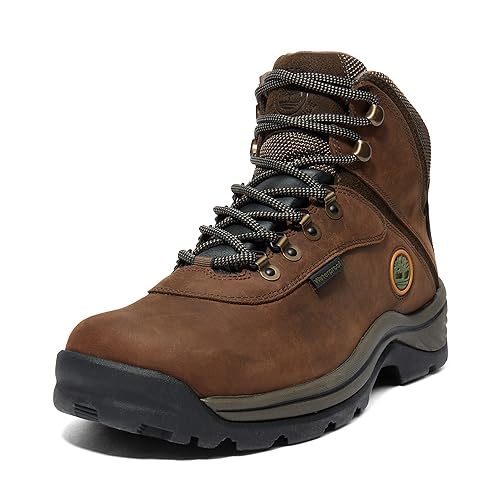

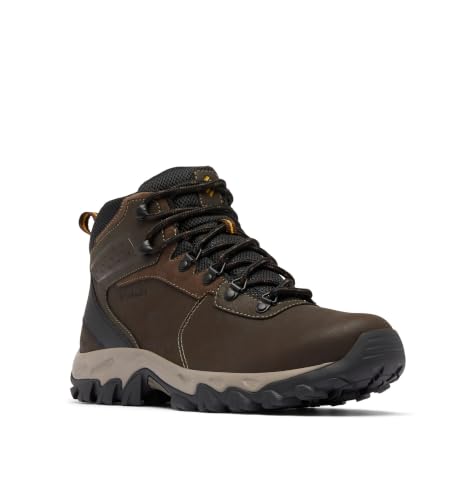


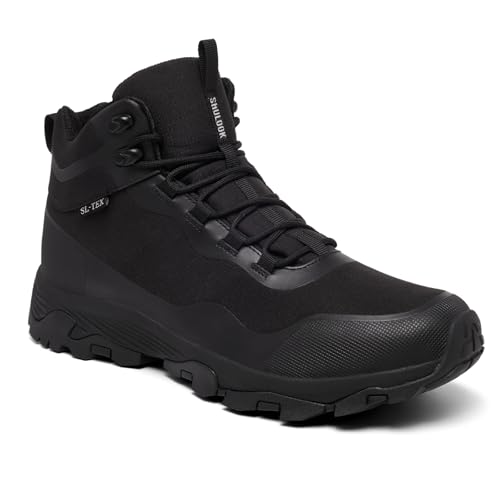
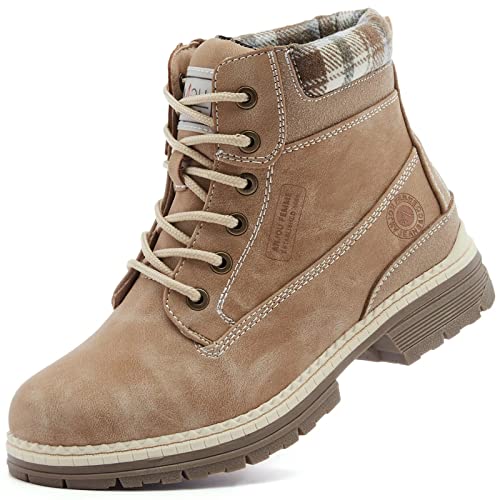

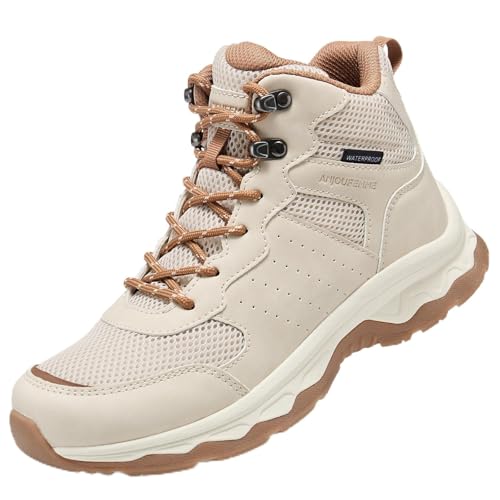
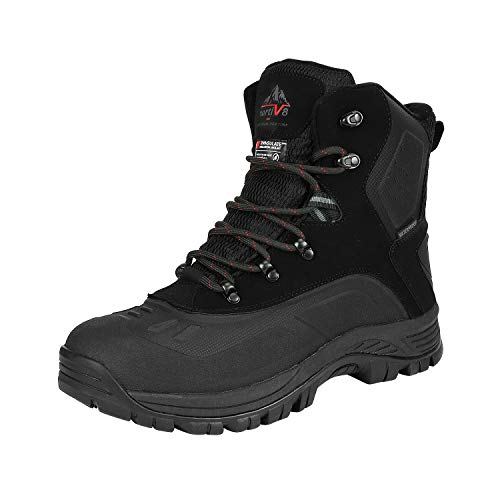
Waterproof Hiking Boots 101: The Basics for New Buyers
A waterproof hiking boot is a trail boot with a sealed inner membrane that blocks rain and puddle water. The membrane works like a thin rain jacket inside the boot, and sealed seams keep water out at the stitching. If your budget later grows, our guide to the best waterproof hiking boots shows what higher tiers add.
No membrane is perfect. The layer that keeps rain out also slows the escape of sweat, so waterproof boots feel warmer than airy trail shoes on hot days. Boots also come in men and women specific shapes, called lasts. Readers who need a men specific fit can see our guide to the best waterproof hiking boots for men.
Who Should Buy Budget Waterproof Hiking Boots?
New Hikers on Wet and Muddy Local Trails
If most of your walks happen after rain, on soft forest paths or muddy park loops, a budget waterproof boot covers your real needs. You get a sealed membrane and lugged grip without paying for expedition features. Choose a mid height cuff if your ankles feel unsteady on roots.
First Time Backpackers With Light Packs
New backpackers carrying a light pack for one or two nights benefit from the support a boot gives on uneven ground. A budget pair keeps starting costs sane while you learn what distances you enjoy. Keep your load modest, because softer budget midsoles compress faster under heavy packs.
Wet Weather Walkers Who Need Real Trail Grip
Some buyers want one boot for rainy dog walks, muddy sidelines, and weekend trails. A hiking boot gives deeper lugs and a sturdier upper than a casual rain boot, so it handles slick grass better. If most of your wet walking stays on pavement and lawns, see our guide to the best affordable waterproof boots instead.
Trail Boot Specs in Plain Words: Fit, Grip and Membranes
When you compare the best affordable waterproof hiking boots side by side, six specs explain most of the difference between pairs. Read them in order, because fit comes before waterproofing and grip comes before style.
What a Trail Budget Buys in Dry Feet and Grip
Expect to pay about $80 to $150 for a solid first pair with a house brand membrane, synthetic or split leather uppers, and a foam midsole. At this price you give up premium membranes, thick full grain leather, and replaceable soles. Never give up fit, sealed seams, or grippy rubber, because those decide whether the boot works. If your trails stay dry for months, compare this choice with our guide to the best affordable hiking boots.
Sizing Waterproof Boots for Swollen Feet and Thick Socks
Try boots late in the day, when your feet are largest, wearing the hiking socks you plan to use. Your heel should sit snugly at the back while your toes have about a thumb width of space in the toe box, because feet swell and slide forward on descents. Many new hikers go up half a size from street shoes. Readers shopping for a women specific fit can see our guide to the best waterproof hiking boots women's.
Lug Patterns and Grip on Mud, Rock and Wet Roots
The outsole is the rubber bottom of the boot, and its lugs are the raised blocks that bite into the ground. Lugs about 4 to 5 mm deep suit mud and loose dirt, while shallower, tighter lugs feel steadier on rock and pavement. Softer rubber grips wet stone better but wears sooner, and a raised heel edge helps you brake on descents.
Membrane Choices That Keep Rain and Creek Water Out
Gore Tex is the best known membrane, but most budget boots use a house brand layer that works the same way, passing sweat vapor out while blocking liquid water. A water repellent coating on the outer fabric matters too, because a soaked upper feels heavy and cold even when the membrane holds. Check that the tongue attaches to the upper on both sides, since open tongues let puddle water in.
Leather, Suede and Mesh Uppers on Wet Trails
Mesh panels make a boot lighter and more breathable, so mesh heavy designs suit mild climates and dry quickly after a soaking. Split leather and suede resist scrapes from rocks better, but they add weight and dry more slowly. Full leather is the toughest and warmest option, and usually the priciest. For a first pair in a wet climate, a mix of synthetic fabric and leather overlays balances drying time and durability.
Cushioning and Support
The midsole foam cushions each step, and a stiff shank stops sharp stones from poking through from below. Arch support and a firm heel cup add stability, the feeling that the boot holds your foot steady instead of letting it roll. Heel to toe drop, the height difference between heel and forefoot, runs about 8 to 12 mm in most hiking boots. That slope feels natural if you are coming from everyday shoes.
Rookie Mistakes to Avoid
- Buying your usual street shoe size, so your toes jam into the front on descents and your toenails bruise.
- Choosing a pair on price alone, so soft bargain rubber slips on the first wet rock you cross.
- Wearing brand new boots on a long hike first, so stiff spots rub blisters before the upper relaxes.
- Assuming waterproof means dry in deep streams, so water pours over the cuff and the membrane keeps it in.
- Picking a narrow fashion styled fit for wide feet, so your forefoot squeezes and balance suffers on uneven ground.
Getting Started: First Fit Checks and First Walks
When your boots arrive, inspect the stitching, seams, and eyelets before removing any tags, then work through this short first use routine.
- Lace the boots firmly, using the top hooks to lock your heel down so it stops lifting each step.
- Walk around your home for twenty minutes, including stairs, and note any hot spot.
- Take two or three short walks on flat, easy trails before a long or steep route.
- After a wet walk, loosen the laces, pull out the insoles, and air dry the boots away from direct heat.
This slow start protects your return window and your feet. Problems found on carpet are easy to fix with a size swap, while the same problems found ten miles out become a painful walk back.
Care and Maintenance for Waterproof Hiking Boots
After muddy hikes, let the boots dry enough for dirt to brush off, then wash the uppers with cool water and mild soap, rinse well, and stuff them loosely with newspaper if soaked. Cleaning matters, because ground in grit damages the fibers that hold the outer coating.
When water stops beading on the upper and soaks in instead, apply a footwear treatment made for your upper material to restore that beading surface. Store the boots clean, fully dry, and loosely laced in a ventilated spot, and check laces for fraying every few months.
FAQs About Buying Your First Waterproof Hiking Boots
How should waterproof hiking boots fit?
Waterproof hiking boots should fit snugly at the heel and midfoot with clear space in front of your longest toe. Walk down an incline board or steep driveway in the store, because that test shows whether your toes slide forward as they will on descents. If your heel lifts more than a small amount with firm lacing, try a different last.
Do I need waterproof hiking boots for every trail?
No, waterproof hiking boots suit wet, cool, and muddy trails best. In hot and dry country, a breathable boot without a membrane dries faster after stream crossings and feels cooler all day, which is why many desert hikers skip waterproofing. Choose based on the weather you hike in most often.
Are expensive waterproof hiking boots worth it for a new hiker?
Expensive waterproof hiking boots are rarely worth it for a new hiker whose routes and distances are still changing. Higher prices mainly buy tougher leather, longer lasting soles, and membranes that breathe a little better, none of which matter much in a first season. Put the savings toward good wool blend socks instead.
Can I wear waterproof hiking boots all day?
Yes, you can wear waterproof hiking boots all day once they are broken in and laced to match your activity. Loosen the laces during long drives or desk breaks so your feet can flex, then retighten before walking again. Rotating two pairs on back to back wet days also helps, because a day of rest lets the inner foam recover.
How long is the break in period for waterproof hiking boots?
The break in period for waterproof hiking boots usually covers about 10 to 20 miles of short, easy walks. Synthetic and mesh uppers often feel right within a few outings, while leather heavy designs take longer to soften. Build distance gradually, and treat any repeating hot spot as a signal to adjust lacing before it becomes a blister.
How often should I replace waterproof hiking boots?
Replace waterproof hiking boots after about 500 to 800 miles, or sooner when clear wear signs appear. A midsole that feels flat and harsh, lugs worn smooth at the heel, or a membrane that leaks after cleaning and treatment all mean the boot is done. Pavement miles wear soles faster than soft soil miles, so compare heel tread with the unworn middle section twice a year.
Our Verdict
For a first pair, put fit first, a sealed membrane second, and lug depth matched to your muddiest trail third. Those choices decide whether early hikes feel encouraging or miserable, and none requires a premium budget. The best affordable waterproof hiking boots for you are the ones that pass the fit checks above at a price that leaves room for good socks. Compare your shortlist in the product table above and order from a seller with a clear return policy.


